yahoo Press
Oil prices remain resilient amid Iran strikes. Here's what to expect.
Images
1 / 3

2 / 3

3 / 3
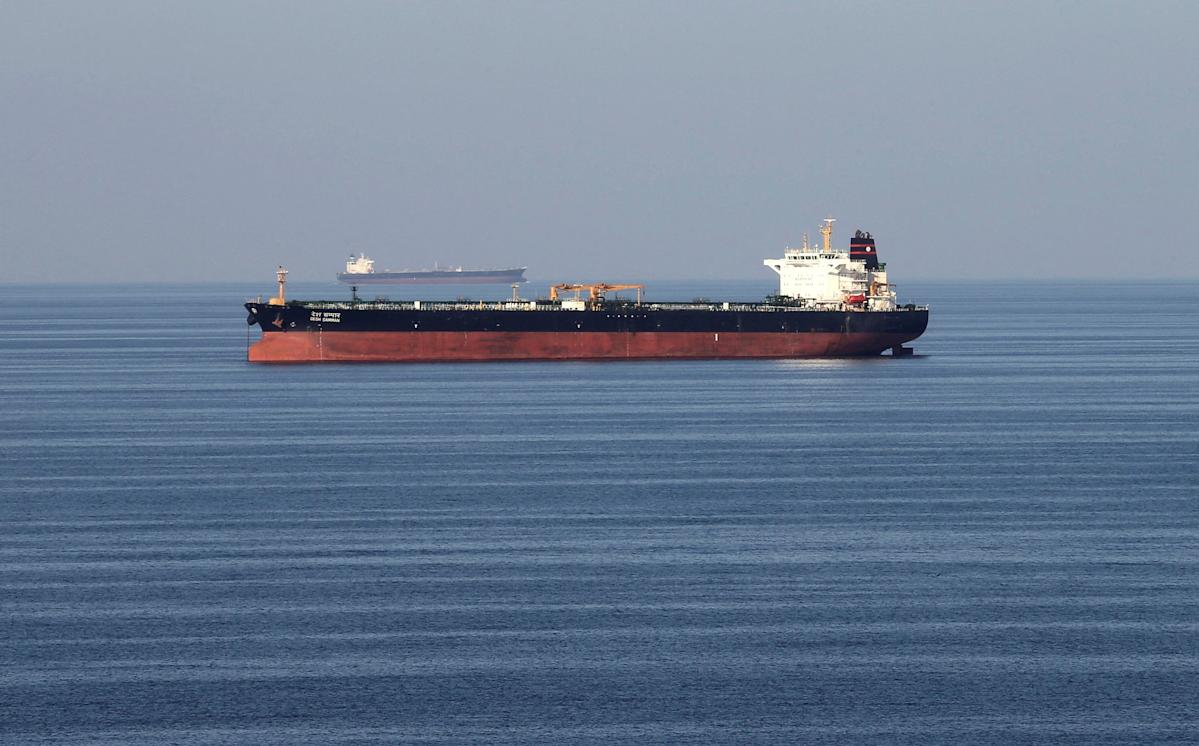
Oil prices jumped March 2 following joint strikes from the United States and Israel against Iran, but remained below highs they hit at the start of trading Monday.

Crude oil was up 6.2% to about $71 a barrel and brent crude, the global benchmark, gained 7.2% to about $78 a barrel just before noon ET.

Those moves are "meaningful," said petroleum analyst Patrick De Haan, but added, "This is a risk premium being layered onto an already tightening seasonal market. It is not, at this stage, a structural supply shock."

Live updates: Iran conflict continues; 3 US fighter jets crash in Kuwait

Analysts say there are plenty of factors that mitigate a worst-case scenario for oil, but note that there are still significant headwinds on the horizon.

"For now, the market believes that the conflict is likely limited in duration – up to 4 weeks, according to (President Donald) Trump’s recent comments," said Rob Haworth, senior investment strategy director at U.S. Bank Asset Management, with over $500 billion in assets under management.

Prices remain well below the triple-digit levels seen at the start of the Russia-Ukraine conflict in 2022, Haworth pointed out. "A prolonged conflict, which leaves the Strait of Hormuz unnavigable, is the key risk that could lead to oil exceeding $100 per barrel," he added.

Global oil producers including OPEC+ and several U.S. corporations have either announced or signaled their intent to step into the void left by Iran, said Neil Dingmann, an analyst in the energy and power technologies group at William Blair, in a report published March 2.

Although the U.S. effectively controls the oil being produced in Venezuela, that won’t do anything to offset the more than 3 million barrels a day that Iran produces, De Haan wrote in earlier commentary.

"Even in the most optimistic scenarios with political stabilization and investment, it would take years, not weeks, for Venezuelan production to approach levels anywhere near Iran’s export scale," he said.

But shipping and production infrastructure, like pipelines, are at risk if the bombing continues, Dingmann wrote. Some analysts have forecast that a worst-case scenario could mean $100 per barrel or more.

Still, he added, "the oil market was well supplied ahead of the conflict, with energy companies likely benefitting from expected demand from Artificial Intelligence infrastructure build."

U.S. consumers will likely start to see marginally higher gas prices in the next day or two, De Haan said. Over the coming week, expect 10-30 cents per gallon increases at most typical gas stations, he said. Gas prices generally rise in proportion to the oil price, as USA TODAY has previously reported.

This article originally appeared on USA TODAY: Oil prices rise but stay below doomsday scenarios amid Iran strikes