yahoo Press
Construction Crews Were Building an Apartment Complex—And Found a 500-Year-Old Castle
Images
1 / 10
2 / 10

3 / 10

4 / 10

5 / 10

6 / 10
7 / 10

8 / 10

9 / 10

10 / 10
Here’s what you’ll learn when you read this story:

Work in preparation for a residential project in a Flemish-speaking portion of Belgium revealed a lost Spanish castle from the 16th century.

The castle was once a fortress commissioned by Emperor Charles V to solidify a hold on Ghent.

Along with uncovering the castle, archaeologists have excavated a bounty of artifacts from the Spanish Army, which once resided there.

Work prepping a new apartment complex in Belgium ended up digging a few hundred years into history, as archaeologists uncovered not only a 16th-century Spanish castle, but an “archaeological treasure trove” of pieces left behind by the Spanish Army, which likely once inhabited the fortress.

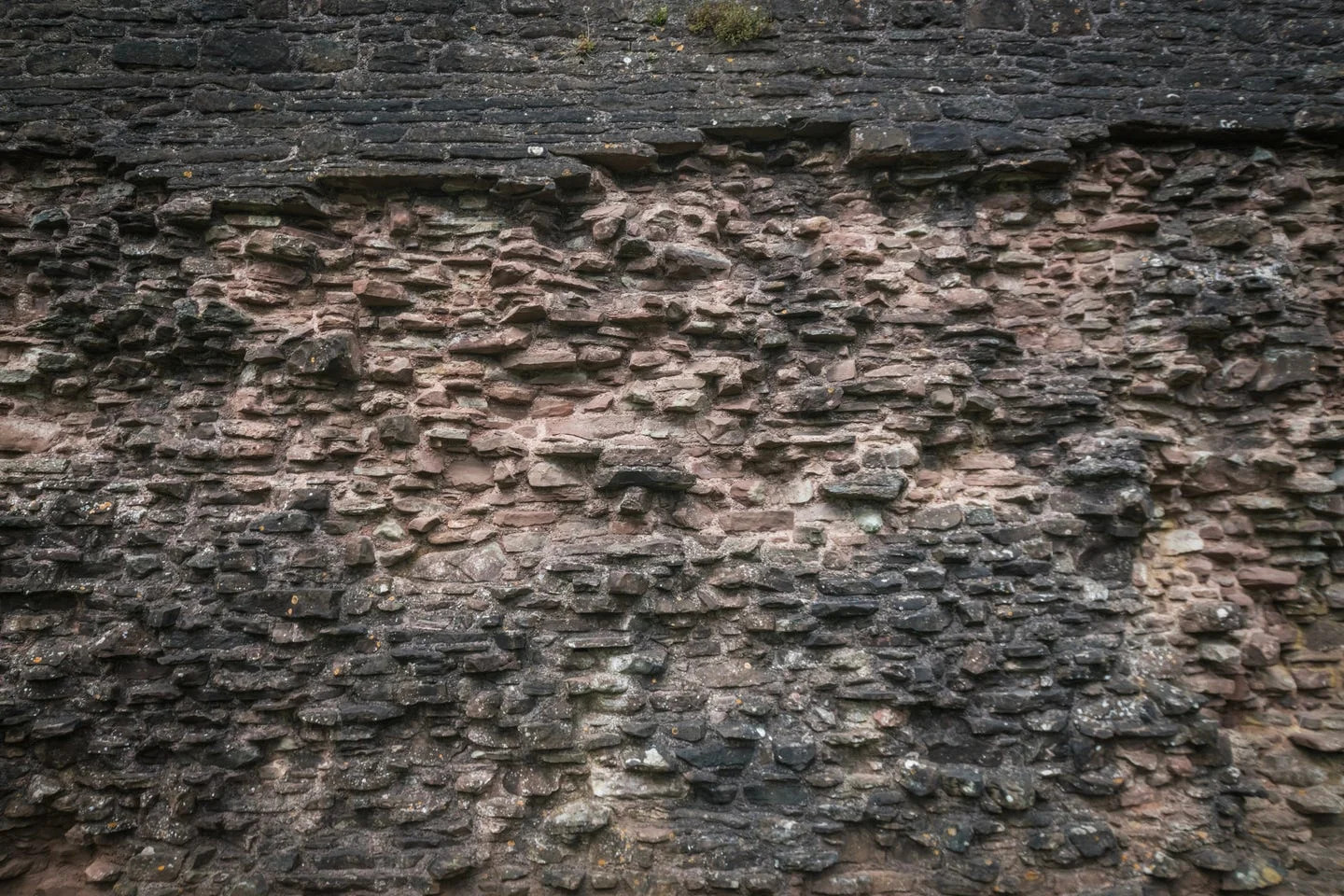
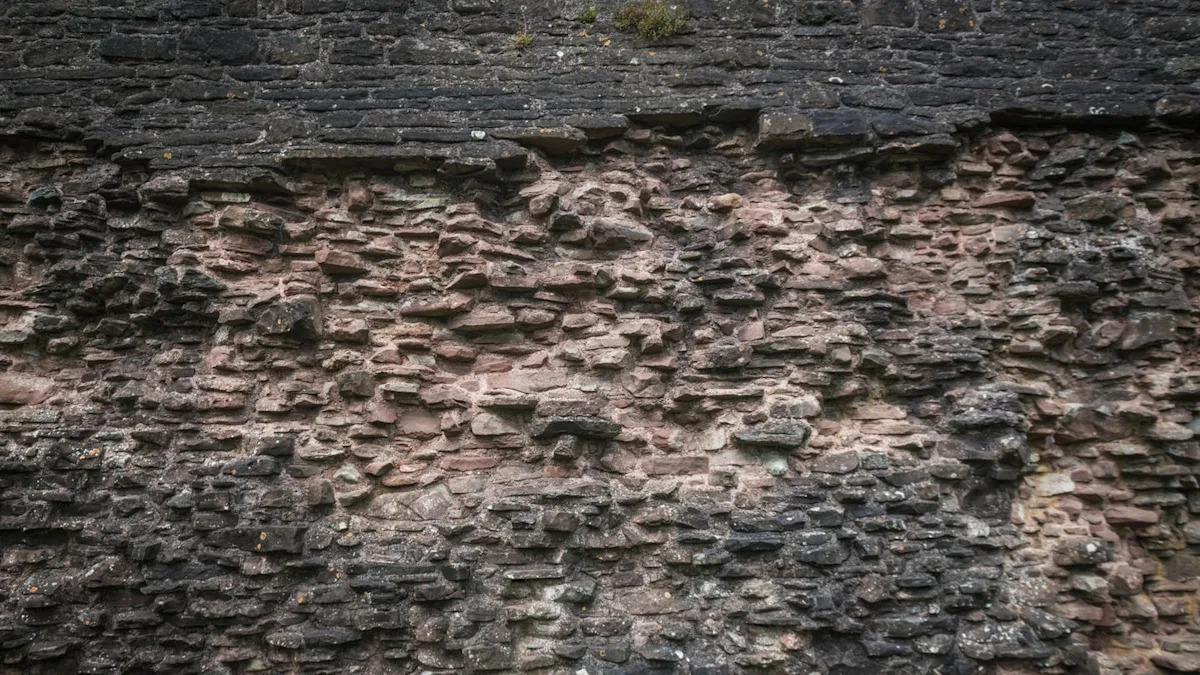
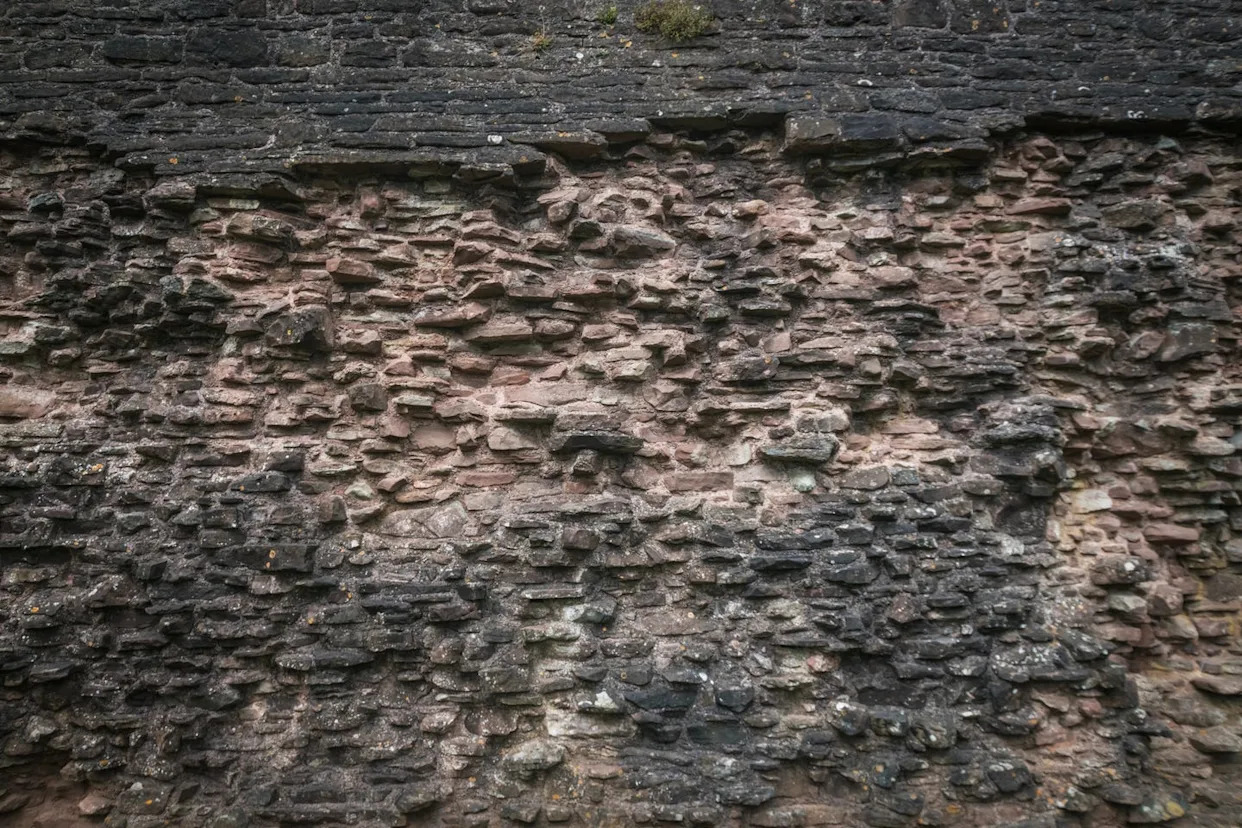
The Spanish castle that became the highlight of the discovery was commissioned by Emperor Charles V in an effort to keep his stronghold on the residents of the city of Ghent. While the castle eventually fell to ruin—and much of the site covered over by a neighborhood in the 19th century, according to a report from the Belgium public broadcaster VRT NWS—pieces of the castle remained, albeit lost underground. But the demolition intended to make way for apartments revealed it all once again.

“This is an archaeological treasure trove,” archaeologist Robby Vervoort told VRT NWS. “We had conducted a preliminary study that already suggested a great deal, and test pits had also been dug in the demolished buildings. They revealed stone parts of the castle and even older finds.”

Vervoort is especially keen to explore what the team is referring to as a catch-all pit. “All kinds of things were thrown into the pit at the time,” he said. “Finds are often exceptionally well preserved. We scrape off layer after layer to recover the finds as well as possible.”

While all signs point to the site having served as a home for Spanish solders, digging through this murky pit could provide the greatest clues. “We will be able to find out what the soldiers ate, based on the animal remains, seeds, and plant pollen we find here.”

If digging through an archaeological pit isn’t your thing, there’s also a burial ground to scour. The castle—built as a purposeful, architectural attack by the emperor on the people of Ghent for revolting against his taxes—stood atop the former St. Bavo’s Abbey, which was likely the first building that went up in Ghent in the seventh century. While only remnants of the church still stand, the burial ground remains, and Vervoort said that the team has discovered dozens of medieval skeletons dated from between the 13th and 16th centuries.

Finds from the site also include glass bowls, shards of wine bottles, ceramics, building materials from the Roman era, and flint tools. “There must have been habitation here,” Vervoort said, “even in prehistoric times.”

With any remains of the abbey buildings already preserved, the apartment complex will move forward—although largely without basements, as to not disturb the historical nature of the site. “Part of the plot has been preserved,” Vervoort said. “We are leaving everything untouched. We believe that the archaeologists of the future will have much better tools at their disposal. They will then be able to continue working on what can still be found there.”

You Might Also Like

The Do’s and Don’ts of Using Painter’s Tape

The Best Portable BBQ Grills for Cooking Anywhere

Can a Smart Watch Prolong Your Life?