yahoo Press
Lockheed to make cheaper Patriot interceptors as air defense demand soars
Images
1 / 5
2 / 5

3 / 5
4 / 5

5 / 5
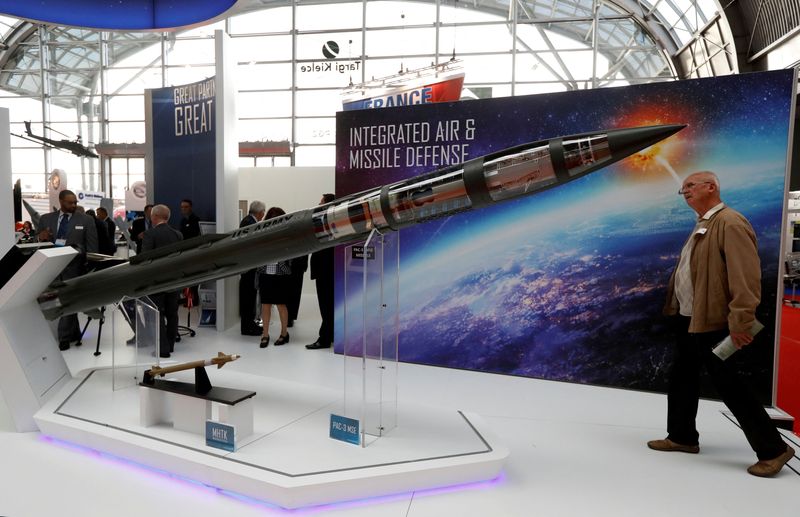
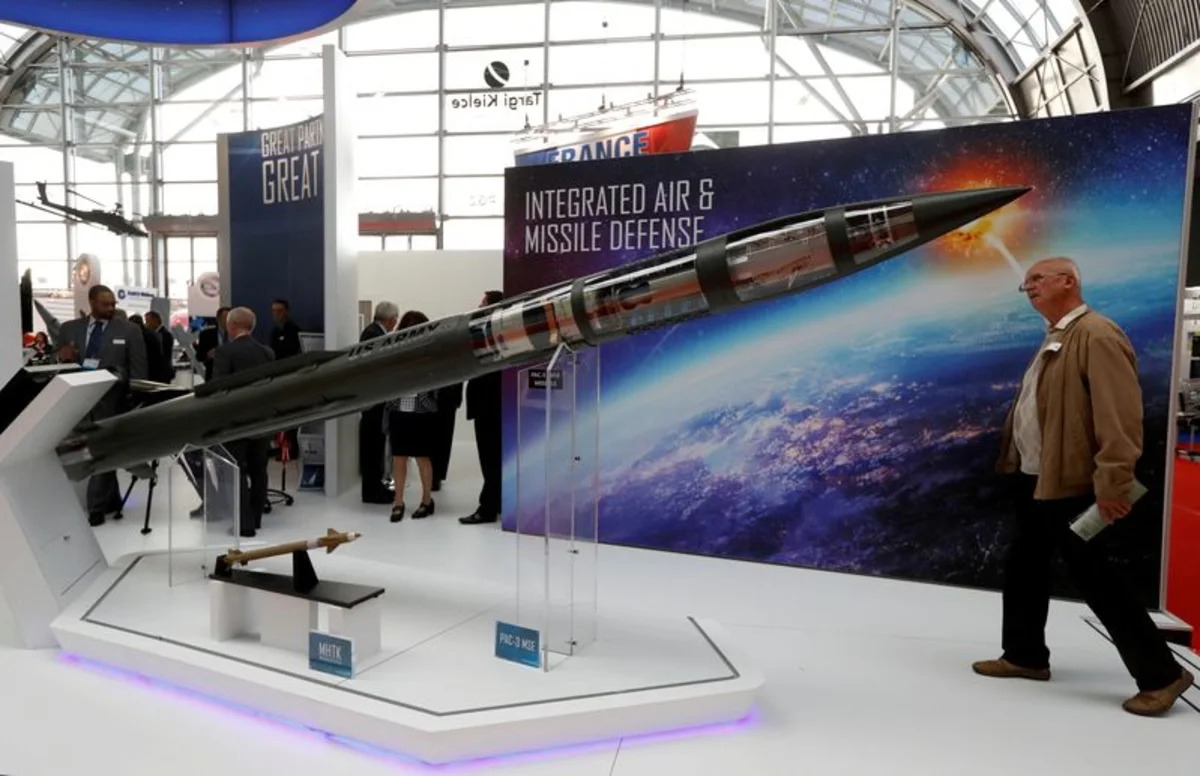
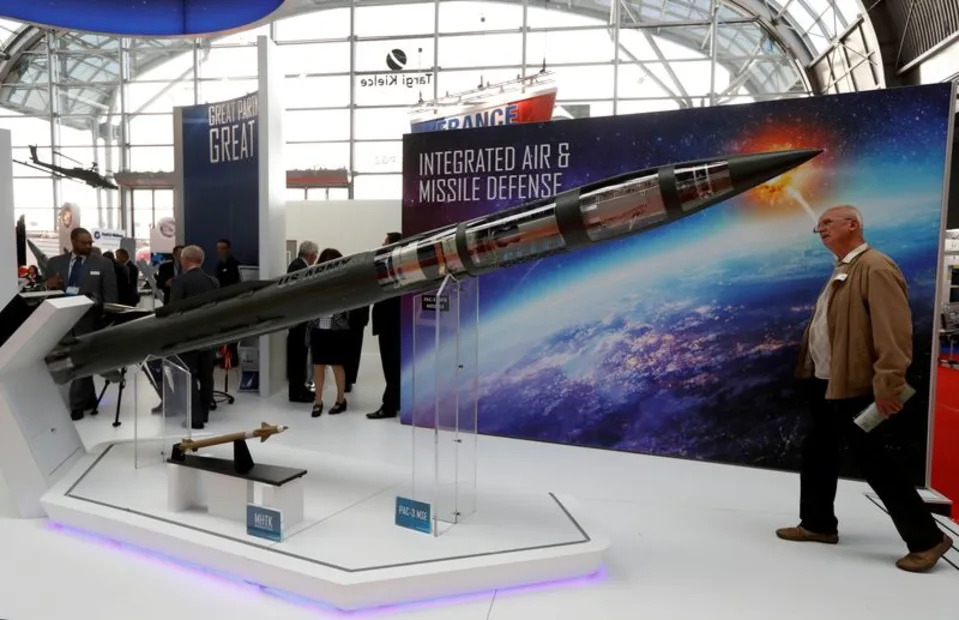
By Joe Brock FARNBOROUGH, England, July 20 (Reuters) - Lockheed Martin announced a lower-cost Patriot interceptor on Monday as militaries seek cheaper ways to counter drones and missiles, while defense contractors face competition from startups making low-cost weapons that can be produced at scale. Lockheed said its new PAC-3 Adapted Capability Effector, or ACE, missile would cost less than half as much as its PAC-3 MSE interceptors, which cost roughly $4 million per missile, according to U.S. Army budget documents. Initial production could start within 36 months, the company said, adding that it plans to develop and manufacture the weapon with U.S. and European industry partners. "American and allied warfighters need a solution that is battle-tested and budget-smart," Tim Cahill, president of Lockheed Martin Missiles and Fire Control, said in a statement at Britain's Farnborough Airshow. The location of the announcement underscores efforts by U.S. defense companies to tap a European rearmament boom fueled by Russia's war in Ukraine, even as European governments seek to reduce dependence on American suppliers and expand local defense manufacturing. The Patriot system has become one of the world's most sought-after air-defense weapons since Russia's 2022 full-scale invasion of Ukraine. Kyiv credits Patriot batteries with helping defend cities against Russian ballistic missile attacks, while President Volodymyr Zelenskiy has repeatedly appealed for more launchers and interceptors as Moscow intensifies air strikes. Demand has also been driven by missile exchanges between Iran, the United States and Israel and wider instability in the Gulf, stretching supplies of advanced air-defense weapons and exposing production bottlenecks throughout the Western defense industry. The launch of a cheaper interceptor by Lockheed underscores how established defense contractors are responding to mounting competition from Silicon Valley-backed startups that promise to deliver weapons faster, in greater numbers and at a fraction of the cost of traditional systems. (Reporting by Joe Brock; Editing by Sharon Singleton)