foxnews Press
Humanoid robot cleans first US apartment
Images
1 / 20

2 / 20

3 / 20
4 / 20
5 / 20

6 / 20
7 / 20

8 / 20

9 / 20

10 / 20

11 / 20

12 / 20
13 / 20

14 / 20
15 / 20

16 / 20

17 / 20

18 / 20

19 / 20

20 / 20
Tech expert Kurt Knutsson gives insight into the Astribot S1, a humanoid robot for domestic tasks that showcases AI-powered capabilities.

A humanoid robot just walked into someone's San Francisco apartment and cleaned it. Yes, really.

Gatsby, a local robotics startup operating under West Egg Labs, says it has completed the first consumer home cleaning by a humanoid robot in the United States. The customer came from Gatsby's San Francisco waitlist, was picked at random and booked the cleaning through the company's iOS app.

With Gatsby, instead of buying a pricey robot for your home, you book one when you need it, much like ordering a ride or food delivery from an app.

Sign up for my FREE CyberGuy Report

HOME ROBOT AUTOMATES HOUSEHOLD CHORES LIKE ROSIE FROM 'THE JETSONS'

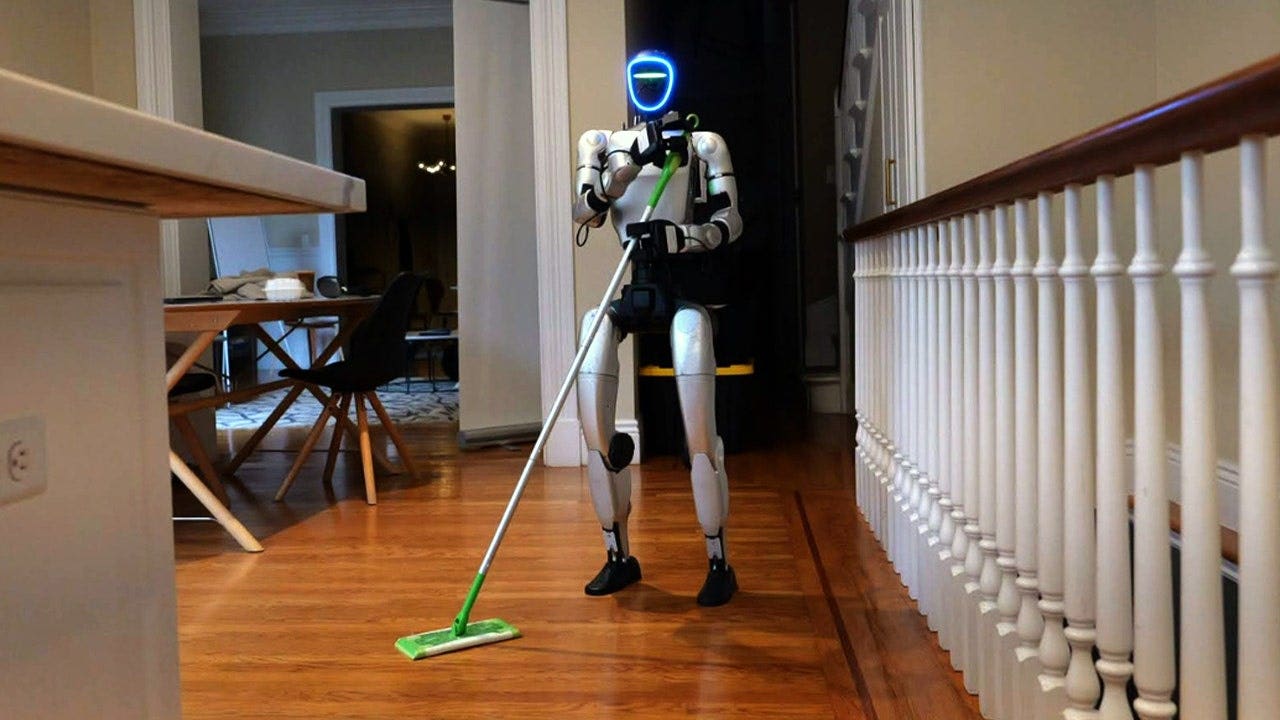
The robot cleaning service raises new questions about privacy, trust and accountability as humanoid robots enter private homes. (Gatsby / Kurt "Cyberguy" Knutsson)

Gatsby describes itself as an on-demand cleaning service in San Francisco that uses humanoid robots instead of human cleaners. You open the iOS app, pick a time and a robot shows up to clean your apartment.

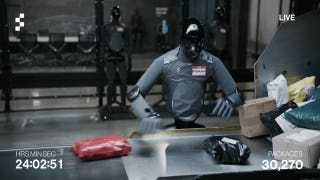
This is not a robot vacuum. Gatsby says it uses full-size humanoid robots that walk through the apartment and handle chores such as dishes, surfaces, floors, making the bed and folding laundry.

The price is also part of the hook. Gatsby says it charges a flat $150 per clean, regardless of apartment size. That means a studio and a penthouse cost the same, with no tips, hidden fees or surcharges, according to the company. Gatsby compares that with typical San Francisco apartment cleaning services, which it says often run from $150 to $300. Gatsby says the robot cleaned the customer's entire apartment on its own, with no human cleaner physically inside the home. The company also says a typical cleaning takes about 3 hours. One recent San Francisco cleaning ran from 8:42 a.m. to 11:47 a.m., with one robot and no human cleaner physically present.

Gatsby says no human cleaner is physically present during the clean. For anyone who has ever cleaned frantically before the cleaner arrives, that may sound appealing. However, that does not necessarily mean there is no human involvement at all. Gatsby says harder tasks can be handled through remote human teleoperation, while routine work is autonomous. So, while a person may not be standing in your apartment, the service may still involve remote human help.

That detail does not erase the milestone. But it does change how people should think about privacy, trust and what "autonomous" really means inside a home.

Cleaning makes sense as a starting point because almost everyone has some relationship with it. Some people hate it. Some people outsource it. Others squeeze it in late at night because the day got away from them.

Gatsby founder and CEO Aron Frishberg frames housework as more than an annoying chore. He sees it as a time problem that falls hardest on people who are already stretched thin.

"Housework is the largest unpaid job in human history, and it falls hardest on the people with the least time to give," Frishberg said. "Right now, somewhere, there's a parent scrubbing floors who would rather be with their kid. A worker mopping after a sixteen-hour shift. We've mapped every neuron and synapse in a fruit fly's brain, yet we still clean our homes the same way our ancestors did hundreds of years ago. We didn't build this to clean apartments, we built it to give that time back to humanity."

Many humanoid robot companies want to build and sell the machine itself. Gatsby is trying a different route. The company says it is building the consumer distribution layer for humanoid robotics. In other words, Gatsby wants to be the app and service layer that connects customers with whichever humanoid robot performs best.

That could be smart if the robotics market keeps changing quickly. A better robot may arrive six months from now. A cheaper one may show up after that. Gatsby wants the flexibility to swap in stronger hardware while keeping the same app, booking flow and service model. The company describes itself as robot-agnostic. That means Gatsby is not betting everything on one robot body. It wants to work with multiple robot makers as the technology improves.

5 WORRISOME PRIVACY CLAUSES HIDDEN IN SMART HOME DEVICES

Gatsby says it completed the first consumer home cleaning by a humanoid robot in the U.S. at a San Francisco apartment. (Gatsby / Kurt "Cyberguy" Knutsson)

Home cleaning is brutally hard for robots. Apartments are messy, unpredictable and full of awkward objects. A robot has to deal with chairs, cords, clutter, pets, tight corners and the occasional pile of laundry that nobody wants to discuss.

Gatsby says the robot can handle tasks that go well beyond vacuuming, including dishes, surfaces, floors, bed-making and laundry folding. That sounds impressive. It also raises the bar for reliability. A robot that handles one apartment is a milestone. A robot that can clean many different homes, day after day, without awkward failures is a much bigger challenge.

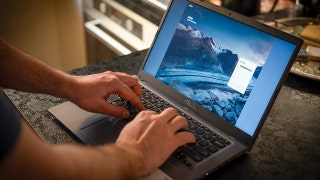
Letting any cleaner into your home requires trust. With robots, that trust gets more complicated. Gatsby markets the service as a way to avoid having a stranger physically inside your home. Still, remote assistance raises its own privacy questions. Customers should know what remote operators can see, how home data is handled and whether any video, audio or mapping information is stored.

That does not mean Gatsby is doing anything wrong. It simply means consumers should ask direct questions before letting any connected robot into a private space. Before booking any robotic home service, read the privacy policy, check what data the app collects and think about what parts of the home you are comfortable exposing to a connected device.

This may be the first question many people ask. A humanoid robot walking through an apartment sounds convenient until you picture it bumping into a lamp, knocking over a vase or dropping a dish.

Gatsby says customers are covered if the robot damages anything during a cleaning, with the company promising to replace items the robot breaks. That is a helpful promise, but customers should still review the fine print before booking.

Robots entering homes may need the same kind of trust-building that ride-sharing and food delivery needed years ago. People want convenience, but they also want accountability when something goes wrong.

If Gatsby can make this work reliably, the impact could stretch beyond spotless counters. A $150 robot cleaning visit could appeal to busy parents, older adults, people with mobility challenges and anyone who wants help without coordinating with a human cleaner. It could also put pressure on traditional cleaning services, especially in expensive cities where household help already costs a lot.

At the same time, this raises labor questions. Human cleaners already work in a tough market. If robot cleaning becomes cheaper and more convenient, workers could feel that shift first. The near-term reality may be less dramatic. Robots may handle basic tasks while humans continue to do deep cleaning, delicate work and jobs that require judgment. But Gatsby's first consumer cleaning shows that home robotics has moved from showroom fantasy into someone's actual apartment.

IS THIS ROBOT AFTER OUR HOSPITALITY, RETAIL AND HEALTHCARE JOBS?

Gatsby says its humanoid robots can handle chores such as cleaning dishes, floors, surfaces, bed-making and laundry folding. (Gatsby / Kurt "Cyberguy" Knutsson)

For now, Gatsby says the service is available only in San Francisco. The company has a waitlist for other cities. That limited rollout gives Gatsby a chance to test the service in real apartments before expanding. It also gives customers, competitors and privacy experts time to see how this model works outside a carefully controlled launch.

For now, this is mainly an early look at where home services may be headed. If you live in San Francisco, Gatsby may already be on your radar. If you live elsewhere, the bigger takeaway is that consumer robots are starting to arrive as services rather than expensive gadgets you have to own.

That could make robot help more accessible. It could also make it easier for companies to test new technology inside real homes. So, treat this as promising but early. Ask practical questions before you get excited. How does the robot enter and leave? What happens if it breaks something? Can a remote operator see inside your home? Does the company record video? Who handles problems if the cleaning falls short? Those answers will matter as much as the robot itself.

Your phone holds your email, passwords, photos, banking apps and personal data. In this free, live online class, Kurt the CyberGuy will walk you step by step through simple phone security fixes you can do in real time. You’ll learn how to improve your privacy settings, spot the latest phone scams, use trusted security tools and walk away with a simple checklist to stay protected. Register here: CyberGuyLive.com

Gatsby's first humanoid robot cleaning feels like one of those tech moments that sounds funny until you realize it may become normal. A robot showing up to scrub an apartment still feels strange. Then again, so did getting into a stranger's car through an app. The big question is whether Gatsby can turn a clever first cleaning into a service people actually trust. Price helps. Convenience helps. But homes are personal spaces, and consumers will need more than a shiny robot and a slick app. If Gatsby can deliver clean rooms, clear privacy rules and dependable service, it could change how people think about housework.

CLICK HERE TO DOWNLOAD THE FOX NEWS APP

Would you let a humanoid robot into your home to clean?  Let us know by writing to us at CyberGuy.com

Sign up for my FREE CyberGuy Report

Copyright 2026 CyberGuy.com.  All rights reserved.

Kurt "CyberGuy" Knutsson is an award-winning tech journalist who has a deep love of technology, gear and gadgets that make life better with his contributions for Fox News & FOX Business beginning mornings on "FOX & Friends." Got a tech question? Get Kurt’s free CyberGuy Newsletter, share your voice, a story idea or comment at CyberGuy.com.

Get a daily look at what’s developing in science and technology throughout the world.

Subscribed

You've successfully subscribed to this newsletter!