yahoo Press
Supreme Court Clears Path For Extremely Dangerous Practice — And Now More Young People Will Die
Images
1 / 10
2 / 10

3 / 10

4 / 10

5 / 10

6 / 10
7 / 10

8 / 10

9 / 10

10 / 10
In the spring of 2015, on a sunny California day, I sat chatting with my nephew, Isaiah.

“My therapist said faith can straighten what nature bent,” he leaned in and told me.

Also Read: I Hired A *** Worker To Celebrate My 70th Birthday — But That's Just The Beginning Of The Story

As a trauma therapist, I found his treatment in the therapy room deeply troubling.

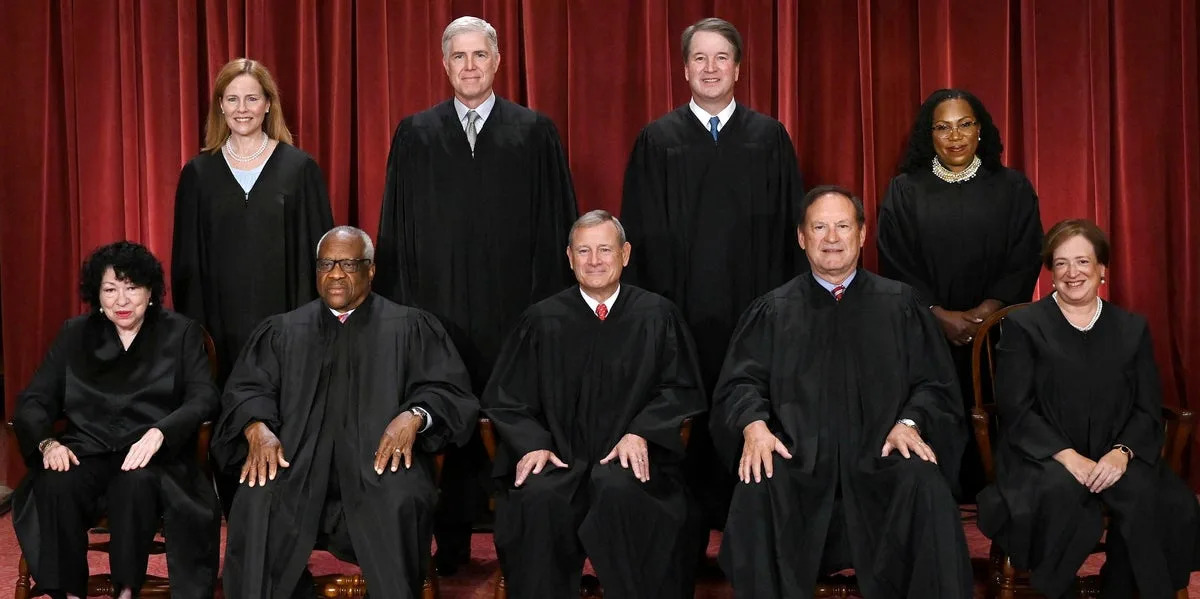
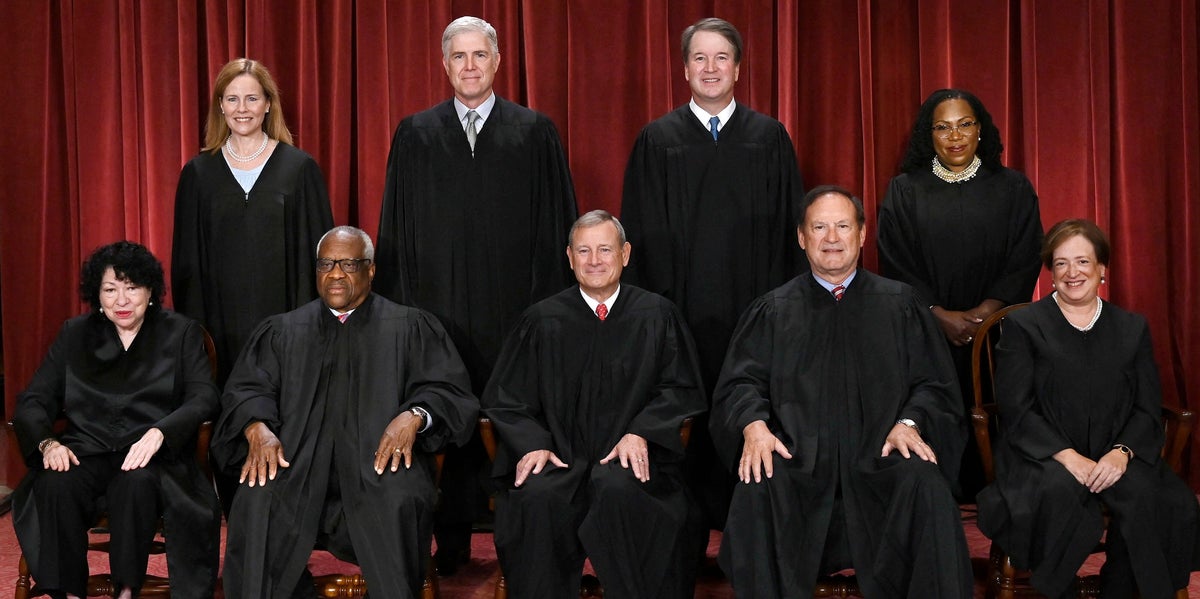
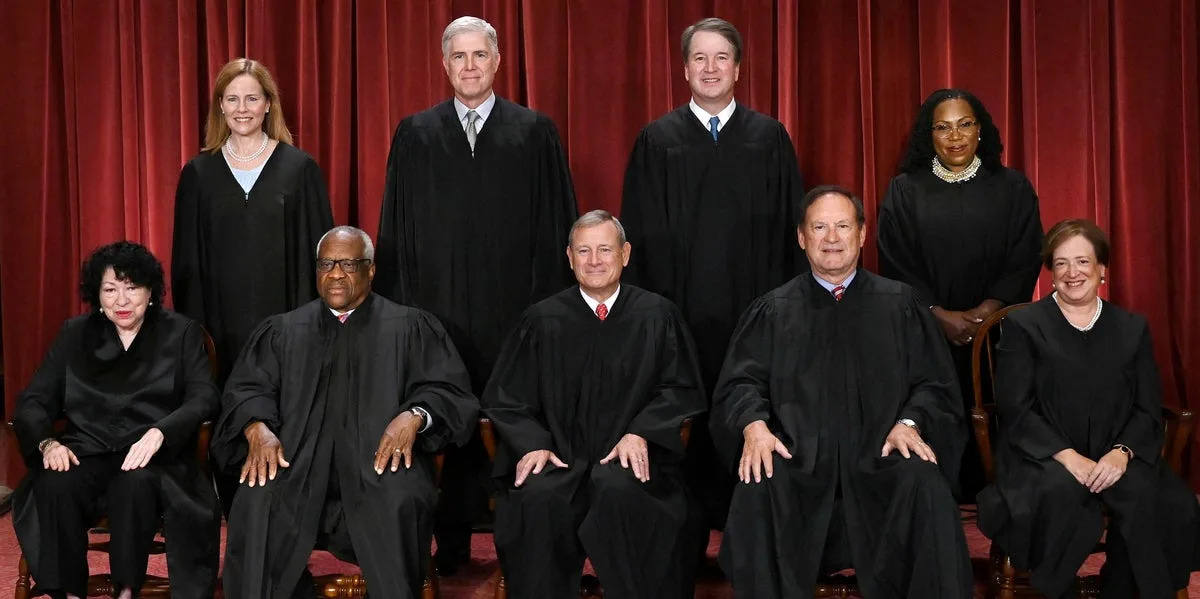
This week, the United States Supreme Court struck down a Colorado state law barring the practice of conversion therapy. In an 8–1 decision, the justices found that these bans violated the First Amendment. Justice Ketanji Brown Jackson dissented, reading, “it threatens to impair States’ ability to regulate the provision of medical care in any respect.” The treatment does medical harm — First Amendment rights are not the issue here.

As the Supreme Court delivers decisions that will irrevocably alter our democracy, independent journalism is more vital than ever. Your support helps HuffPost hold power to account and keep you informed at this critical moment. Stand with the free press. Become a member today.

Conversion therapy attempts to change a client’s ****** orientation, gender identity or gender expression. It tries to make LGBTQ+ individuals heterosexual or cisgender. It is a fraudulent practice that does not work, and what’s more, it is capable of doing profound — even deadly — harm.

Also Read: My Drinking Buddy Called To Tell Me She Was 6 Months Sober. What She Said Next Completely Changed My Life.

As a licensed marriage and family therapist, I have witnessed firsthand the deep damage this type of therapy inflicts, including clients who experience trauma, shame, depression and suicidality because of it. I had advised against it for my nephew and explained that this supposed “cure” for homosexuality is considered abusive and unacceptable in the professional community, as it threatens the lives of countless LGBTQ+ youth.

Major medical organizations, among them theAmerican Psychological Association, declared “****** orientation change efforts” harmful. The practice is rejected by every major medical and mental health organization because it has been proven to cause measurable psychological damage.

Experts agree that the approach is an extremely dangerous practice, and it was abandoned by the American Medical Association in 1994. A 2020 report by the Williams Institute found that “LGB people who have undergone conversion therapy [are] almost twice as likely to attempt suicide” as those who have not. This is on top of the already alarming rates of attempted suicide (12%) or suicidal ideation (39%) that LGBTQ+ youth said they experience.

My fears proved well-founded. The treatment scarred Isaiah, and when he recently came to me and shared what he had endured, he told me, “It was so scary. They didn’t allow parents. I had to go in there alone and sit in front of a man I didn’t know.” He added, “his questions came rapid fire and full of judgment. I don’t remember all the details.”

Also Read: A Letter Of Forgiveness To My Neighbor, Who Went On TV To Mock My Faith

I wasn’t surprised when he apologized for not remembering. Isolation and disassociation are common side effects of conversion therapy. When a child endures a distressing experience, the brain and nervous system respond by pulling away from the self. The body’s fight or flight system creates a numbing distance from thoughts and feelings as a way to survive the pain.

While he has experienced memory gaps, Isaiah does recall important sobering truths. He remembers the therapist sitting across from him and asking, “Do you have thoughts of a ****** nature toward men?” Isaiah was confused about how to answer. Should he tell the truth or lie? When he told the truth, his “homework” was punishing, and the shame spiral was intense. When he began to lie, the pressure let up and so did the homework. He quickly learned to lie.

“The therapist tried to ‘fix me’ and make me ‘normal,’” Isaiah explained. “For example, he said I was ‘sitting too girly’ — not ‘manly’ enough.” This created a core wound for him. Being told that the way you sit is defective may sound trivial to some people, but it strikes at something profound. It told him that his most natural, unguarded self is somehow inherently wrong — not what he did but simply how he exists in a moment of rest. That is a violation of a client who is in a vulnerable position. It goes against everything therapy strives to be.

As therapists, our training requires us to do no harm and the majority of therapists consider conversion therapy to be destructive — both psychologically and emotionally. Thebasis of conversion therapy is that homosexuality is a sin, and it’s the therapist’s job to convert the child and make them “normal.” It’s akin to telling a person they are fundamentally broken and need to be fixed, or that they have a disease when no disease exists.

Also Read: I Lost My Aunt To A Preventable Cancer. It Changed My Life — And It Could Save Yours.

Like many children forced to undergo this kind of “treatment,” when the interventions did not work, Isaiah internalized the failure.

“It made me feel bad about who I am,” he explained, admitting that the shame ruined his ability to have healthy relationships. Trust became a big issue. “It will always be something I’m working on.”

“It affected my identity,” he added. “I wanted to come out sooner, but I was scared. It stifled my growth. Their biggest tool is shame. I became ashamed of who I was.”

The choice to place Isaiah in conversion therapy came at a steep price. The words caught in his throat when he told me that suicide was a real consideration at that time.Dark thoughts crept in during quiet moments.

Politics: Supreme Court’s Conservatives Seem Ready To Allow Conversion Therapy For LGBTQ Kids

From the outset, the odds were stacked against Isaiah. In the small Christian community he called home, he was already feeling isolated and alone. Isaiah ended up in a deep depression as he repressed his sexuality and hid his young life from view. He experienced overwhelming feelings of worthlessness, guilt, and sadness at an age that’s already difficult for almost every young person.

“Conversion therapy tried to change me,” Isaiah told me. Indeed, my sweet, happy, talented nephew did change, but it was not in the way his church had hoped. Instead of becoming “straight,” he learned to lie and keep secrets. He realized the only way out of the treatment was to say, “I’m healed. I don’t have those thoughts anymore.” And that’s how he got out of it. He receded deeper into the closet, pretending to be the way they wanted him to be, and he didn’t come out until years later.

The following year, Isaiah found drama club and acting and starred in every play his performance troupe put on for the entirety of high school. He then went on to a renowned drama conservatory.

“College was a transformative moment for me,” he revealed. “I saw gay men living openly, and I think it clicked something in my brain and changed everything. This is what it feels like to be free of the shame that’s holding me back.”

As a result of that acceptance from the LGBTQ+ community, he found the courage to come out at 19, but the psychological damage he’d suffered didn’t fade.

“Truly, I don’t think I will ever be over it,” he said. “You know it’s always gonna be something where I’m working to be better — to deconstruct all that stuff.”

Despite the scars, Isaiah now lives in New York City, where he’s enjoying “his best gay life” running a high-end interior architecture gallery.

“People need to know that conversion therapy is not helpful for anyone,” he explained. “They need to be educated about how terrible it is.”

This ban was extremely important because it protected a vulnerable population from coercion disguised as treatment. Now, with the Supreme Court’s ruling, countless young LGBTQ+ kids could be at risk and some will choose to end their lives after experiencing the torture of conversion therapy. Their blood will be on the hands of these justices.

Looking back, I realize now my nephew was lucky to have survived such a traumatic experience. As both a therapist and a mother figure in his life, I’m grateful he’s still with us. When I asked Isaiah what he wanted people to understand about conversion therapy, he said, “It’s the most damaging thing you can do to a young person. You’re abusing them. It’s mental abuse.”

If you are in crisis, here are a few resources that could help:

The Trevor Projectis the leading suicide prevention and crisis intervention nonprofit organization for LGBTQ+ young people, providing information and support 24/7, 365 days a year.

988 Lifeline: Call, text, or chat with the 988 Lifeline for 24/7, free, and confidential support in a crisis.

911: If a youth is in immediate danger, call 911 and inform the operator that it is a mental health emergency. You can request aCrisis Intervention Trained (CIT) officer in your state.

Melissa Garner Lee is a novelist and marriage and family therapist whose writing and clinical work explore trauma healing. Her debut novel “The Gleaner” examines women’s rights through the lens of 1960′s California. Her therapy practice specializes in women’s trauma recovery, while her essays examine contemporary issues through the lens of mindfulness and psychological resilience.

Do you have a compelling personal story you’d like to see published on HuffPost? Find out what we’re looking for here and send us a pitch at pitch@huffpost.com.

Like this article? Keep independent journalism alive. Support HuffPost.

In A Time Of Constant Political Attacks, What I’m About To Share Is Risky — But I Can’t Stay Silent.

Supreme Court Prepares To Decide If Therapists Can Practice Conversion Therapy

This Supreme Court Decision Might End Up Displacing Families For Good

Read the original on HuffPost