yahoo Press
Trouble at MARA? 15% Mining Giant Forced To Cut Staff, Dump BTC amid $1.3B Loss
Images
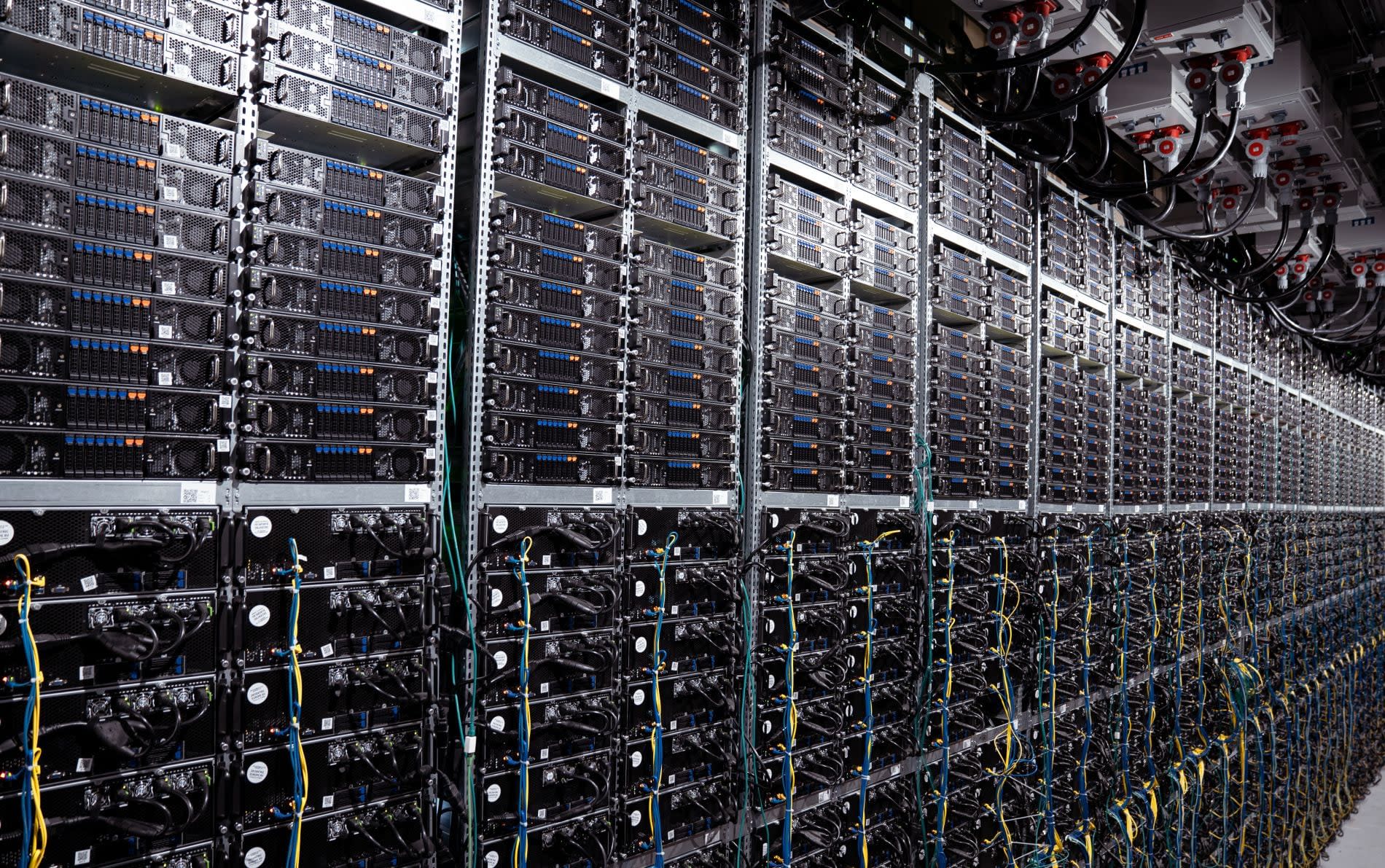
1 / 4
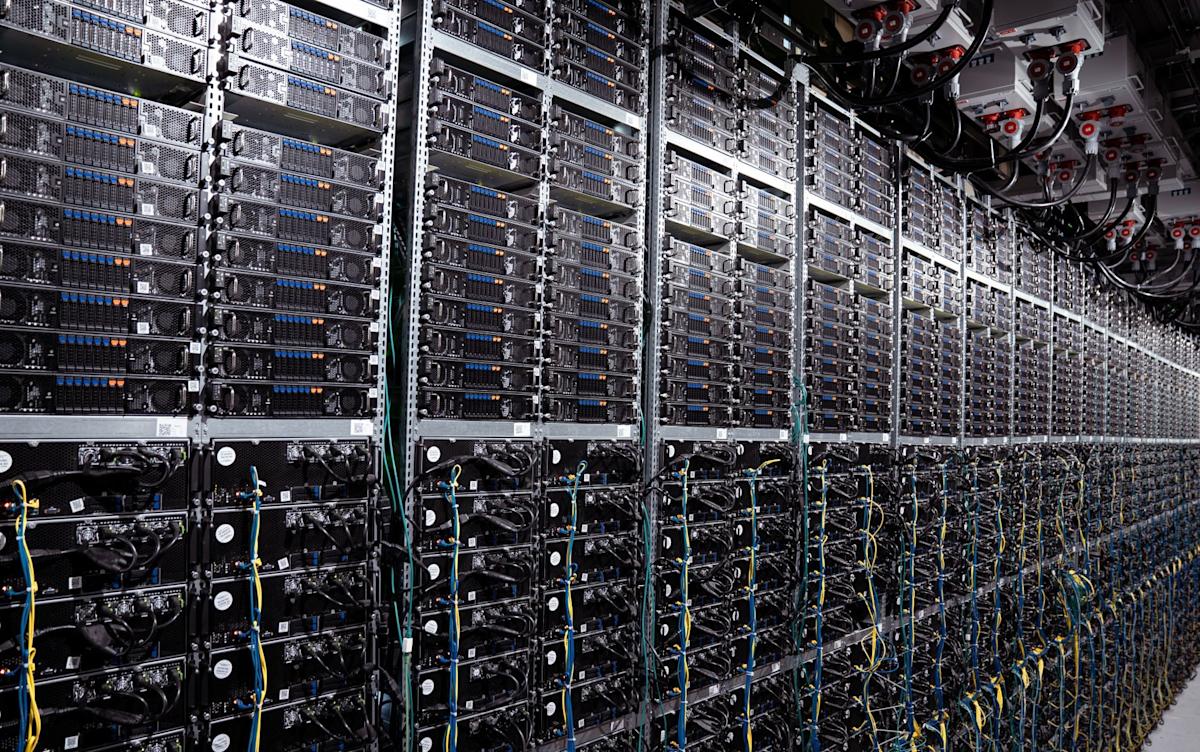
2 / 4

3 / 4

4 / 4
Key Takeaways

MARA is restructuring by cutting ~15% of its workforce and selling over 15,000 BTC to strengthen its balance sheet.

The company is moving away from a pure Bitcoin-holding (“HODL”) strategy.

Across the sector, miners are increasingly pivoting toward AI and high-performance computing (HPC).

In a sign of mounting pressure on the cryptocurrency mining sector, MARA Holdings (formerly Marathon Digital Holdings) has announced significant workforce reductions as it navigates a challenging financial landscape and accelerates its strategic transformation.

The company, one of the largest publicly traded Bitcoin miners in the U.S., confirmed in early April 2026 that it was laying off approximately 15% of its workforce across multiple departments.

MARA Holdings detailed the staff cuts in an internal memo circulated around April 2, 2026, describing them as part of a strategic shift to support long-term growth.

The reductions are being implemented in phases across departments.

Affected employees will receive severance packages that include one month of paid leave through April 30, 13 weeks of pay, and accrued PTO.

The layoffs follow the company’s Bitcoin sales in March 2026.

Between March 4 and March 25, MARA offloaded 15,133 BTC for approximately $1.1 billion.

The proceeds were primarily used to repurchase about $1 billion of its 0% convertible senior notes due in 2030 and 2031, reducing outstanding debt.

This debt reduction strengthens the balance sheet but marks a notable departure from the company’s long-standing “HODL” strategy of holding mined Bitcoin.

Financial results for 2025 put a lot of pressure on the mining giant.

MARA reported a net loss of approximately $1.3 billion for the year.

Q4 2025 alone contributed a $1.71 billion loss, largely because of non-cash fair-value impairments on its digital asset holdings.

Revenue for Q4 2025 fell to $202.3 million, down about 6% year-over-year despite higher hashrate.

By the end of 2025, MARA held around 53,822 BTC, but the March sales slashed its treasury holdings by approximately 28%.

Analysts view the staff cuts and BTC sales as pragmatic steps to reduce overhead and debt while freeing capital for new initiatives.

“Our decision to sell a portion of our bitcoin holdings reflects a strategic capital allocation move designed to strengthen our balance sheet and position the company for long-term growth,” the company stated in its March 27 press release announcing the debt repurchase.

MARA is far from alone.

Across the Bitcoin mining industry, companies are grappling with razor-thin or negative margins following the 2024 Bitcoin halving, which cut block rewards to 3.125 BTC.

Rising energy costs, increased network difficulty, and Bitcoin price volatility have made traditional mining increasingly unsustainable, with some operators reportedly losing thousands of dollars per coin produced.

As a result, publicly traded miners are increasingly selling BTC treasuries to fund transitions into AI and high-performance computing (HPC), while securing multi-billion-dollar contracts with hyperscalers for more stable, long-term revenue.

Estimates suggest that listed miners could derive up to 70% of their revenue from AI-related operations by the end of 2026, up sharply from current levels.

Here are some of the mining giants making the shift:

Core Scientific: secured a $10.2 billion, 12-year AI infrastructure expansion with CoreWeave.

Riot Platforms: evaluating 600 MW for AI/HPC at its Corsicana site and facing investor pressure to accelerate the shift; also signed an AMD lease for initial hosting.

Hut 8: signed a $7 billion, 15-year AI infrastructure lease at its River Bend campus, with potential expansion to over 1,000 MW.

IREN Ltd., TeraWulf (WULF), and Cipher Digital (CIFR): advancing aggressive HPC pivots. Cipher is rebranding away from pure mining, while TeraWulf reports $12.8 billion in contracted HPC revenue. Bitfarms has even signaled it is “no longer a Bitcoin company,” focusing entirely on AI.

This sector-wide transition highlights a fundamental shift.

Bitcoin mining’s flexible power infrastructure is being repurposed for the AI boom, where hyperscalers are willing to pay premium.

As MARA streamlines operations and invests in AI-ready capacity, its story reflects the broader evolution of the digital asset industry.

While challenges remain, the pivot toward energy infrastructure and high-value compute could redefine profitability for miners in the years ahead.

Top Trending Crypto Articles

Check Out Our Recommended Exchanges Here

How To Buy Crypto with a Credit Card Now

See Our Picks for the Best Crypto Gambling Sites

The post Trouble at MARA? 15% Mining Giant Forced To Cut Staff, Dump BTC amid $1.3B Loss appeared first on ccn.com.