Press
UK says Iran holding world economy 'hostage' with Hormuz attacks
Images
1 / 8

2 / 8
3 / 8
4 / 8
5 / 8
6 / 8
7 / 8
8 / 8
Iran has been able to "hijack an international shipping route to hold the global economy hostage", UK Foreign Secretary Yvette Cooper told a summit convened to address attacks in the Strait of Hormuz.

Representatives from more than 40 countries attended the virtual talks on Thursday, which were billed as the beginning of efforts to assemble a coalition capable of ensuring security in the Gulf shipping channel.

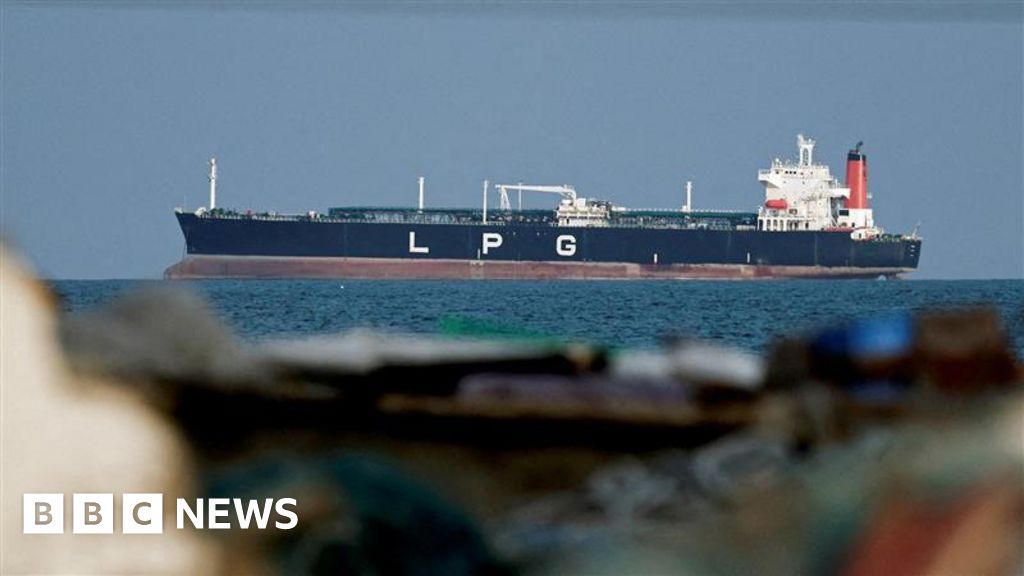
Iran has attacked several vessels in the Strait in response to the war waged against it by the US and Israel, disrupting energy exports and sending global fuel prices soaring.

The summit would focus on diplomatic measures as opposed to military options, Cooper said at the beginning of the talks.

The foreign secretary said: "We have seen Iran hijack an international shipping route to hold the global economy hostage.

"This is hitting the trading routes for Kuwait, Bahrain, Qatar, the UAE, Saudi, Oman, Iraq, but that means liquid natural gas for Asia, fertiliser for Africa, and jet fuel for the world.

"That Iranian recklessness towards countries who were never involved in this conflict, which we and 130 countries across the world have strongly condemned at the United Nations, is not just hitting mortgage rates and petrol prices and the cost of living here in the UK and in many different countries across the world, it is hitting our global economic security."

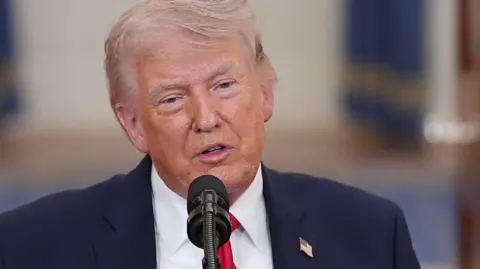
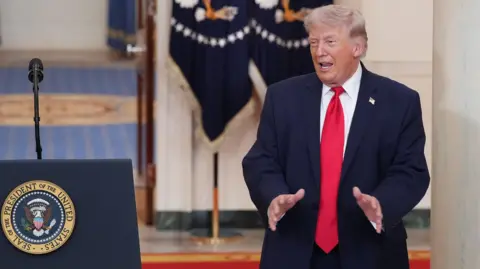
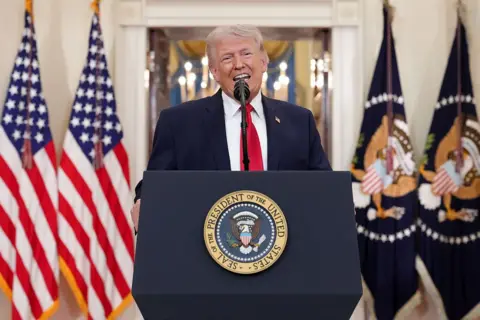
On Wednesday, US President Donald Trump said it was for other nations to "build up some delayed courage" and reopen the route.

Trump said allies "should have done it" earlier, adding: "Go to the Strait and just take it. Protect it. Use it for yourselves."

Washington has repeatedly accused allies of not doing enough to secure the shipping route or to support its war effort, leaving the UK and other nations weighing how to contribute to securing the strait without becoming involved in the wider war.

Downing Street has not released a full list of attendees but the US was not expected to send a representative to Thursday's talks.

Countries which signed a joint statement in mid-March calling on Iranian forces to halt attacks against commercial ships were expected to take part, including some Gulf nations, as well as France, Germany, Japan, Australia and others.

The statement says: "We express our readiness to contribute to appropriate efforts to ensure safe passage through the Strait.

"We welcome the commitment of nations who are engaging in preparatory planning."

The talks come a day after Prime Minister Sir Keir Starmer said the UK was "exploring each and every diplomatic avenue that is available" to reopen the route.

He also said British military planners would consider what could be done in the future to "make the Strait accessible and safe after the fighting has stopped".

At the same time, governments around the world are weighing how to respond to cost-of-living pressures triggered by rising energy prices.

About a fifth of the world's oil and gas passes through the Strait of Hormuz.

The price of a barrel of Brent crude, the global benchmark for oil prices, has jumped from $73 (£55) to well over $100 in recent weeks.

The US president's first televised address of the conflict with Iran did little to quell uneasy markets.

There were some glaring omissions in the president's primetime address, writes the BBC's Gary O'Donoghue.

The president also called on countries reliant on the Strait of Hormuz to 'build up the courage' to secure it.

Delhi is abuzz as Pakistan plays Iran go-between. Is India being sidelined in a shifting US-Iran equation?

The war with Iran has not yet resolved any of Israel's regional conflicts in the way its prime minister suggested it would.