yahoo Press
Woman found out she had terminal brain cancer after suitcase fell on her head
Images
1 / 17

2 / 17

3 / 17

4 / 17

5 / 17

6 / 17
7 / 17

8 / 17

9 / 17
10 / 17
11 / 17

12 / 17
13 / 17

14 / 17

15 / 17

16 / 17

17 / 17
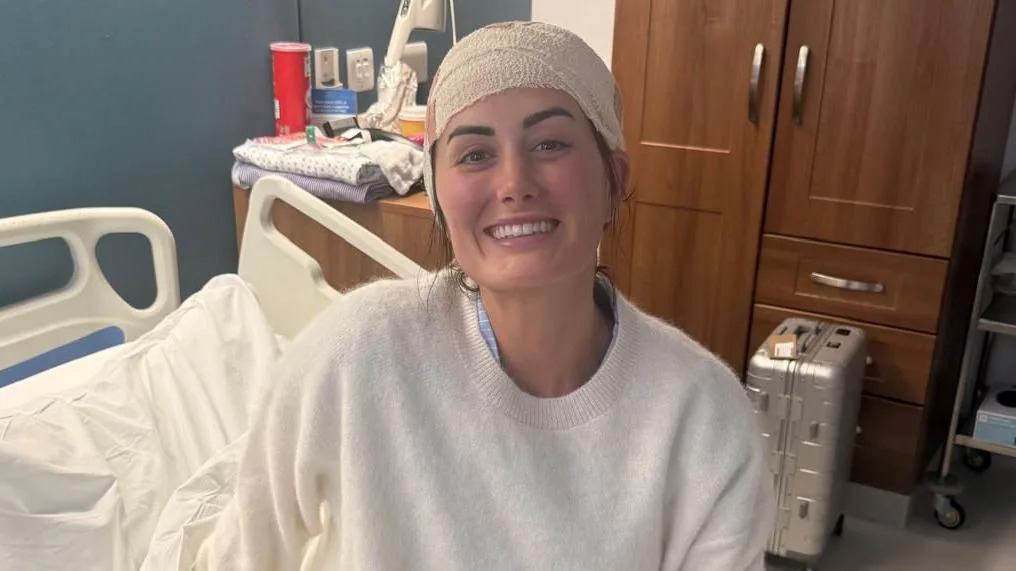
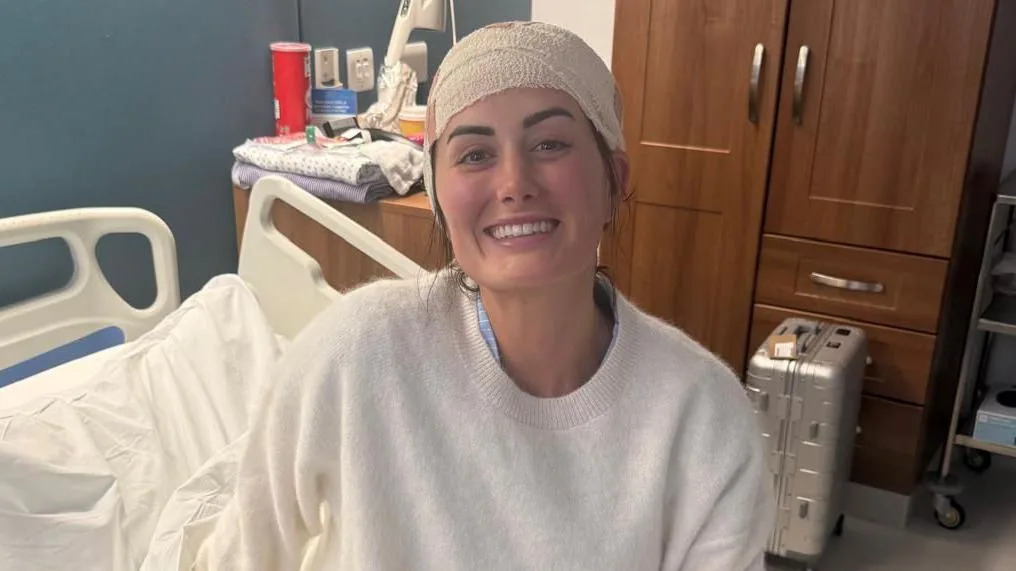
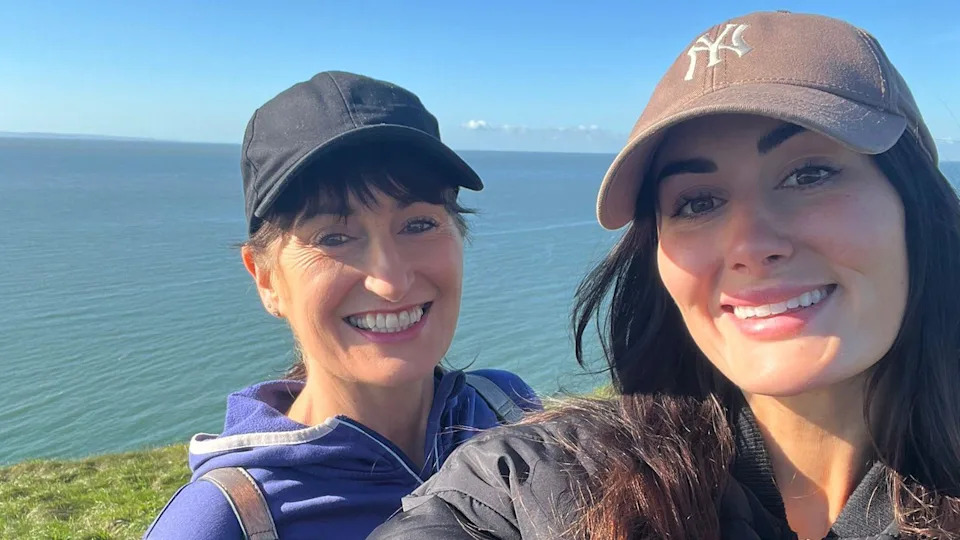
Lauren Macpherson had just spent the August bank holiday at a music festival in London when a freak accident on the train home ended with her discovering she might only have a decade to live.

The trip had meant to be the "first of many" celebrations for the 29-year-old as she had just passed her exams for a promotion at work and bought her first home with boyfriend Zak.

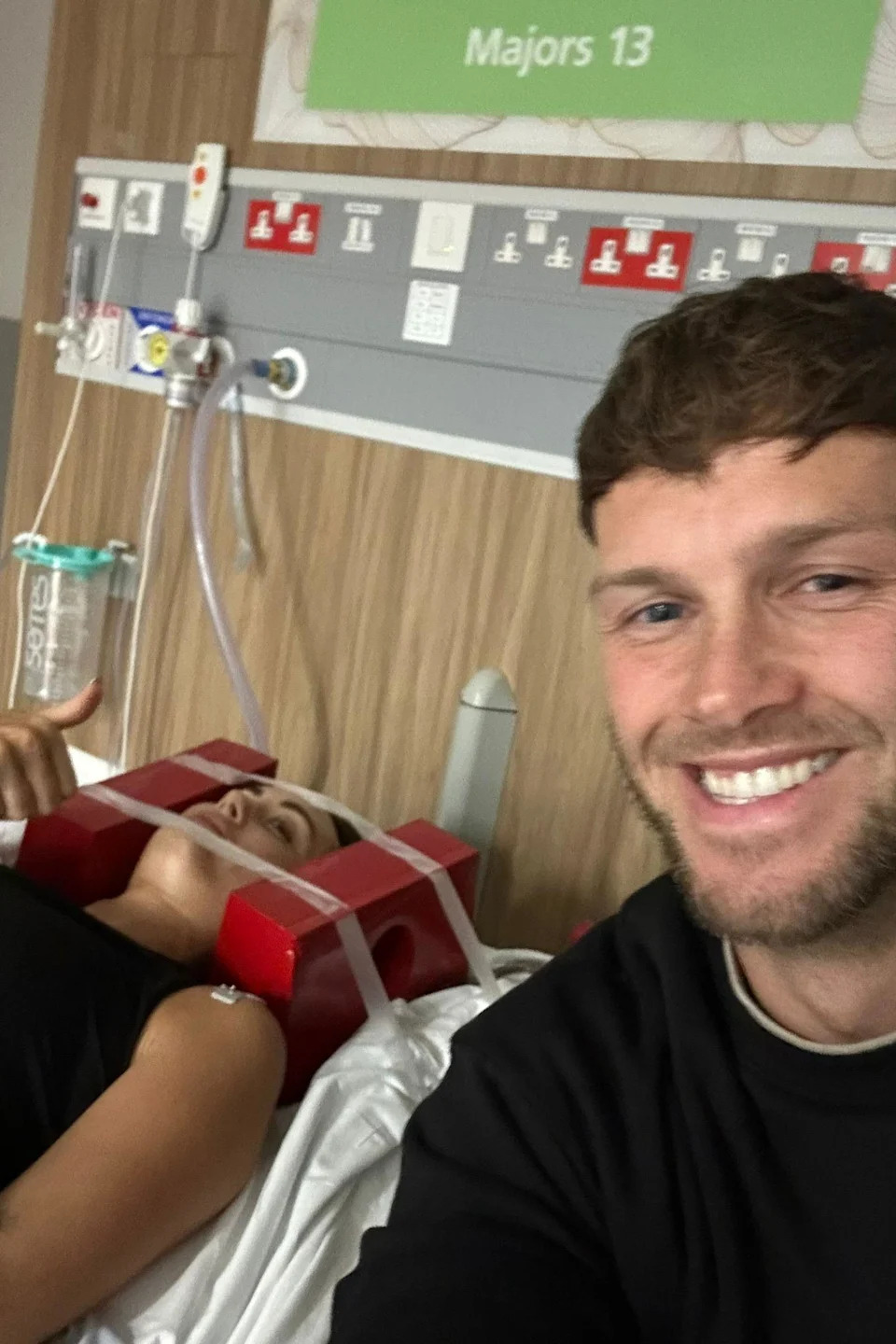
But when a 35lb (16kg) suitcase fell from the overhead storage on to her head on the way home to Cardiff, it ultimately led to her finding out she had been living with terminal brain cancer.

After being taken off the train to hospital for a CT scan to check she had not fractured her spine, doctors spotted a shadow on her brain.

"It's like the floor just drops from beneath you, you don't know what to do, it's horrible," said Lauren, who has been told she can expect to live for about 10-12 years.

The impact of the suitcase caused a lot of swelling, so Lauren was taken off the train at Swindon for the initial scan, before an MRI in Cardiff two days later when she was told it appeared to be a brain tumour.

Lauren had been struggling with symptoms of emotional dysregulation and extreme fatigue in the year before the accident, but said it was put down to her hormones or then-undiagnosed ADHD.

She said she went to her GP three times for various tests, as she was also experiencing gut issues, as well as blackouts.

The fatigue was so bad Lauren moved from full time to part time work as a cardiographer so she could manage her studies for her master's degree.

When doctors told her about the shadow on the CT scan, Lauren said she "knew straight away".

"There is an instinct inside you and when you have been feeling unwell, it just all made sense," she added.

"It's almost like a relief, you think you're going crazy, all these things going wrong. To be honest I was quite naive... I was worried but at this point I wasn't scared.

"I didn't think at this point, it's incurable, I just thought 'they've found it, they can get rid of it'."

The next appointment with her consultant was a month later, when the severity of her diagnosis became clear.

Doctors suspected she had glioblastoma, a fast-growing brain tumour, and she could have just two years to live if it was aggressive.

"We just had our flat whites, we thought we would be an hour there and go on with our day," Lauren laughed.

"We did not expect it at all. Then it kind of hit me and that's when you're like, 'oh my God, you could be looking at two years'."

Lauren was told she would need an operation to remove the tumour, but the wait on the NHS would take four months.

Not wanting to wait, she contacted a private clinic under Zak's healthcare cover, which cut it to three weeks.

Cardiff and Vale University Health Board has been approached for a comment.

"You feel like there is this disease inside of you and you just want to get it out," she said.

"Even in the consultation, I didn't cry. I didn't not cry because I'm brave, strong and hard... it's not that.

"But for me, it's almost like you have a survival instinct that kicks in... I wasn't happy, I wasn't sad, I wasn't hopeful."

For Zak and Lauren's family, the news devastated them.

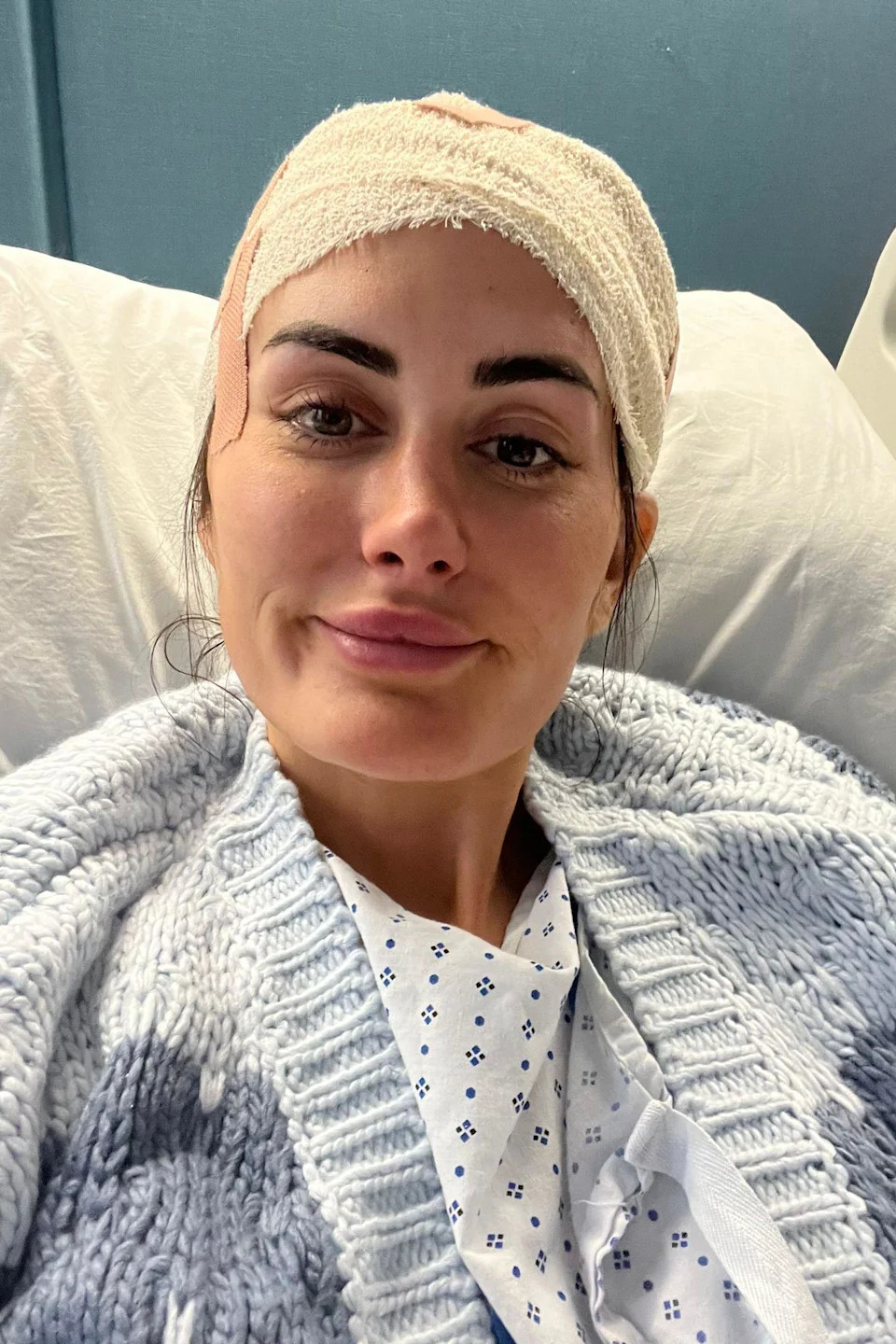
Lauren had brain surgery at the end of October, which successfully removed about 80% of the tumour.

A biopsy then confirmed she had a grade two oligodendroglioma, a rare, fast-growing incurable brain tumour, but it was in the earlier stages.

"It's almost like somebody had given me a new brain, it was really strange, nothing made sense, I didn't feel like me," said Lauren.

With the tumour in the speech cortex of her brain, Lauren was unable to speak for weeks after surgery and lost a lot of her cognitive function.

Her recovery took time and she had days where she would have sickness and vertigo.

"I underestimated how difficult the first month would be, I just wanted to start feeling OK."

Wanting to speak to others going through the same experience, Lauren started an Instagram page to raise awareness and document her journey.

"You just want to talk to people and see how everyone else is doing and how other people feel," she said.

It was through those connections she discovered vorasidenib, a less aggressive treatment used for patients not in need of immediate chemotherapy or radiotherapy following surgery.

The treatment has been approved by the Scottish Medicines Consortium guidelines for use in NHS Scotland, but this is not the case in Wales, England and Northern Ireland, something Lauren is campaigning to change.

The Welsh government said it relied on NICE's independent advice to ensure the cost of treatments made routinely available to patients in Wales were "in balance with their benefits".

"While trial evidence shows it can slow cancer progression, there is no clear evidence it helps people live longer," a statement said.

It added NICE had provisionally recommended vorasidenib should not be available on the NHS, but final guidance was expected to be published later this year.

Lauren needs scans every three months to monitor her tumour and is in the process of going through fertility treatment before starting her treatment of vorasidenib, which she is getting through a private provider.

"Medicine is excelling at a rate it has never done before, AI is taking over as we know, so I'm really hopeful on that front."

Lauren remains hopeful for her future, but admits to having "these moments with your family where you break down and you can't breathe".

"The whole thing has been hard for me... but for family, it's almost been harder for them," she added.

"I think everyone always says 'I wish it was me not you' but I could really see it with them, constantly the pain in their eyes, because they wanted it to be them not me.

"It was really, really, hard, I wouldn't wish that on anyone, having to deal with that."

Brain tumours are the leading cause of cancer death in people under 40 in Wales, according to Brain Tumour Research, and the charity said the disease had received just 1% of UK cancer research spending since 2002.

My identity was stolen and someone is using it to catfish men - it's terrifying

'I imagine they had a healthy sex life early on' - Jones and Grant in Austen-inspired drama

Wuthering Heights uni module given content warning for students

Get our flagship newsletter with all the headlines you need to start the day. Sign up here.