yahoo Press
Scientists Analyzed 41,000-Year-Old Neanderthal Bones—And Reached a Horrifying Conclusion
Images
1 / 10
2 / 10

3 / 10

4 / 10

5 / 10

6 / 10
7 / 10

8 / 10

9 / 10

10 / 10
"Hearst Magazines and Yahoo may earn commission or revenue on some items through these links."

Here’s what you’ll learn when you read this story:

Signs of de-fleshing on the bones of Neanderthals found in a Belgian cave suggest that one group cannibalized another.

Women or juveniles were eaten, and they may have been targeted because they were smaller or weaker.

Researchers have labeled this a case of exocannibalism, where one social group cannibalizes individuals from a different social group, possibly because of conflict.

Some things are so unspeakable that they're considered taboo in nearly every human culture, even in the context of ancient history. Cannibalism is one such taboo. But Neanderthals who were trying to survive in the caverns of Pleistocene Europe about 45,000 years ago apparently didn't share the squeamishness we Homo sapiens feel at the idea of eating our fellow humans.

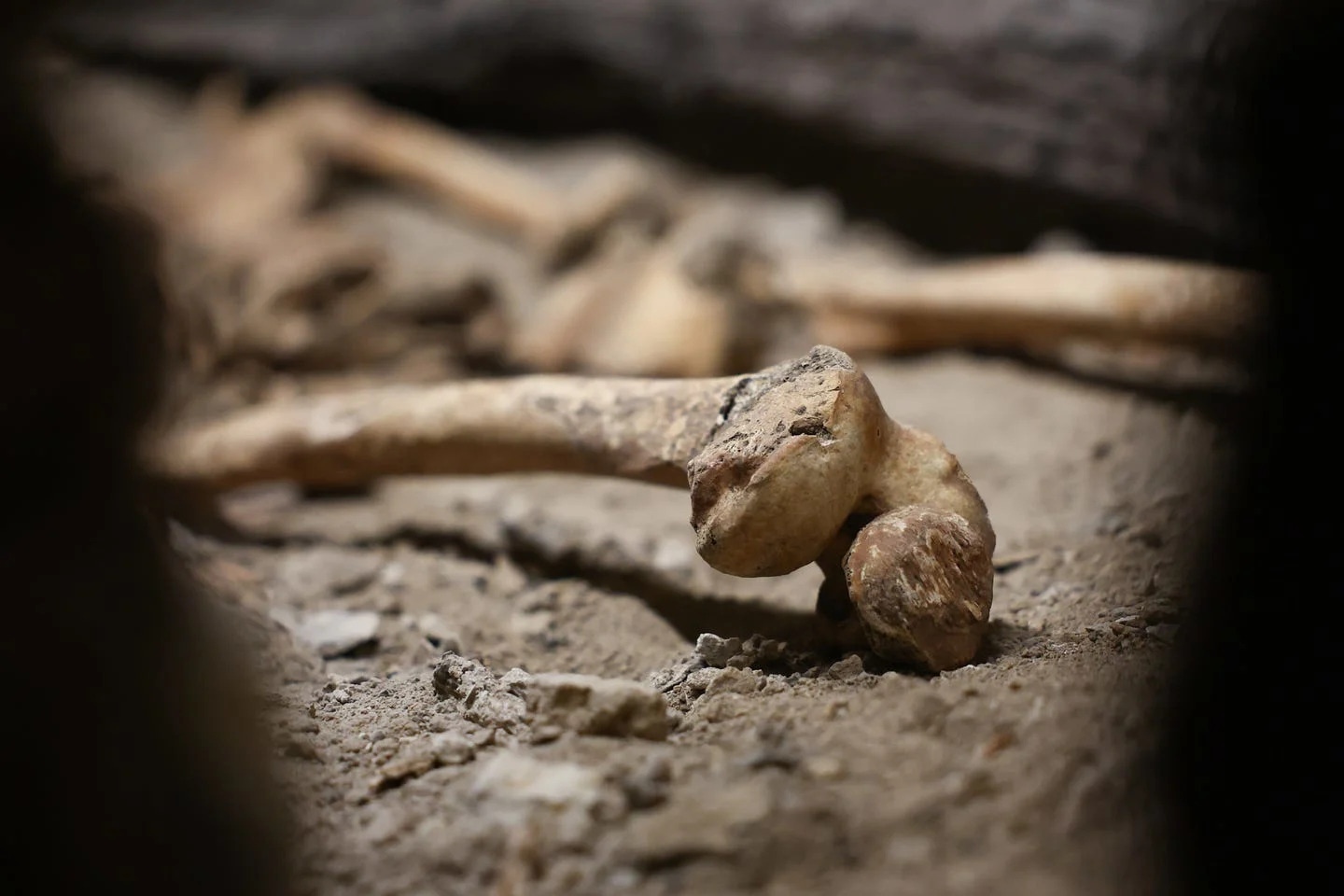
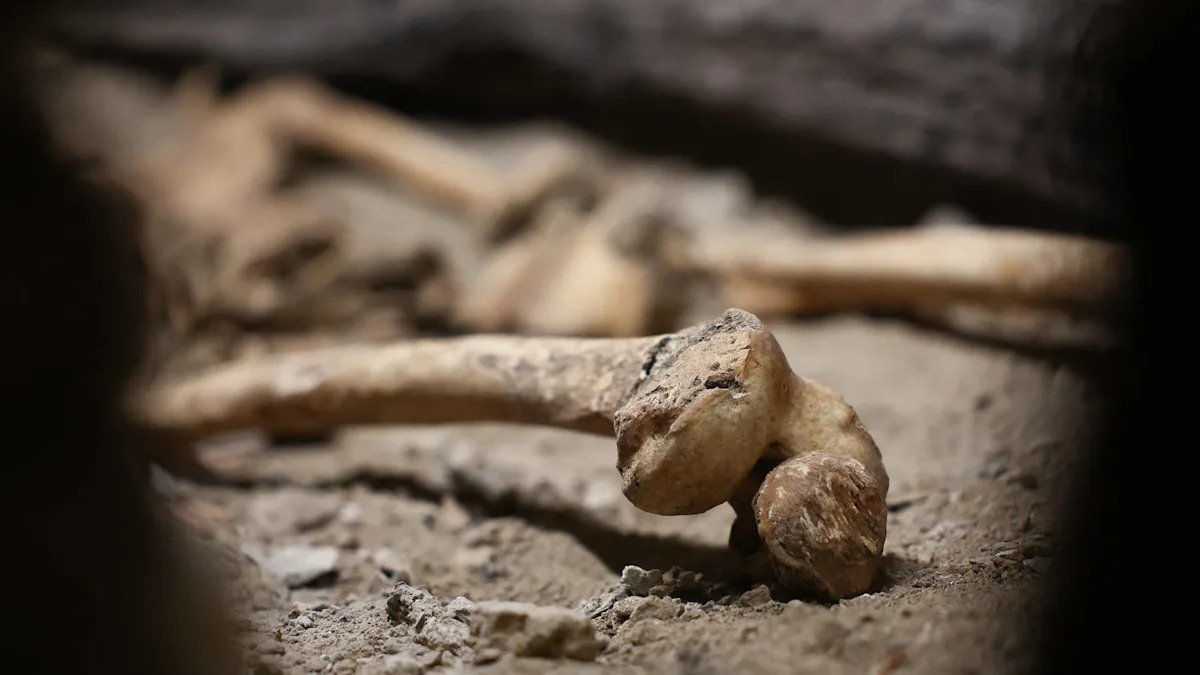
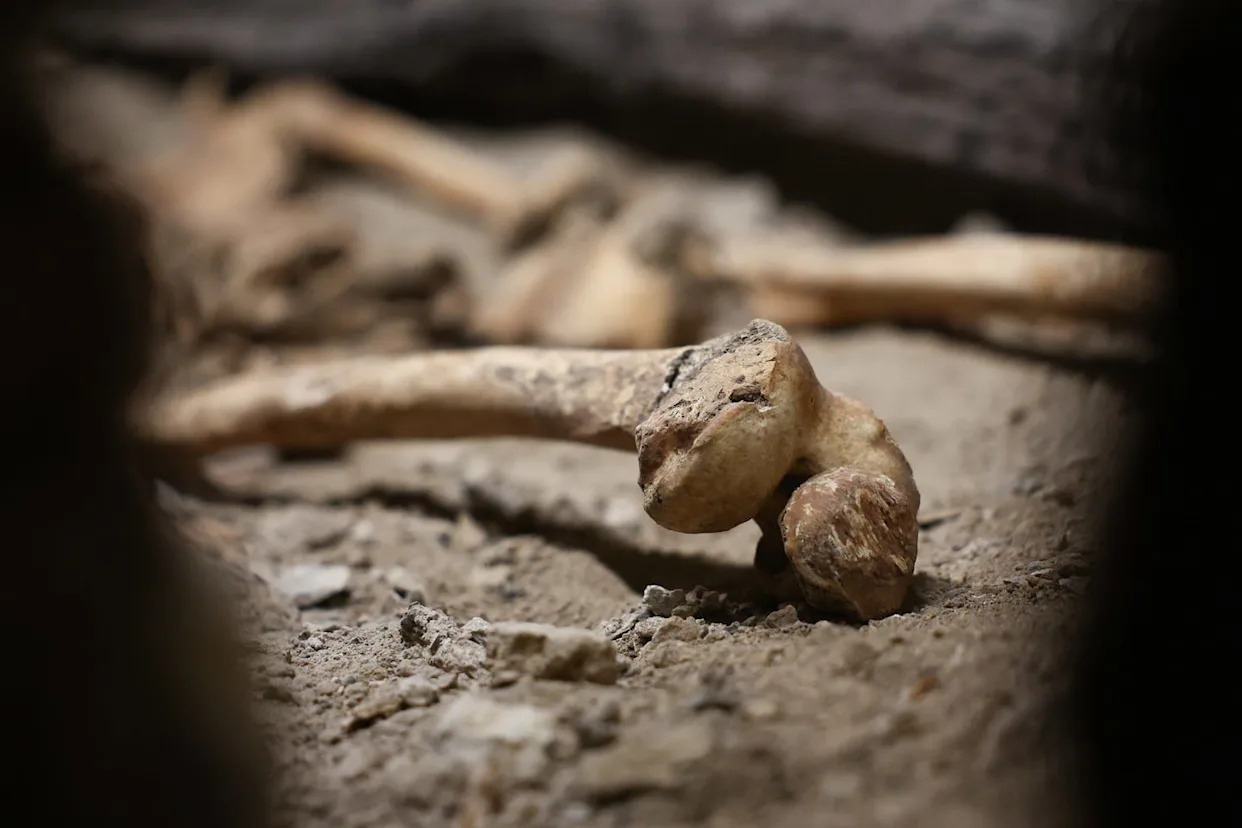
While Neanderthal bones have surfaced in many caves across the European continent, something disturbing surfaced from the Troisième cavern in what is now Goyet, Belgium, a well-known Paleolithic archaeological site. Initially, because many of these newly discovered skeletal remains were so fragmented it was difficult to infer anything about the behavior of Neanderthal populations from them.

But recently, an international team of researchers carried out a closer analysis of the bones and found marks that could only mean they were processed much in the same way as the bones of local fauna hunted by Neanderthals. The conclusion was inescapable: these individuals were cannibalized.

“Neanderthal cannibalism appears to encompass a broad range of motivations,” the researchers said in a study published in Scientific Reports. “However, despite its apparent recurrence and timeframe, interpreting [it] remains particularly challenging, especially given the fragmentary condition of most skeletal assemblages and the difficulties in assessing the cultural contexts in which these practices occurred.”

Perhaps the most disturbing part of this discovery was that the bones showing signs of cannibalism belonged to young females or juveniles. This overrepresentation suggests that they were targeted for their otherness, with the most vulnerable individuals being taken captive and eaten, though the exact circumstances are still unknown. Levels of sulfur isotopes show that the victims were not local. The bones of four cannibalized individuals were found to be female according to genetic and femur analysis. Their bones were more fragile than male Neanderthal bones, and their length was consistent with short stature. The time period they were dated to, about 41,000 to 45,000 years ago, is particularly significant because it witnessed a peak of cultural diversity among Neanderthals even as they were biologically declining due to the rise of Homo sapiens.

By interpreting visible marks on the bones and examining them under a microscope, the researchers determined that they were covered in butchery marks, such as cut marks from a blade or other sharp tool, and fractures made while the bones were still fresh. There's no doubt that these marks were made by humans, possibly as a last resort during a time when they would have otherwise starved.

It's possible that lack of resources or some other trigger caused tension between Neanderthal groups that escalated into conflict, leading to the deaths of individuals who were then cannibalized for survival. Alternatively, this could have been an instance of exocannibalism that targeted vulnerable members of a foreign population.

Exocannibalism is the consumption of human flesh from those who do not belong to the same social group. While ancient endocannibalism, or the consumption of those in the same social group, has been linked to funerary rituals, the reasons behind the exocannibalism bones in the Goyet assemblage may be more sinister. Previous archaeological finds showing the scars of exocannibalism were interpreted as signs of violence between groups, with some bones repurposed as trophies or objects bearing a symbolic significance. Peoples throughout history have kept or worn trophies as proof of conquering their enemies. Ancient Egyptian warriors kept the shriveled hands of fallen enemies. The ancient Scythians repurposed the skulls of their rivals into bowls, from which they drank enemy blood.

“In this context, we can hypothesize that the Neanderthal individuals from Goyet that were anthropogenically processed not only indicate exocannibalistic practices,” said the researchers, “but they also testify to a targeted predatory behaviour toward gracile, short-statured female individuals, and possibly immature individuals along them.”

You Might Also Like

The Do’s and Don’ts of Using Painter’s Tape

The Best Portable BBQ Grills for Cooking Anywhere

Can a Smart Watch Prolong Your Life?