huffpost Press
Quentin Tarantino Goes Nuclear On ‘Pulp Fiction’ Actor For Questioning His Use Of The N-Word In Movies
Images
1 / 9

2 / 9
3 / 9
4 / 9
5 / 9
6 / 9
7 / 9

8 / 9

9 / 9
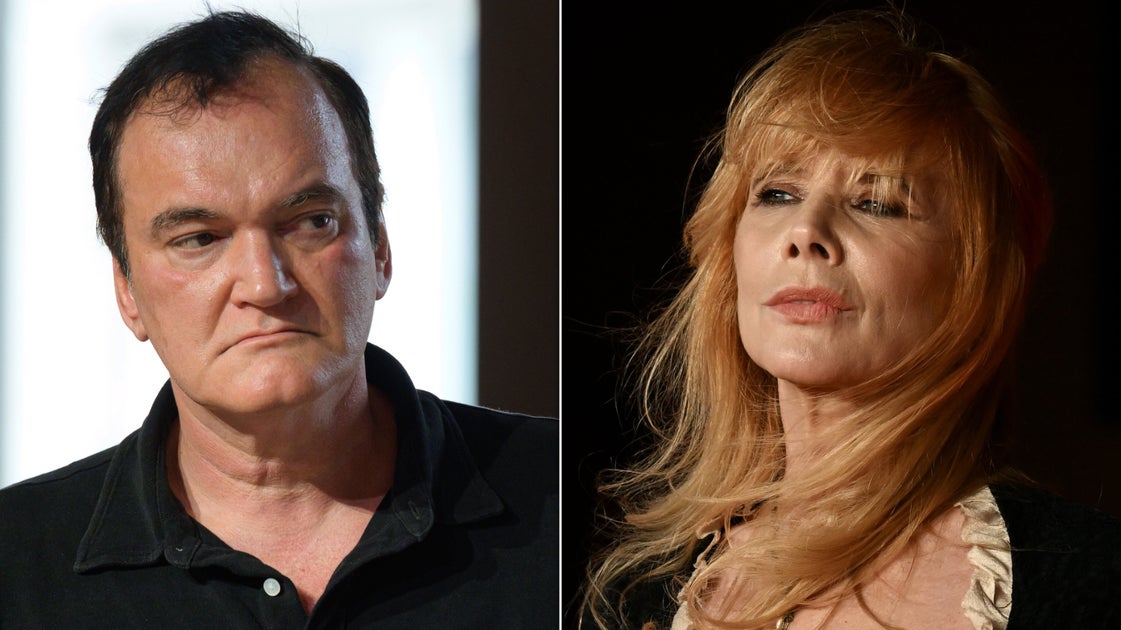
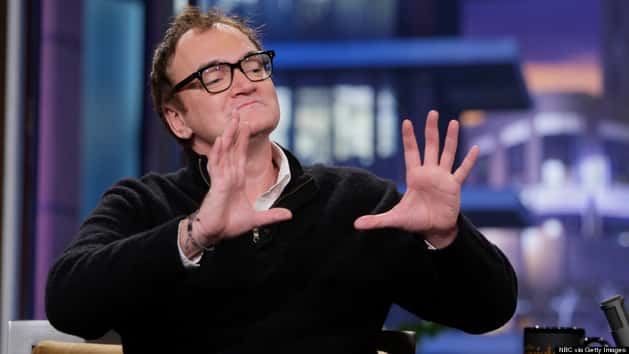
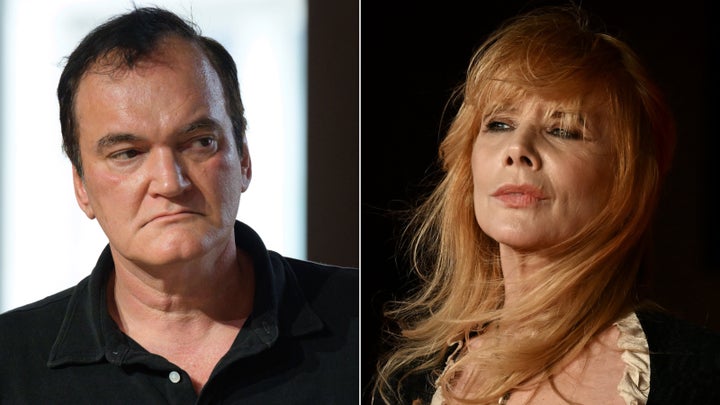
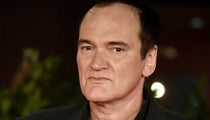
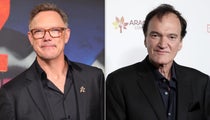
Quentin Tarantino went off on Rosanna Arquette after she recently criticized his use of the N-word in his filmography.

The filmmaker accused the “Pulp Fiction” actor of “trashing” his 1994 film, in which she played the girlfriend of drug dealer Lance (Eric Stoltz), for “very cynical reasons.”

“I hope the publicity you’re getting from 132 different media outlets writing your name and printing your picture was worth disrespecting me and a film I remember quite clearly you were thrilled to be a part of?” the director wrote in a heated statement obtained by multiple outlets.

“Do you feel this way now? Very possibly. But after I gave you a job, and you took the money, to trash it for what I suspect is very cynical reasons, shows a decided lack of class, no less honor,” he continued.

Claiming “there is supposed to be an esprit de corps between artistic colleagues,” he added, “but it would appear the objective was accomplished. Congratulations.”

Tarantino’s response came after Arquette discussed her brief role in “Pulp Fiction” in an interview with The Sunday Times (UK) over the weekend.

During the conversation, the 66-year-old actor decried that Tarantino, 62, has been given a “hall pass” to use the racial slur in movies like “Django Unchained,” “The Hateful Eight,” “Jackie Brown” and “Pulp Fiction.”

“Personally I am over the use of the N-word — I hate it. I cannot stand that he has been given a hall pass,” Arquette told the outlet. “It’s not art, it’s just racist and creepy.”

While she told The Times that she thinks “Pulp Fiction” was “iconic” on a “lot of levels,” she said that Tarantino had no right to use the derogatory term.

The N-word was spoken more than 100 times by both white and Black actors in 2012’s “Django Unchained” starring Jamie Foxx, Leonardo DiCaprio, Samuel L. Jackson and Christoph Waltz.

The controversial film scored five nominations at the 2013 Academy Awards, with Waltz winning an Oscar for Best Supporting Actor. Tarantino also took home the award for Best Original Screenplay for the Western flick.

Tarantino has repeatedly defended his use of the racial slur — even speaking the term backstage at the 2013 Golden Globes while delivering a message to his critics following his Best Screenplay win for “Django Unchained.”

“They’re saying I should soften it, they’re saying I should lie, they’re saying I should whitewash, they’re saying I should massage,” the director said. “And I never do that when it comes to my characters.”

In 2022, Tarantino took aim at his critics again, defiantly telling them they should “see something else” if they take issue with the N-word being used in his films.

“If you have a problem with my movies, then they aren’t the movies to go see. Apparently, I’m not making them for you,” he said while appearing on “Who’s Talking to Chris Wallace.”

Many other Hollywood stars have condemned Tarantino for using the term, including director Spike Lee, who called the filmmaker’s actions “disrespectful to my ancestors.”

Both Foxx and Jackson, who starred in “Django Unchained,” have backed Tarantino. Jackson argued that context matters and Tarantino’s “characters do talk like that,” while Foxx said he found the derogatory term acceptable to use only due to its historical accuracy in relation to the script.

By entering your email and clicking Sign Up, you're agreeing to let us send you customized marketing messages about us and our advertising partners. You are also agreeing to our Terms of Service and Privacy Policy.