huffpost Press
Volunteer In U.K. Receives First Experimental Ebola Vaccine As Congo Cases Rise
Images
1 / 9

2 / 9

3 / 9
4 / 9

5 / 9

6 / 9

7 / 9

8 / 9

9 / 9
A volunteer in England has become the first human to receive an experimental Ebola vaccine designed to combat the deadly, record-breaking outbreak in Congo.

Scientists at the University of Oxford said they administered the shot on Friday amid hastened efforts to fight the Bundibugyo ebolavirus strain, which currently has no licensed vaccine or specific treatments and is spreading faster than all previous Ebola outbreaks.

The volunteer, identified as 37-year-old Ed Hunt from Oxford, told The BBC that he wanted to help after seeing news reports about what has become the third-largest Ebola outbreak on record.

“I had wanted to volunteer for the COVID vaccine trial but was unable to because of work commitments. After seeing news from DR Congo, I thought I’d like to do my bit,” he said.

The university’s Oxford Vaccine Group said it plans to continue recruiting and vaccinating volunteers over the coming weeks while also monitoring participants.

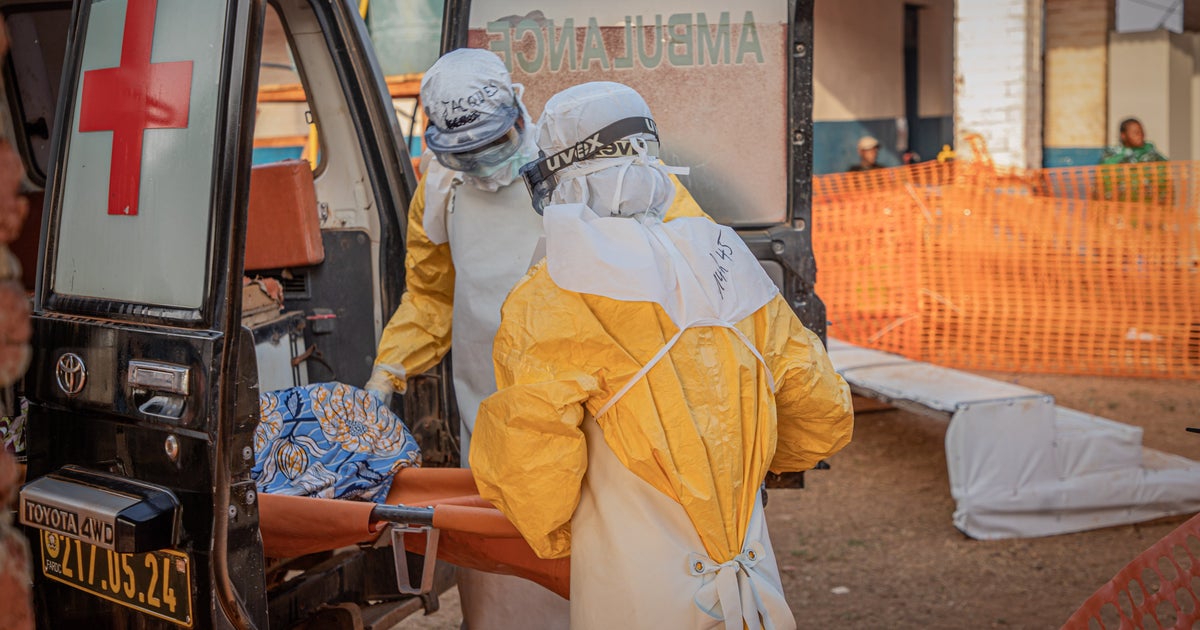
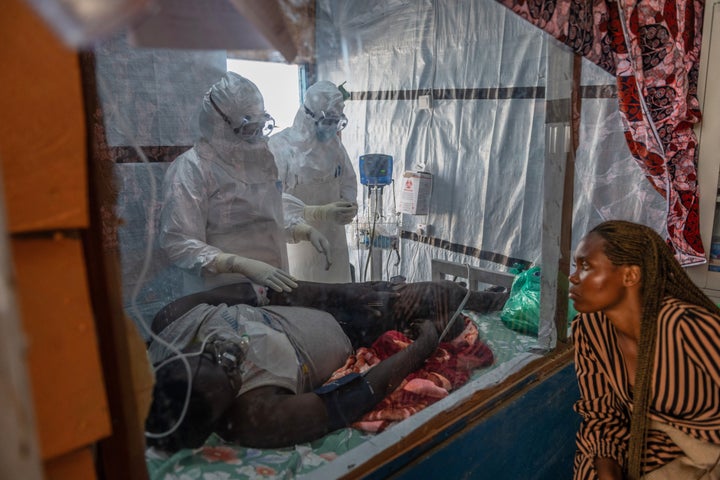
More than 2,500 cases attributed to the Bundibugyo ebolavirus have been reported since an outbreak was declared in May. Of those cases, more than 1,000 have died, the World Health Organization said Thursday.

The actual number of people infected may be more than twice the number of cases confirmed, WHO Director-General Tedros Adhanom Ghebreyesus has said. This is due to armed conflict and other unsafe conditions preventing first responders from reaching affected areas.

“Most new cases are being detected outside known contact lists, and two-thirds of deaths are occurring in communities,” he said last week.

Oxford’s vaccine, ChAdOx1 BDBV, was touted as being administered to humans in record time. The shot was given just weeks after the vaccine trial’s launch, and nearly three months after Congo’s first confirmed cases of the deadly viral hemorrhagic fever.

Scientists credited its rapid creation to the vaccine’s use of the same technology as the Oxford AstraZeneca COVID-19 vaccine, as well as to decades of vaccine manufacturing capabilities through the university’s Clinical BioManufacturing Facility (CBF) and the Serum Institute of India, which has already manufactured and stockpiled 620,000 doses.

“Reaching this milestone in such a short timeframe reflects an extraordinary collaborative effort,” Dr. David Pulido-Gomez, with Oxford’s Pandemic Sciences Institute, said in a statement. “Working alongside colleagues at the CBF and SII, we’ve taken this vaccine candidate from concept to clinic in just eight weeks.”

The outbreak is Congo’s 17th since the virus was first identified in 1976.

By entering your email and clicking Sign Up, you're agreeing to let us send you customized marketing messages about us and our advertising partners. You are also agreeing to our Terms of Service and Privacy Policy.