huffpost Press
John Waters Shares Why He Never Wanted To Be A ‘Muscle Mary’ Or Conform To Gay Men's Body Image Ideals
Images
1 / 10

2 / 10

3 / 10

4 / 10

5 / 10

6 / 10

7 / 10

8 / 10

9 / 10

10 / 10
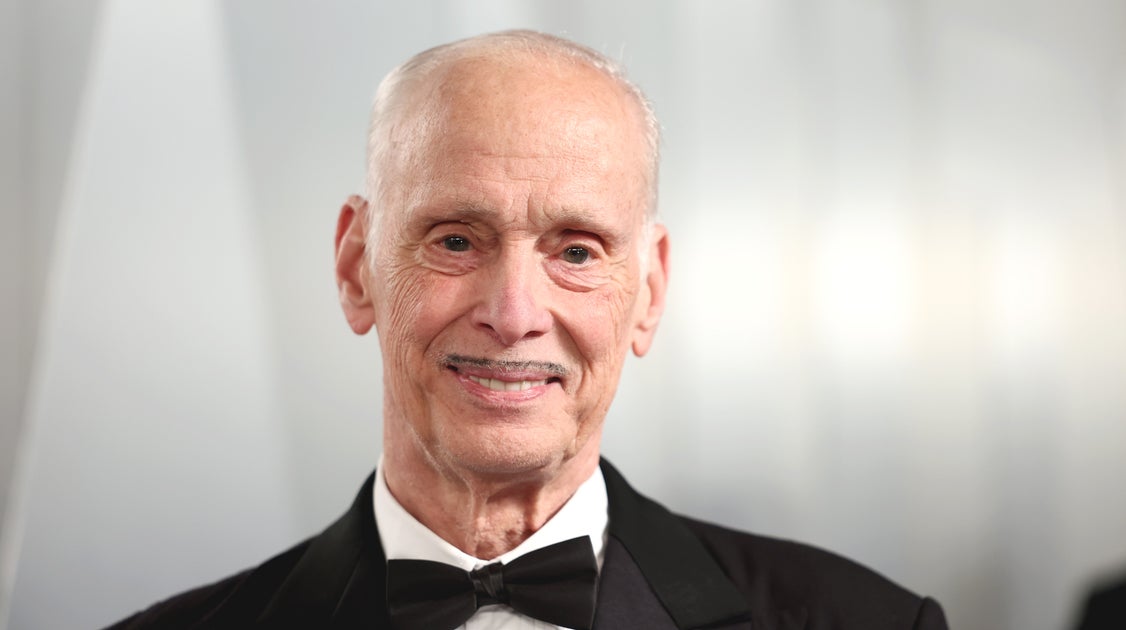
One of queer cinema’s most prolific visionaries, John Waters, says he’s never felt the pressure to conform to the physical image ideals prevalent among many in the gay community.

HuffPost caught a sneak peek at Waters’ appearance on Thursday’s episode of “Finding Fire Island,” an eight-episode documentary series chronicling the history and evolution of New York’s premier LGBTQ+ beach destination.

The episode, “A Town Without Pity,” finds the beloved filmmaker behind 1972’s “Pink Flamingos” and 1988’s “Hairspray” reflecting on why he’s happy to be seen as an “old-school gay” in a world where youth is too often linked with vitality.

“The younger people understand me and my films, that’s the thing. Because they know my films and everything, it’s a very different world for me in the gay community,” Waters, who turned 80 in April, explains in the clip below. “Even at the height of when I looked the best, I never was a ‘Muscle Mary.’ It’s a culture that I know about ... but to me, the hippie gay thing, the Cockettes and all that, was more radical and to my liking than, say, clones.”

The magnitude of living through the HIV/AIDS crisis of the 1980s and ’90s, he added, is something that many younger LGBTQ+ people may never fully grasp.

Catch a clip of John Waters’ appearance on “Finding Fire Island” below.

“That’s the main thing: If you’re older, you remember that, and you can never convey what that was like to young people,” he says.

Season 2 of “Finding Fire Island” is hosted and executive-produced by New York journalist Jess Rothschild. The series debuted in 2023, featuring interviews with Joel Kim Booster, Margaret Cho and Bowen Yang, among others.

The current season, Rothschild said, explores “the psychology behind the rivalry between Cherry Grove and The Pines” ― the sections of Fire Island most closely associated with queer women and queer men, respectively ― and features candid chats with the likes of Billy Porter and Julio Torres in addition to Waters.

Rothschild had been hoping to secure an interview with Waters for her weekly series, “Hot Takes & Deep Dives,” for some time. Though the filmmaker known to fans as the “Pope of Trash” is closely associated with the LGBTQ+ mecca of Provincetown, Massachusetts, he was eager to share his experience of visiting Fire Island in the 1970s with his late muse, the drag icon Divine, she said.

“John Waters represents the idea that what society calls ‘too much’ can become a source of creativity, humor and power,” Rothschild said.

“I love how he speaks to being an outsider even within the gay community and relishing it,” she added. “I think that’s his primary message: The traits that make you feel out of place can become the foundation of your identity, your art and your community rather than something to hide.”

While working on “Finding Fire Island,” Rothschild made a distinct effort to highlight the perspectives of women, transgender folks and people of color so the show would reflect the experiences of Fire Island visitors and residents from all walks of life.

Earlier this month, she unveiled a bonus episode featuring late-night public-access TV icon and LGBTQ+ community activist Robin Byrd in recognition of her new HBO Max documentary, “Bang My Box: The Robin Byrd Story.”

“Nearly every well-known piece of media about Fire Island ― ‘The Normal Heart,’ ’American Horror Story,’ ‘When Ocean Meets Sky’ ― was made by a man and is about the white, gay, male experience,” Rothschild explained. “This just perpetuates the stereotype that Fire Island is relentlessly male, which it is not!”

By entering your email and clicking Sign Up, you're agreeing to let us send you customized marketing messages about us and our advertising partners. You are also agreeing to our Terms of Service and Privacy Policy.