buzzfeed Press
I Was Today Years Old When I Learned These 14 Historical "Facts" Aren't Actually True
Images

1 / 17

2 / 17

3 / 17

4 / 17

5 / 17
6 / 17

7 / 17

8 / 17

9 / 17

10 / 17
11 / 17

12 / 17

13 / 17
14 / 17
15 / 17

16 / 17
17 / 17
Kinda obsessed with the concept of someone in the ’80s supposedly making up a veryyyyy juicy rumor about Napoleon.

Hi, I'm the Latine Editorial Lead at BuzzFeed and cover a little bit of everything, from quizzes and true crime to celebrities and pop culture.

According to historians, there is no evidence that Betsy Ross designed it.

According to experts, we have no solid evidence to back up this myth.

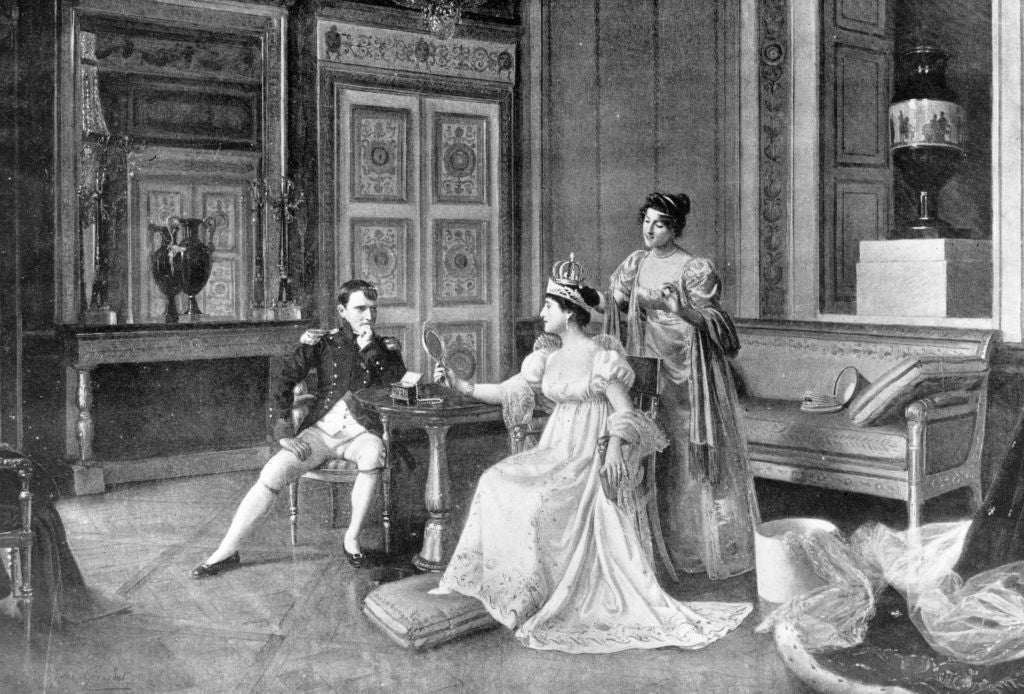
According to the myth, Napoleon wrote to his wife — Joséphine de Beauharnais — "Home in three days, don't wash."

"The idea that it's an apple is a Latin pun, where 'malus' can mean either 'apple' or 'evil'."

"There's also the generality where the word for apple is often used as a generic term for fruit. The French call potatoes dirt apples."

Using England as an example, from about 1580 to 1720, it's estimated that "almost one-third of young people died before 15 years of age."

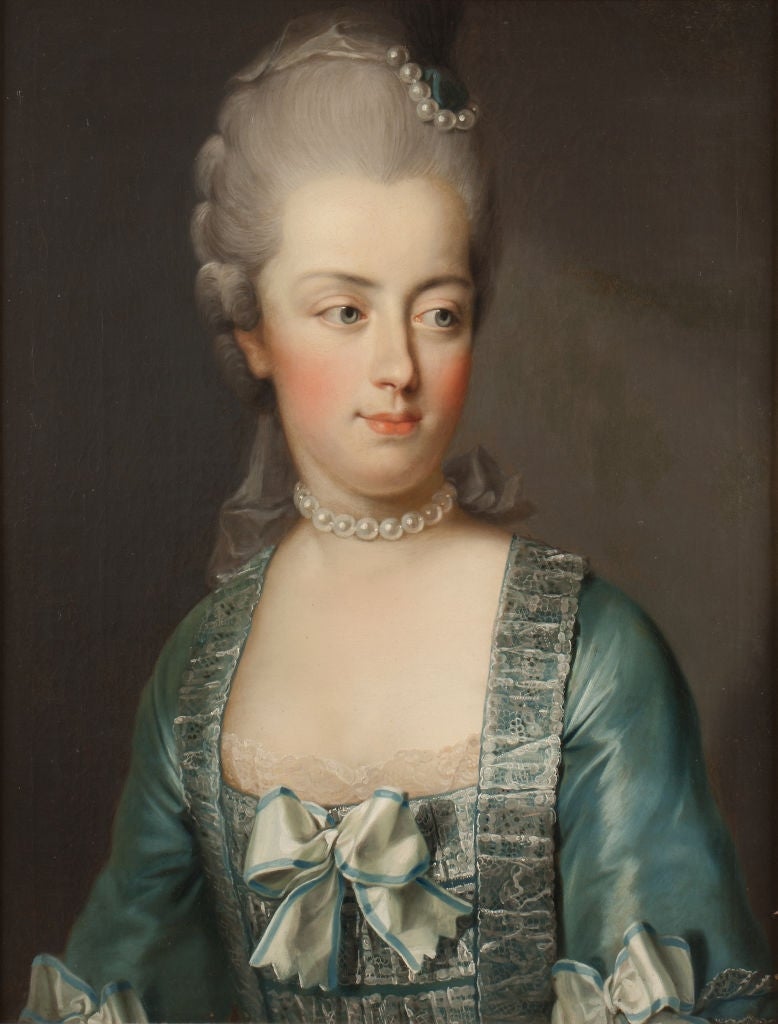
Furthermore, regardless of which meaning you've been taught, we have no actual evidence that Marie Antoinette said this at all. The quote as we know it dates back to the writings of Rousseau in Confessions, where it was supposedly said by "a great princess." While Marie Antoinette was a princess, she was only a child at the time it was written. His work did inspire the French Revolution, and it's possible the quote was picked up from his writing and used as propaganda.

This is also known as the "Replication Crisis." Per Psychology Today, "In one major project [in the 2010s], fewer than half of the studies that replicators tried to recreate yielded similar results, suggesting that at least some of the original findings were false positives."

"The flat earth idea basically grew out of the US in the 1830s."

It's believed that educated Europeans during the era did, in fact, know the Earth is round. As for the myth, an 1828 biography of Columbus by Washington Irving is widely believed to have popularized it, and this was furthered by religious writings that used the claim to pit faith against science.

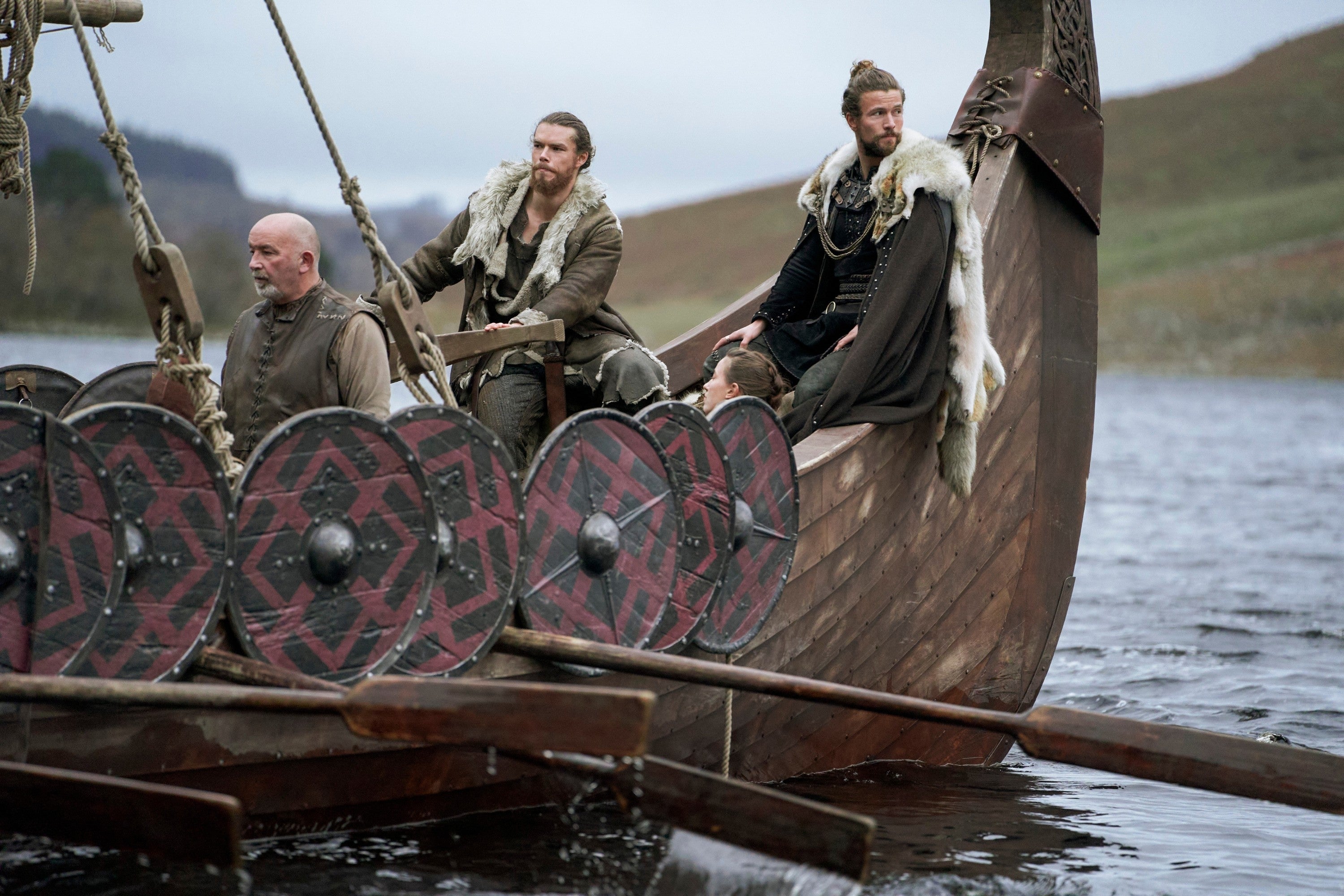
"Viking was a job description, not an identity. "

"It was described in such detail that we just assume it to be true."

There is proof — whether it's still standing like the Pyramids of Giza, through its ruins like the Lighthouse of Alexandria, or through historical evidence like the Colossus of Rhodes — that six of the Ancient Wonders of the World existed. The seventh, the Hanging Gardens of Babylon, we have no such definitive proof of. There are no ruins proving its original location, nor is it referenced in any historical Babylonian literary sources.

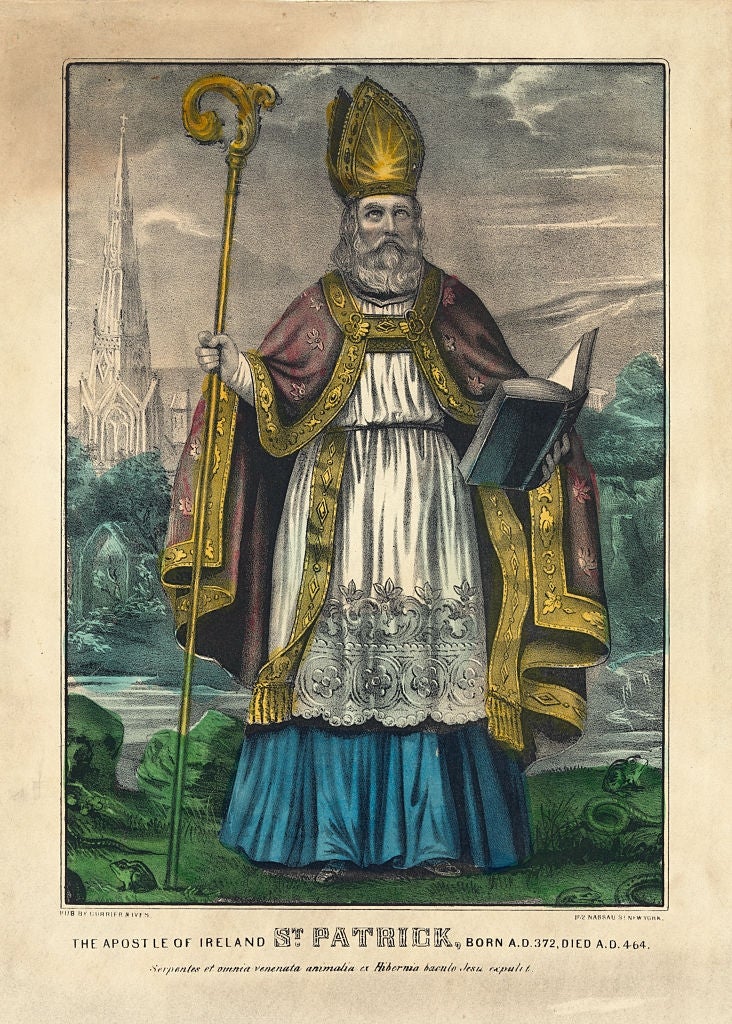
Additionally, trade and refugees likely played a role in spreading the religion in Ireland, as well.

While we're on the topic, let's dispel another popular myth here — St. Patrick wasn't Irish!

Note: Submissions have been edited for length and/or clarity.