buzzfeed Press
Olivia Wilde Looked Back On The Messy “Don’t Worry Darling” Press Tour, So Here’s A Reminder Of What Unfolded
Images
1 / 20

2 / 20

3 / 20

4 / 20
5 / 20
6 / 20

7 / 20

8 / 20

9 / 20

10 / 20

11 / 20

12 / 20

13 / 20

14 / 20

15 / 20

16 / 20

17 / 20

18 / 20

19 / 20

20 / 20
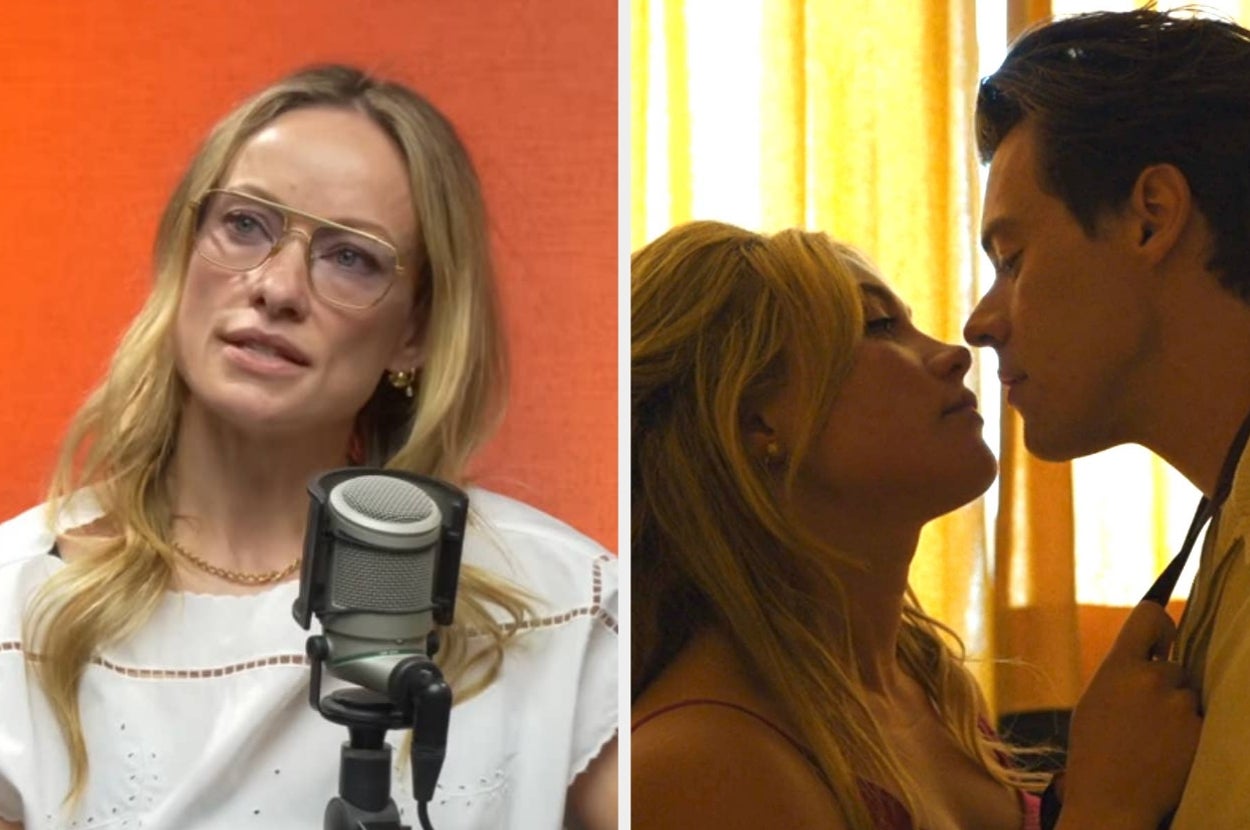
“I think it did hurt the film for sure because we didn’t get to have the conversations about what the film was trying to say.”

As a Celebrity Reporter, I cover everything from fashion and award shows to TV, film, and cultural conversations.

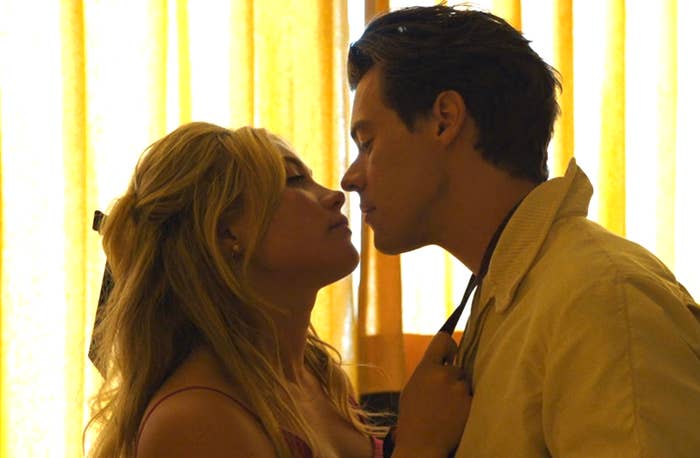
“Female pleasure, the best versions of it that you see nowadays, are in queer films. Why are we more comfortable with female pleasure when it’s two women on film? In hetero sex scenes in film, the focus on men as the recipients of pleasure is almost ubiquitous,” she said.

“It’s all about immediacy and extreme passion for one another. The impractical nature of their sex speaks to their ferocious desire for one another,” she added. “I think it’s integral to the story itself and how the audience is meant to connect to them. My early conversations with the cast were all about how the audience has to buy into the fantasy.”

Toward the end of the film, it was revealed that Harry’s character, Jack, was actually forcing Florence’s character, Alice, to live with him in a virtual reality against her will.

Given that Alice — who we saw tied up in a bed as Jack drugged her and immersed her into the simulation — was unable to give her consent to being held in the virtual reality, many viewers immediately called out Olivia’s approach to promoting the film as a celebration of female pleasure.

“It’s interesting because Florence very wisely pointed out that a lot of attention has been given to the sex scenes. And I think she’s so right. I completely agree with her that it’s overshadowing everything else that the movie’s about, which is so interestingly ironic because one of the uses of sex in Victory is as a tool of distraction,” she said.

“When Florence pointed out that this film is so much bigger and better than just the sex scenes, I was so happy that she said that because I feel the same way,” she added.