yahoo Press
CDC reports over 4,000 cyclosporiasis cases in 41 states amid outbreak
Images

1 / 17

2 / 17

3 / 17

4 / 17
5 / 17
6 / 17

7 / 17

8 / 17

9 / 17
10 / 17

11 / 17

12 / 17
13 / 17
14 / 17

15 / 17

16 / 17

17 / 17
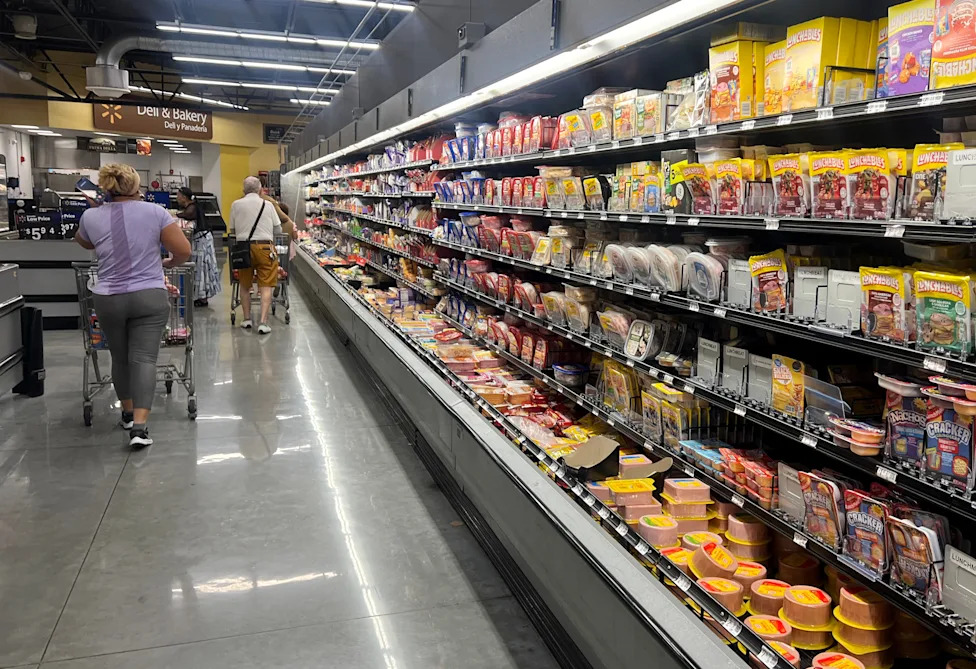
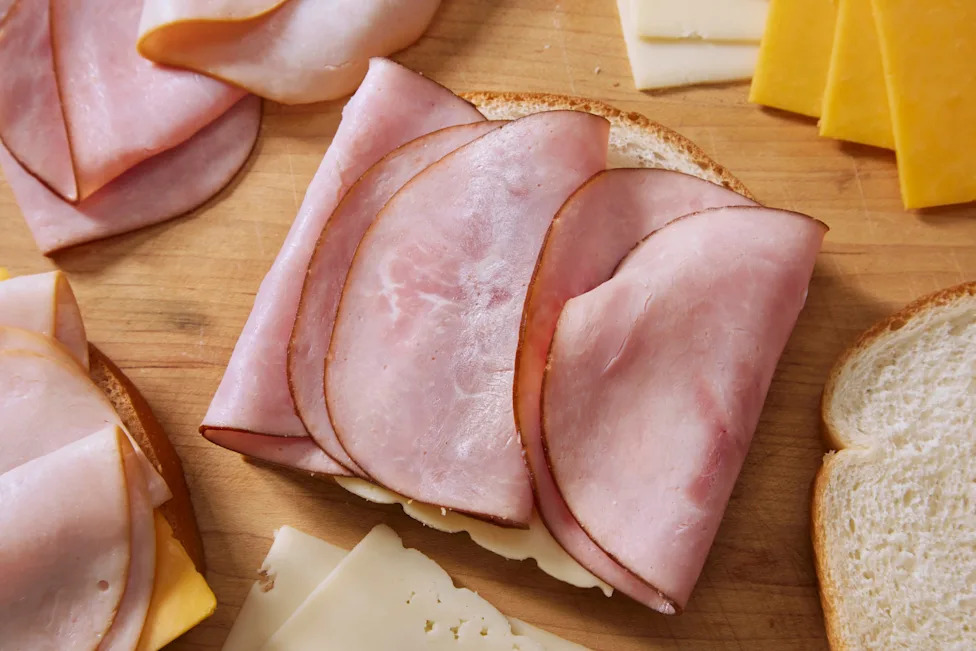
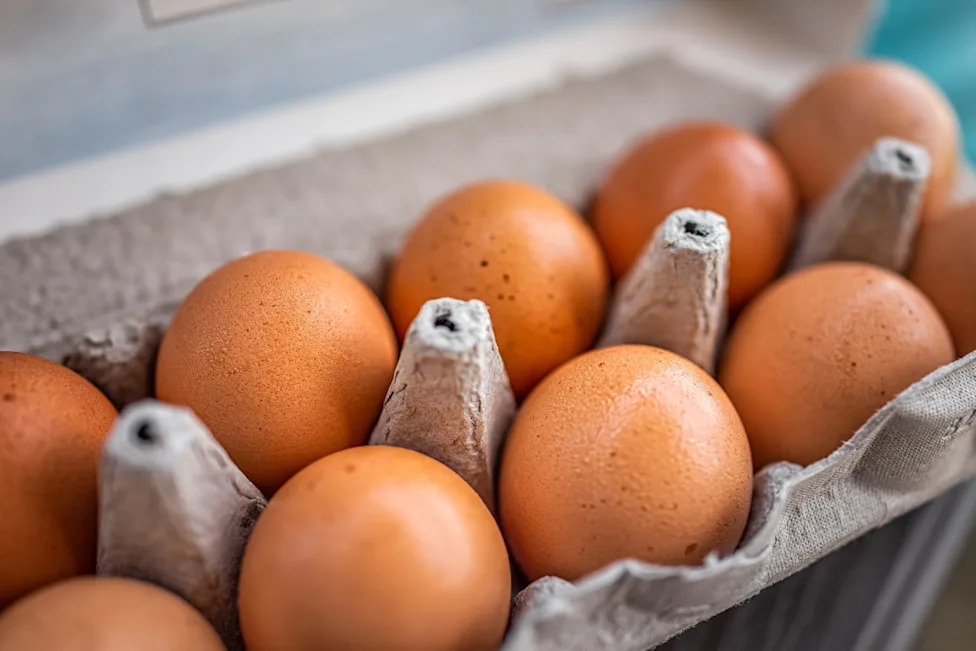
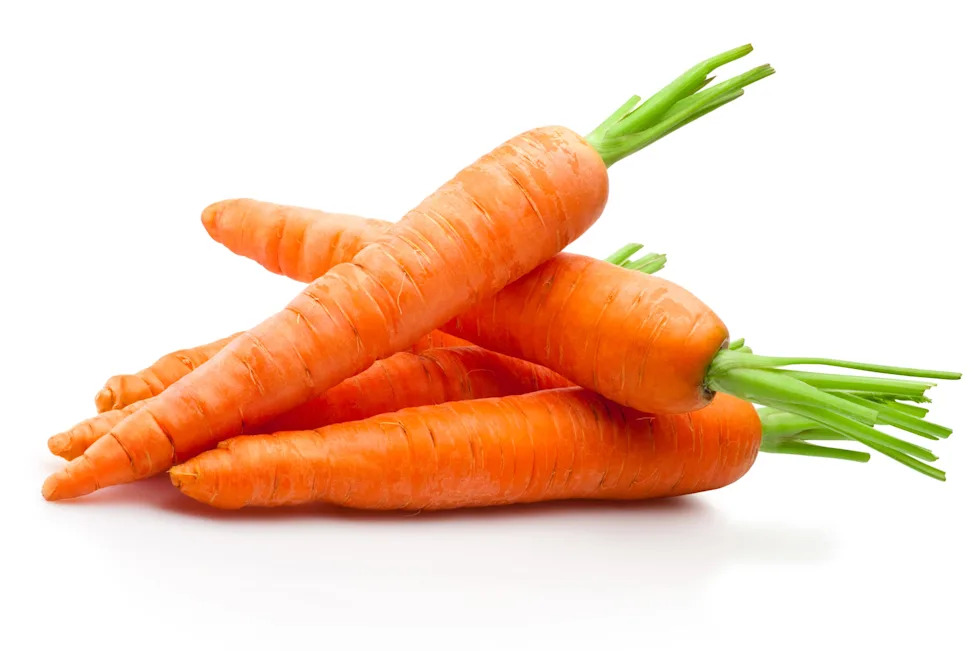
The Centers for Disease Control and Prevention has upped the number of cases of cyclosporiasis to more than 4,000 in 41 states. A CDC outbreak update released Tuesday, July 21, reported 4,173 laboratory-confirmed U.S. cases of cyclosporiasis since May 1. More than 7,400 additional cases – many of them in Michigan and Ohio – have not yet been confirmed by laboratories, the CDC said. There have been 308 hospitalizations and no deaths during the time period. The previous CDC report from July 15 listed 1,645 laboratory confirmed cases and 141 hospitalizations. The CDC's case numbers can lag behind those cited by state health officials, due to tracking, verification and reporting processes. The agency expects case counts to continue to rise because there's typically a six-week reporting lag between an illness and the case being reported to the CDC. Consumer Reports, the nonprofit known for testing and monitoring consumer-facing policy and products, released its annual risky food report in April, naming the 10 foods of 2024 that were subject to the most recalls and/or associated with the largest illness outbreaks. USA TODAY broke it down further on a what-you-need-to-know basis. Deli meat is somewhat of a "risky" food as it is often associated with the spread of listeria, such as in the 2024 case of the Boar's Head listeria outbreak that killed 10. Listeria monocytogenes is a hardy germ that can survive in very low temperatures but thrives in cool and damp places. It can, and will, happily live on foods in your or your grocery store's storage area, and the process for mass-producing the meat lends itself to plenty of opportunities for contamination. Produce, like the cucumbers recalled due to a salmonella outbreak that infected 113 people across 23 states, can become adulterated with harmful bacteria through fecal contamination, which can occur through wastewater, water in the growing area, fertilizer and the proximity of the growing area to livestock. Cotija and queso fresco cheese are made from unpasteurized milk, meaning they carry an increased risk. One producer, Rizo-Lopez Foods, was shut down in October 2024 after its cheeses were linked to a years-long listeria outbreak that killed two people and made dozens of others sick. Eggs can become contaminated via the same means as cucumbers and other raw produce, especially if they have a cracked shell. Like other raw produce, onions can become infected via fecal contamination. In 2024, E. coli-contaminated slivered onions on McDonald's Quarter Pounders triggered some locations to stop serving the burger temporarily. Like cucumbers and onions, leafy greens are easily contaminated with bacteria like E. coli, as in the case of the Solata Foods spinach recall in 2024. Organic carrots were linked to a major E. coli outbreak in late 2024, leaving at least 39 ill and one dead. Ready-to-eat/cooked poultry and meat have been the source of multiple major recalls and foodborne illness outbreaks in recent years. The same issue arises with RTE foods as with deli meat; the conditions they are made and stored under are often ideal for bacteria such as listeria to grow. In 2024, millions of pounds of RTE foods were recalled by BrucePac for listeria contamination. Consumer Reports, the nonprofit known for testing and monitoring consumer-facing policy and products, released its annual risky food report in April, naming the 10 foods of 2024 that were subject to the most recalls and/or associated with the largest illness outbreaks. USA TODAY broke it down further on a what-you-need-to-know basis. Cyclosporiasis: Latest updated map tracking 'explosive diarrhea' cases in the US The number of states reporting cases grew to 41 in this latest CDC update, but these may not all be part of ongoing outbreaks. USA TODAY research suggests cases of cyclosporiasis, the infection caused by the microscopic parasite Cyclospora and known to cause severe diarrhea, have been reported in all but four states. The only states not reporting cyclosporiasis cases, according to the CDC, were: Delaware, Hawaii, Maine, Montana, New Mexico, Oregon, South Carolina, South Dakota and Vermont. "Cyclosporiasis cases may not be limited to these states with known cases," according to the CDC update. "The true number of people sick with cyclosporiasis was likely higher than the number reported. This is because some people recover without medical care and are not tested for Cyclospora." Those with cyclospora infections ranged in age from 2 to 95 years, with a median age of 44. More than half (56%) were female, according to the CDC. The median illness onset date was June 26, 2026 (range from May 1 to July 16). The CDC also reported 767 travel-linked cases since May 1, with 33 hospitalizations and no deaths tied to contaminated food or water consumed outside the United States. Produce supplier Taylor Farms on July 17 issued a voluntary recall of iceberg lettuce products as a result of the outbreak and investigation by the CDC, Food and Drug Administration and state health officials. That investigation initially connected the illnesses to lettuce from Taylor Farms de Mexico sold, in part, to Taco Bell locations in five states – Indiana, Kentucky, Michigan, Ohio and West Virginia. The next day, July 18, the FDA said a Taylor Farms iceberg lettuce sample that was not part of the lettuce recalled by the company had tested positive for cyclospora. Then on July 19, the FDA said that after being reviewed again, the test was found to be a false positive match. As of July 19, there are no confirmed positive results for samples tested for cyclospora, the FDA said. However, the agency said it is still working with Taylor Farms as it continues to investigate the source of the outbreak and collects and tests samples. The lettuce recalled was sold in retail stores, served in restaurants and distributed to food service customers. Subsequently, Walmart pulled some bags of Marketside Bagged Iceberg Salad and Shredded Iceberg Salads, distributed by Taylor Farms. The lettuce had been sold in stores in 27 states. Contributing: Melina Khan, Daniel de Visé and Reuters. Mike Snider is a national trending news reporter for USA TODAY. You can follow him on Threads, Bluesky, X and email him at mikegsnider & @mikegsnider.bsky.social & @mikesnider & msnider@usatoday.com. This article originally appeared on USA TODAY: CDC reports over 4,000 cyclosporiasis cases in 41 states amid outbreak