buzzfeed Press
20 “Extreme” Foods From Around The World That Could Mess You Up If Consumed Improperly
Images

1 / 20

2 / 20

3 / 20
4 / 20
5 / 20
6 / 20

7 / 20

8 / 20
9 / 20

10 / 20
11 / 20

12 / 20

13 / 20
14 / 20
15 / 20
16 / 20
17 / 20
18 / 20
19 / 20
20 / 20
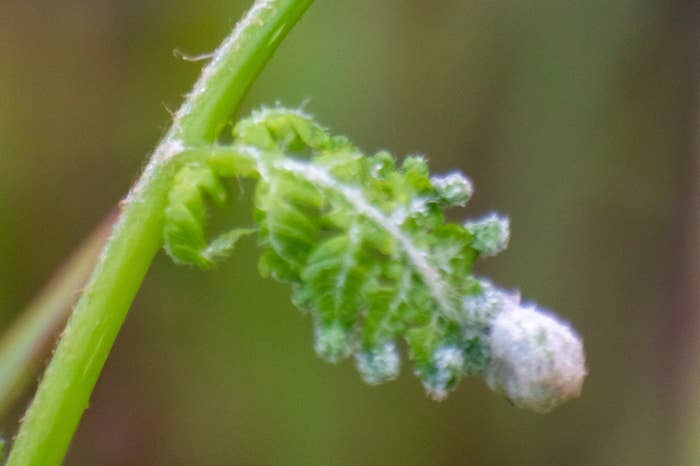
“A lot of people still eat it. I’ve eaten it when my grandmother would make it, but I’m too nervous to attempt it myself.”

"We call them fiddle heads in Canada, and there are different varieties. So tasty!

Not all are toxic, and even the ones that are just need to be harvested and cooked properly to avoid issues."

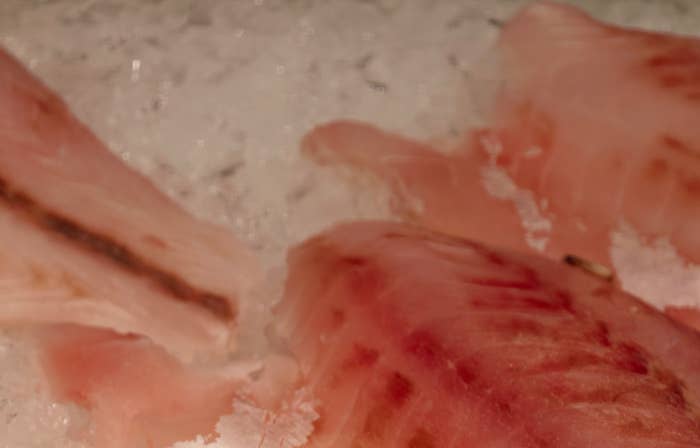
"My colleague ate this just before it was banned. A 20-year-old at peak health fell into a coma because it traveled to his brain.

He woke up after two months. I left the company before he returned to work, so I didn't see for myself, but I heard he made a full recovery (or at least no discernible health issues afterward).

To be honest, a lot of us felt that if he wasn't young and very physically active, he wouldn't have made it."

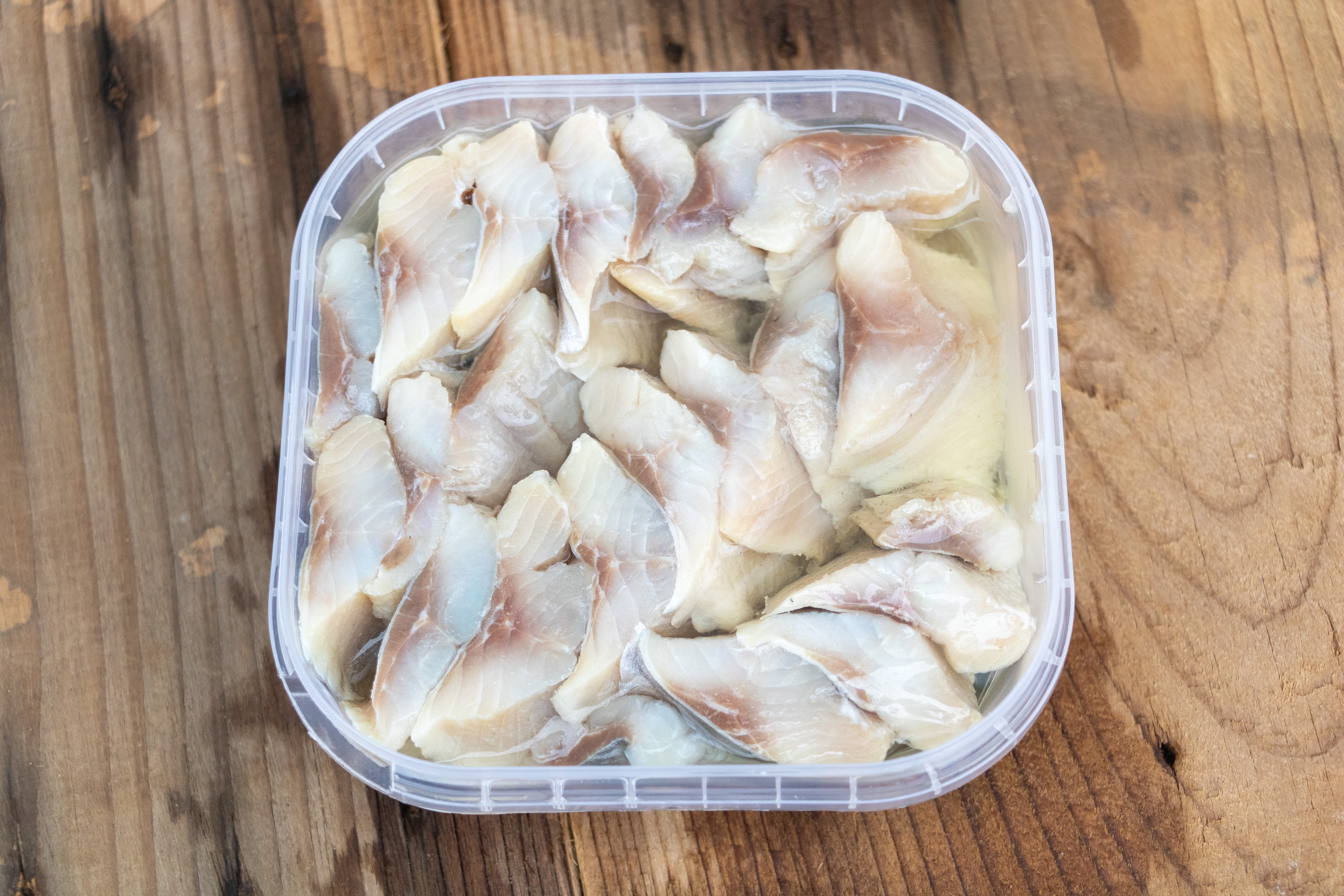
"I have Swedish friends here in Switzerland, and we have a Surstömming feast once every year. If you can get past the smell, it's actually very tasty. You just shouldn't mingle with people who haven't had it on the same day or the day after. They won't enjoy your rancid odor."

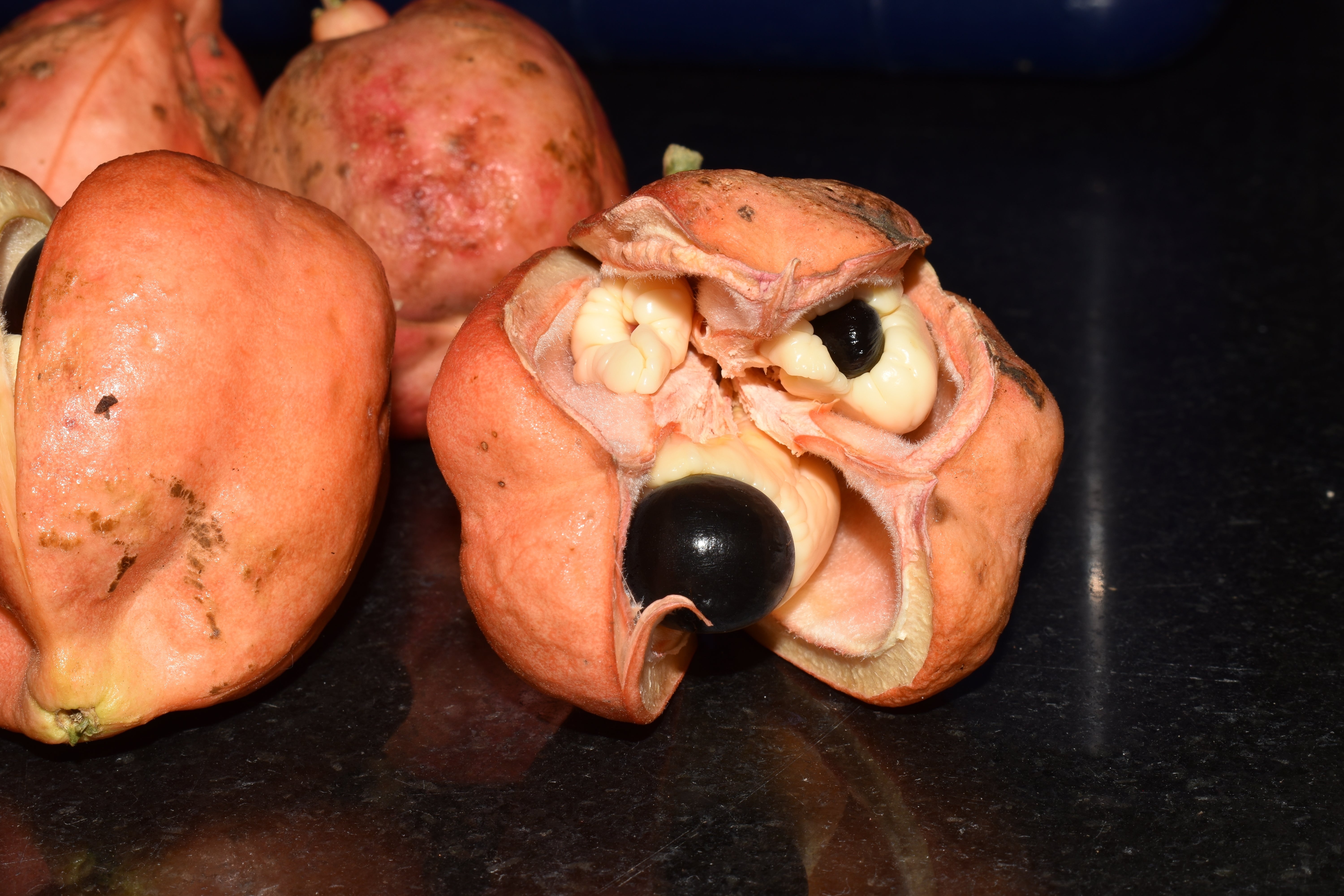
"One of my favorite fruits, and I’m not even Jamaican. It’s savory like a mushroom with a very slight fruitiness with a texture that can only be described as egg texture if it weren’t a sensory nightmare. It’s totally worth it. Only the small fleshy part is eaten, though; the rest of the fruit is poisonous."

"The last one is called 'sanguinaccio' or blood cake and is a recipe born in Naples. It’s a cake made with chocolate and pig blood. I ate it years ago, even though it's illegal by law in Italy, but it's still sold and eaten in Naples during festivities."

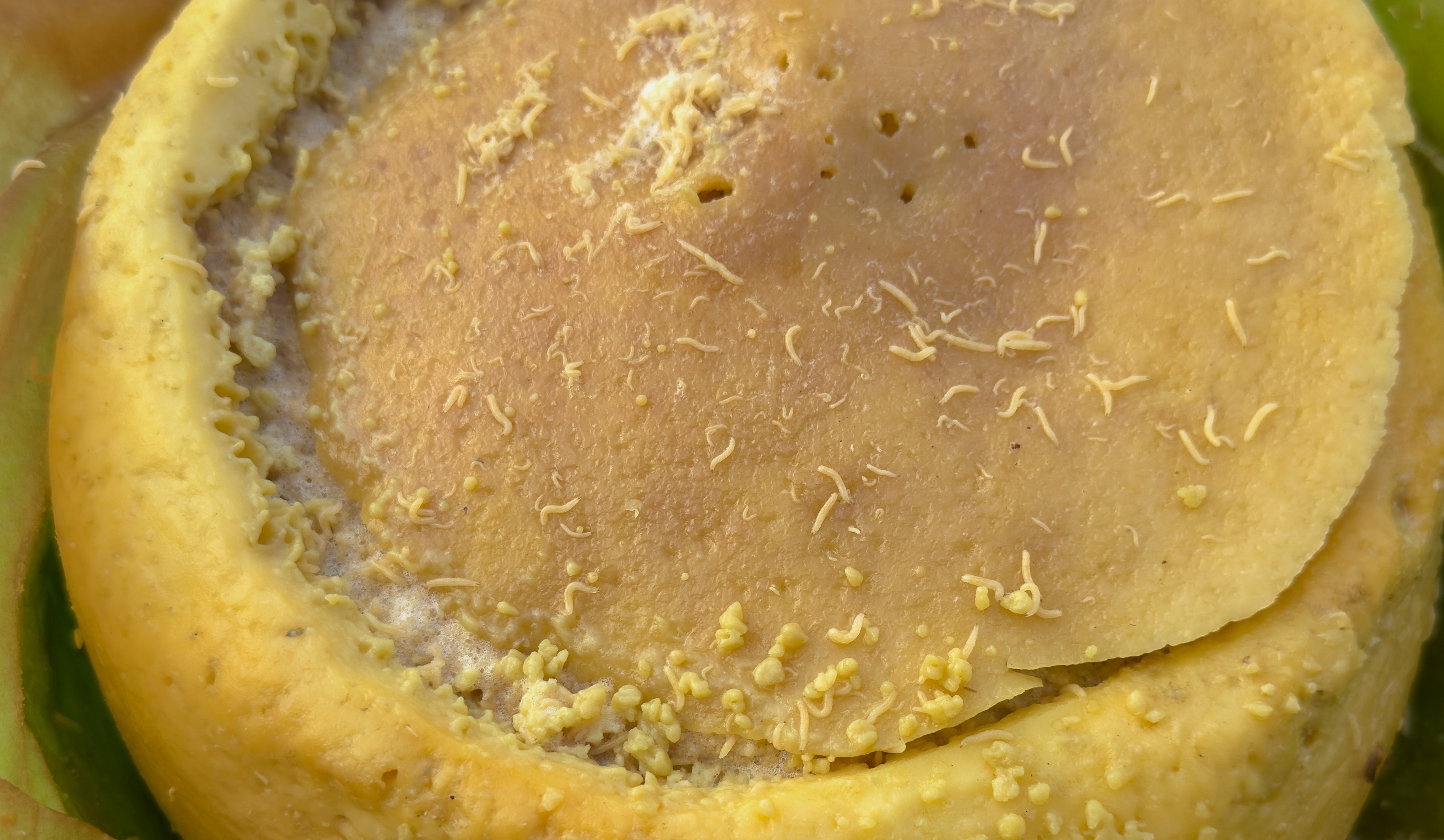
"He forgot to tell you the part where the larvae in the Sicilian variant can jump into your eyes and start eating your eyeballs. So you hold your hand under your nose while taking a bite."

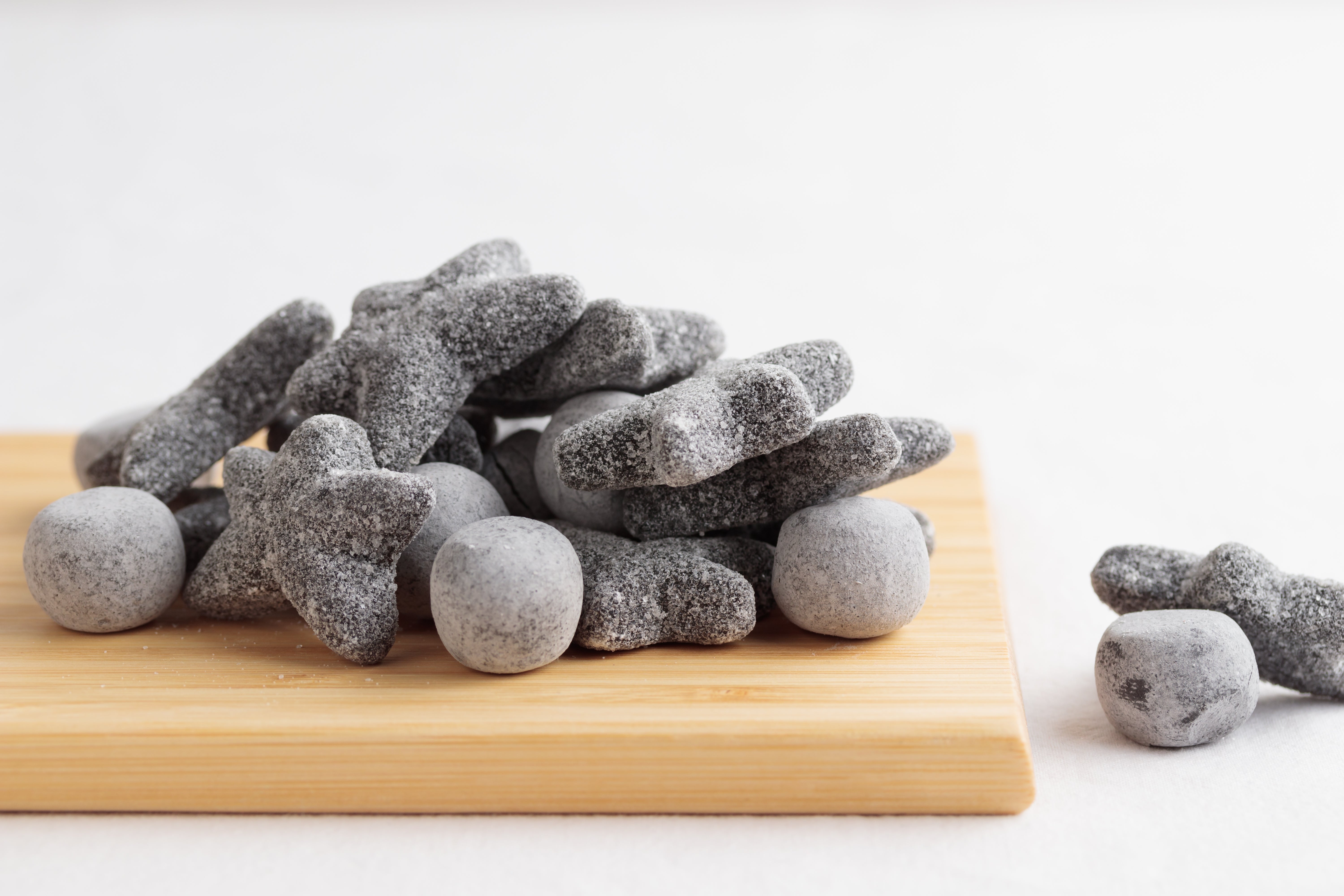
"Any black licorice made from actual licorice (a lot of US 'black licorice' is flavored with anise oil, which doesn't contain the effective compound). It contains glycyrrhizin, which can cause hypokalemia, hypertension, and arrhythmia when over consumed."

Note: Responses have been edited for length/clarity.