buzzfeed Press
Older People Are Revealing The Truth About The 1950s, And It's Not What You'd Expect
Images
1 / 16
2 / 16

3 / 16
4 / 16
5 / 16
6 / 16
7 / 16
8 / 16
9 / 16
10 / 16
11 / 16
12 / 16
13 / 16
14 / 16
15 / 16
16 / 16
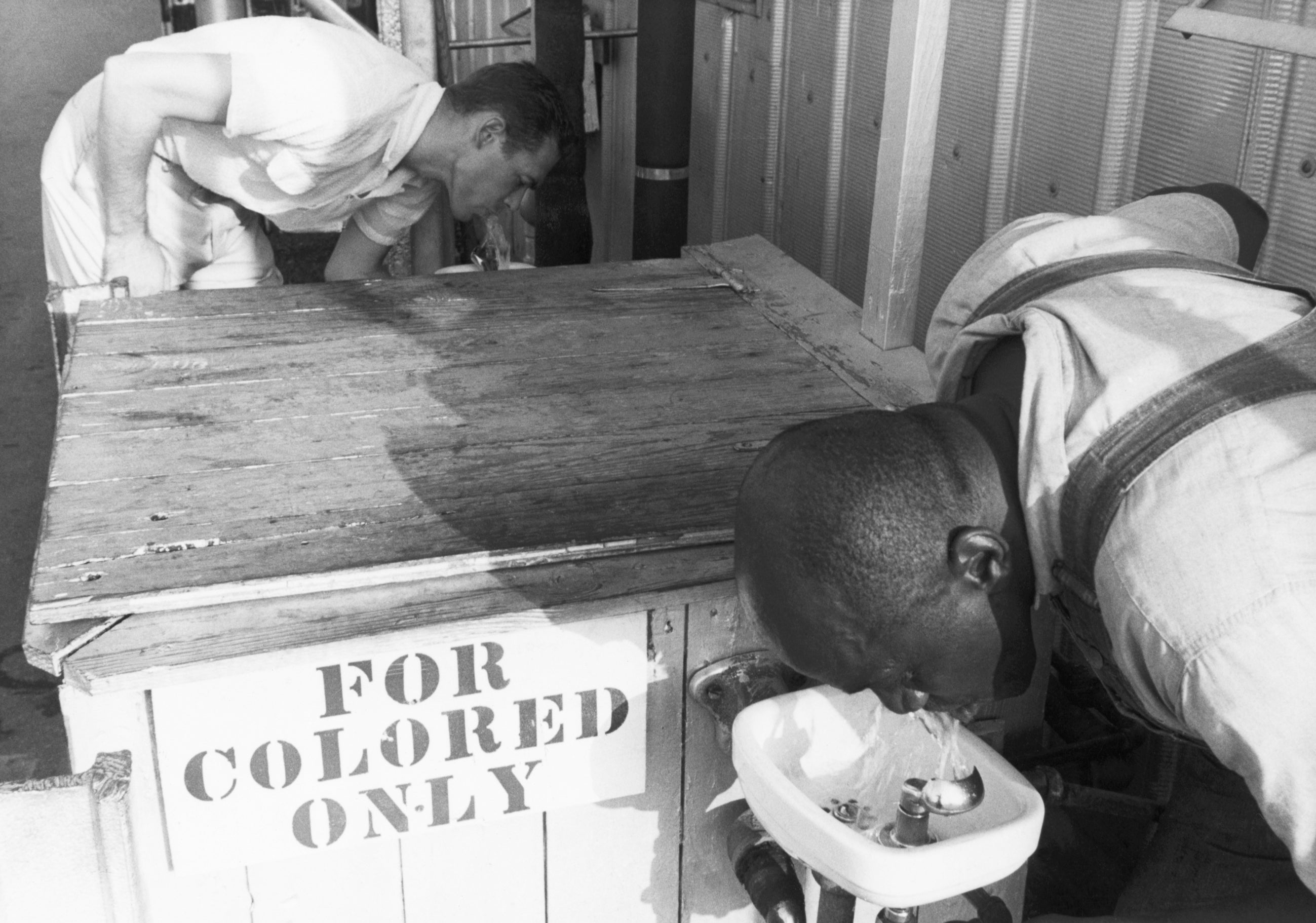
“If you weren’t Black or a woman it was great.”

"If your family was nice and normal and kind, and you were white, it was a good life. But if you were a woman and your husband was abusive, there was no protection. You couldn't get your own bank account or credit card. You were barred from Ivy League schools and from the sciences, mostly. If you weren't white, you were under constant threat and had no rights. It was a living hell and oppression. Lynchings were a form of after-church entertainment, and they were unbelievably horrible and savage. That's the part no one mentions. The absolute savagery. Victims of sexual assault were blamed and ostracized, and children born out of wedlock were called a bastard by their pastor and the entire community, even if they were adopted. People were casually cruel underneath a veneer of bland niceness."

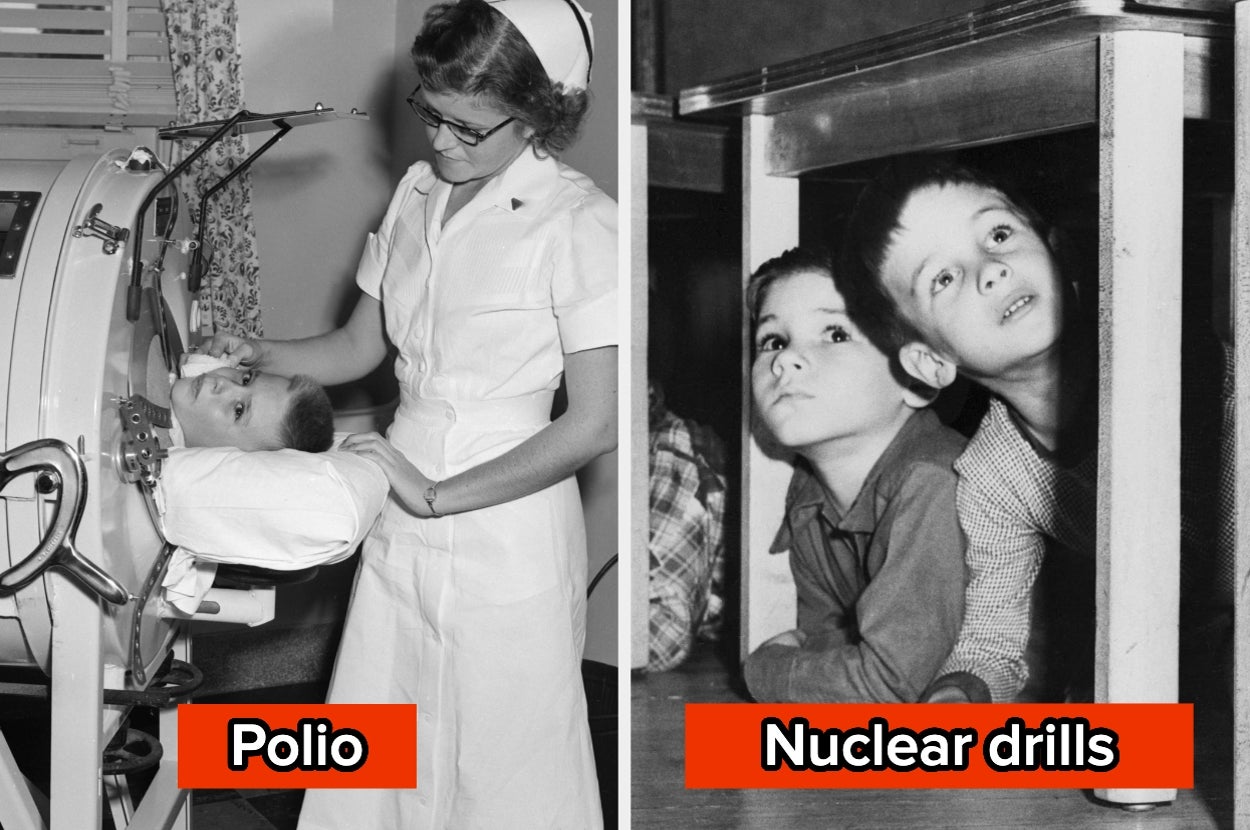
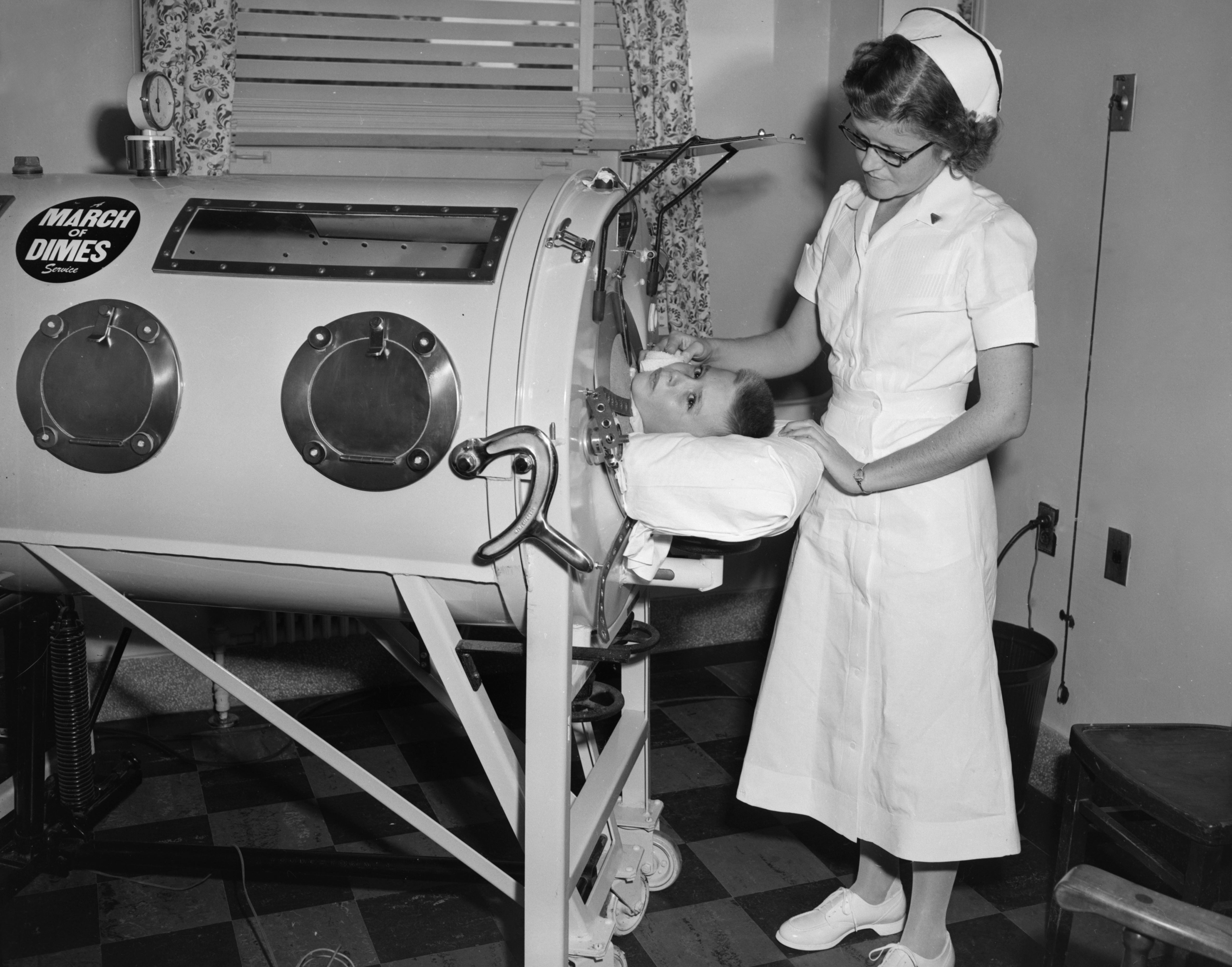
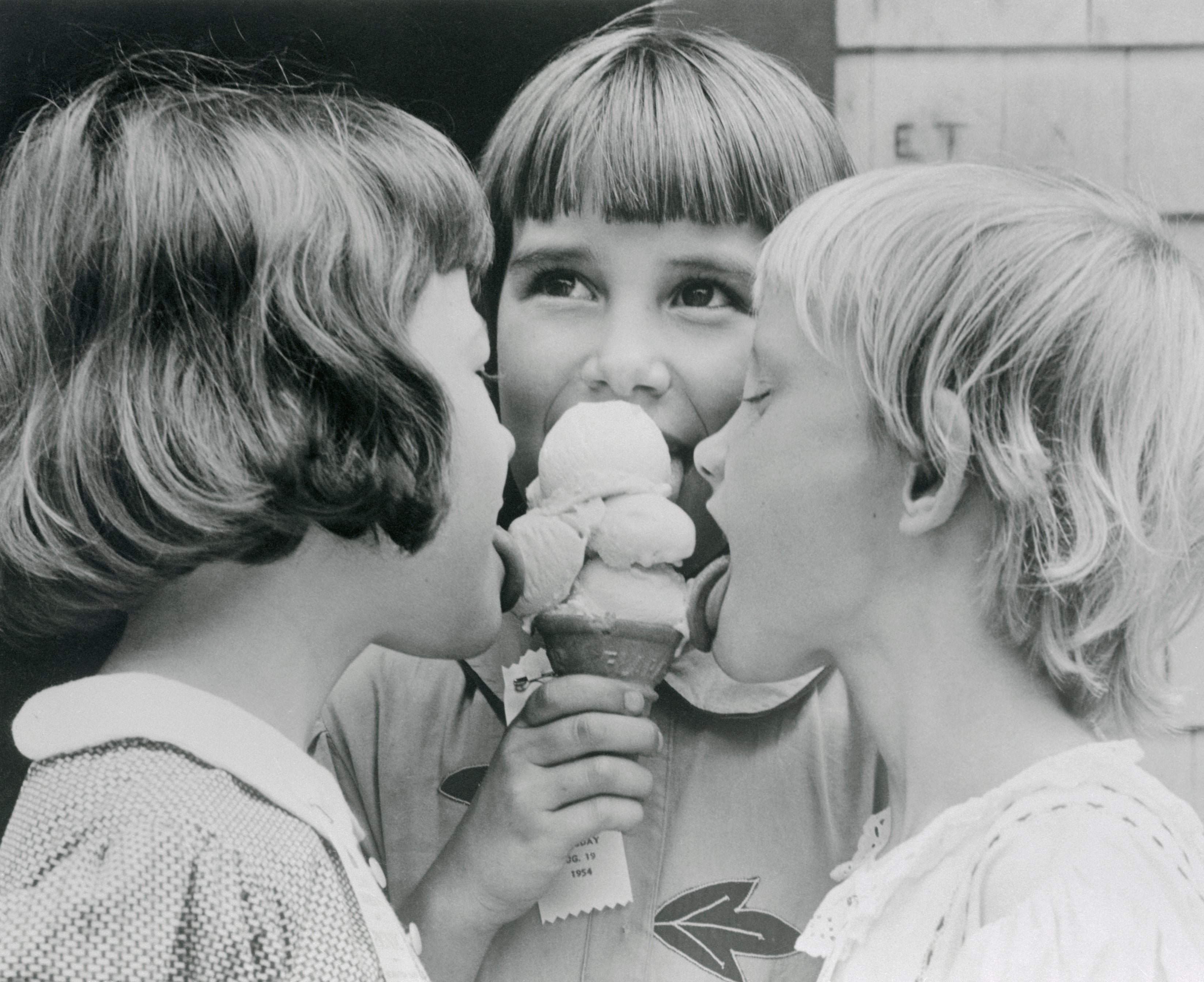
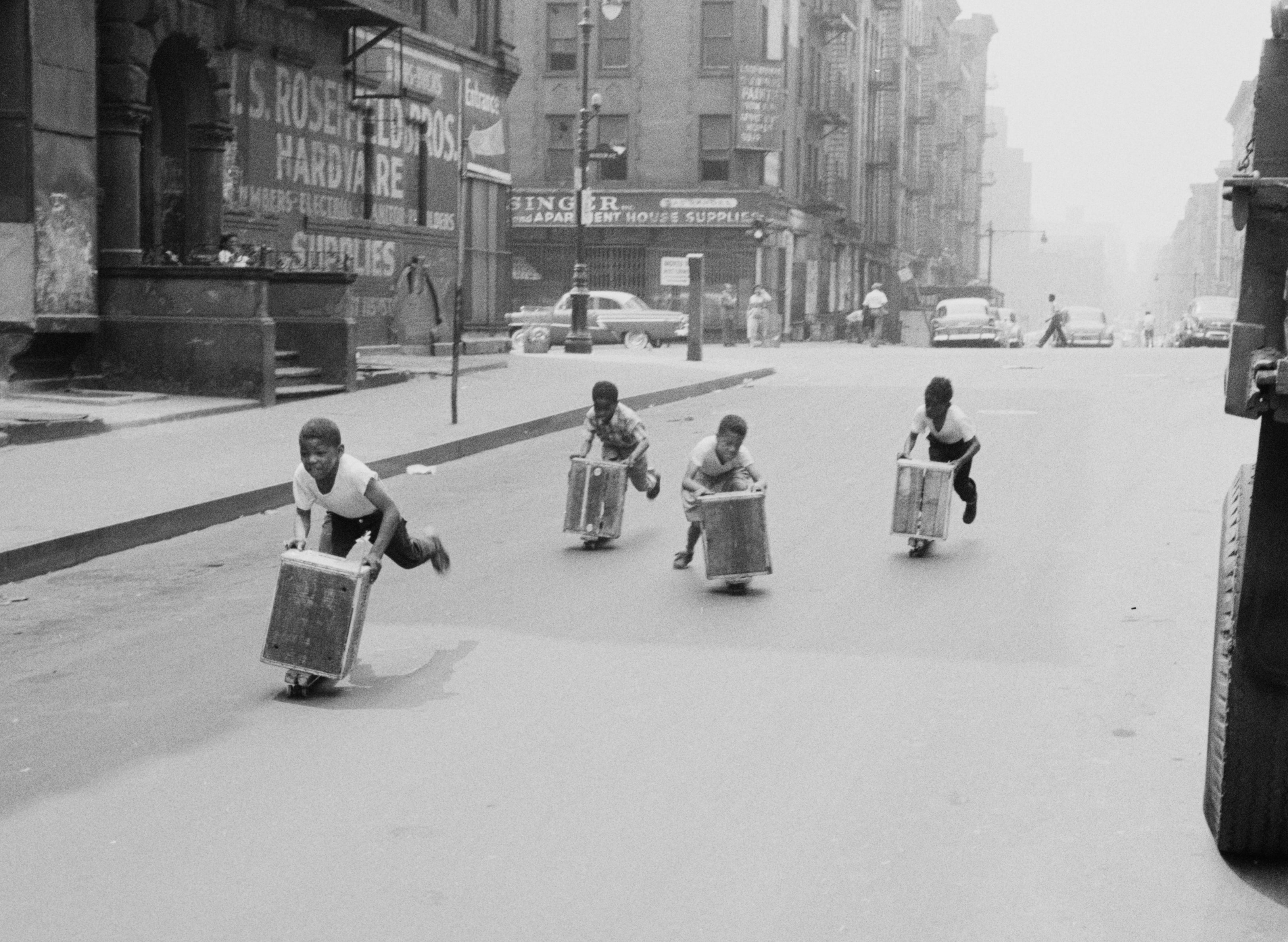
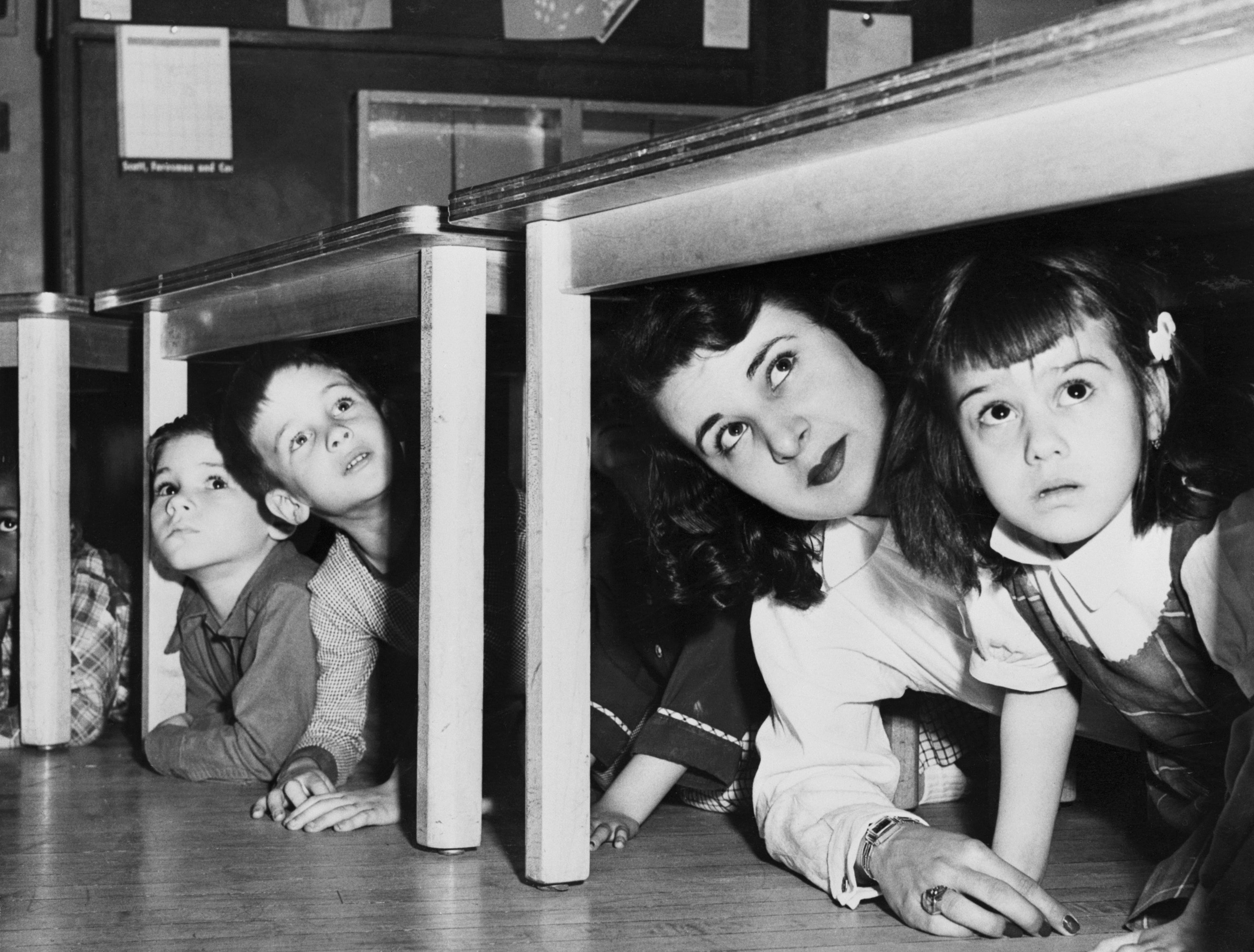
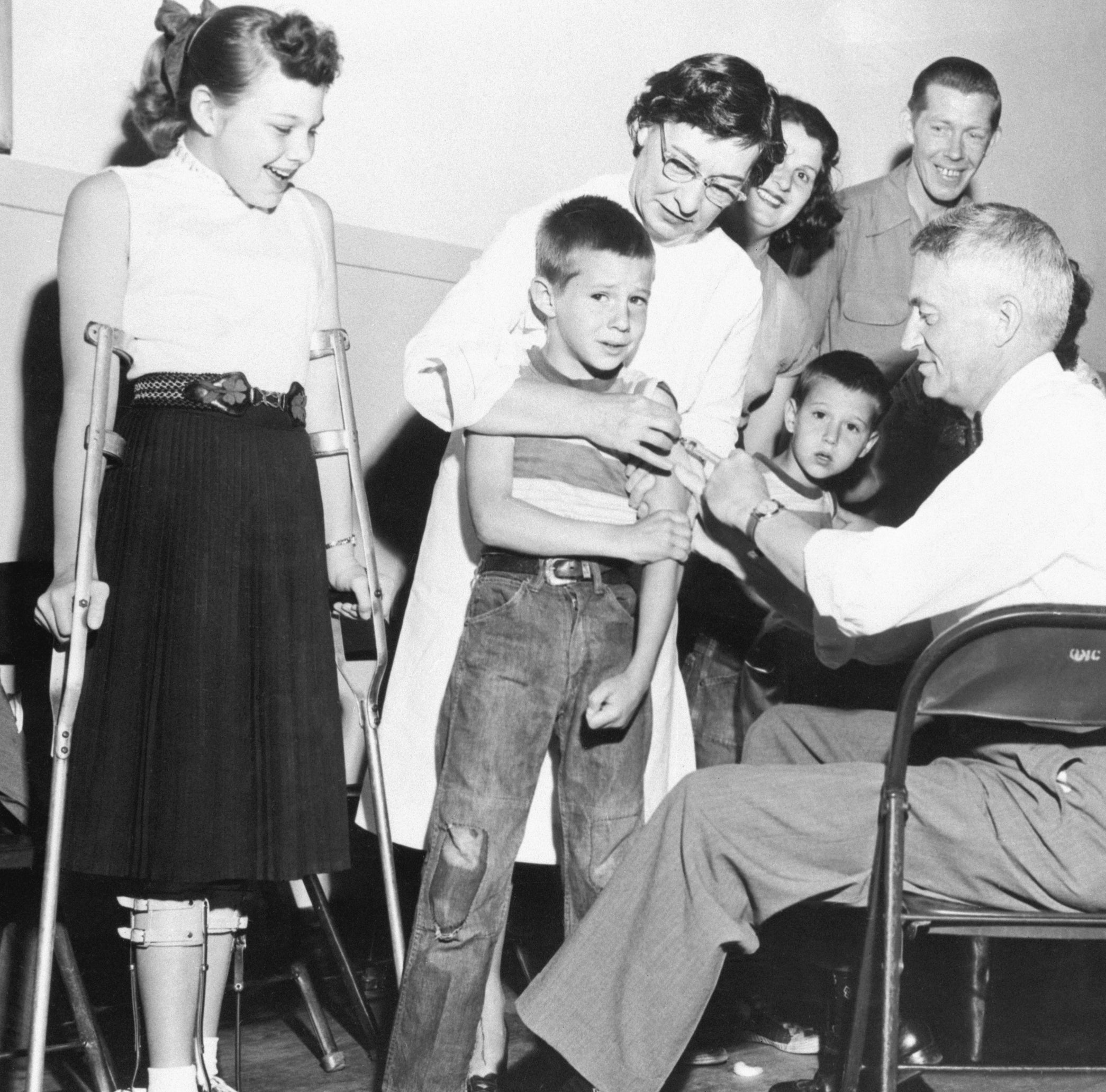
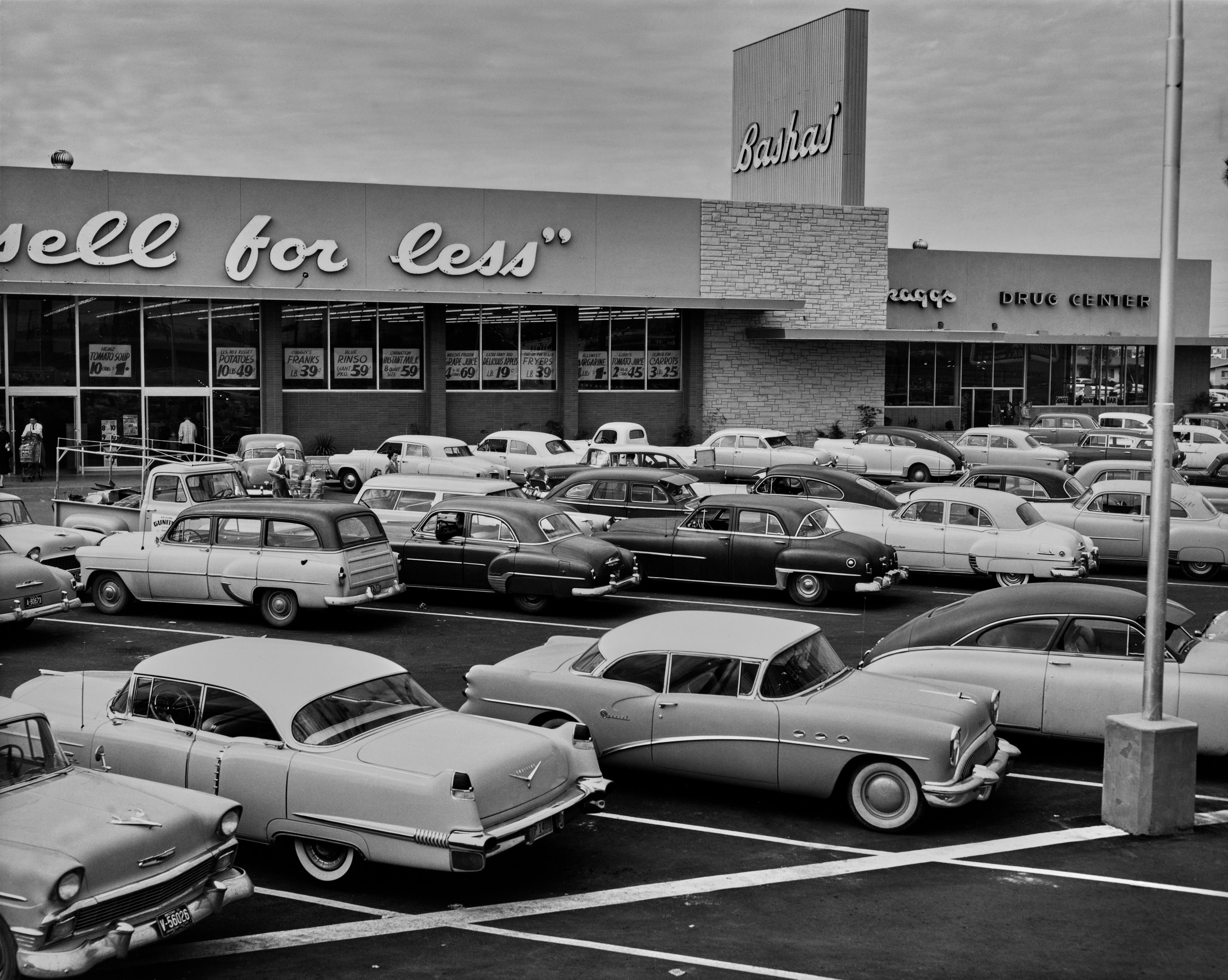
"Are there things I miss about the '50s? Yes. But we also thought we were going to all die in a nuclear holocaust. We had duck and cover drills in school. I miss penny candy, paper dolls to cut out, the big Hershey bar for five cents, Sugar Daddy caramel bars that would last a week. I miss toy irons that plugged in and heated to warm, so I could iron doll dresses made of rayon. I miss playing outside until it got dark. I miss every kid knowing every edible plant. I don’t miss diseases which killed kids then, and are preventable now. I don’t miss thinking the world was going to end in atomic bomb attack. I don’t miss segregation or the casual use of the 'N' word."

"The elementary school had some really good programs. There was a bank that sponsored a savings program. We had passbooks and saved a dime a week. Once a week, we received a newspaper called The Weekly Reader. It had stories about current events. There were also programs that talked about littering. You did not want to be a Litterbug. During the Cold War, there were duck and cover drills. One of the biggest differences between then and now is trust and optimism. I think most people trusted what the government said. I also think people had more optimism about their future and opportunities. Society in the '50s was more structured."

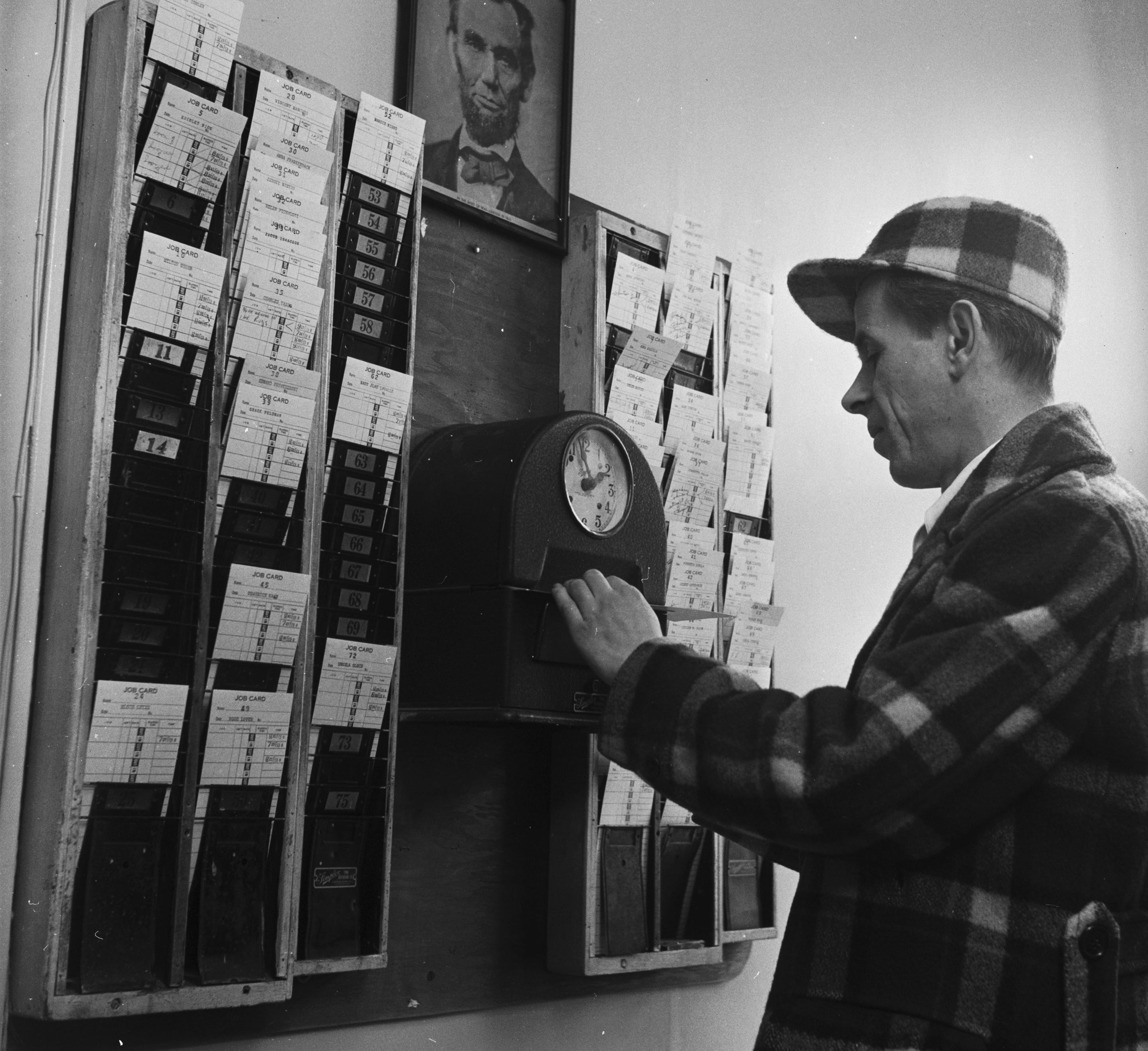
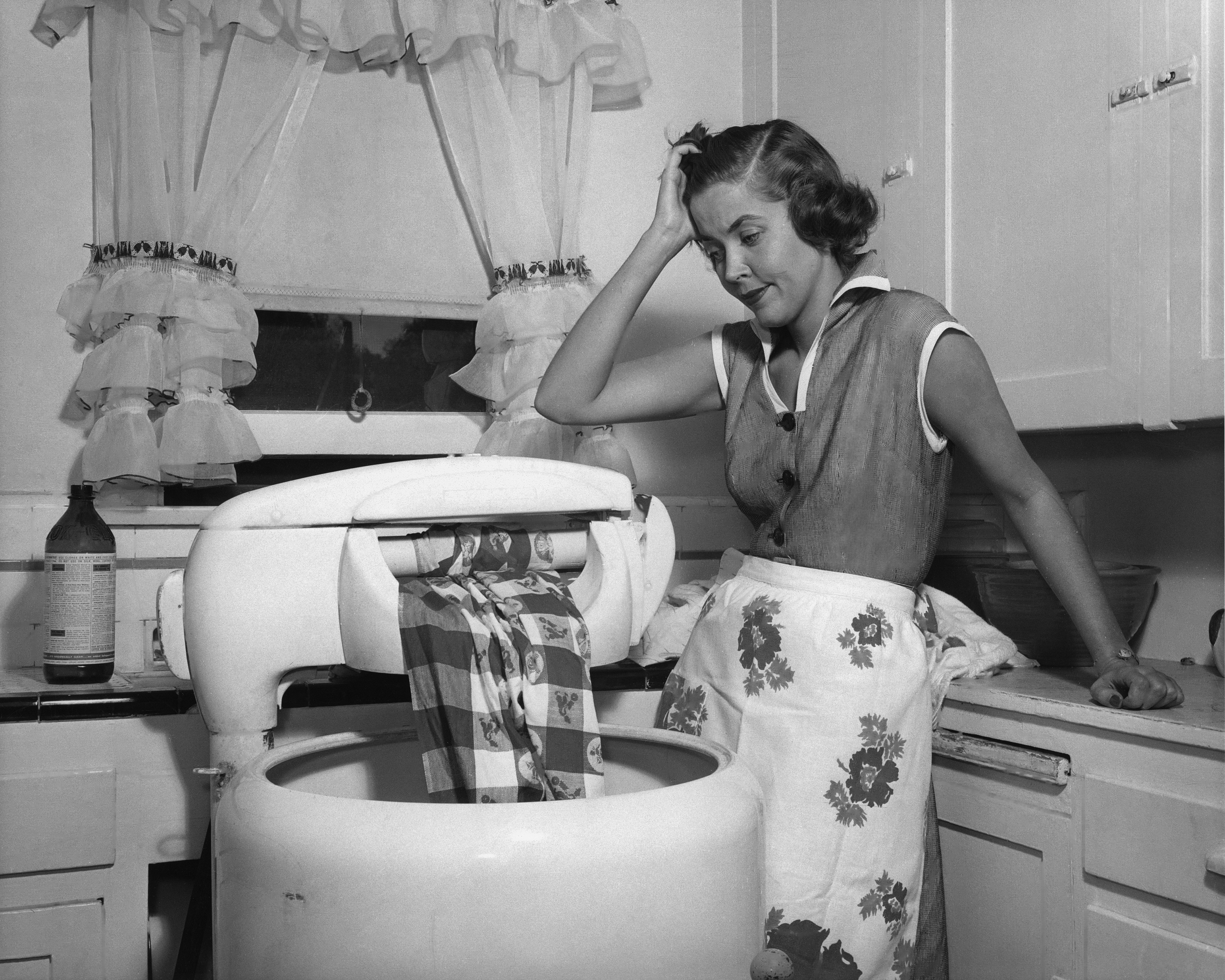
"Almost all jobs paid minimum wage of $1.80 or so. And, no, $1.80 wasn't enough to buy a house or raise a family on. It was also difficult for women to get a job, and a husband whose wife worked might be looked down upon. Gay people – of course they called us by a different name – were not well thought of. In seventh grade, before I even realized that I was gay, my classmates beat me up and tried to set fire to me at the bus stop. The principal told my Mom that I would need to learn how to fight. In ninth grade, my geography teacher told my class that I should be killed. Everything was more difficult – but it was far easier than for many people in previous generations. My grandparents' grandparents had seen most of their relatives starved to death in a genocide to make way for the landowners to raise sheep. My grandmother went from riding in a donkey cart to flying in a plane, and watching Star Trek on TV. My mom was the first generation to have indoor plumbing or electricity (in her 20s). And indoor plumbing and electricity make everything easier."

Responses have been edited for length and clarity.