buzzfeed Press
‘Ghost Poops’ Say A Lot About Your Gut Health, According To Doctors
Images
1 / 4
2 / 4

3 / 4
4 / 4
Here’s when it’s a good sign, as well as when it’s worth chatting to your GP.

“Ghost poops” happen to most of us at one point or another.

The elusive excrement’s journey goes as follows: you sit on the loo and pass a bowel movement, only to find it’s left no trace in the bowl and/or your toilet paper after wiping.

But what does this phantom faeces mean?

As it turns out, the phenomenon can say a lot about your gut health (don’t worry, it’s all good stuff).

Speaking to Health, gastroenterologist Dr Bruce Hennessy said that most “ghost poops” would count as a four on the Bristol stool chart (a clinical system used to determine what’s “normal” according to your poo’s colour, size, and shape).

Four is generally considered an ideal stool. It’s smooth and easy to pass, which, as Dr Mike Sevilla told the publication, “shows that you are eating a balanced diet with enough fibre and staying hydrated”.

Meanwhile, gastroenterologist Dr Austin L Chiang, author of Gut: An Owner’s Guide, shared with SELF that “ghost poops” mean your sphincter and other muscles are working well.

However, Dr Chaing pointed out they’re “probably more rare than normal”, so don’t take it as a red flag if you’re not having “ghost poops” often.

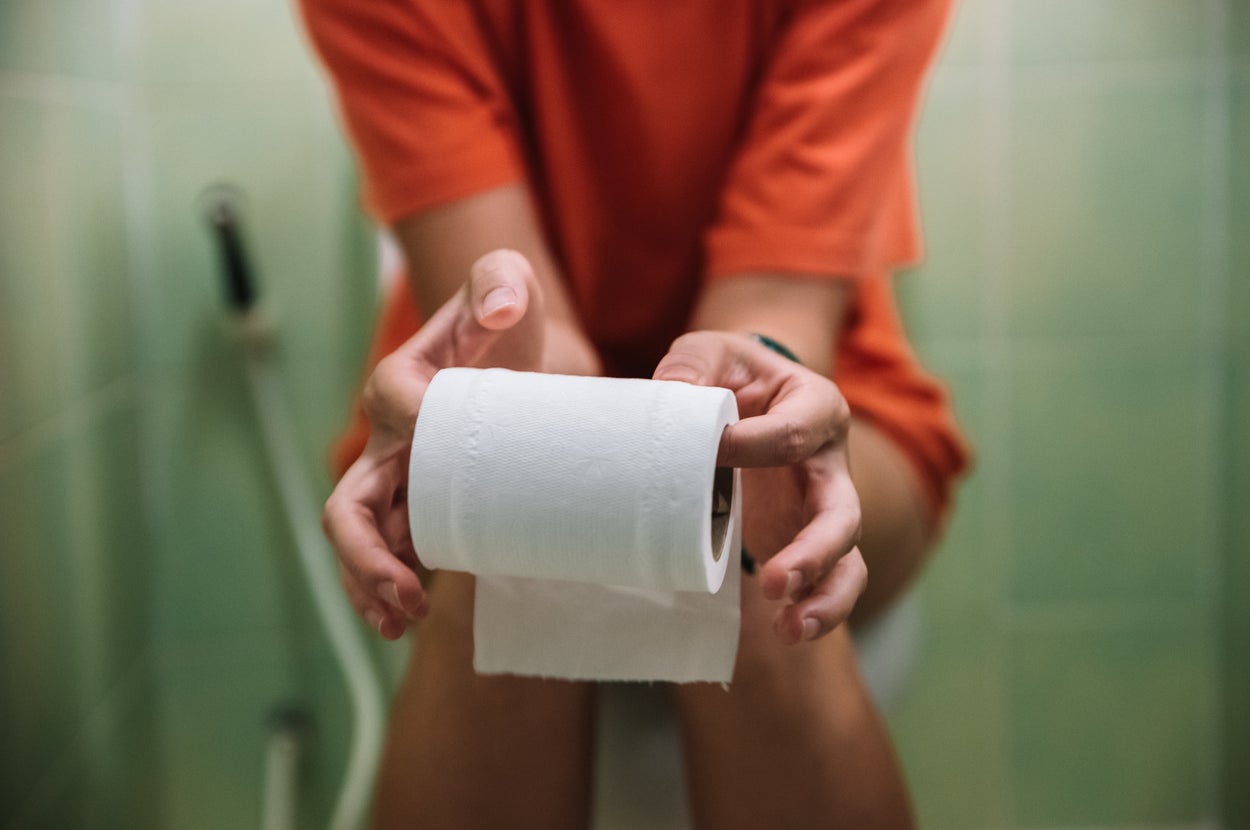
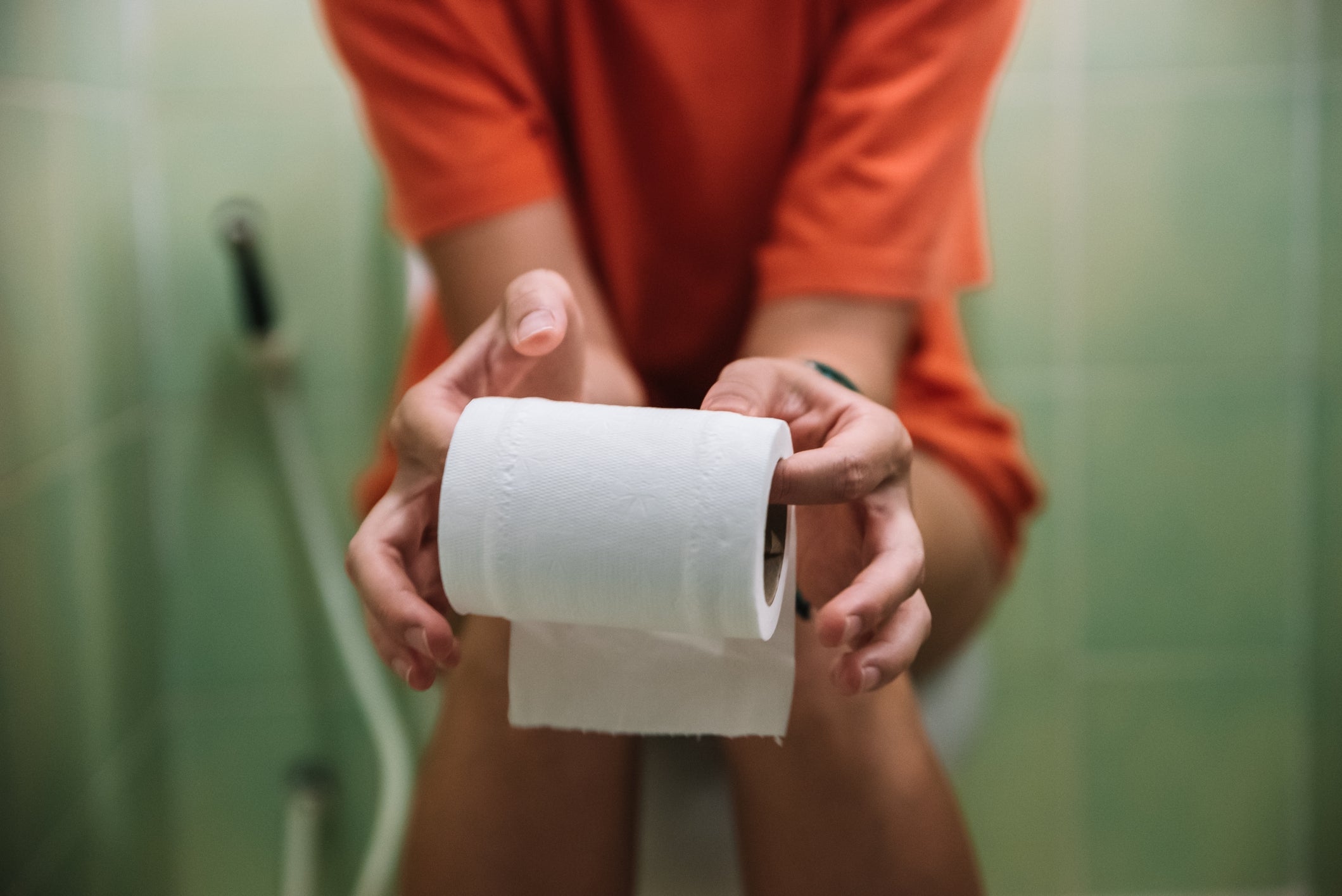
Woman sitting on toilet holding toilet paper roll

You can’t fully control when you’ll experience the pristine poop, but there are some things you can do to encourage it.

Sometimes, gastroenterologist Dr Islam shared in a YouTube video, what feels like the urge to pass stool is actually just gas.

This happens when you’ve got too much air in your gut, which “innervates or activates the nerves inside your colon [and rectum] and gives you that urge to have a bowel habit,” the doctor shared.

There are some instances where this might be worth seeing a doctor about. In fact, speaking to TODAY, gastroenterologist Dr Rabia De Latour said a condition called tenesmus can make you “feel like there’s something in there, but nothing is coming out of the rectal vault”. It might also make you feel like you haven’t “finished” on the loo and can lead to pain, straining and cramping.

This can be caused by inflammation due to conditions like Crohn’s disease, irritable bowel syndrome (IBS), ulcerative colitis, an abscess, bowel infection, and more. So, it’s worth speaking to your GP if you notice this.