yahoo Press
Road closures in Texas today: See flood impact on map
Images
1 / 7

2 / 7

3 / 7
4 / 7
5 / 7

6 / 7

7 / 7
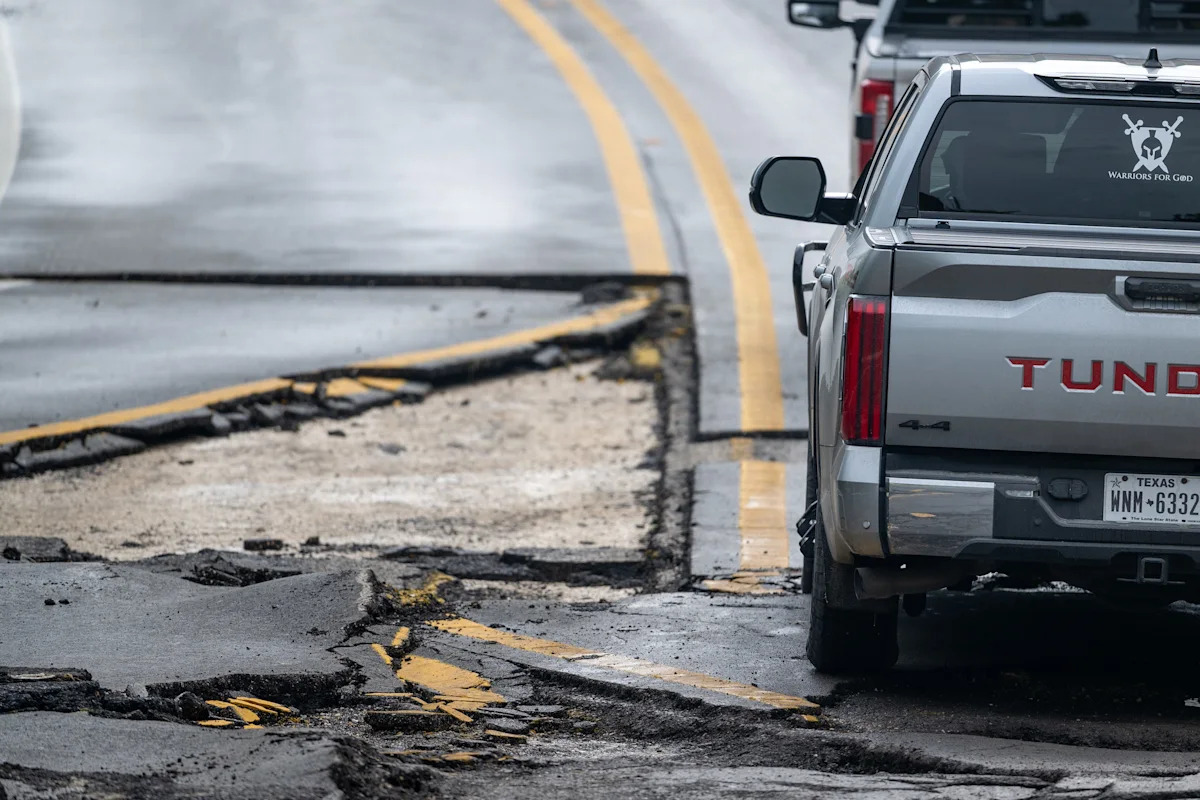
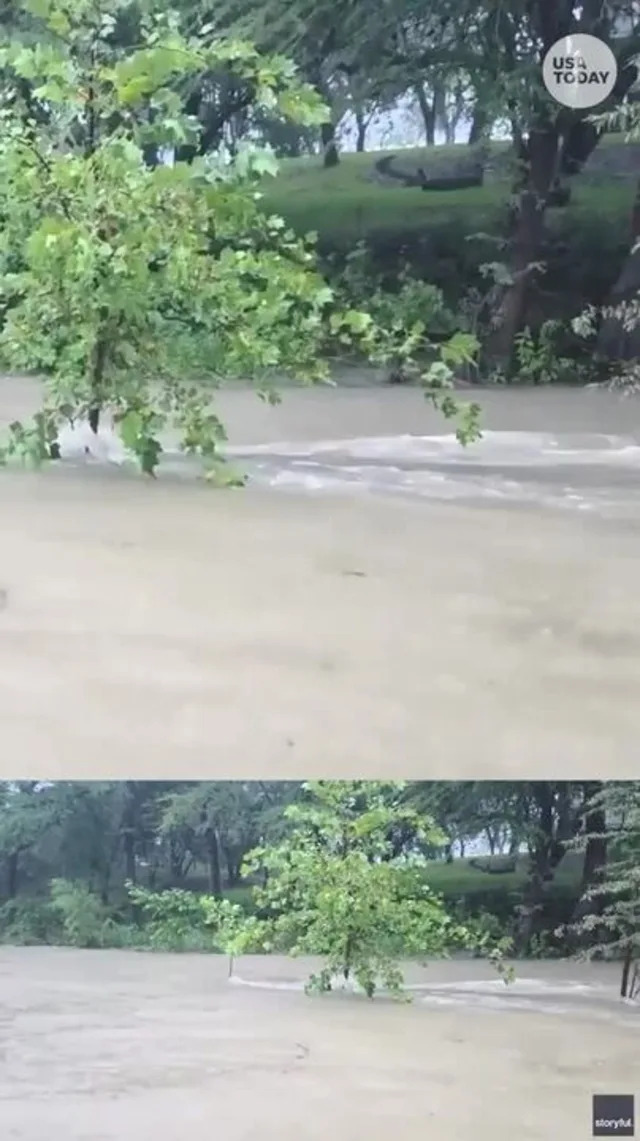
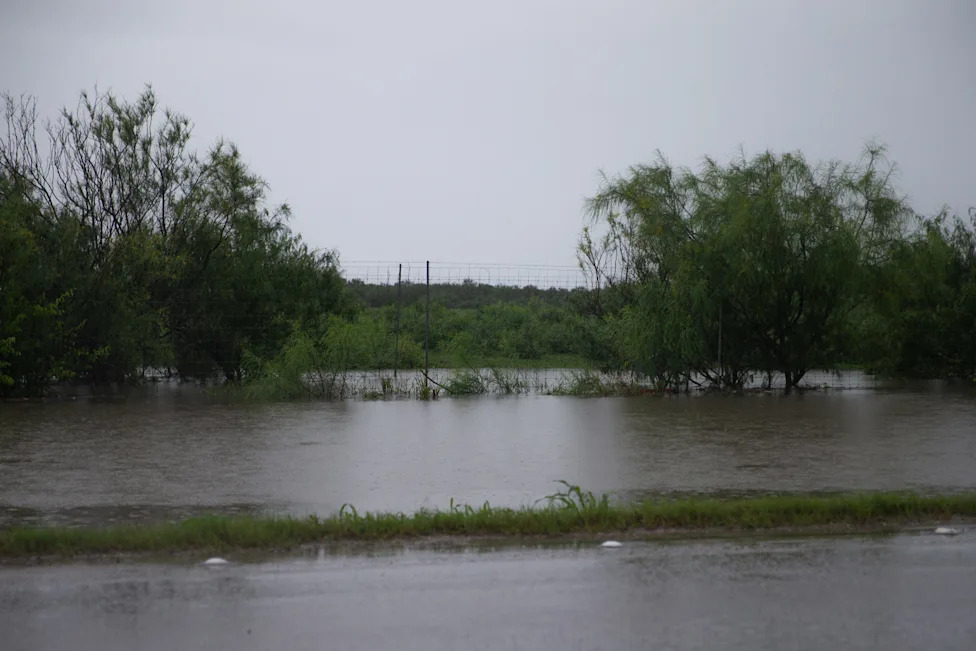
Dozens of roads across the Texas Hill Country are closed because of flooding and damage caused by powerful floodwaters.

A Texas Department of Transportation map shows multiple highway and road closures on Friday, July 17, in parts of Uvalde, Kerrville, Brackettville, Fredericksburg and other communities as storms continue to batter the region.

Several Texas counties remain under flood warnings and watches and flash flood warnings, including the Hill Country, where raging floodwaters turned roads into rivers and prompted hundreds of rescues. At least two people have died in the flooding, Gov. Greg Abbott confirmed.

More: 2 dead as catastrophic floods once again hit Texas Hill Country

A flood watch remains in effect for parts of the Hill Country, southern Edwards Plateau, and Rio Grande Plains through noon Friday, July 17. New rainfall of two to four inches is possible, with totals of up to an isolated amount of eight inches, in the region, the National Weather Service said.

Some of the road closures have an anticipated ending time of later on Friday, while others are expected to last through the weekend.

Here's what to know about roads impacted by floodwaters and how to stay safe.

The deadly floodwaters have damaged roadways and spread debris over streets, especially in southwest and central Texas. One bridge in Uvalde County, the FM 481 bridge, has collapsed due to severe flooding, TxDOT shared on Facebook.

Aerial images show the bridge nearly submerged by floodwaters, with a section of the structure washed away.

"Stay away from flooded areas, obey all road closures, and never drive around barricades. Your safety comes first," TxDOT advised drivers on Facebook.

In a later post, TxDOT shared an on-the-ground look at the collapsed bridge, showing floodwaters still rushing across the collapsed portion.

``

To see the impact of flooding on Texas roads, visit DriveTexas.

During a flood, water levels and the rate the water is flowing can quickly change. Remain aware and monitor local radio and television outlets. Avoid flood waters at all costs and evacuate immediately when water starts to rise.

Stay Informed: Listen to radio and television, including NOAA Weather Radio if possible, check the Internet and social media for information and updates.

Get to Higher Ground: If you live in a flood-prone area or are camping in a low-lying area, get to higher ground immediately.

Obey Evacuation Orders: If told to evacuate, do so immediately. Lock your home when you leave. If you have time, disconnect utilities and appliances.

Practice Electrical Safety: Don't enter a basement or any room if water covers electrical outlets or cords are submerged. If you see sparks or hear buzzing, crackling, snapping or popping noises, get out. Stay out of water that may contain electricity.

Avoid Flood Waters: Don't walk through flood waters. It only takes 6 inches of moving water to knock you off your feet. If you are trapped by moving water, move to the highest possible point and call 911 if possible.

Do NOT drive into flooded roadways or around a barricade.  Water may be deeper than it appears and can hide hazards such as sharp objects, washed-out road surfaces, electrical wires and chemicals. A vehicle caught in swiftly moving water can be swept away in seconds. 12 inches of water can float a car or small SUV, and 18 inches of water can carry away large vehicles.

Natassia Paloma may be reached at npaloma@gannett.com, @NatassiaPaloma on X, natassia_paloma on Instagram, and Natassia Paloma on Facebook.

This article originally appeared on USA TODAY: Road closures in Texas today: See flood impact on map