buzzfeed Press
I’ve Been Curling My Hair Wrong For Years – Bella Hadid’s Hairstylist Finally Set Me Straight
Images
1 / 10
2 / 10
3 / 10
4 / 10
5 / 10
6 / 10
7 / 10
8 / 10
9 / 10
10 / 10
From prep and product choice to the biggest mistakes that make curls fall flat, celebrity hairstylist Syd Hayes shares the techniques behind long-lasting, effortless waves.

There's just one thing I've never cracked the code with: my hair.

Getting curls to stay put and behave pretty much falls into the same category as dating. It all starts off great; you see the potential – then before you know it, it all falls flat, and you give up.

So when I got the chance to learn from celebrity hairstylist Syd Hayes, I was paying attention. Syd is one of the most in-demand hairstylists working in fashion right now. His work regularly appears on runways, in editorial shoots, and on red carpets, and he’s behind some of the most recognisable hair moments for the likes of Bella Hadid, Naomi Campbell, Maya Jama, and Zara Larsson.

He also knows how to turn that kind of styling into something the rest of us can actually do at home, which is where things get interesting.

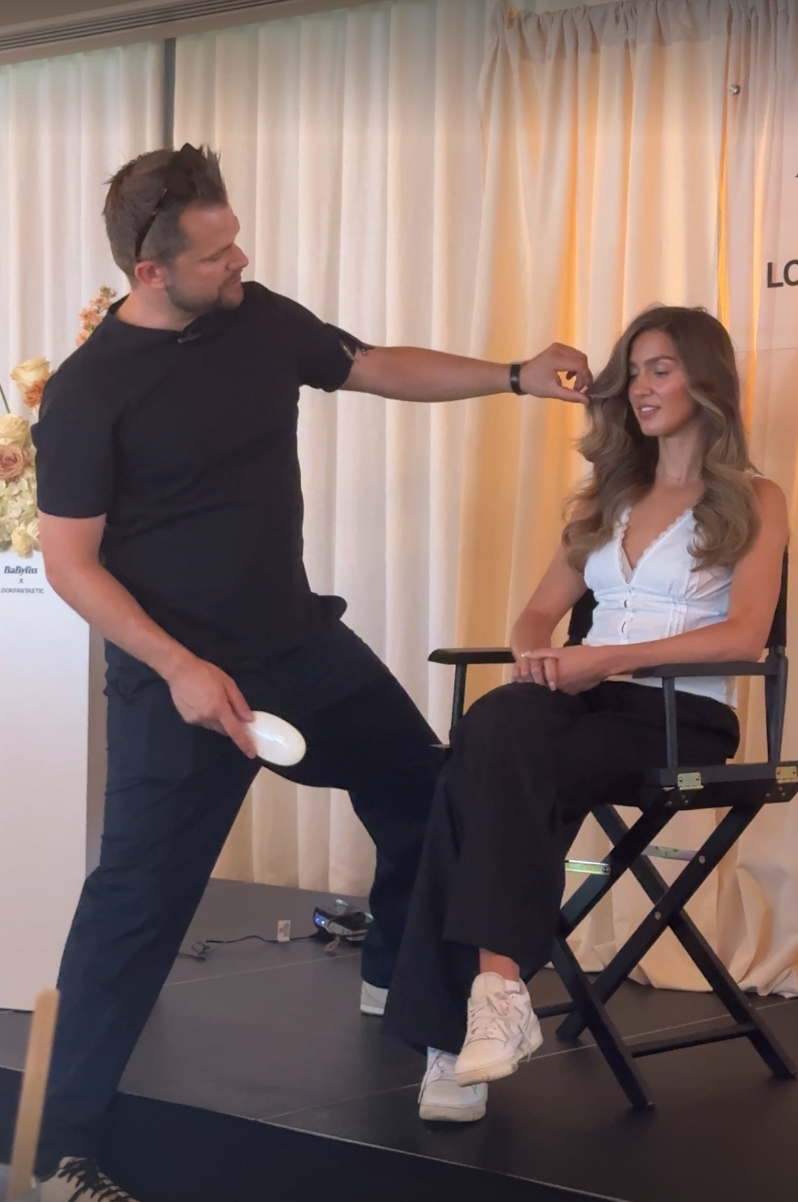
At the BaByliss masterclass, Syd stripped it back to the basics and intentional tweaks that separate curls that fall limp instantly from styles that actually last.

Syd shared a crucial reminder: styling starts long before you pick up a hair tool.

“Creating the right foundation makes all the difference to how the final look will sit and last,” he says. “It really is everything.”

Many of us know that freshly washed hair is generally harder to style; it's easy to forget that texture is what helps a look last. According to Syd, creating a bit of grip with the right products gives the hair something to hold onto, allowing curls and waves to maintain their shape for longer.

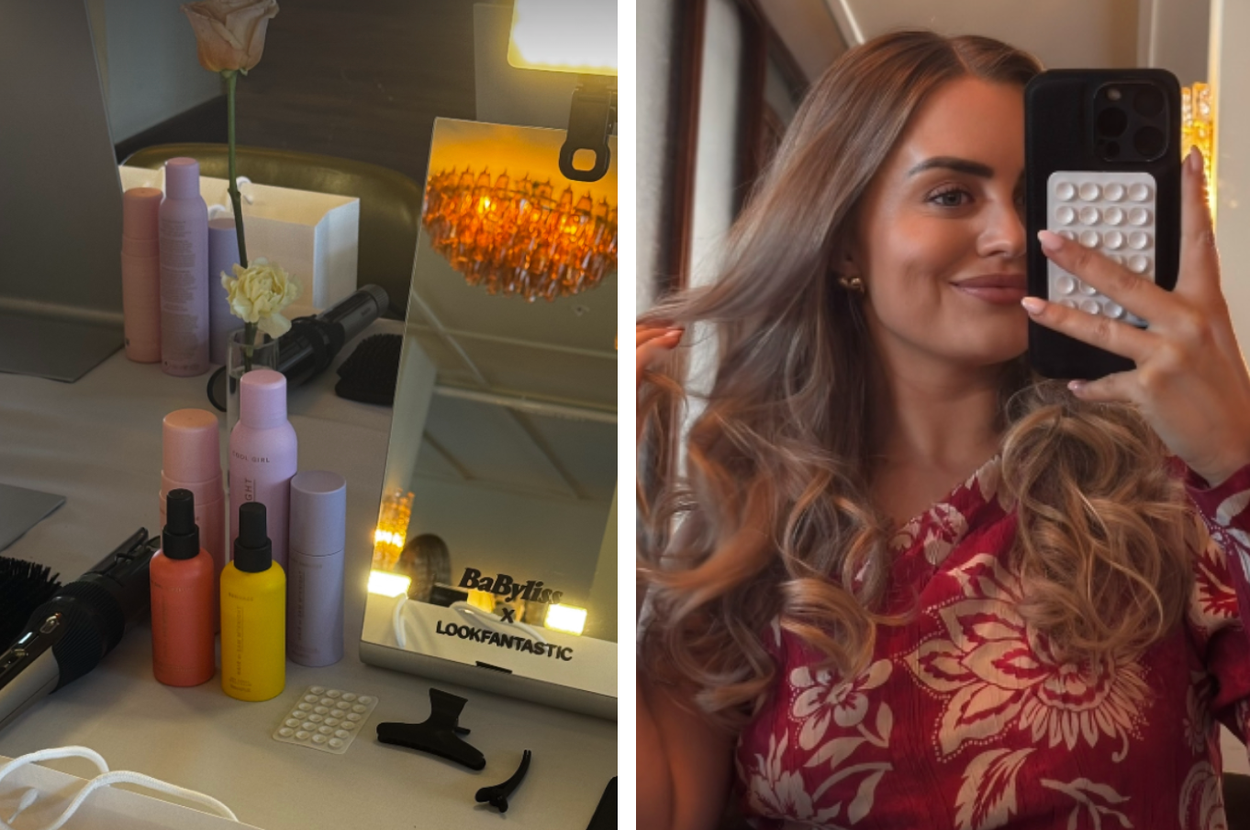
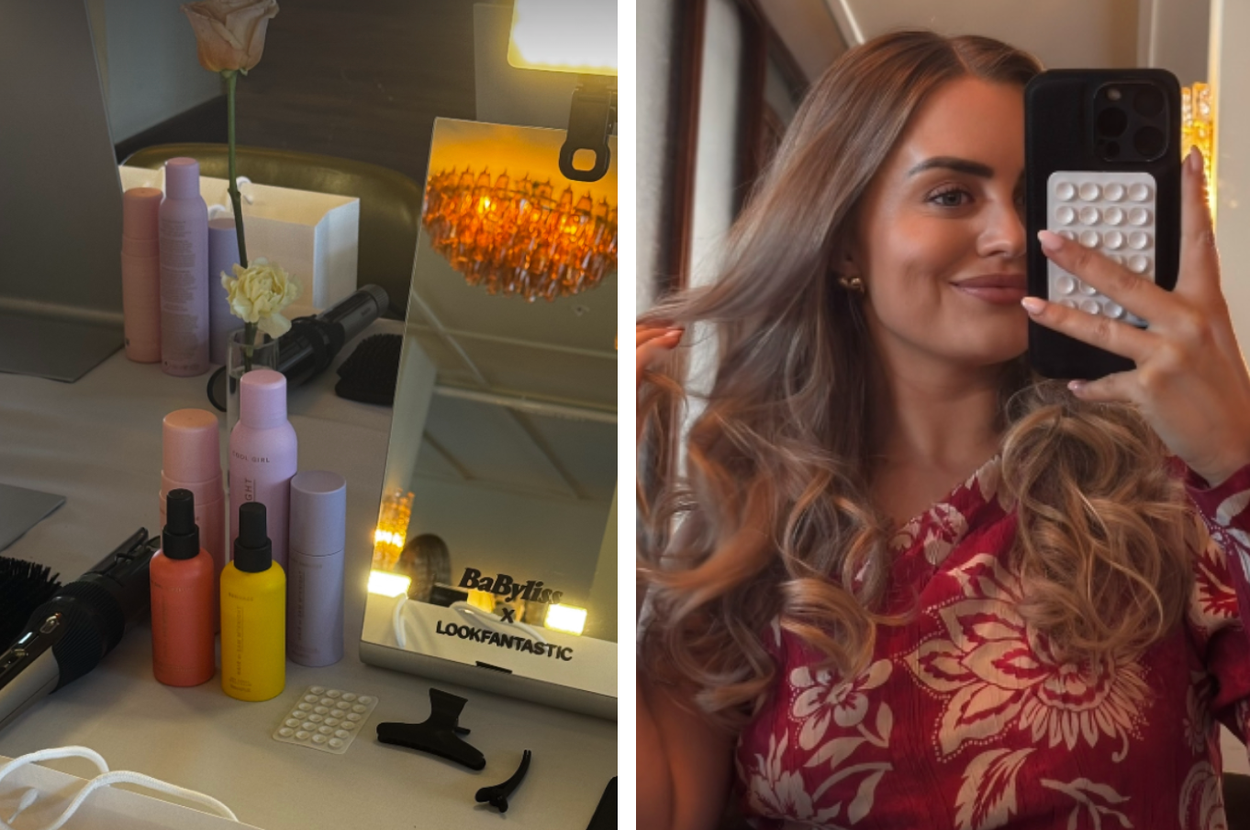
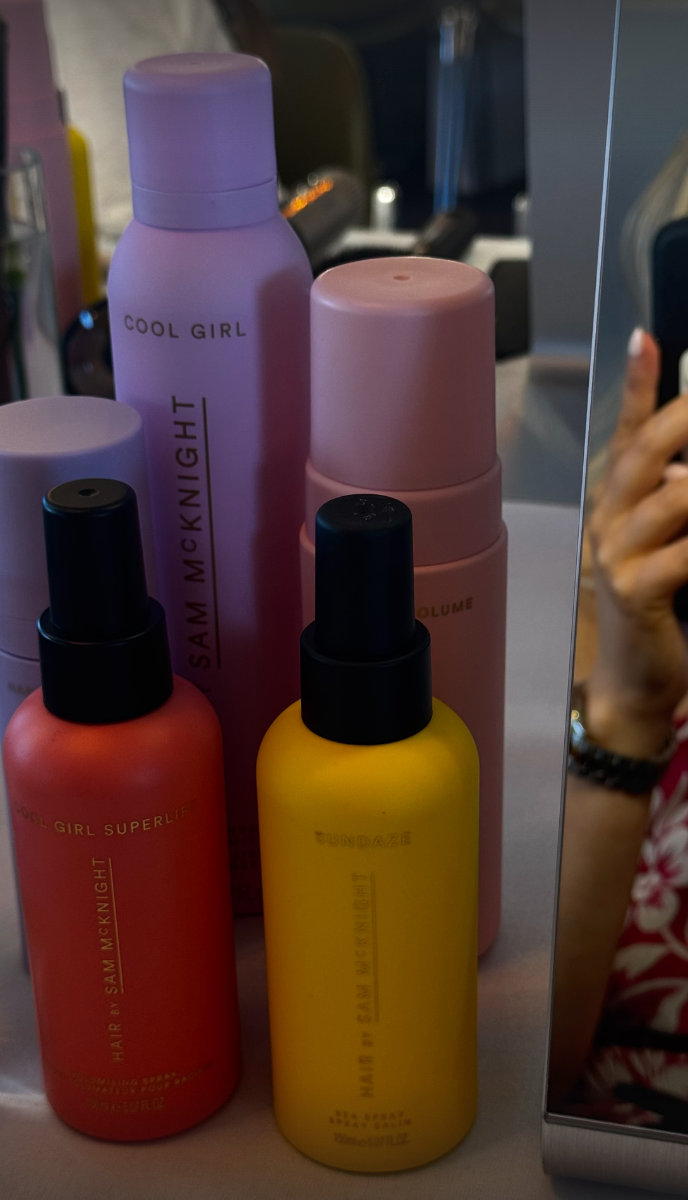
As for salon-worthy recommendations, Syd suggests Hair by Sam McKnight “because it’s been created by a true hair icon who understands exactly what hair needs.”

“I’m particularly obsessed with Cool Girl Super Lift Spray because it gives both volume and texture without feeling heavy,” he adds.

The finishing products matter just as much, too. You can create the perfect curl, but if you're not locking it in correctly, all that effort goes to waste.

That advice is especially important if, like me, your hair naturally struggles to hold any kind of shape.Syd says it all comes back to preparation: "If your hair is naturally straight and struggles to hold shape, start by adding a volume mousse or hair-thickening spray before styling – but avoid anything too sticky or heavy, as that can actually weigh the hair down and stop movement."Once you've finished styling, he recommends locking everything in with texture spray rather than simply piling on hairspray, which he says "gives the hair more grip and longevity."

One thing Syd was keen to stress throughout the masterclass was that there's no universal styling formula. While the goal might be the same – hair that looks effortless rather than overdone – the route to getting there depends entirely on your natural texture.

"My core principle is always creating hair that feels effortless, modern, and authentic to the person wearing it," he explains. "Adapting to different hair types and textures is crucial, because every texture behaves differently and requires its own approach."

That starts with choosing the right products. "Understanding which products work best is key – textured hair, for example, requires a very different strategy to naturally straight hair."

“Smoothing and controlling the hair before styling is incredibly important,” he shares. “I love using products that smooth without weighing the hair down, such as the new Funner Silk Screen Perfecting Oil, which gives beautiful shine and control without heaviness.

“It’s always important to create a polished foundation before adding movement. I’ll smooth the hair first and then build in soft waves or curls.”

When it comes to hair tools, it's easy to get swept up in the idea that the higher the price tag, the better the results. And let’s face it, the marketing is convincing.

But Syd was quick to point out that great hair isn't necessarily about spending hundreds of pounds. It's about finding the right tool and knowing how to use it.

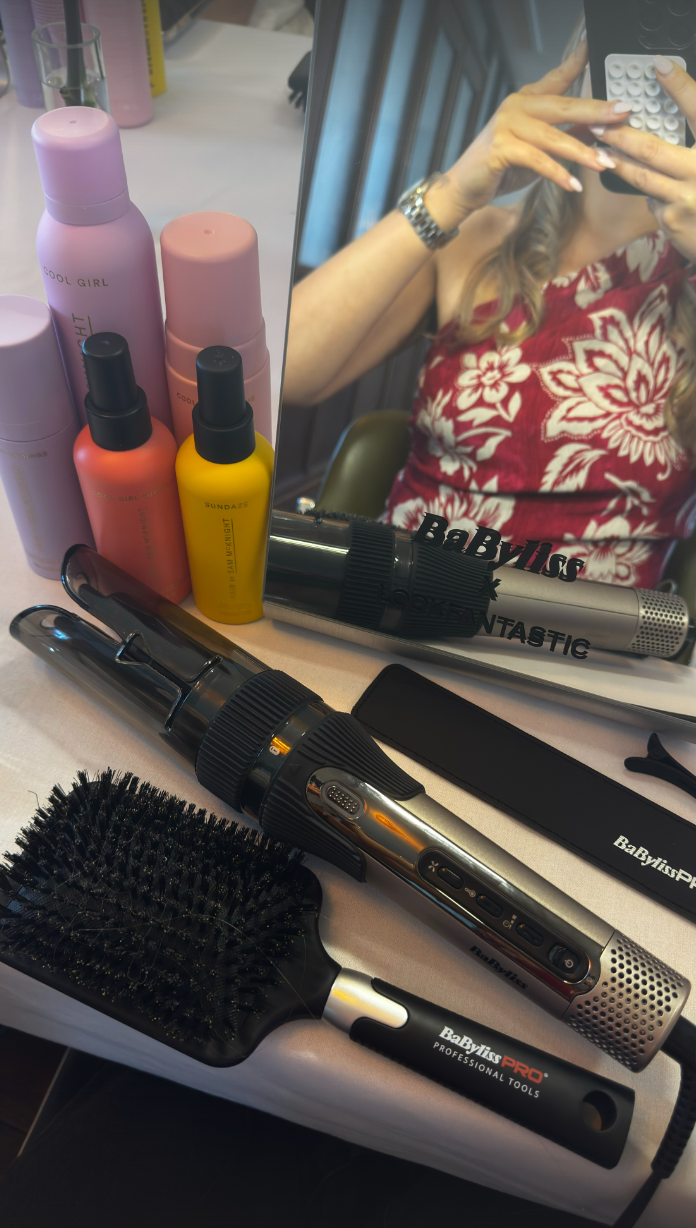
The tool he demonstrated was the BaByliss Style Secret Air Curler and Waver. At around £100, it's considerably cheaper than some of the expensive options dominating TikTok, yet the results speak for themselves.

This might be the least glamorous tip of the lot, but it's arguably the most useful.

We've all bought a new gadget, used it once, and decided it wasn't for us. According to Syd, a lot of people never get the best out of their styling tools simply because they haven't spent enough time understanding how they work.

A few minutes of research can be the difference between writing a tool off and discovering your new favourite styling shortcut.

Syd also pointed out that understanding how your tool works means knowing you don't have to follow every setting religiously.

"The BaByliss Style Secret Air has an incredible air setting that creates soft movement with less heat stress on the hair. My tip is to work with slightly larger sections on a lower timing setting,” he says, adding: “Don't feel tied to the beep either – you can remove the hair slightly earlier and gently hold the ends to soften and loosen the shape for that cooler, more effortless wave."

Let's be honest, most of us aren't styling every single section of our hair before work or dinner plans. And you don't have to.

If you've only got 15 minutes and want to spruce up your bed head before a last-minute calendar invite, Syd advises "focusing just on the front sections and creating a soft bend around the face. Then tuck the hair behind the ears to encourage a really flattering shape and movement."

"Leave the rest of the hair to air dry, and suddenly you've got an effortless, cool-girl wave that feels modern rather than over-styled,” he shares.

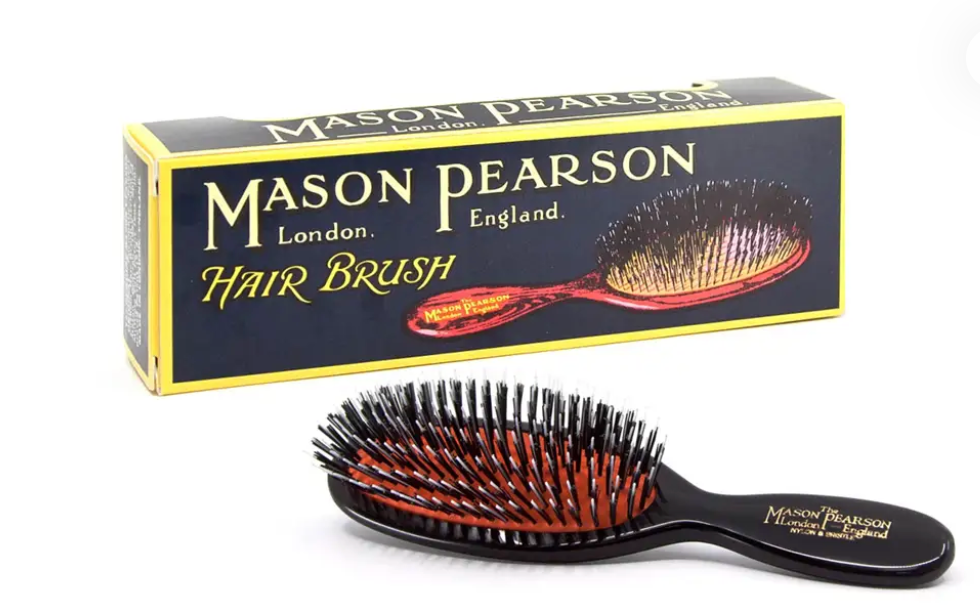
One thing Hayes was particularly passionate about and says can make all the difference, however, is a good hairbrush. He highlighted the popularity of Mason Pearson brushes among professional stylists, thanks to their boar bristles, which help transform tighter curls into soft, voluminous waves.

You don't necessarily need the designer version. The real magic is in the bristle type, and there are plenty of more affordable alternatives available.