Press
How to stay cool and treat heatstroke during a heatwave
Images
1 / 7

2 / 7

3 / 7

4 / 7

5 / 7

6 / 7

7 / 7
Heatstroke is a severe medical condition that occurs when a human body’s internal temperature exceeds 40C (104F). Here are some tips to help minimise its risk.

Save

Share

As summer temperatures soar in various regions across the globe, with some even shattering all-time heatwave records, staying cool becomes crucial.

Fortunately, there are effective ways to beat the heat, whether you have air conditioning or not.

One of the biggest health concerns with hot weather is the risk of heat-related illnesses, particularly heat exhaustion and heatstroke. In this visual explainer, Al Jazeera provides practical tips to deal with heatstroke, build a homemade cooler with everyday items and keep your house cool.

Heatstroke, also known as sunstroke, is a severe medical condition that occurs when the human body’s internal temperature exceeds 40 degrees Celsius (104 degrees Fahrenheit). If not treated immediately, heatstroke can lead to organ failure and brain damage, and can even be life-threatening.

The graphic and list below summarise 10 tips to help minimise the risk of heatstroke:

If you or another person is experiencing heatstroke symptoms, such as confusion or altered mental state, rapid heartbeat, rapid breathing, high body temperature, dehydration or nausea, here are a few steps to bring down your body temperature while waiting for emergency medical aid.

Follow these steps until professional help reaches the patient.

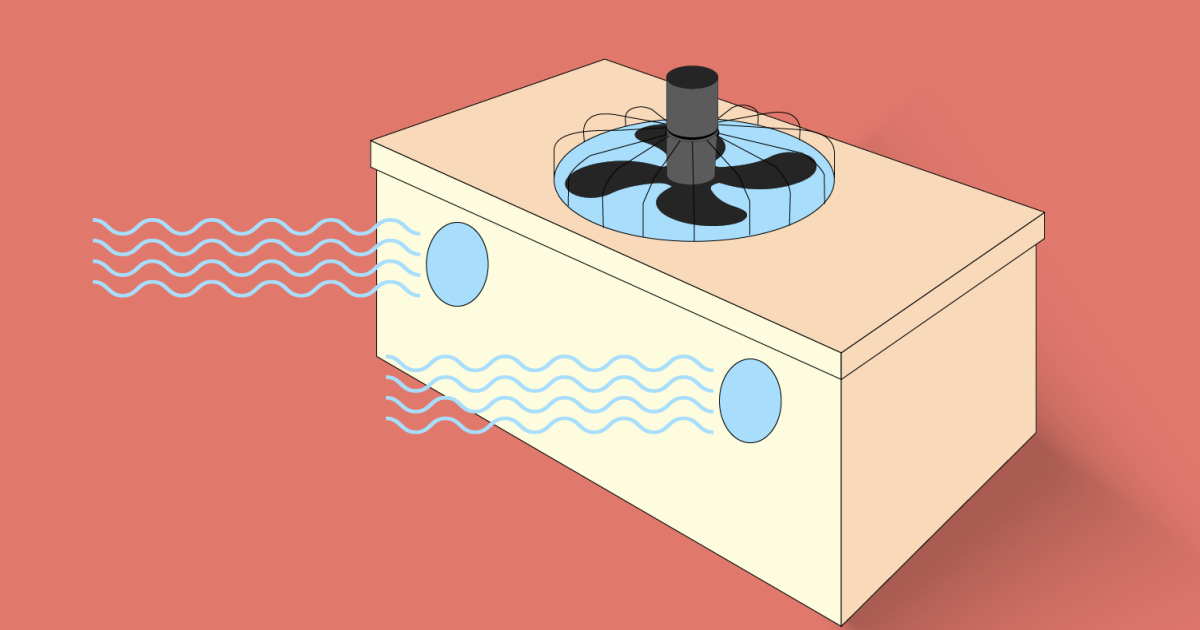
In case you do not own an air conditioner, or are trying to save on energy costs, here are some steps you can follow to build your own DIY cooler out of a styrofoam cooler, ice and a fan.

While this will not necessarily help with the humidity, it can provide temporary relief during the hottest summer days.

Another energy-efficient way to keep your house cool is to utilise the flow of the natural breeze. You can do this by opening and closing certain windows and doors to direct the air where you need it the most.