buzzfeed Press
The Rest Of The World Is Talking About These 15 Stories, And The US Barely Noticed
Images
1 / 20

2 / 20

3 / 20
4 / 20
5 / 20
6 / 20

7 / 20
8 / 20
9 / 20
10 / 20
11 / 20

12 / 20
13 / 20
14 / 20
15 / 20

16 / 20
17 / 20

18 / 20
19 / 20

20 / 20
From families in Vietnam ordered to dig up ancestral graves for a Trump-branded golf resort, to France breeding millions of sterilized mosquitoes, to the week Washington abruptly locked the rest of the world out of America’s most powerful AI, here’s what the rest of the world has been watching while it barely registered in US headlines.

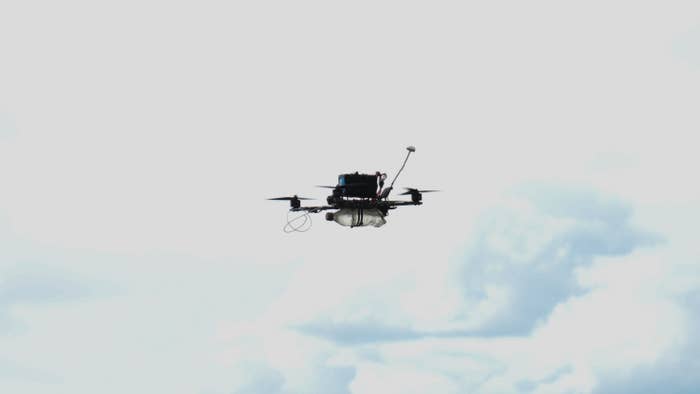
Why it matters: No international law bans weapons that kill without human approval, even as the world’s biggest militaries race to build them. US policy already sets a low bar. It asks only for “appropriate levels of human judgment,” which does not require a person to sign off on each strike. A commander can switch a system on and let it find and fire on its own targets. The rules are loosening, too.

In early June, the Pentagon was ordered to rewrite its autonomous weapons guidelines within 90 days and strip out existing oversight, part of a roughly $54 billion push for a new autonomous warfare command aimed at China. This one test may never be confirmed. However, the technology behind it already exists.

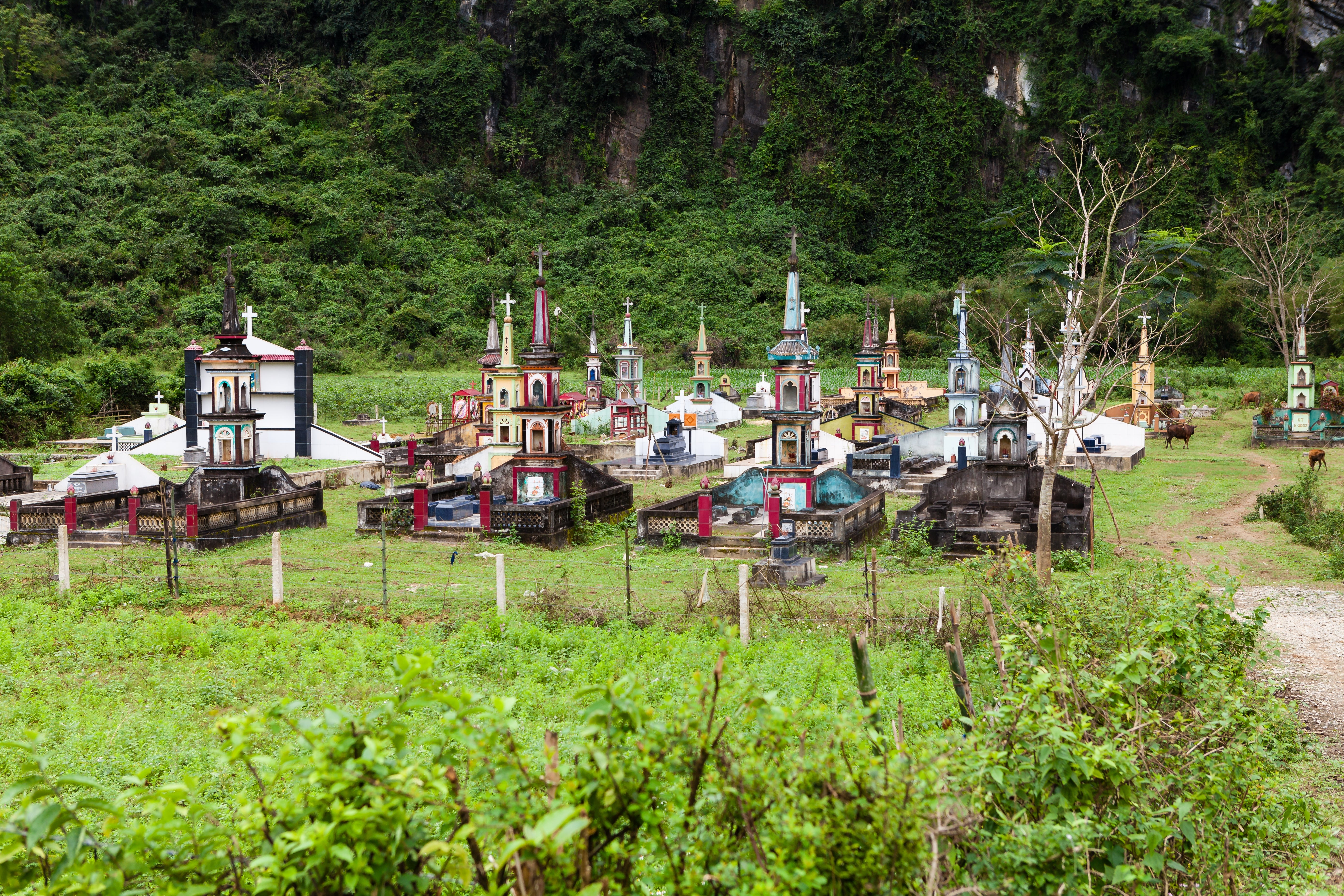
Why it matters: Vietnam relies on the US for nearly a third of its exports, leaving it highly exposed to trade swings. When Trump threatened a 46% tariff last year, Hanoi scrambled and eventually secured a cut to 20%. During those months of bargaining, the government fast-tracked the Trump-branded resort, skipping standard environmental and public oversight steps.

A provincial letter obtained by The New York Times cited the president’s “personal attention” as the reason for the rapid approval. The White House says official trade policy is separate from the family business, though the president’s financial records show he remains a beneficiary of the company now run by his sons.

Sources: The Independent | The New York Times | Luật Khoa | NPR

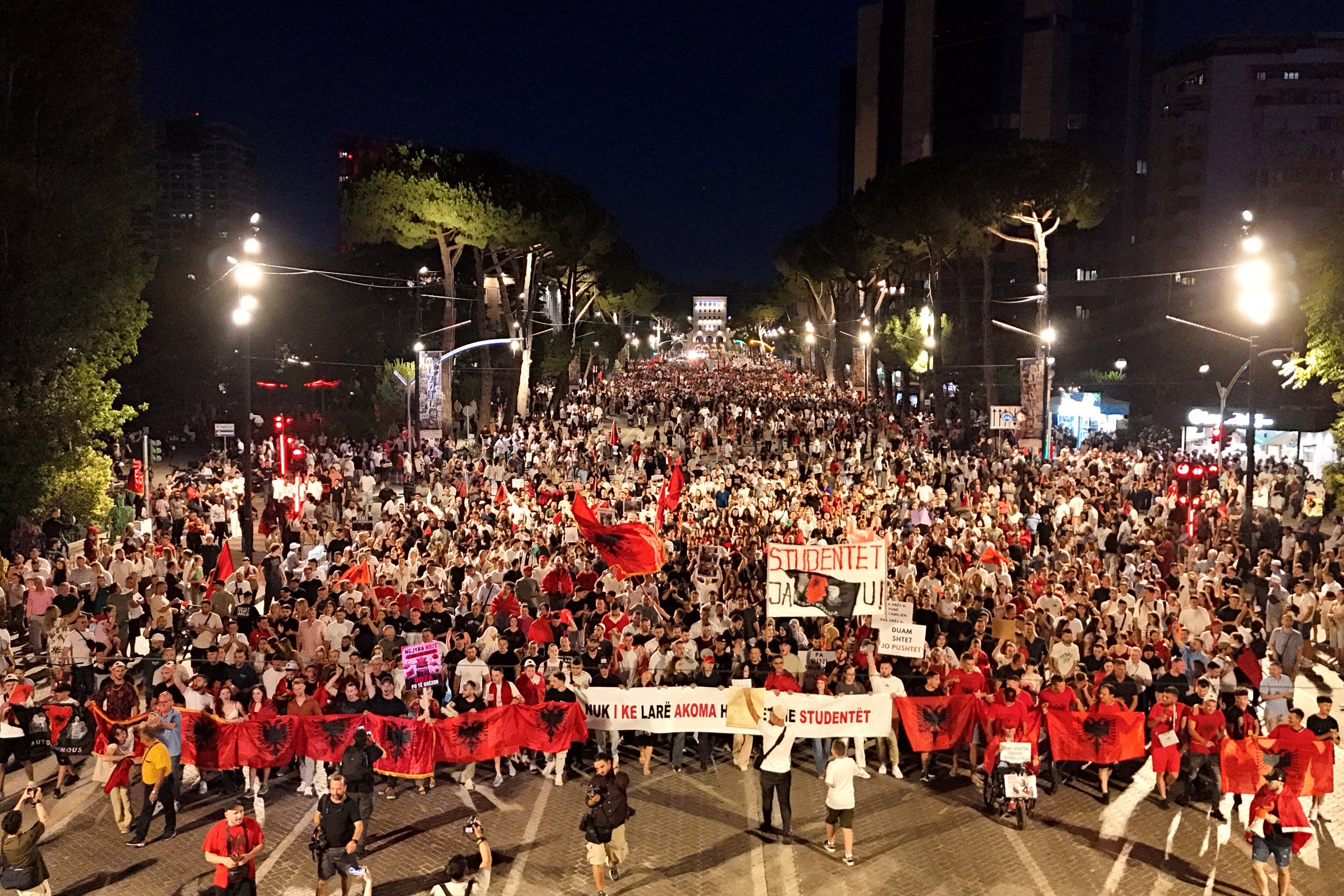
Why it matters: Albania is seeking European Union membership, and Brussels has warned that the project could breach the environmental and rule-of-law standards that accession requires. The dispute over one resort has thus become a test of whether the government can strip protections from public land and grant special status to politically connected investors while staying on track for membership.

The protests have also since widened into broader opposition to Rama’s government. Anti-corruption prosecutors are now examining how the land was acquired, while European officials review whether the project complies with EU law.

Sources: OCCRP | NPR | Reuters | Euronews

Why it matters: American companies control much of the digital infrastructure the rest of the world relies on. Amazon, Google, and Microsoft dominate cloud computing, while OpenAI and Anthropic lead in AI. A 2018 US law lets American authorities access data that US companies store overseas, and American technology underpins many of Europe’s hospitals, power grids, and defense systems.

In early June, before the cutoff, the EU unveiled a “digital sovereignty” package to curb its dependence, capping the presence of foreign firms in sensitive sectors, funding homegrown AI and chips, and aiming to wean itself off foreign suppliers that provide more than 80% of its digital technology. The European Parliament even said it would drop Google for the French search engine Qwant. For European officials, Washington’s cutoff only strengthened its case.

Sources: Euronews | The Guardian | The New York Times

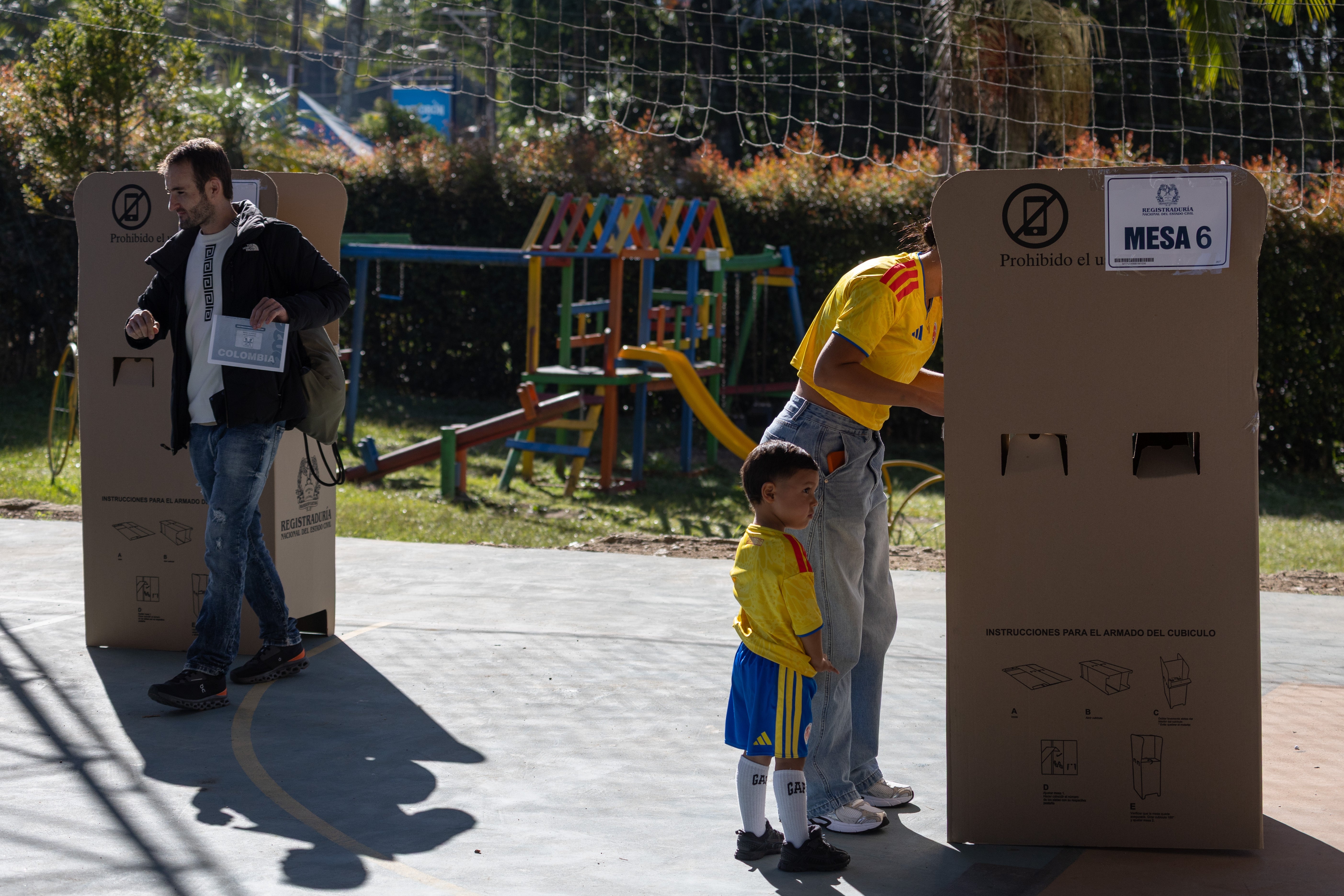
Why it matters: After six decades of internal conflict, Colombia is split between two irreconcilable models for dealing with its armed groups. One candidate seeks to continue negotiations, while the other pledges a hard-line military offensive.

The outcome will also reshape the country’s relationship with Washington. By endorsing de la Espriella as “El Tigre” and dismissing his rival as a radical leftist Marxist, President Trump has put his thumb on the scale, turning Colombia’s internal security choice into a test of US influence in the region. As voters head to the June 21 runoff, they are deciding whether the state continues to pursue peace through diplomacy or pivots to military force and closer alignment with Washington’s security agenda.

Sources: Al Jazeera | CNN | The New York Times | PBS News | Reuters | La Silla Vacía | Razón Pública | The City Paper Bogotá (1) | The City Paper Bogotá (2)

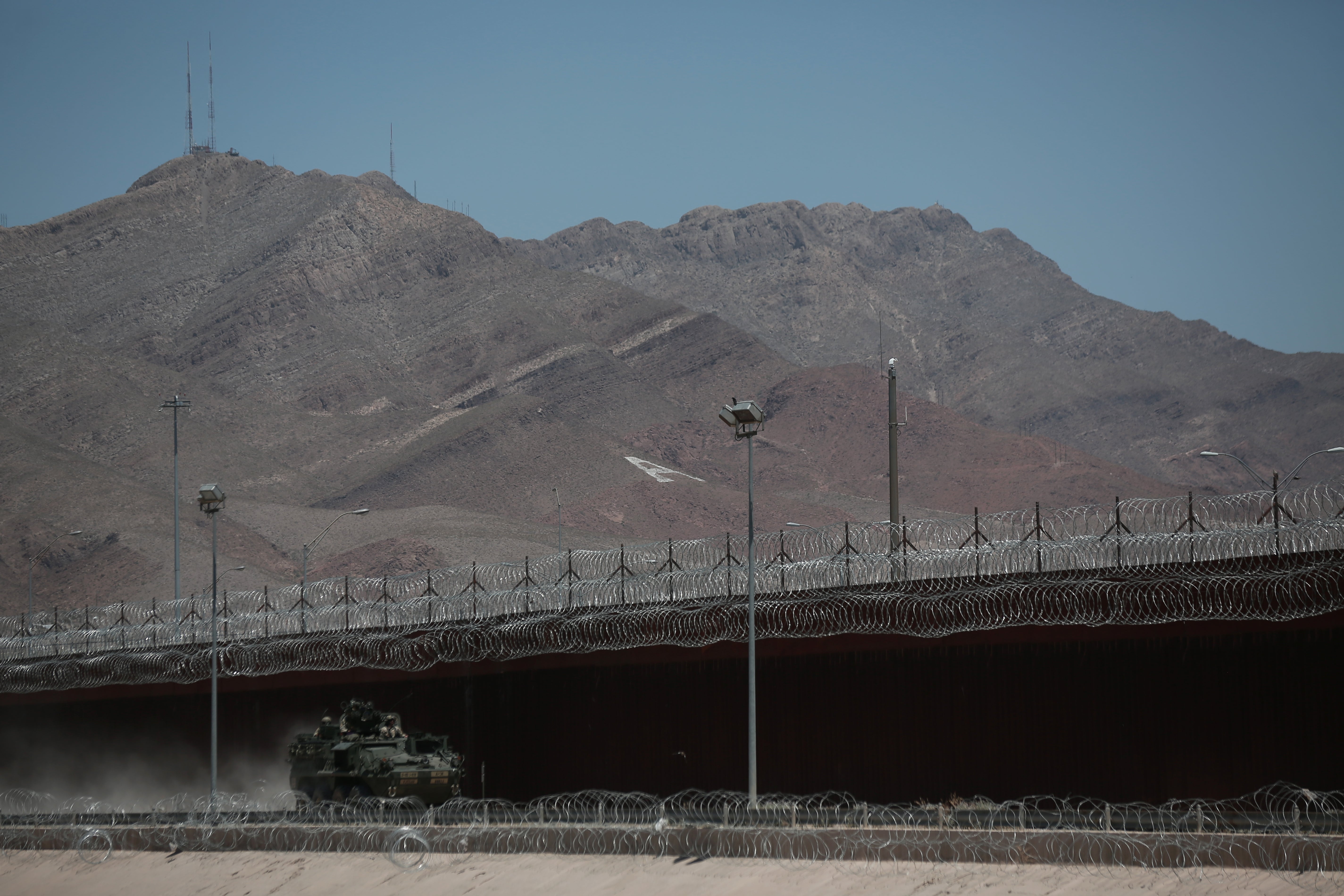
Why it matters: The data does not stay in Mexico. Under a 2022 agreement, the state of Chihuahua shares surveillance information with US agencies, including Customs and Border Protection, the FBI, and ICE. One floor is being reserved for an intelligence-sharing center that officials say could include US agencies, pending approval from Mexico’s foreign ministry. Civil liberties groups warn that the data could be used to detain and deport migrants.

Seguritech is also pushing into the US market, registering companies in Texas and Delaware. Its systems are part of a broader Mexican state apparatus with a record of abuse. In 2014, police tracked 43 students who then disappeared, and Mexico became the first government caught using Pegasus spyware on its own journalists and activists. Much of the tower remains opaque, as its contracts are classified, and US agencies are declining to release records.

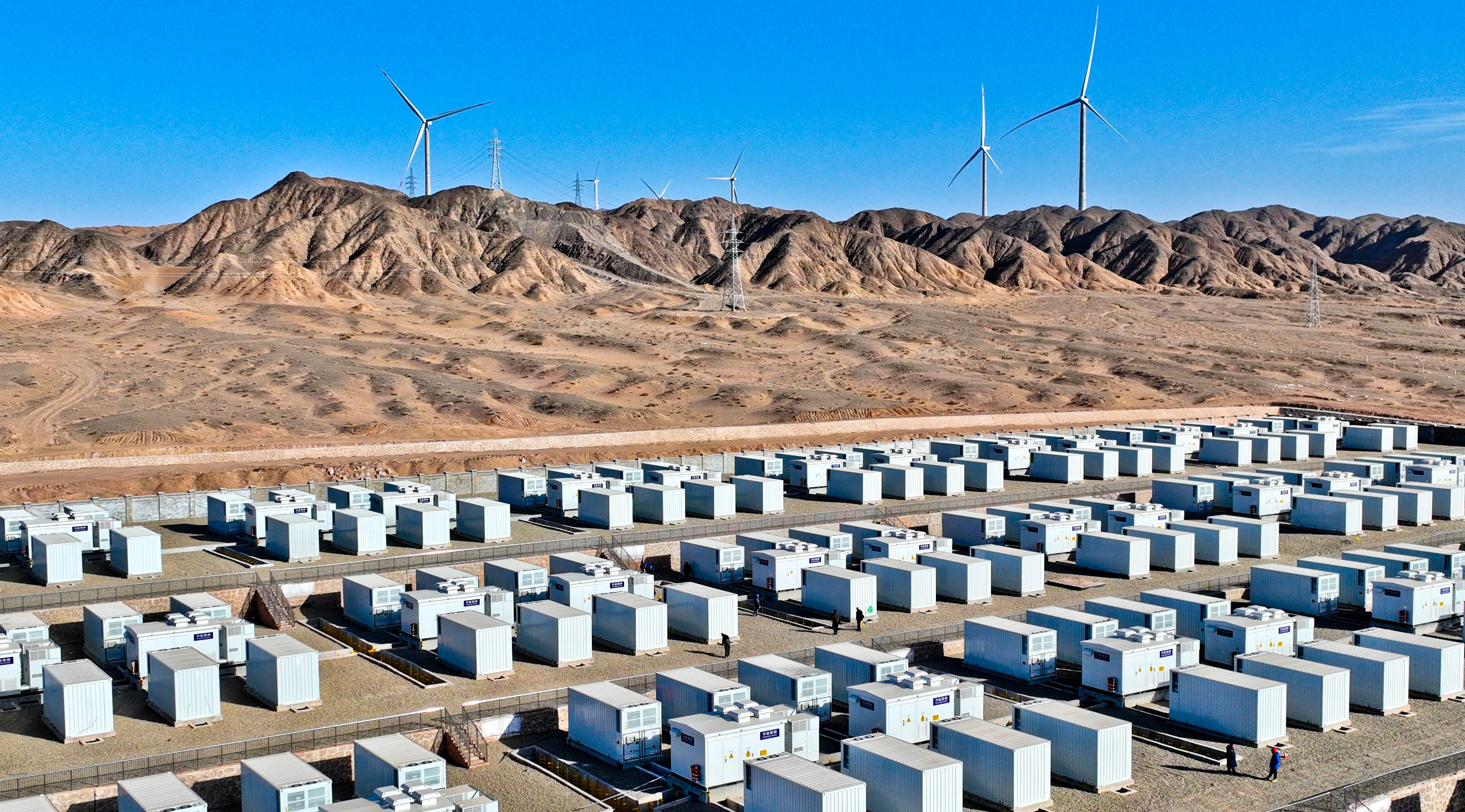
Why it matters: As batteries undercut gas, the basis of energy security shifts. For decades, it hinged on access to fuel and the transit routes that carry it, making chokepoints like the Strait of Hormuz vital strategic assets. A grid powered by solar, wind, and storage has no fuel bill, so the cost and supply risks shift to the batteries themselves and to whoever makes them. Today, that is mostly China.

Countries that build storage-heavy grids therefore trade dependence on imported fuel for dependence on Chinese manufacturing. Western producers are trying to close the gap, with roughly 10 North American plants built for EV batteries now converting to grid storage. But sodium-ion, the chemistry many see as the way around lithium’s China-controlled supply chain, is itself made almost entirely in China.

Sources: Nikkei Asia | Wood Mackenzie | MIT Technology Review

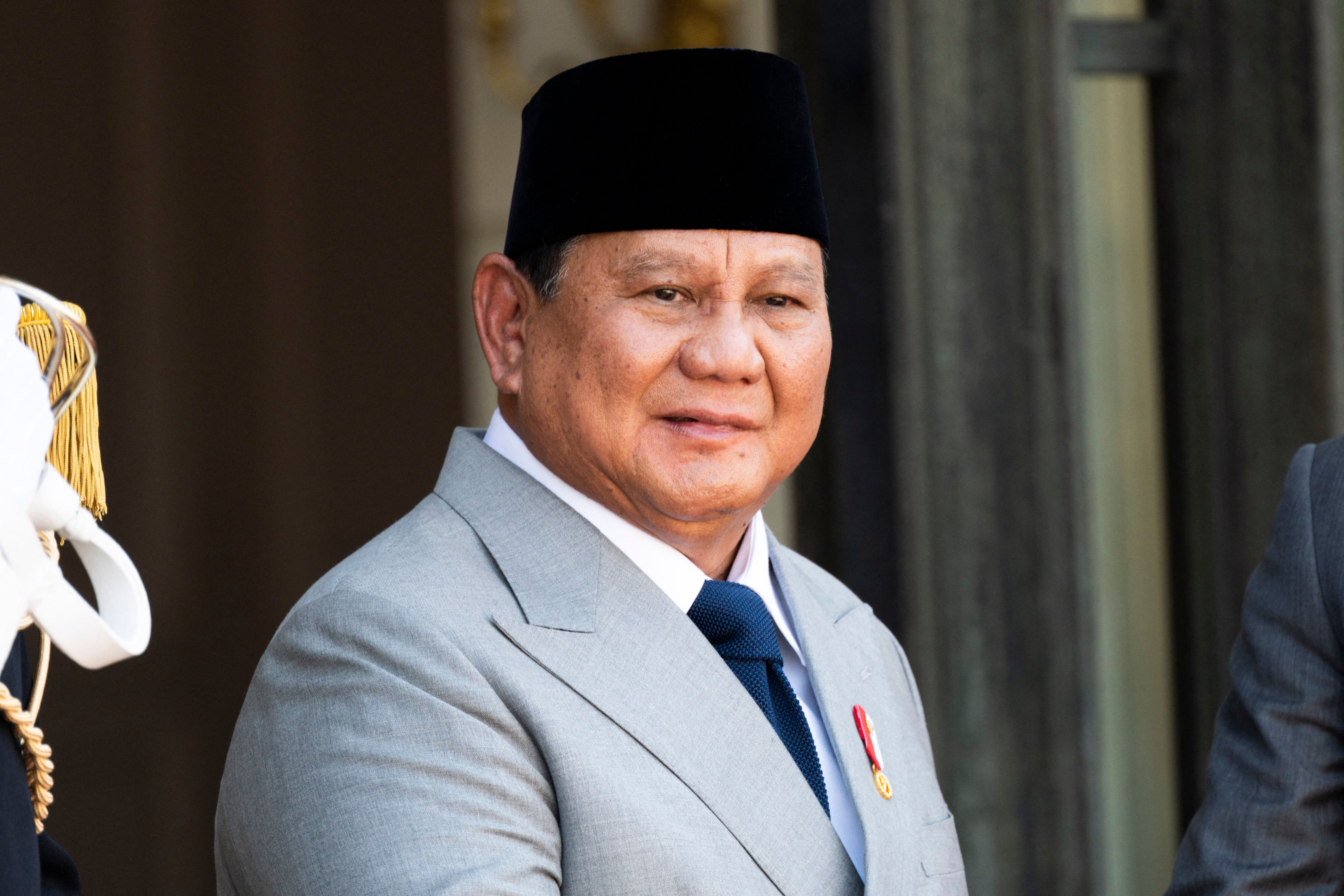
Why it matters: Indonesia is a top exporter of coal and palm oil, and the world's leading producer of nickel. Palm oil alone shows up in roughly half of packaged supermarket products, and nickel is a key metal in EV batteries. That means Indonesia's decisions ripple into energy prices, food costs, and the price of the green-energy transition.

The country has done this before with nickel. Banning raw-ore exports and requiring domestic refining forced foreign companies to build processing plants on Indonesian soil and captured the profits of finished battery metals. With Prabowo now moving to control prices and looking next at nickel and gold, the approach offers a template for other resource-rich nations seeking to pull pricing power away from Western markets toward the countries that hold the raw materials.

Sources: Reuters | The Diplomat | Fitch Ratings

Why it matters: For decades, Cuba’s economy survived on subsidies from a great power, first the Soviet Union and later Venezuela, allowing the state to prioritize ideological control over building a productive economy. But both backers have since dried up, and a tightened US embargo under the Trump administration has blocked fuel shipments and sanctioned the state oil company.

The party is now inviting private and foreign capital into the core of the system it spent 60 years guarding. It amounts to a strategic retreat by one of the last centrally planned economies, and an admission from its own leadership that the state can no longer sustain itself alone.

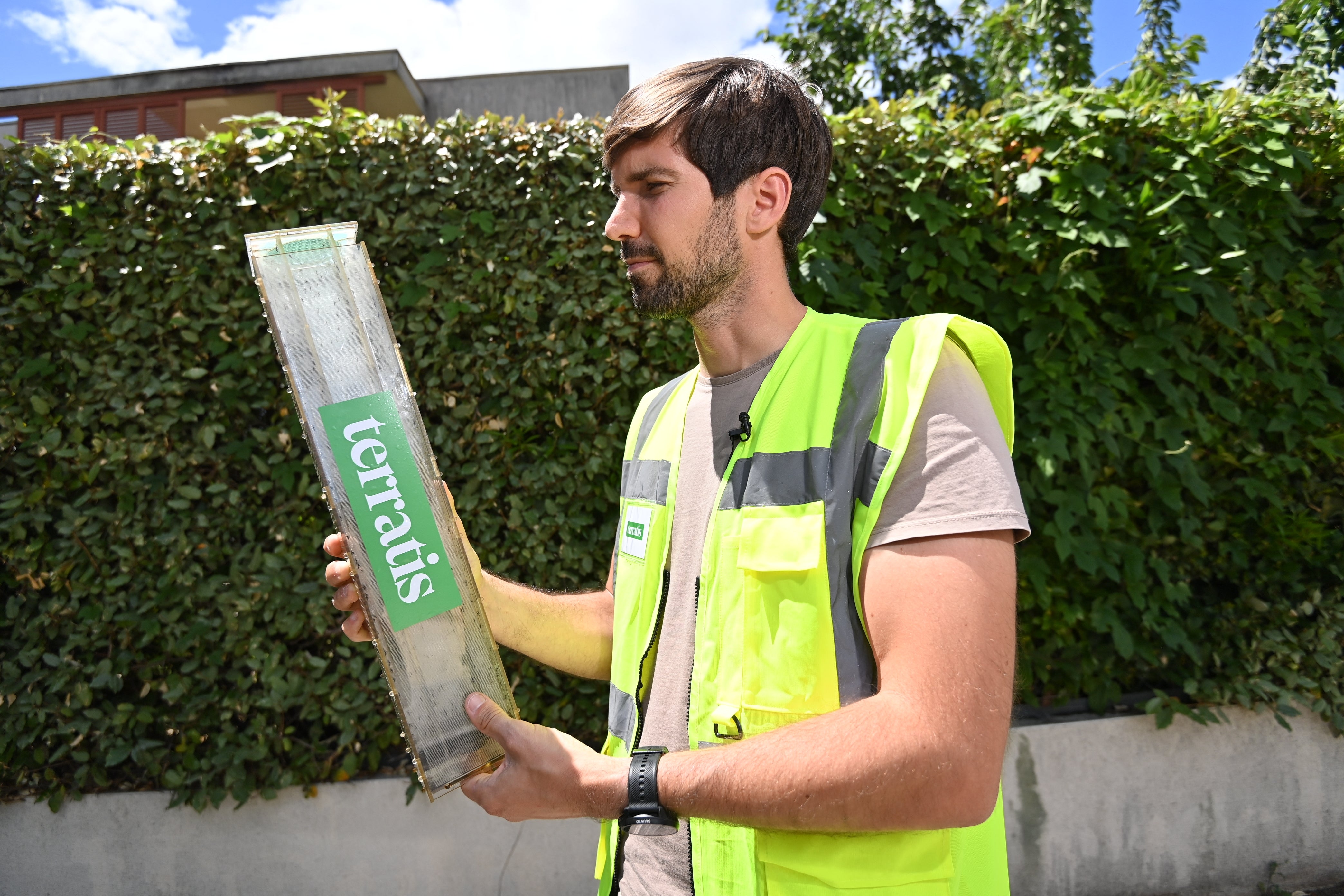
Why it matters: The tiger mosquito is a tropical species, but warmer winters and longer summers have allowed it to steadily push into temperate cities, carrying dengue, chikungunya, and Zika into regions that rarely saw them. Mainland Europe has recorded more than 20 local outbreaks since 2010, and the same advance is underway in the US, where the mosquito is now established across the eastern and southern states.

US dengue cases jumped by more than 350% in 2024, with almost all cases brought in by travelers. But those infections are arriving in a country where the mosquito that carries the virus is now widespread, turning imported cases into local ones. France's industrialization of this kind of control program marks a shift, as a threat once treated as a seasonal tropical nuisance becomes a fixed feature of temperate life.

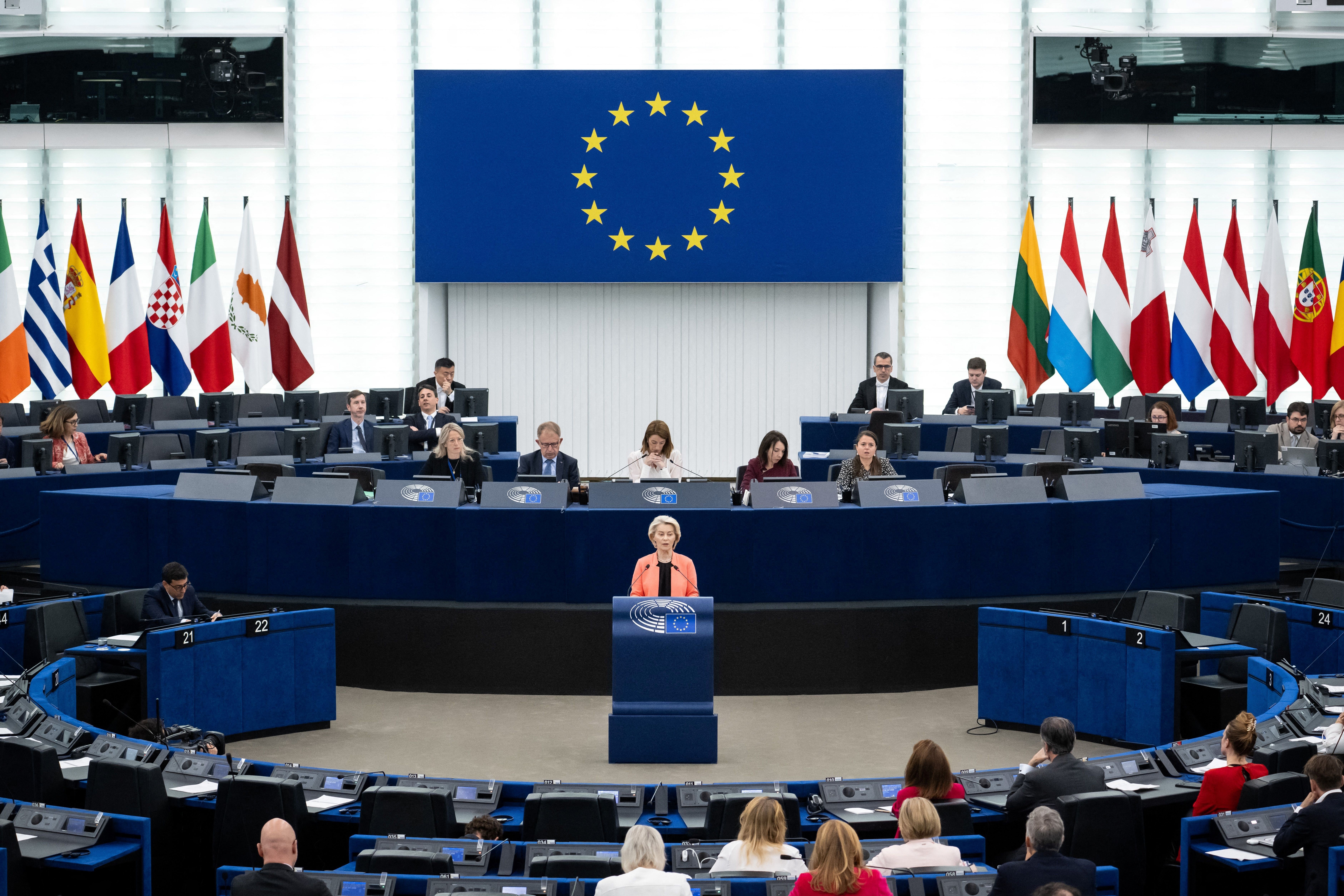
Why it matters: Wealthy democracies are increasingly handling migration by moving the hardest parts of the system out of sight. This vote pushes the EU toward an offshore model that keeps processing and detention farther from domestic courts and public scrutiny. By removing automatic legal stays during appeals, authorizing home searches — a tactic critics compare to US-style enforcement raids — and allowing for potentially indefinite detention, the bloc is adopting measures it once condemned in others.

The political shift is equally significant. The mainstream center-right secured the bill by forming an “alternative majority” with hard-right groups, signaling the fracture of Europe’s traditional centrist consensus. That same alliance is now within reach in several national parliaments.

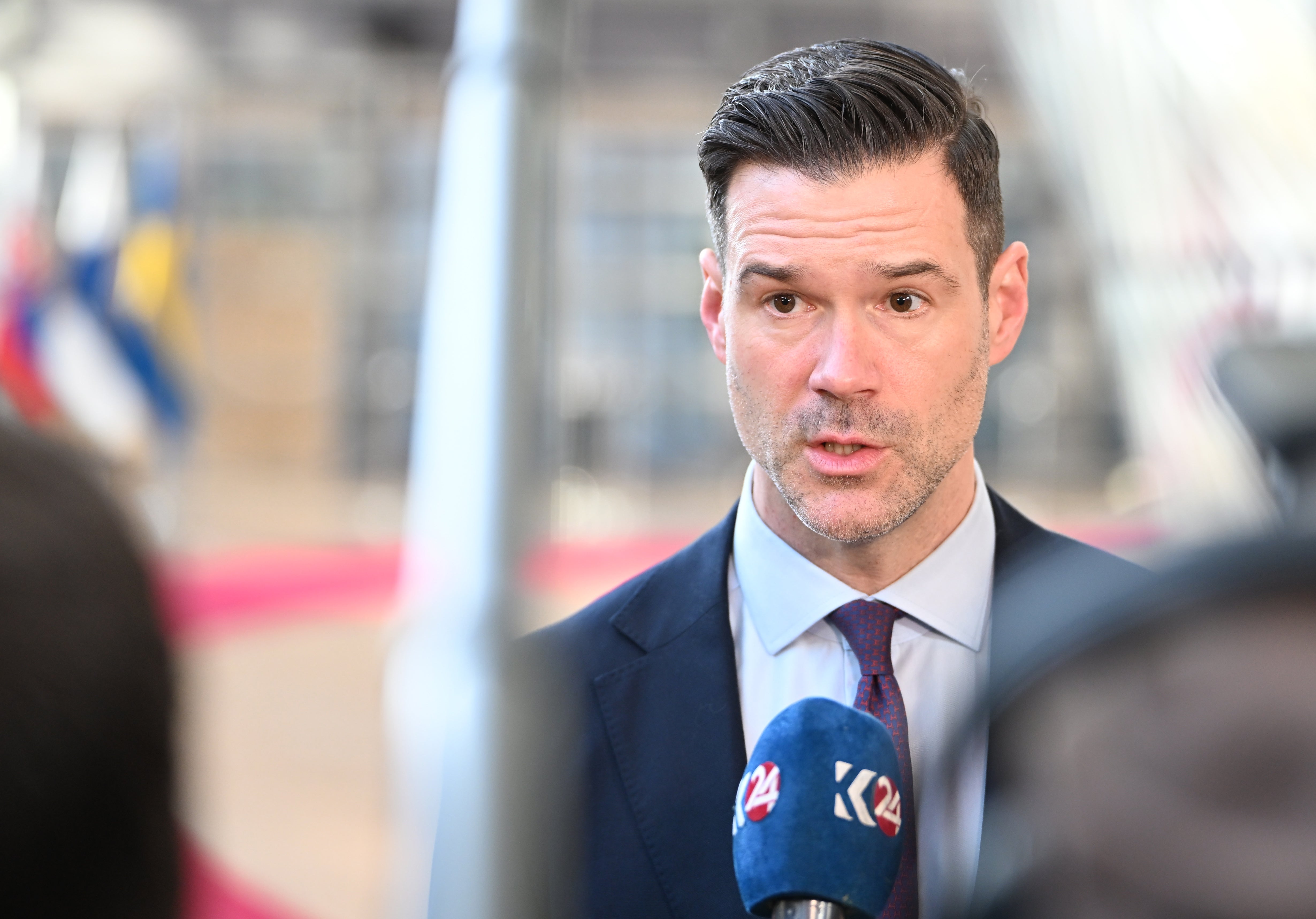
Why it matters: Sweden is redefining residency from a settled legal right into a conditional status tied to ongoing good conduct, with triggers ranging from unpaid debts to undeclared work. Because the law reaches back in time, thousands who built their lives there on already-granted permits now hold them on looser ground.

The move tracks a wider trend of governments giving immigration officials broad discretion over long-term residents. In the US, the Trump administration has moved to revoke visas and green cards over political speech and protest, testing how far that discretion can extend before courts push back. The Swedish law lands weeks before a September election in which immigration is the defining issue.

Why it matters: Mainstream medical bodies have long found conversion therapy ineffective and harmful, tying it to elevated risks of depression and suicide, and the Dutch law widens the ban to reach pseudotherapeutic and prayer-based attempts. The Netherlands and the US have now moved in opposite directions.

In March, the US Supreme Court ruled in Chiles v. Salazar that talk-based bans restrict speech by viewpoint, a decision that leaves similar state laws across the country newly exposed to challenge. An estimated 700,000 Americans have undergone the practice, about half of them as minors. The Dutch law treats it as professional conduct that the state can regulate, while the American ruling treats it as protected expression shielded by the First Amendment.

Sources: NL Times | SCOTUSblog | Williams Institute, UCLA School of Law

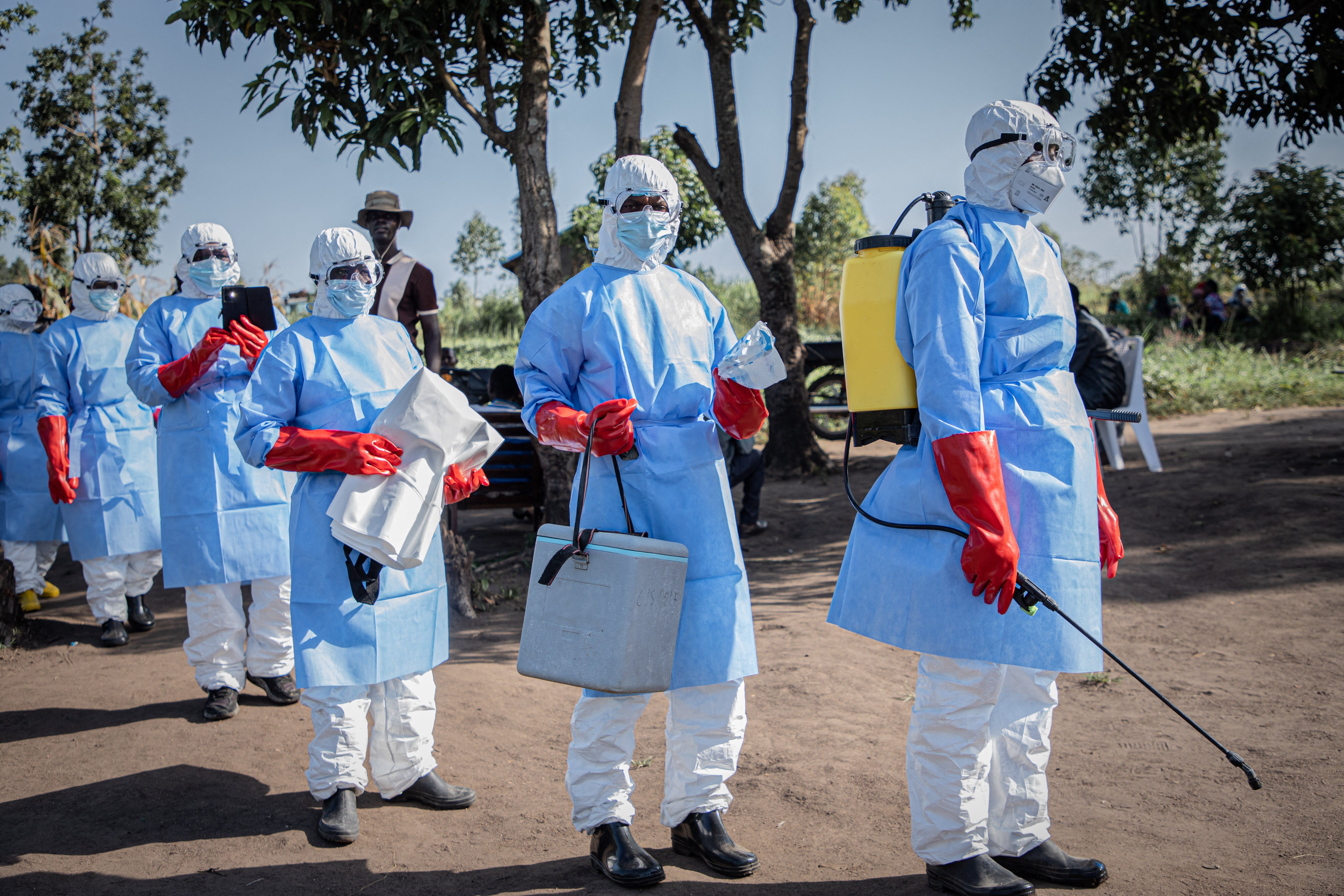
Why it matters: The last time Ebola threatened to spiral out of control, during the 2014 West Africa outbreak, the US helped lead a massive international response. That system has weakened since. African leaders say they have raised less than a fifth of the $518 million needed, after the US dismantled much of USAID and cut foreign aid.

Washington has said it will not allow Ebola cases into the US and is instead backing a quarantine facility for exposed Americans in Kenya, a country with no confirmed cases. The plan has drawn deadly protests, with critics arguing that Kenya is being asked to take on a risk the US itself won't take.

Sources: Reuters | Al Jazeera (1) | The New York Times | ABC News| Al Jazeera (2) | CNN

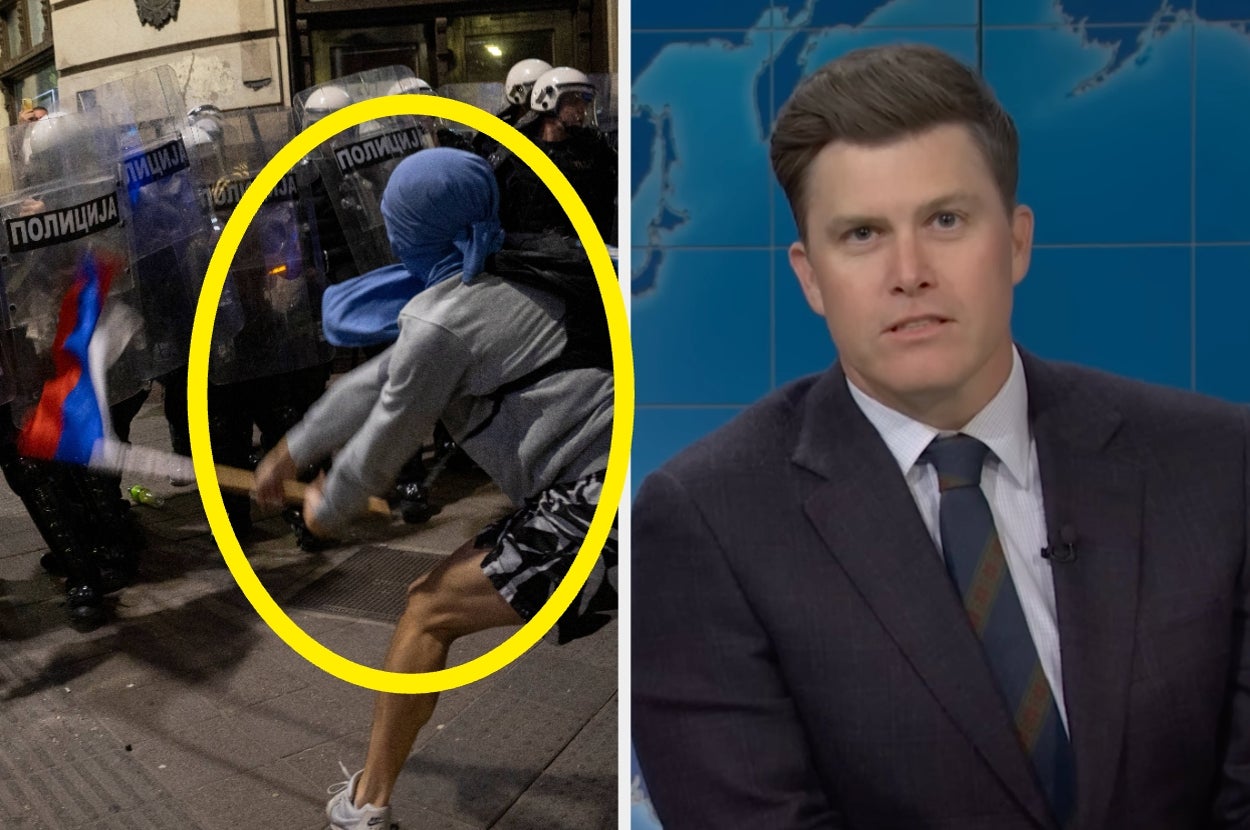
Why it matters: This is one of Europe’s most sustained popular movements, and it is testing whether street pressure can still dislodge an entrenched government. For 18 months, a student-led campaign has put hundreds of thousands of people in the streets against a leadership that spent more than a decade eroding Serbia’s media, courts, and elections. It has already forced one prime minister to resign, and Vučić has now signaled that elections could come this fall.

The movement’s force comes from a single grievance that hardened into a wider indictment of opaque, top-down deals. The canopy that collapsed in Novi Sad had been renovated under a Chinese Belt and Road contract, and a separate plan for a $500 million Trump-branded hotel on a protected former army site fell apart in December after prosecutors charged the culture minister and others with forging documents to clear it. As elections near, the question is whether Serbia’s government answers to its citizens or to the investors it keeps making room for.

Sources: Reuters | Al Jazeera | RFE/RL | The Conversation | Freedom House