yahoo Press
Nasal spray sold on Amazon recalled. See the affected brand
Images
1 / 20
2 / 20

3 / 20

4 / 20
5 / 20
6 / 20
7 / 20
8 / 20
9 / 20
10 / 20
11 / 20
12 / 20
13 / 20
14 / 20
15 / 20
16 / 20
17 / 20
18 / 20

19 / 20

20 / 20
A recall was issued for a nose spray sold on Amazon due to microbiological contamination of yeast and possible mold, according to a June 12 announcement on the Food and Drug Administration's website.

The nasal spray, Beekeeper’s Naturals Saline Nasal Spray, was sold through the online retailer and "tested above our acceptable microbiological limits for yeast," Beekeeper’s Naturals stated in the announcement on the FDA's website. Around 585 units of the recalled product were sold from April 2-24. Beekeeper’s Naturals received four reports of adverse reactions potentially related to the recalled product.

The product may also have been contaminated by Aspergillus mold, a fungus often found in soil that can cause a disease called aspergillosis, according to George Washington University.

The possible contamination could "cause serious and life-threatening infections such as invasive sinusitis and lung infections" in people with weakened immune systems or lung diseases, according to the company.

The mold could cause infections that may lead to coughing up blood in people with allergic reactions or certain lung diseases, as well as fever and other symptoms, according to the Mayo Clinic. The most common symptoms include cough and shortness of breath.

USA TODAY has reached out to Beekeeper’s Naturals for more information.

Here's what to know about the recall.

Consumer Reports, the nonprofit known for testing and monitoring consumer-facing policy and products, released its annual risky food report in April, naming the 10 foods of 2024 that were subject to the most recalls and/or associated with the largest illness outbreaks. USA TODAY broke it down further on a what-you-need-to-know basis.

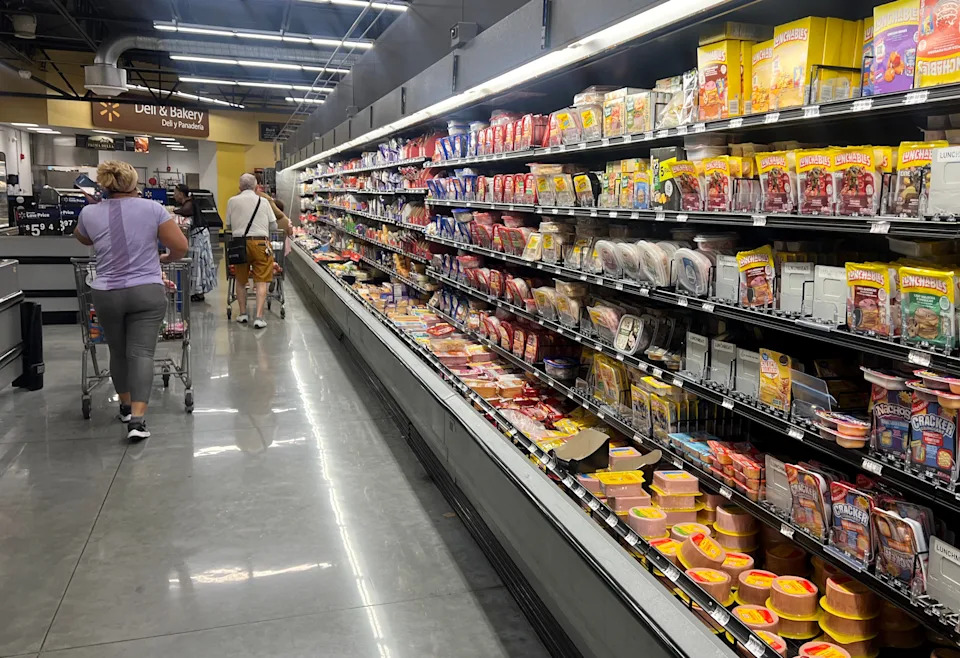
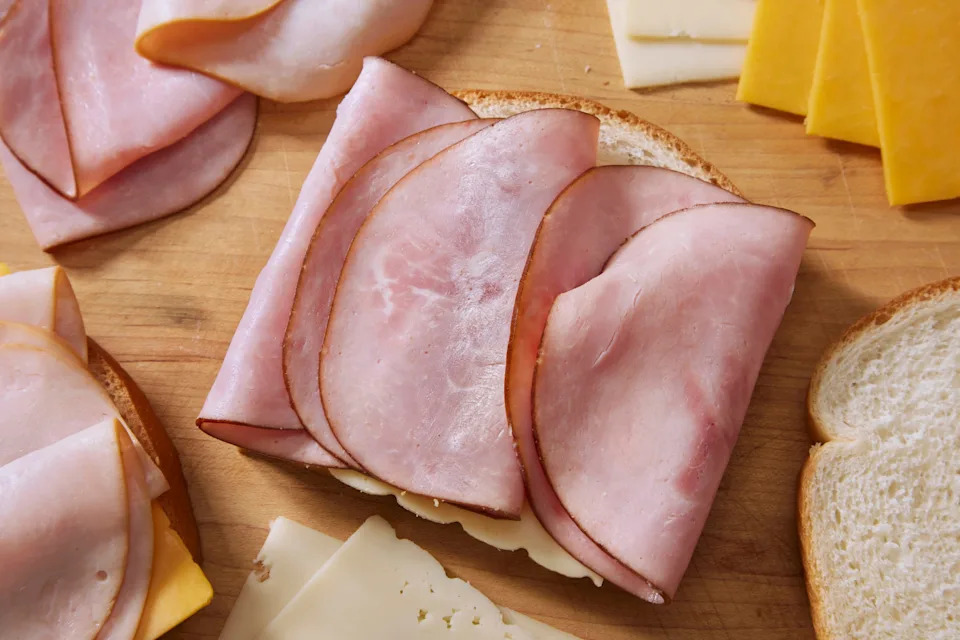
Deli meat is somewhat of a "risky" food as it is often associated with the spread of listeria, such as in the 2024 case of the Boar's Head listeria outbreak that killed 10. Listeria monocytogenes is a hardy germ that can survive in very low temperatures but thrives in cool and damp places. It can, and will, happily live on foods in your or your grocery store's storage area, and the process for mass-producing the meat lends itself to plenty of opportunities for contamination.

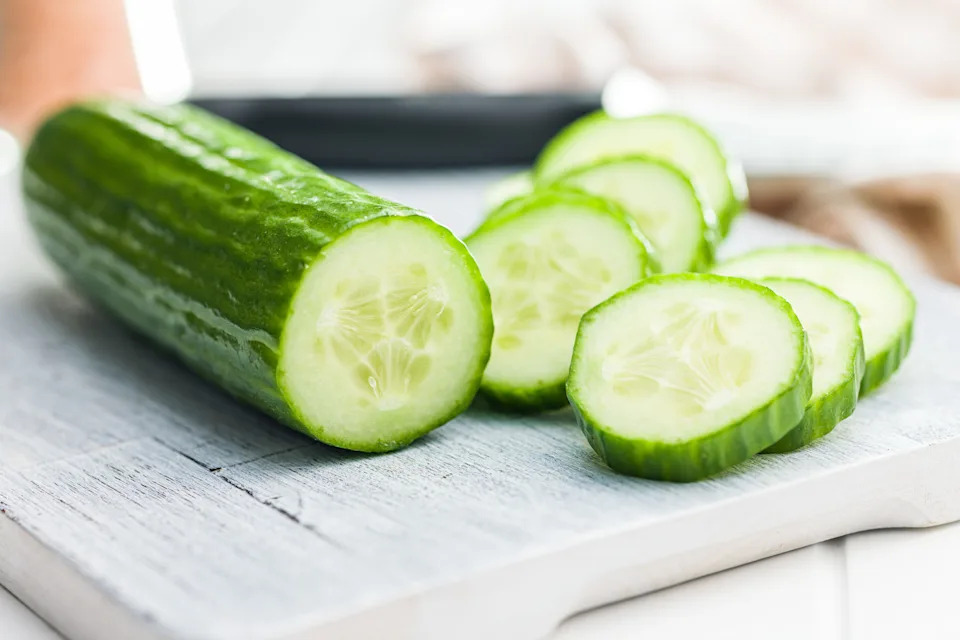
Produce, like the cucumbers recalled due to a salmonella outbreak that infected 113 people across 23 states, can become adulterated with harmful bacteria through fecal contamination, which can occur through wastewater, water in the growing area, fertilizer and the proximity of the growing area to livestock.

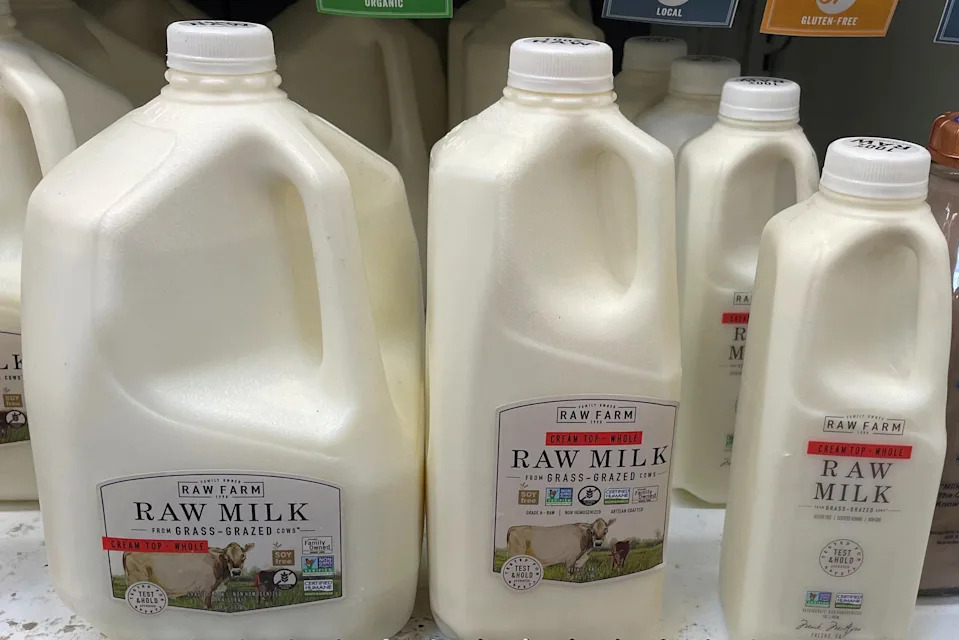
Raw dairy, which is always unsafe to consume and illegal to sell in some states, poses a risk when it's not pasteurized. Dairy pasteurization, or heating milk products to a high enough temperature to kill harmful bacteria, has been practiced since the 1920s and has resulted in illnesses commonly spread via milk, such as listeriosis, diphtheria and tuberculosis, becoming less prevalent.

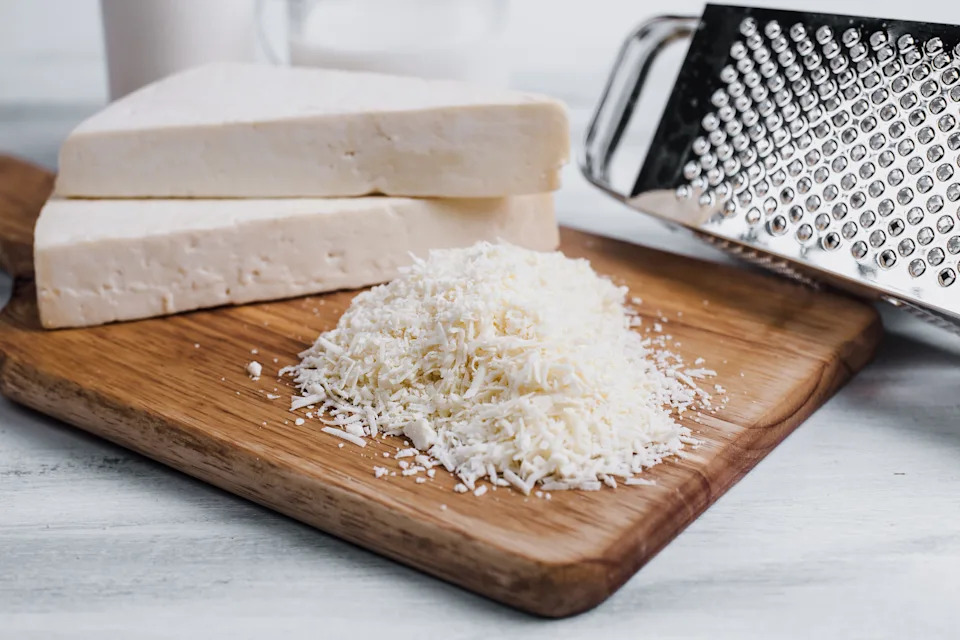
Cotija and queso fresco cheese are made from unpasteurized milk, meaning they carry an increased risk. One producer, Rizo-Lopez Foods, was shut down in October 2024 after its cheeses were linked to a years-long listeria outbreak that killed two people and made dozens of others sick.

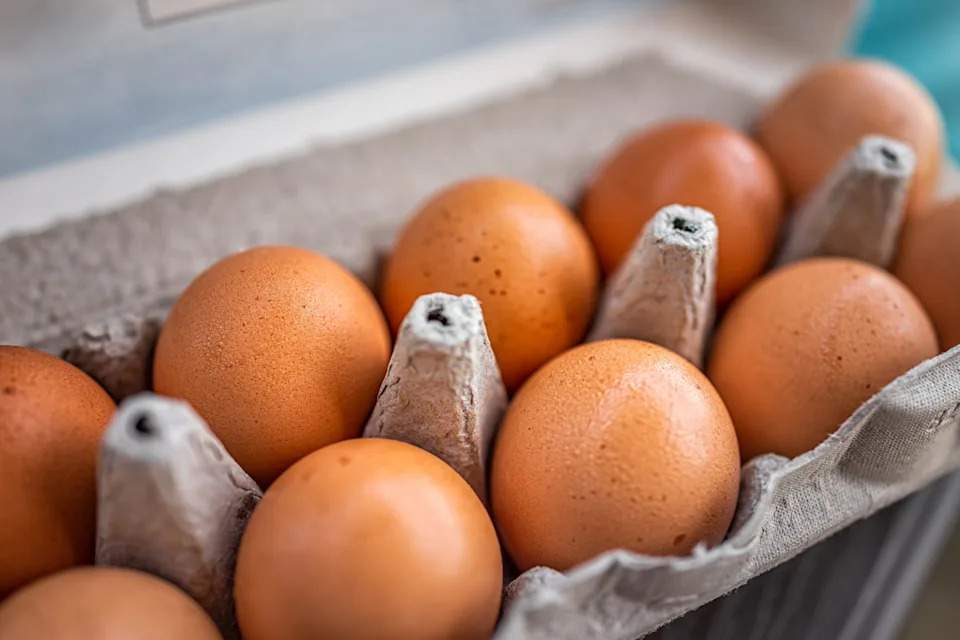
Eggs can become contaminated via the same means as cucumbers and other raw produce, especially if they have a cracked shell.

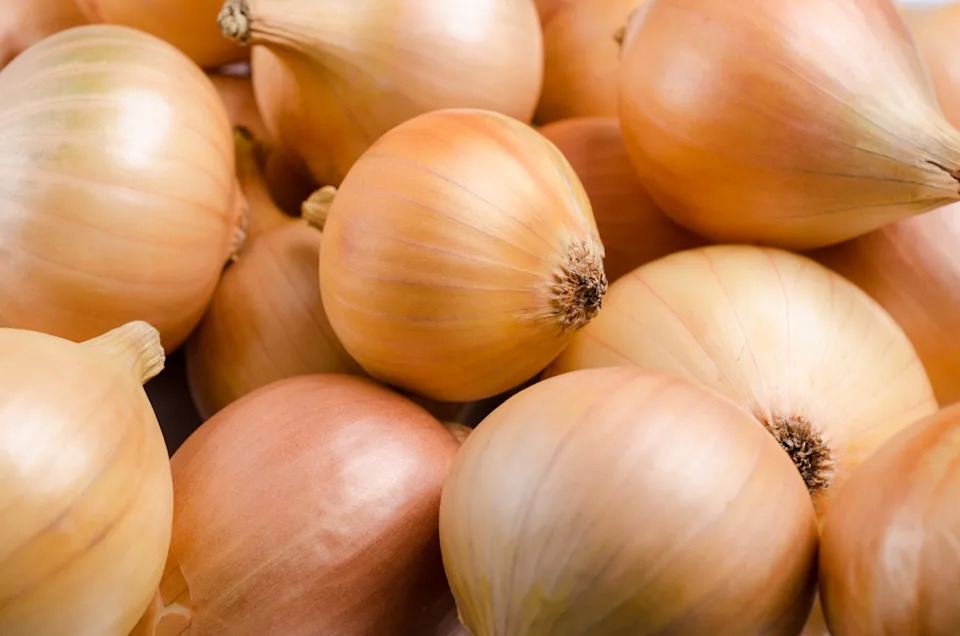
Like other raw produce, onions can become infected via fecal contamination. In 2024,  E. coli-contaminated slivered onions on McDonald's Quarter Pounders triggered some locations to stop serving the burger temporarily.

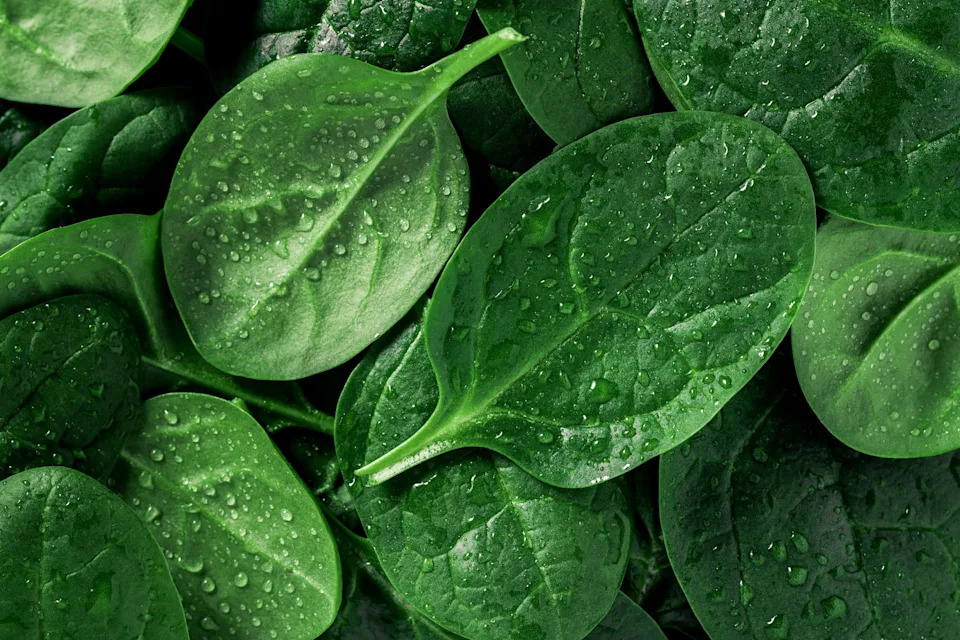
Like cucumbers and onions, leafy greens are easily contaminated with bacteria like E. coli, as in the case of the Solata Foods spinach recall in 2024.

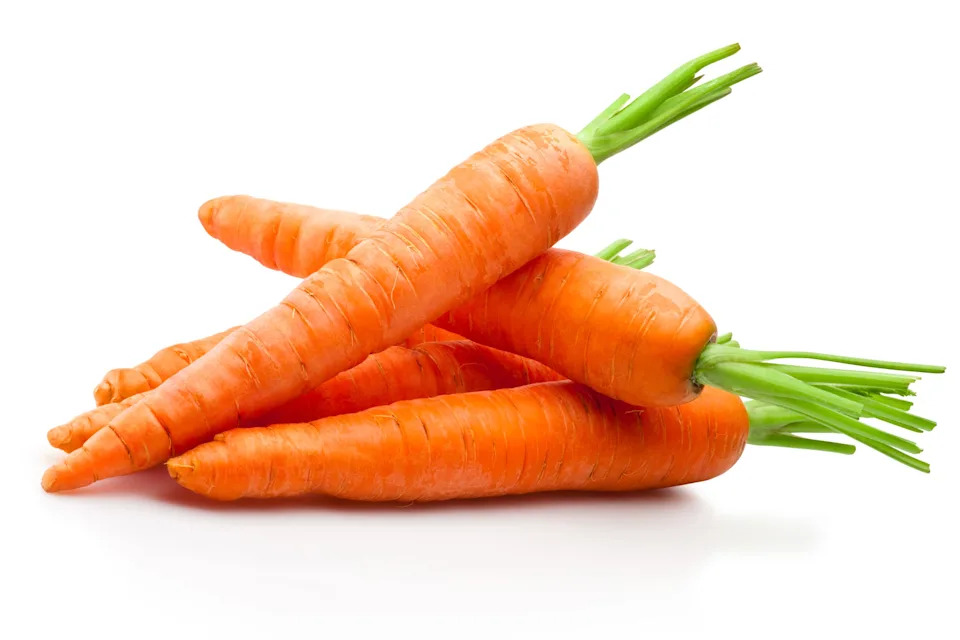
Organic carrots were linked to a major E. coli outbreak in late 2024, leaving at least 39 ill and one dead.

Ready-to-eat/cooked poultry and meat have been the source of multiple major recalls and foodborne illness outbreaks in recent years. The same issue arises with RTE foods as with deli meat; the conditions they are made and stored under are often ideal for bacteria such as listeria to grow. In 2024, millions of pounds of RTE foods were recalled by BrucePac for listeria contamination.

Consumer Reports, the nonprofit known for testing and monitoring consumer-facing policy and products, released its annual risky food report in April, naming the 10 foods of 2024 that were subject to the most recalls and/or associated with the largest illness outbreaks. USA TODAY broke it down further on a what-you-need-to-know basis.

Gas-X softgels sold nationwide recalled: See affected products

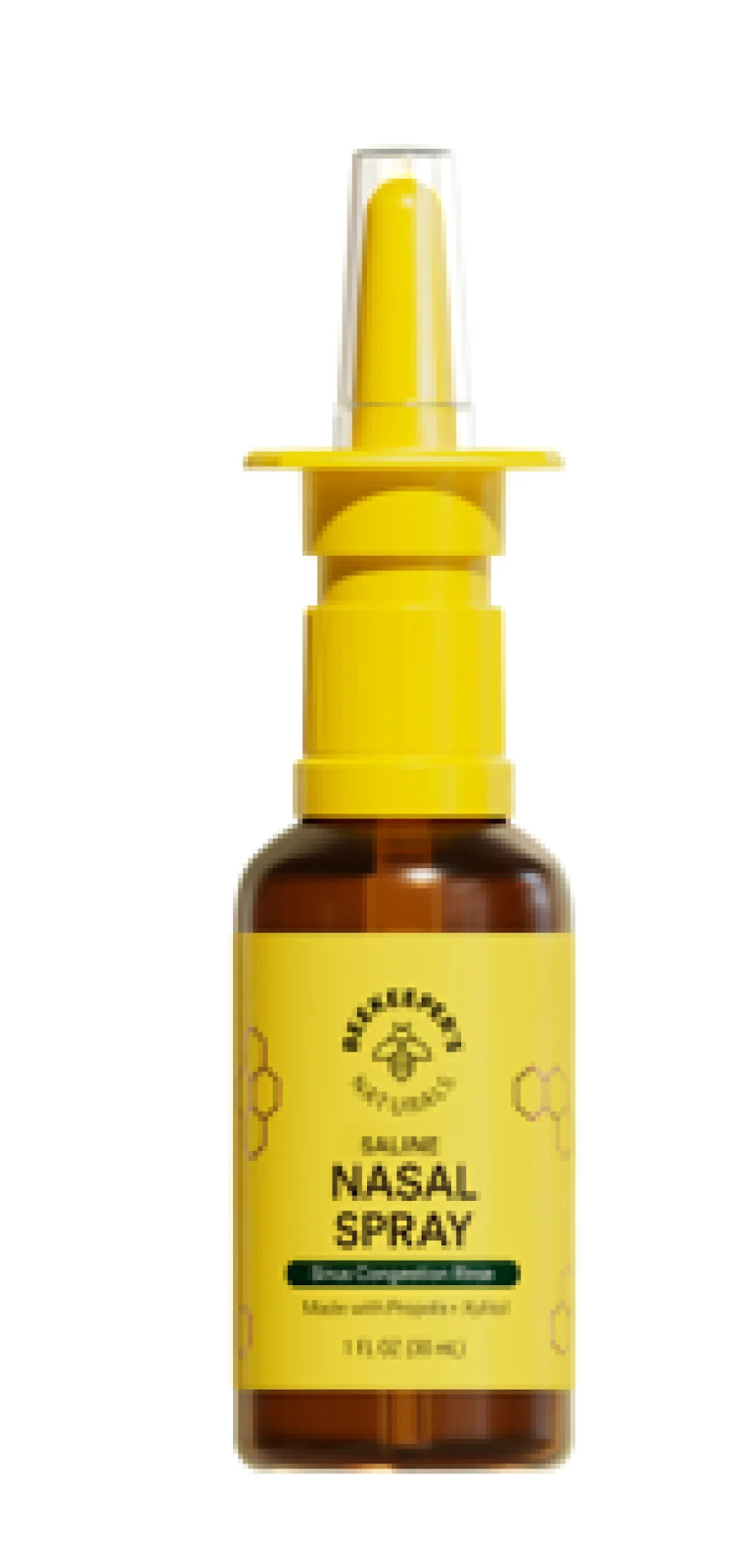
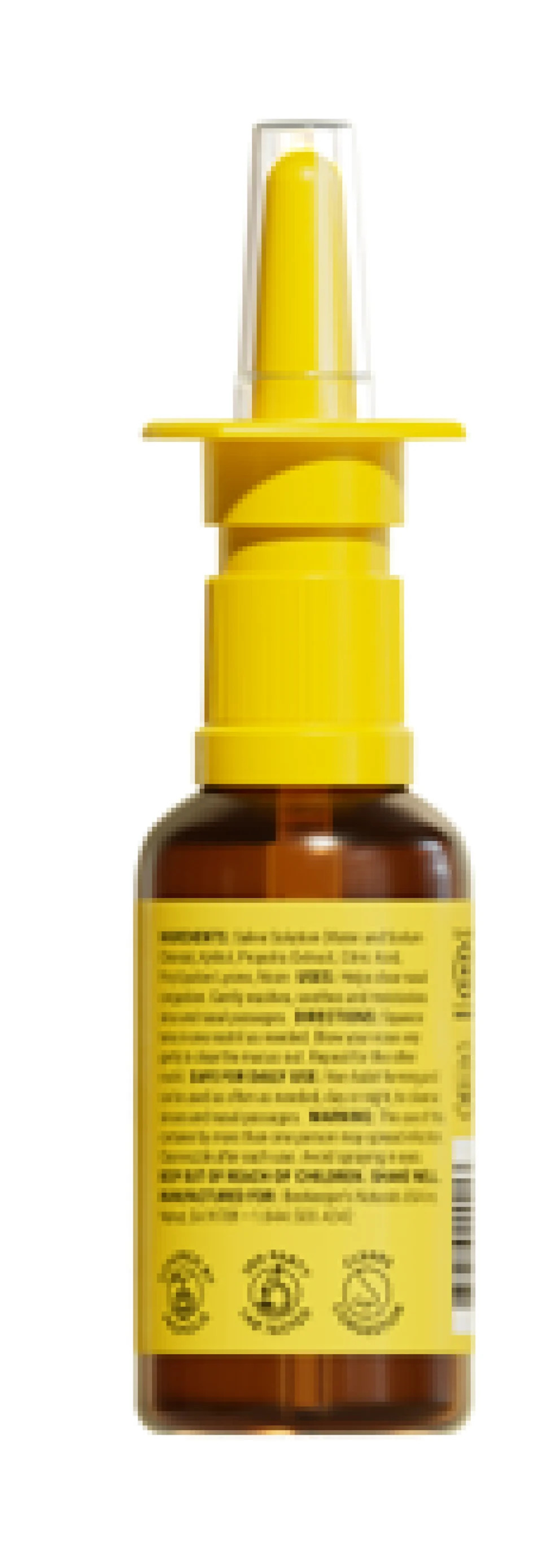
Beekeeper’s Naturals is voluntarily recalling Beekeeper’s Naturals Saline Nasal Spray:

Size - single-unit 1 fluid ounce (30 mL) bottle

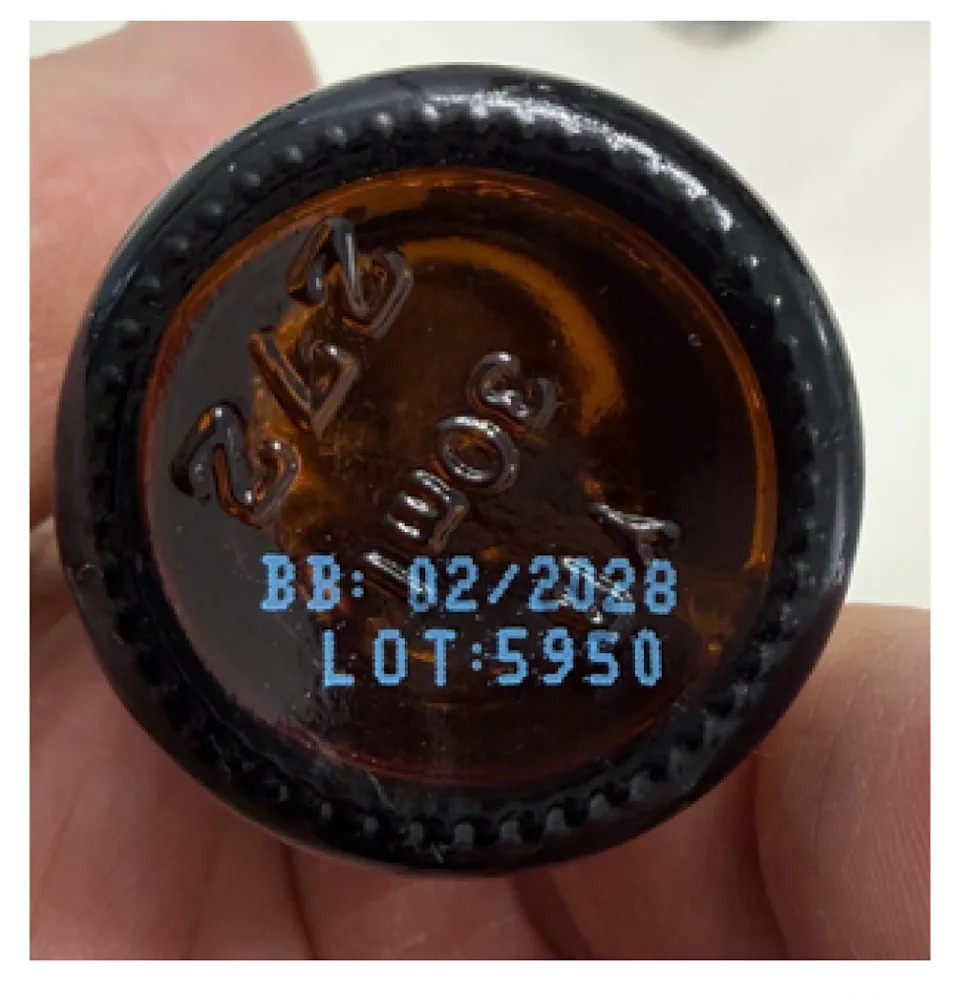
Lot number - 5950 (located on the bottom of the product's bottle)

Expiration - February 2028 (also located on the bottom of the product's bottle)

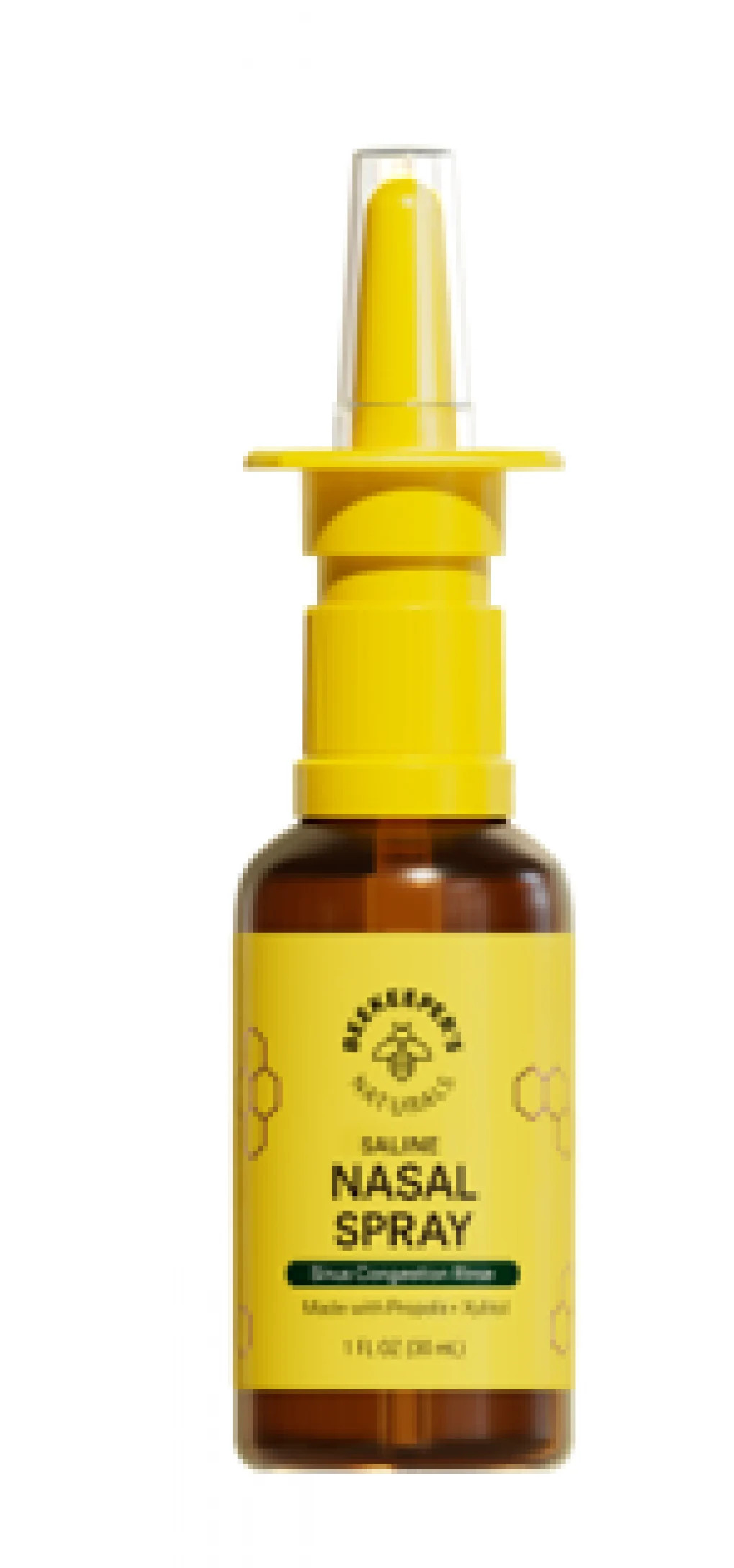
The bottle of the recalled product is brown, with a yellow cap and label that states the company's name.

Only this specific lot of Beekeeper’s Naturals Saline Nasal Spray has been recalled, according to the announcement. Other products, like the Nasal Spray Max, are not included in the recall.

Those who purchased the product with a matching lot should discontinue use immediately and contact the company at contact@beekeepersnaturals.com or 1-888-759-6910 for a refund.

If you are experiencing adverse reactions you believe are related to the use of the product, contact your health care provider. While it isn't mandatory, you can also report adverse reactions to the FDA's MedWatch Adverse Event Reporting.

You can report the reactions in the following ways:

Online at www.fda.gov/medwatch/report.htm

Download and print the form from www.fda.gov/MedWatch/getforms.htm

Call 1-800-332-1088 to request a form

Forms can be submitted through the mail in a pre-addressed form or faxed to 1-800-FDA-0178 (1-800-332-0178).

Julia Gomez is a Trending reporter for USA TODAY and covers space phenomena, scientific studies and natural disasters. Connect with her on LinkedIn, X, Instagram, and TikTok: @juliamariegz, or email her at jgomez@gannett.com.

This article originally appeared on USA TODAY: Beekeeper’s Naturals Saline Nasal Spray sold on Amazon recalled