huffpost Press
U.S.-Iran Peace Memorandum Could Be Signed On Sunday In Geneva: Reuters
Images
1 / 9
2 / 9
3 / 9
4 / 9
5 / 9
6 / 9
7 / 9
8 / 9

9 / 9
DUBAI/WASHINGTON/PARIS, June 12 (Reuters) - A memorandum between the United States and Iran to halt the war in the Gulf could be signed as soon as Sunday, a Western source told Reuters on Friday, with Geneva emerging as the likeliest venue.

The source said language in the memorandum was still being finalized and Iran was sticking to its position that the deal must also end fighting in Lebanon, where Israel has been battling against the Iran-backed Hezbollah militia.

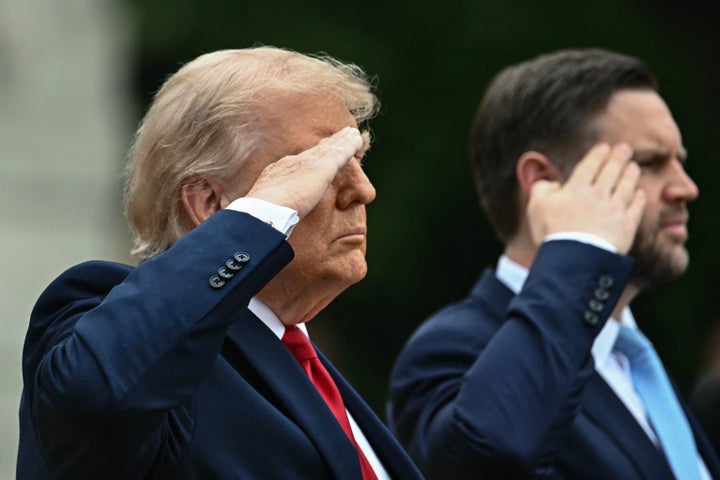
The aim was to finalize the wording by Saturday so the agreement could be signed by U.S. Vice President JD Vance and Iran’s Parliament Speaker Mohammed Baqer Qalibaf. No venue had been established but Geneva was emerging as the likeliest.

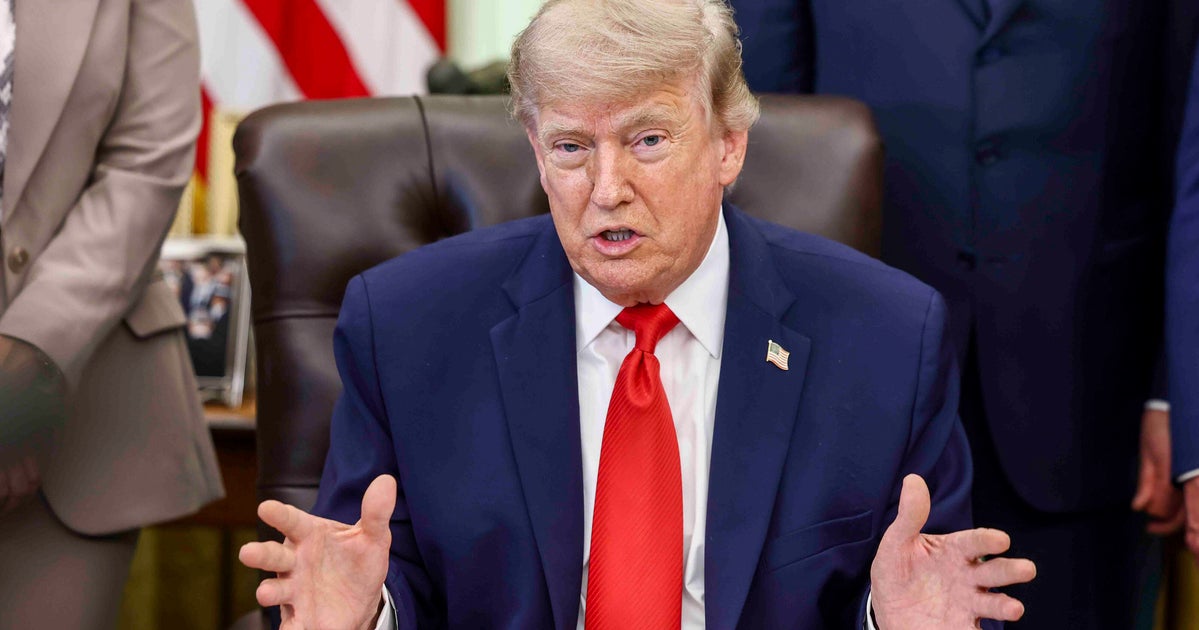
Trump said on Thursday he was calling off new strikes on Iran because the deal was now ready.

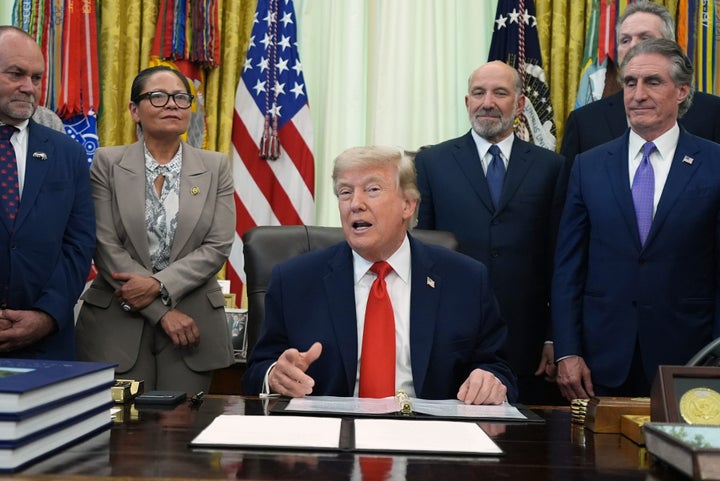
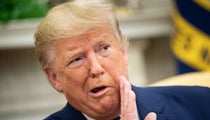
“We just made a great settlement of the war with Iran,” Trump told reporters in the White House on Thursday.

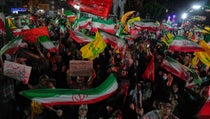
But the terms of the deal as described on Friday by Iranian officials appear to offer Tehran much of what it has demanded so far, with Trump appearing to win little of what he has sought, beyond the reopening of the Strait of Hormuz, which Iran shut after he ordered attacks in February.

A senior Iranian source told Reuters on Friday that the draft would waive sanctions on Iran’s oil, unfreeze billions of dollars of its funds, and require a cessation of hostilities on all fronts, including in Lebanon.

Nuclear issues would be set aside for later talks. Washington wants a deal to ensure that Iran never develops a nuclear weapon; Iran says it is not seeking one.

The waiving of sanctions, unfreezing of Iranian assets and halt to Israeli attacks on Lebanon are essential Iranian demands. The source made no mention of what Iran might offer in return. There was no immediate response from the United States.

Iran’s Mehr news agency said the terms also included other key U.S. concessions, including a commitment to withdraw its forces from around Iran and present a plan for rebuilding the shattered Iranian economy.

“The United States and its allies must submit plans for Iran’s reconstruction worth at least $300 billion,” the Mehr report said.

Trump’s announcement of a deal — hours after he threatened again to hit Iran “very hard” on Thursday night — prompted global shares to rally and oil prices to slip on Friday. Brent crude prices were down more than 2% in European morning trade.

Throughout the war, which began on February 28 with U.S. and Israeli strikes on Iran, Trump has made similar declarations that a deal was at hand, only for no deal to emerge.

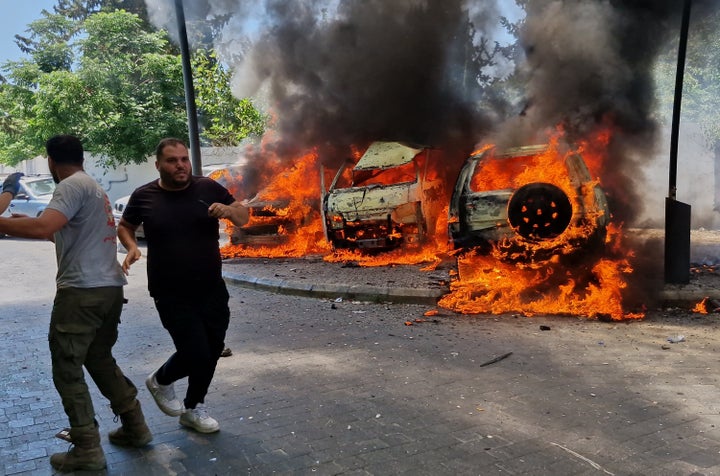
But markets took comfort that his latest words signaled the end of a particularly tense few days of escalation, which began with Iran and Israel trading fire for the first time since an April ceasefire, and continued through two days of U.S. strikes on Iran and Iranian return fire at U.S. regional bases.

“The strait will officially open as soon as we sign, which could be soon, very soon, maybe over the weekend in Europe,” Trump said, adding that Vance would attend the deal signing. He did not elaborate.

Asked if Iran’s Supreme Leader Ayatollah Mojtaba Khamenei had approved the deal, Trump said, “I understand the answer is yes.”

Iranian media reported Foreign Ministry spokesperson Esmaeil Baghaei as saying on Thursday large parts of the agreement had been finalized, but Iran would not compromise on its red lines.

Tension remained high around the Strait of Hormuz, with U.S. forces shooting down two Iranian one-way attack drones after Tehran attempted to strike commercial ships transiting the vital waterway, a U.S. official said on Thursday.

Iran’s military stopped a tanker from transiting the strait, state media said, reporting the sound of explosions early on Friday.

The conflict has become a political headache for the White House, with polls showing Trump’s approval ratings sinking amid voter anger over high gasoline prices.

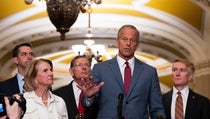
Some Republicans have openly worried that the war’s unpopularity could cost them control of Congress in November’s midterm elections.

Curbs on fighting in Lebanon could be difficult to accept for Israel, which started the war alongside the United States in February but has not been included in peace negotiations.

Prime Minister Benjamin Netanyahu’s office said in a statement that Israel was not a party to any memorandum of understanding with Iran.

(Reporting by Reuters bureaus; Writing by Lincoln Feast and Gareth Jones; Editing by Clarence Fernandez and Peter Graff)

By entering your email and clicking Sign Up, you're agreeing to let us send you customized marketing messages about us and our advertising partners. You are also agreeing to our Terms of Service and Privacy Policy.