buzzfeed Press
People From Around The World Are Calling Out The Things About "White Culture" They Don't Get
Images

1 / 14
2 / 14

3 / 14

4 / 14

5 / 14
6 / 14

7 / 14

8 / 14

9 / 14
10 / 14
11 / 14

12 / 14

13 / 14
14 / 14
Someone from Chile shared, “Everything and everyone belongs to a certain race, and that is so institutionalized that on government forms, they ask you your race. Dude, all my grandparents are from different places, IDK my race.”

Angelica Martinez is the Latine Editorial Lead at BuzzFeed and covers a little bit of everything, from quizzes and true crime to celebrities and pop culture.

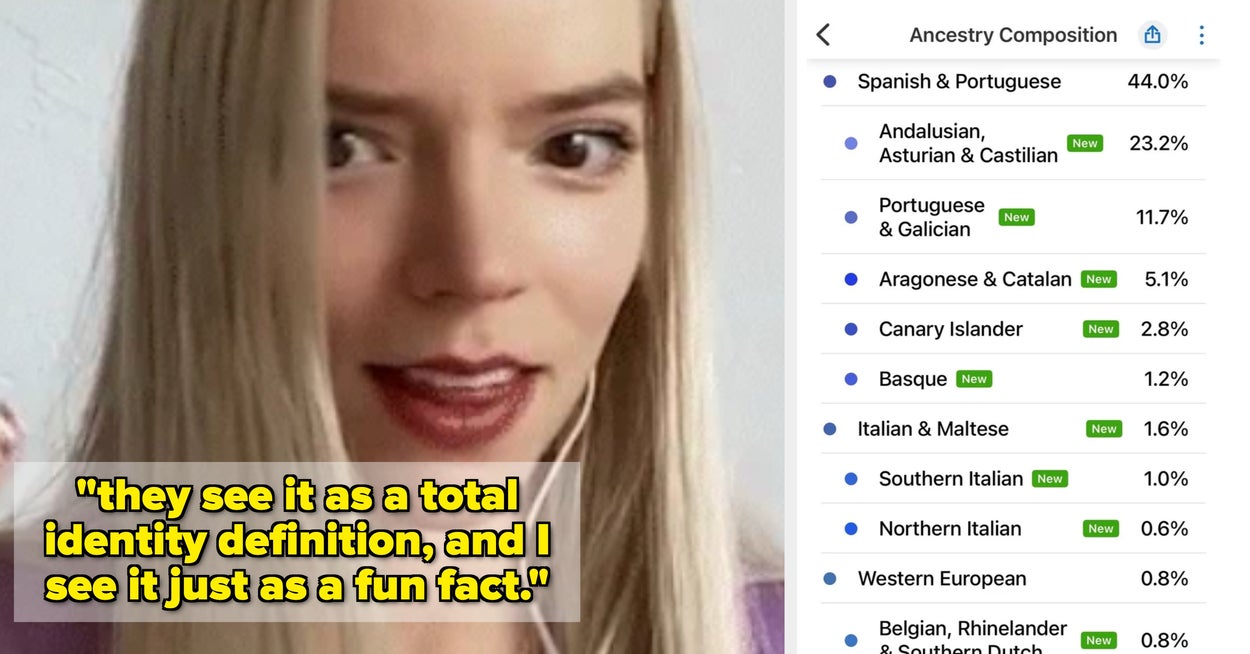
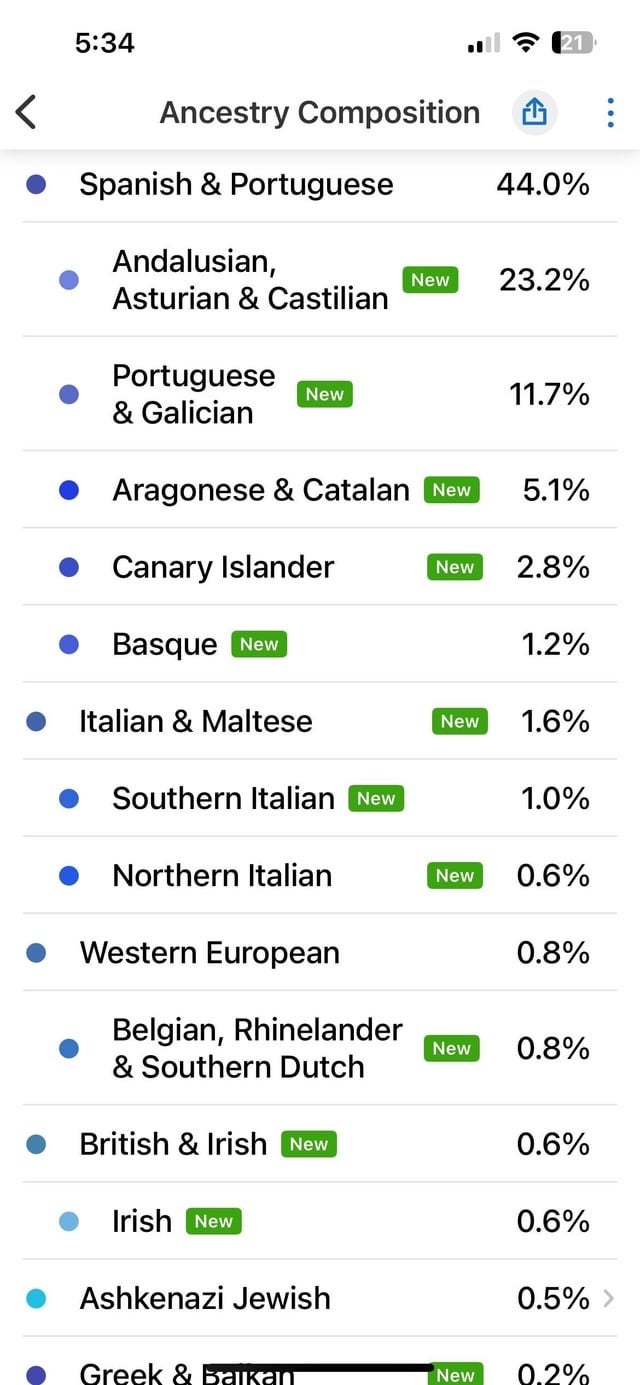
"I mean, I would like to know, too, genetics is cool. But the difference is that they see it as a total identity definition, and I see it just as a fun fact."

"Races. Everything and everyone belongs to a certain race, and that is so institutionalized that on government forms, they ask you your race. Dude, all my grandparents are from different places, IDK my race."

"I think for Americans, it’s more 'fast and done.' In Latín culture (like in other places), lunch and dinner are considered times to share with peers. But it’s definitely changing here, too, with the rise of smartphones and social media."

"This! We don’t even have a name for that in Spanish."

"And then you have college life, living in large campuses with fraternities and sororities and rites of initiation and so forth."

"Having dinner around 6 p.m. seems super weird to me. In Mexico it's around 8–9 p.m., sometimes even later than that."

—FortuneAwkward1, Dominican Republic and Bandejita, Colombia

"This is more of a 'northern' culture thing. I live in Central Europe, and the number of people who don’t give a crap about the next person is outstanding. Groups of people blocking sidewalks like they don’t care if you need to pass. Coming from the other direction, they don’t move one single centimeter. And that’s the tip of the iceberg. The sense of community in Latin countries is definitely one of our strengths."

"I couldn't understand why everyone there ends up in nursing homes until I moved to Canada. Turns out that cities in North America are so, SO car-dependent that once you can no longer drive, you are very limited. The closest grocery store might be kilometers away from their house, and walking there is probably dangerous. Thus, once you can no longer drive, it is off to a retirement community or a nursing home."

In Chile, where this redditor is from, women keep their birth name.

Note: Submissions have been edited for length and/or clarity.