yahoo Press
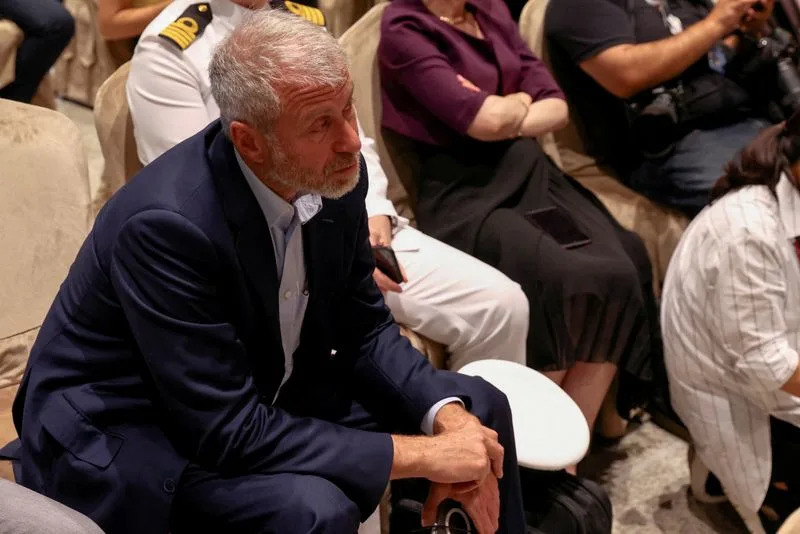
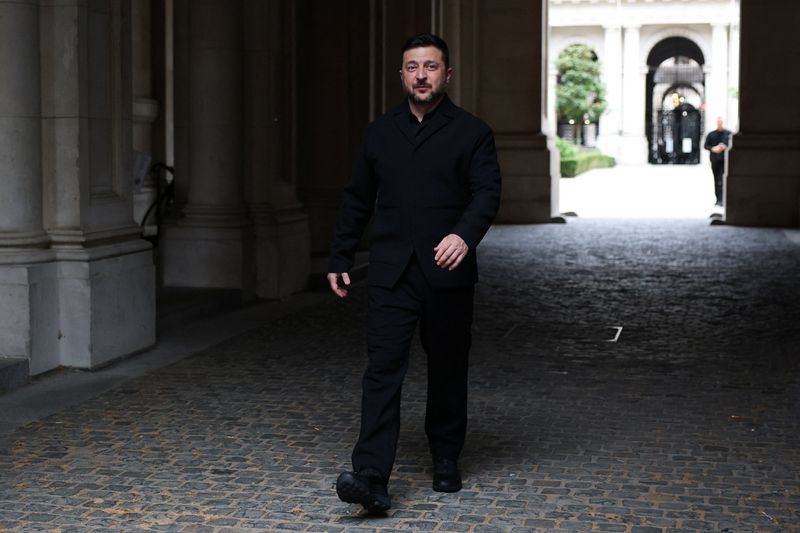
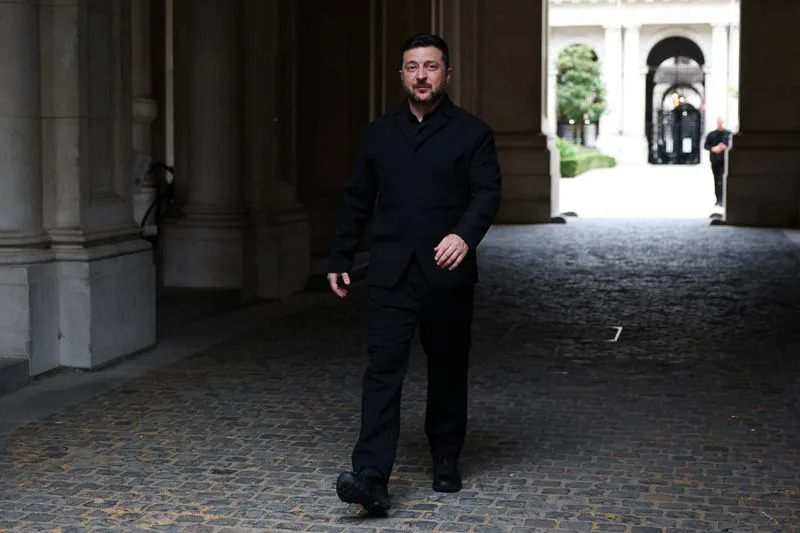
Ukraine's Zelenskiy says Russian magnate Abramovich came to Kyiv with offer of help
Images
1 / 7
2 / 7

3 / 7

4 / 7
5 / 7

6 / 7

7 / 7
June 7 (Reuters) - Ukraine's President Volodymyr Zelenskiy on Sunday said Russian magnate Roman Abramovich had met him in Kyiv and offered to take a message to the Kremlin on peace prospects, but the Ukrainian leader reiterated that his government would not abandon its Donbas region. Zelenskiy's comments to Sky News while holding talks in London marked his first acknowledgement that the billionaire had traveled to Ukraine's capital and was involved to some extent in negotiations. "He came to Kyiv. He said 'I am messaging direct to you. And I want to take a message from you and give it to (Russian President Vladimir) Putin'. But he said it has to be silent without any kind of public messages," Zelenskiy said. Zelenskiy said the meeting was "not a secret," adding that the Russians wanted to know what Kyiv was "ready to do". "I said the question is not about us. You are fighting against us on our territory. I said to him about Donbas and it was the key message. I said we will not leave and we will not go out from our territory. No, we will not give you a victory in such way. And you will not get it." Abramovich, the former owner of Chelsea Football Club, is subject to sanctions imposed on Russia for its 2022 invasion of Ukraine. He played an important role in unsuccessful negotiations to end the fighting in the first weeks of the invasion and in a deal to ensure Black Sea grain shipments, but has been less visible since. Putin has made it clear Russia is not prepared to stop fighting in Ukraine until Kyiv abandons the Donbas region, made up of the Donetsk and Luhansk regions. Ukraine's forces hold about one-fifth of Donetsk and Zelenskiy has said it will not abandon it and the tens of thousands of Ukrainians there. Zelenskiy again ruled out any meeting with Putin in Russia or Belarus. He said he would accept a halt to the fighting on the existing front lines as the fastest way to proceed with talks, but doing so did not imply giving up territory. "Yes. It's the quickest way," Zelenskiy said. "(But) we want to stop the war in a way where the war will not come back. It's not the idea just to freeze (the fighting), but the quickest way is to freeze (it) and to move it to a diplomatic setting." (Reporting by Ron Popeski; Editing by Paul Simao)