foxnews Press
STEPHEN MOORE: This tariff is an expensive gift to China and our families will pay for it
Images
1 / 20
2 / 20
3 / 20

4 / 20

5 / 20
6 / 20

7 / 20
8 / 20

9 / 20
10 / 20

11 / 20

12 / 20

13 / 20

14 / 20

15 / 20
16 / 20

17 / 20
18 / 20

19 / 20
20 / 20
Rep. Tim Burchett, R-Tenn., discusses reports alleging China provided military aid to Iran and U.S.-Iran talks ending without a peace deal on ‘The Big Weekend Show.’

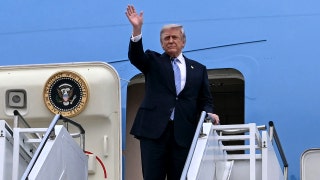
I’m a free trader, but I also understand that for competitiveness and strategic reasons, President Trump’s trade tariffs are used as leverage to help make trade freer and fairer. He’s a master negotiator, who has used the tariff threat to force other nations to play by the rules and level the playing field.

But some specific tariffs don’t make sense, and instead of saving jobs, they raise prices for consumers – especially when there is no viable domestic producer here at home.

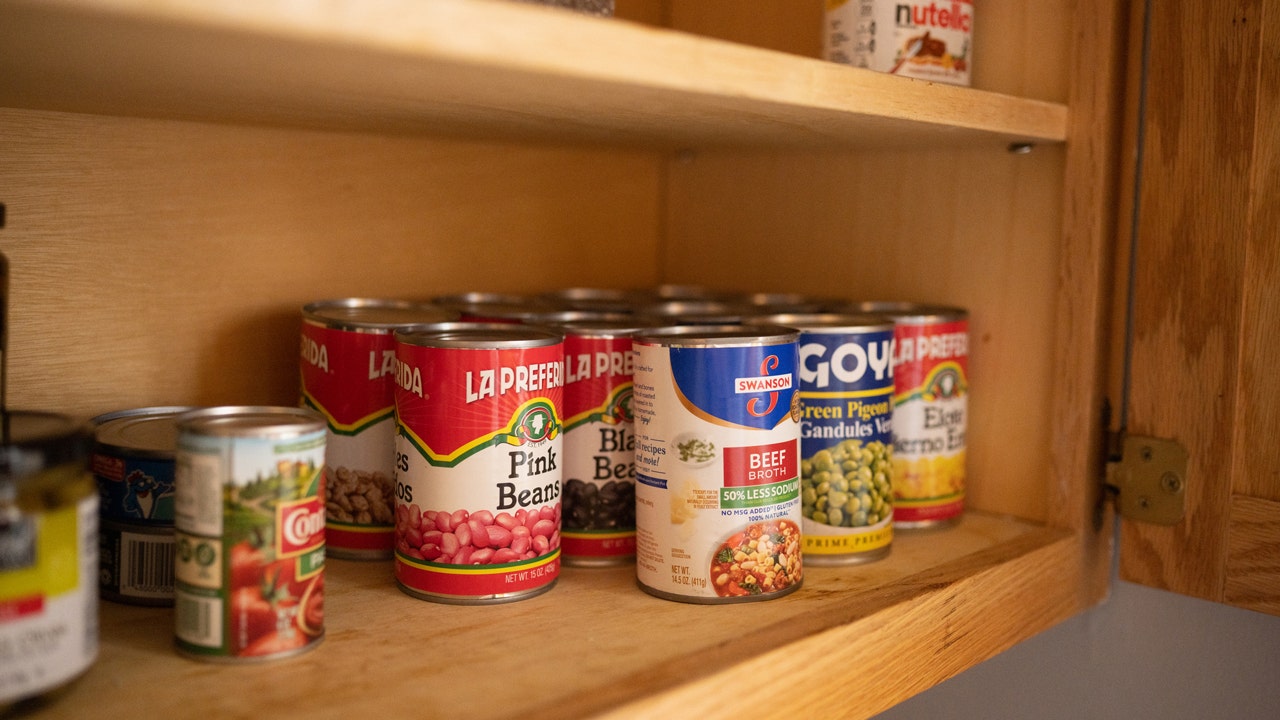
In these cases, the "affordability" issue – real and in some cases imagined - is made worse for families.  Many grocery items have risen by 25 to 30% in recent years, and the price of canned goods – from peas to peaches – has risen 40 percent during the same period. If these prices keep rising, voters will get angrier and Republicans will feel the wrath of the voters in November.

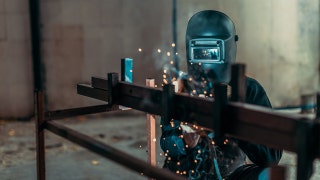
Which brings us back to tariffs. Canned goods are more expensive today in no small part because of the tariff on imported "tinplate steel" for metal cans of fruits and veggies and those costs get passed on to prices paid at the grocery check-out line. Short-sighted trade policy is largely to blame.

WHITE HOUSE ‘LASER FOCUSED’ ON AFFORDABILITY AS TRUMP SOFTENS TARIFF STRATEGY

U.S. steel manufacturers have been scaling back tinplate production in recent years, which has forced U.S. can makers to source more tinplate from abroad. The can makers import approximately 70 percent of the tinplate steel they use, up from 42 percent eight years earlier.

Tinplate steel was subject to President Trump’s 25 percent tariff in 2018. And since last June, the tariff has risen to 50 percent. Those tariffs have driven up costs for the domestic canned food industry. And those costs ultimately get passed along to consumers, in the form of higher food prices.

You may not think these cost increases are a big deal, but the reality is roughly one-third of the wholesale price of canned fruits and vegetables is connected to just the cost of the can. The higher cost of cans has meant that canned fruits and vegetables are rising at almost three times the pace of all foods. But there is no offsetting benefit.

The tariffs are meant to spur more domestic production. Maybe. But U.S. Steel isn’t planning on resuming production of tinplate steel, until next year at the earliest and that’s only a facility. And even if additional domestic production is brought on line next year, the volume will not come anywhere near to meeting the needs of American can manufacturers and food producers. Nor have the tariffs led to more production of American-grown canned foods. They have had the opposite effect.

Even worse, as costs for the U.S. canned food industry have increased, American producers are being undercut by foreign-filled canned goods imported from countries like China. This has produced a race to the bottom for U.S. retailers. And it means that the tariffs may be costing American jobs, not saving them.

In January 2026, Del Monte Foods announced it would be shuttering its operations at a fruit cannery in Modesto, California. That meant a loss of 600 full-time jobs and 800 to 900 seasonal jobs. A union representative for the workers blamed the steel tariffs, saying their impact was to "increase the cost of canned foods, making it that much more difficult for them to compete in the market against imported peaches that come in already canned."

CHINA THREATENS OUR FARMERS AND FOOD SUPPLY. STATES NEED TO STEP UP

So, foreigners are undercutting the prices of better American-grown and -made canned food products. Last year, more than two billion pre-filled cans of food were imported into the United States.

This growing dependence on China to meet American consumer needs creates food insecurity for those who need it most, as well as uncertainty for U.S. farmers who can’t compete on price with lower-quality Chinese food imports.

Because of the tariffs, American consumers are left with an unfortunate choice: paying more for American-made canned food or paying less for foreign canned food that is often lower quality and less safe. That is the opposite of America First.

CLICK HERE TO DOWNLOAD THE FOX NEWS APP

So the tariff on cans is bad for American farmers. Bad for steelworkers and American steel companies. Bad for consumers. And bad for iconic domestic brands and products like Campbell’s soup, Green Giant corn, and Red Gold tomatoes.  It’s good for China and other American rivals.

That’s why President Trump should repeal the tinplate steel tariffs immediately. It’s a policy, to borrow a phrase from Campbell’s soup, that is "mmm, mmm BAD."

CLICK HERE TO READ MORE FROM STEPHEN MOORE

A noted economist and expert on the intersection of law, economics and public policy formation, Steve Moore is the co-founder of Unleash Prosperity Now, an organization that promotes policies fostering economic growth and job creation.

Get the recap of top opinion commentary and original content throughout the week.

By entering your email and clicking the Subscribe button, you agree to the Fox News
        Privacy Policy
       and
        Terms of Use
      , and
      agree to receive content and promotional communications from Fox News. You understand that you can
      opt-out at any time.

Subscribed

You've successfully subscribed to this newsletter!