yahoo Press
Northern lights could be possible in multiple states. See where
Images
1 / 18

2 / 18

3 / 18
4 / 18
5 / 18
6 / 18
7 / 18
8 / 18
9 / 18
10 / 18
11 / 18
12 / 18
13 / 18
14 / 18
15 / 18
16 / 18

17 / 18

18 / 18
Lovers of the night sky and northern lights will want to look upward over the next few evenings.

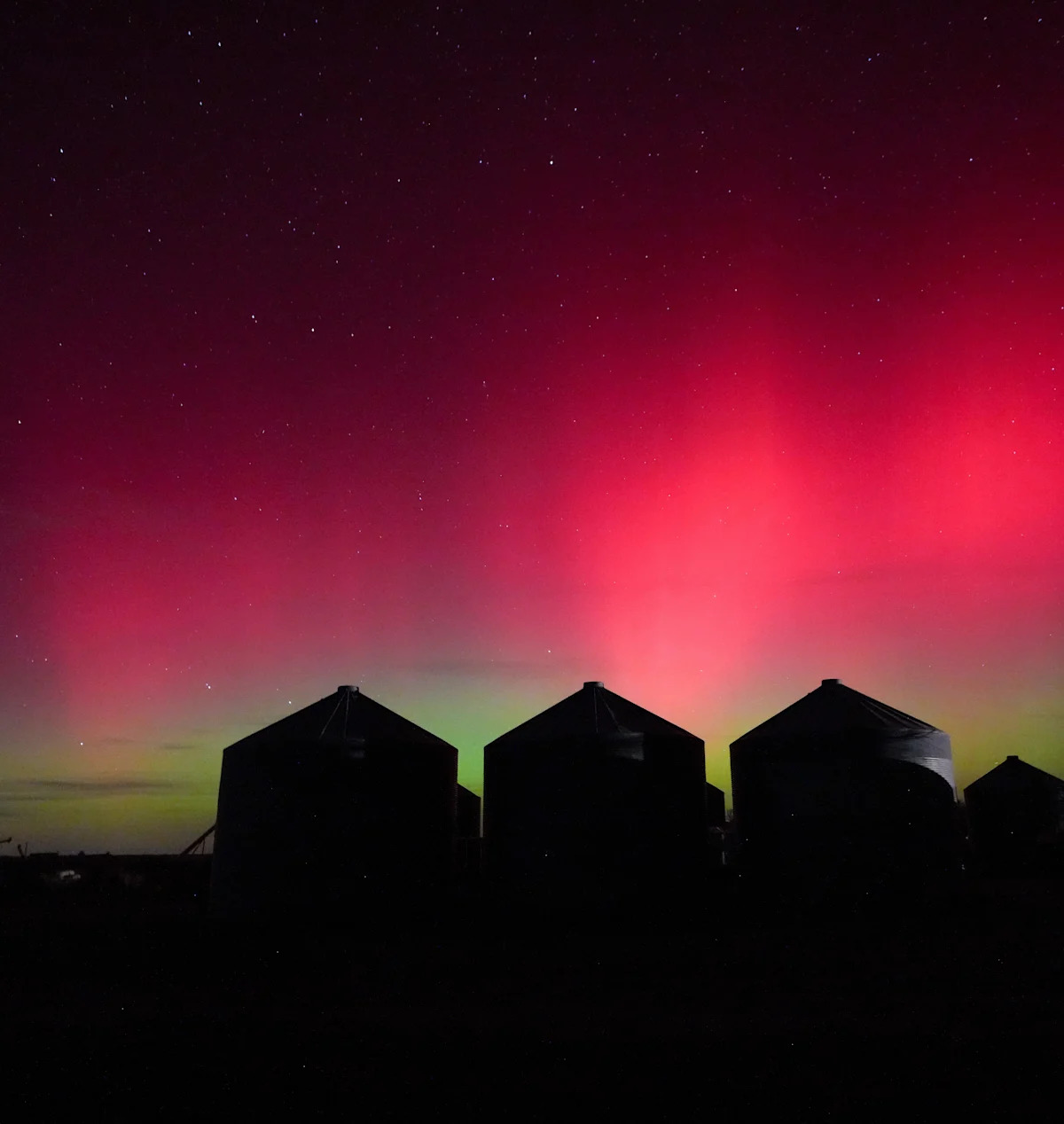
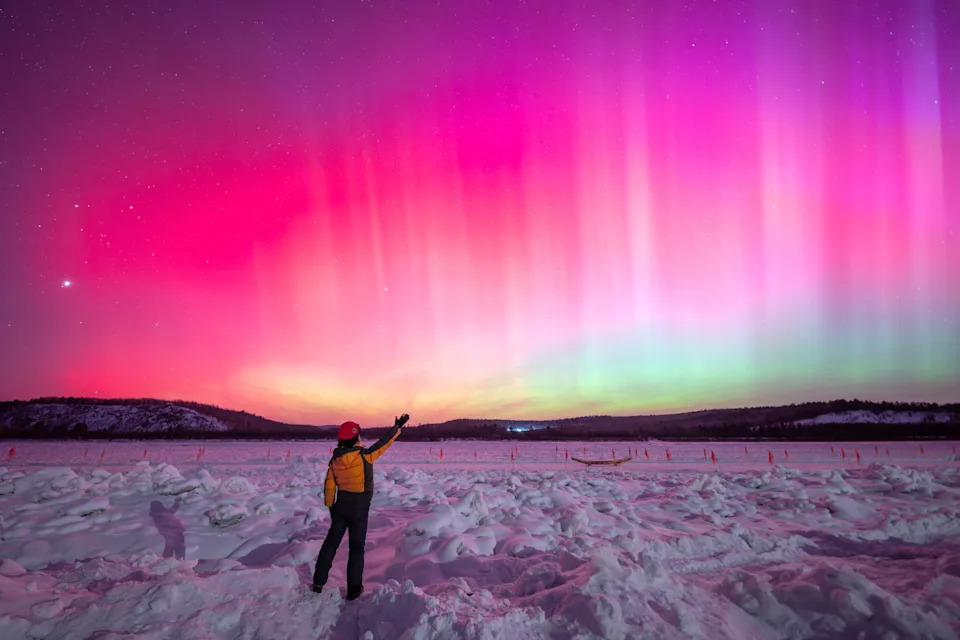
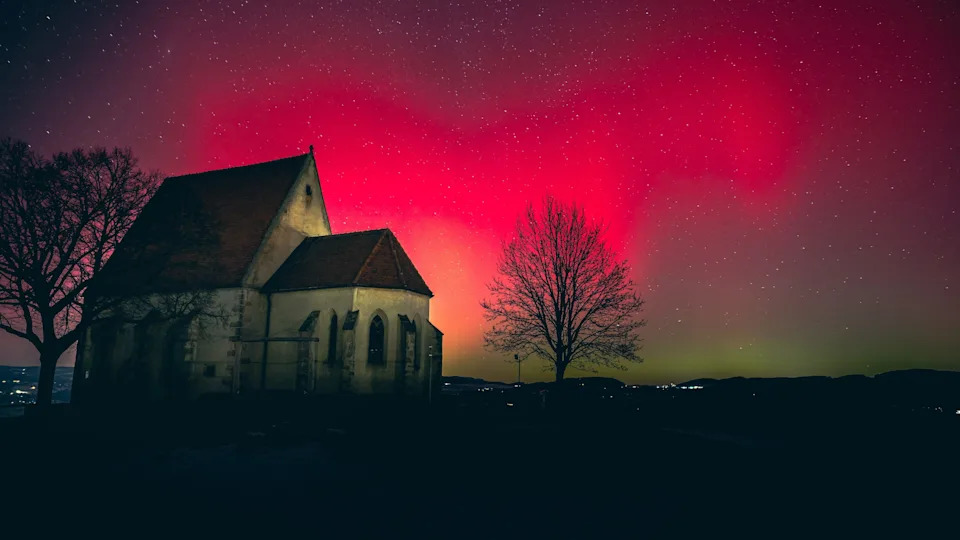
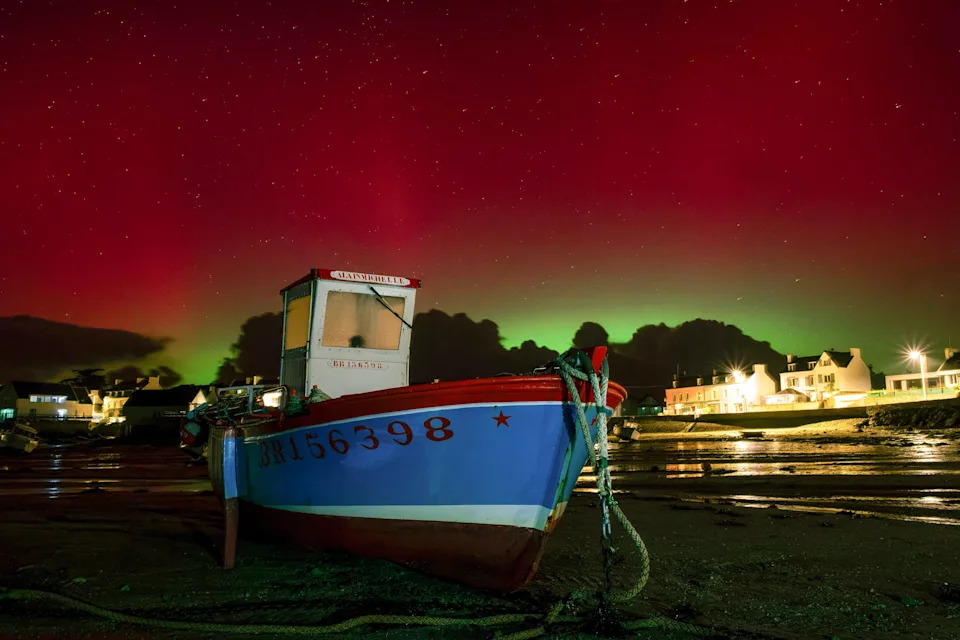
The National Oceanic and Atmospheric Administration (NOAA) Space Weather Prediction Center has issued a G3 geomagnetic storm alert for Thursday, June 4, and Friday, June 5, which may result in northern lights visible in several states.

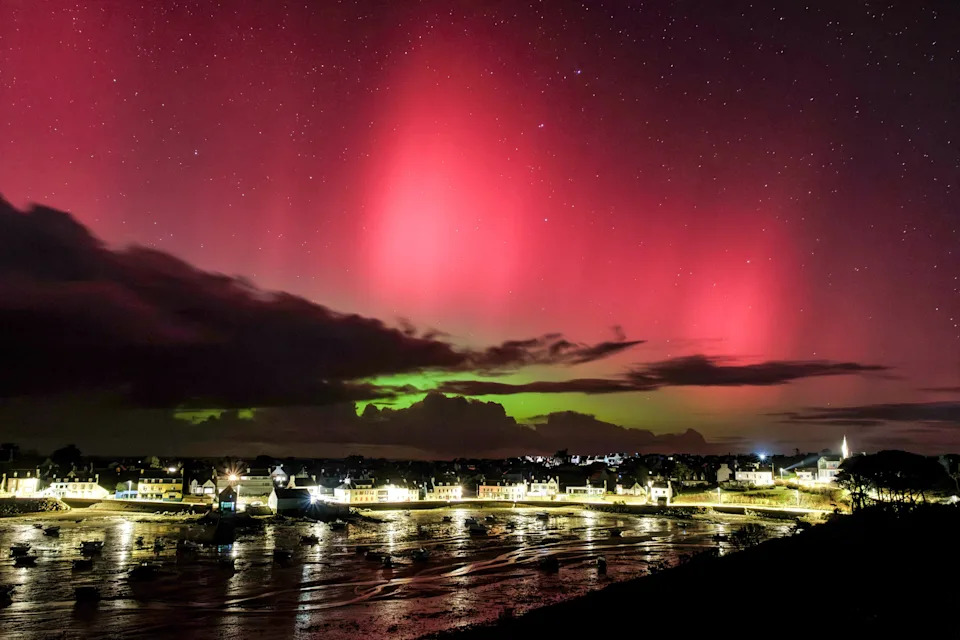
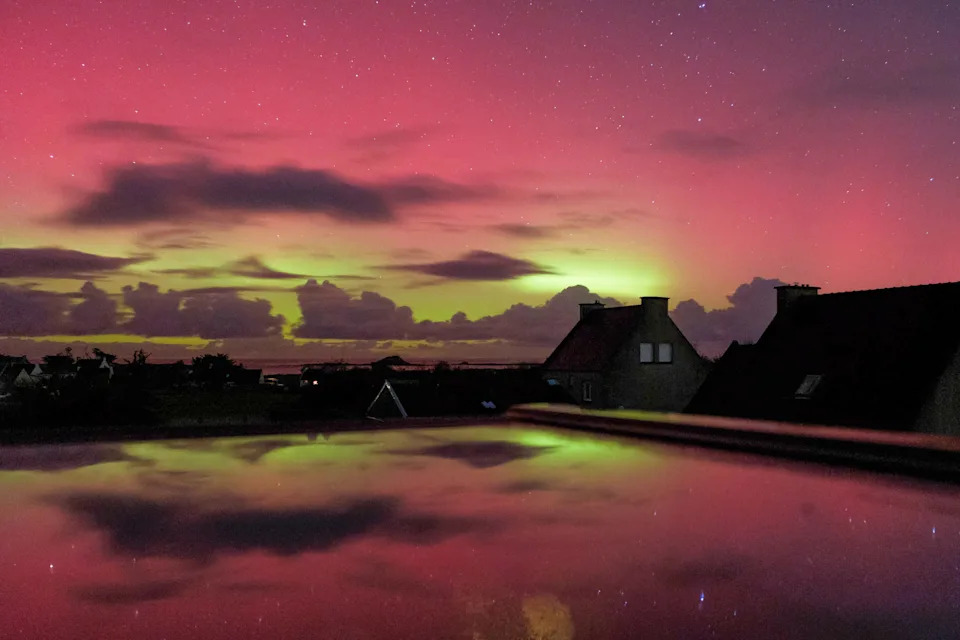
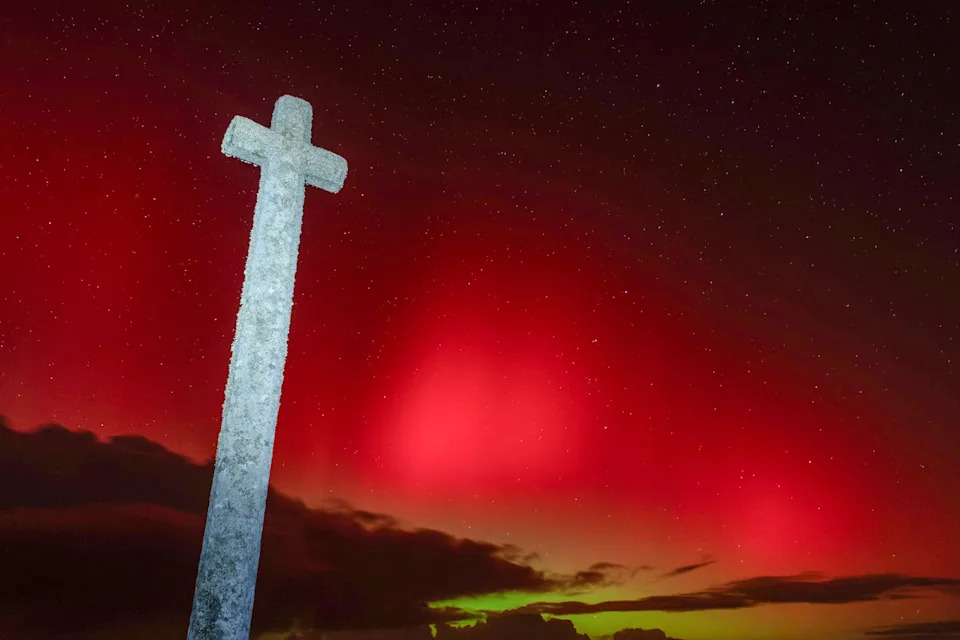
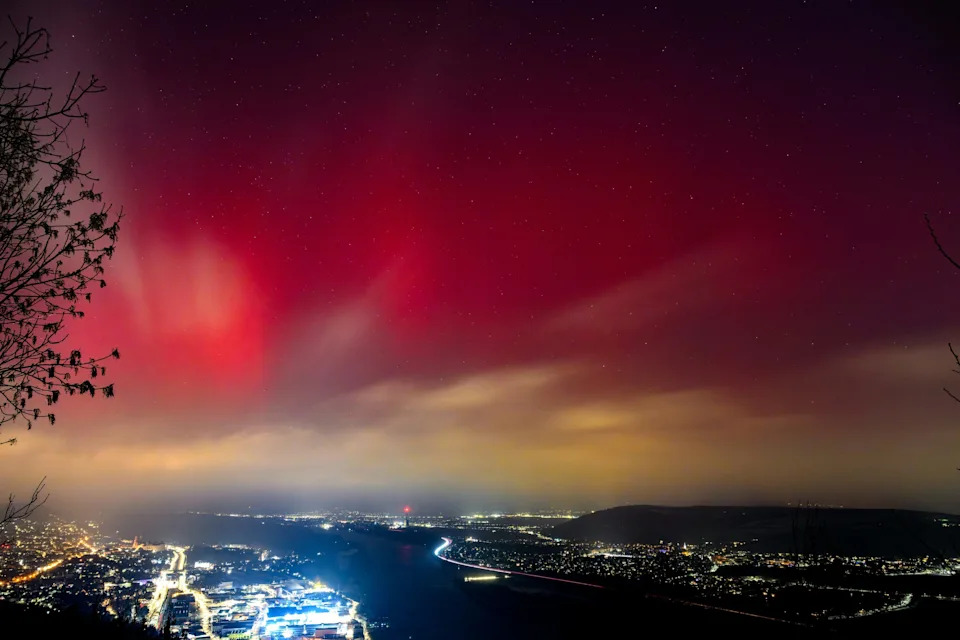
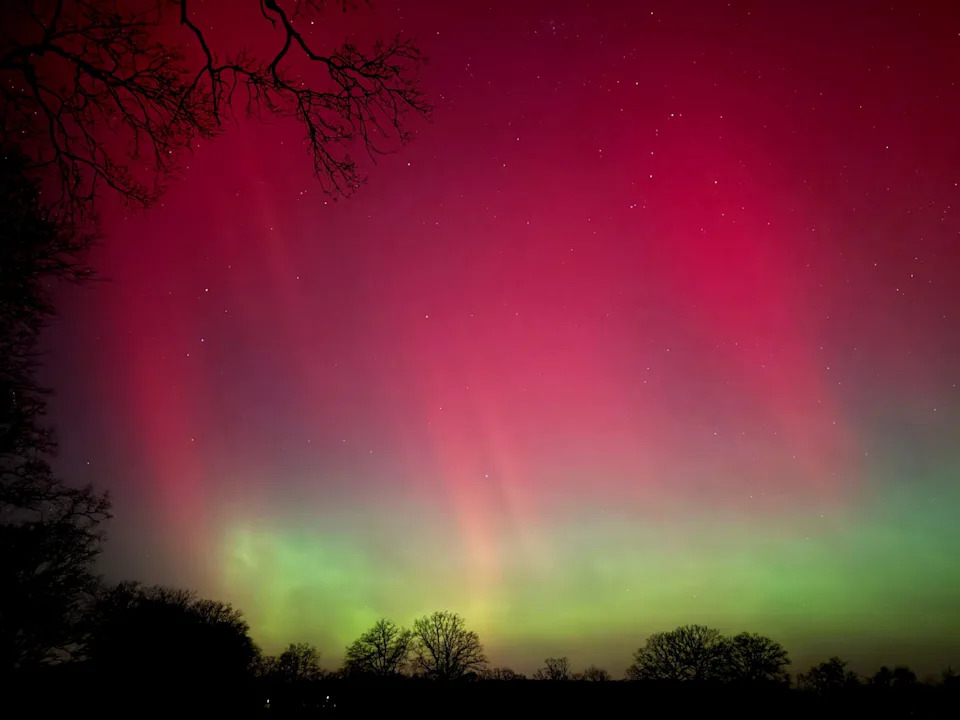
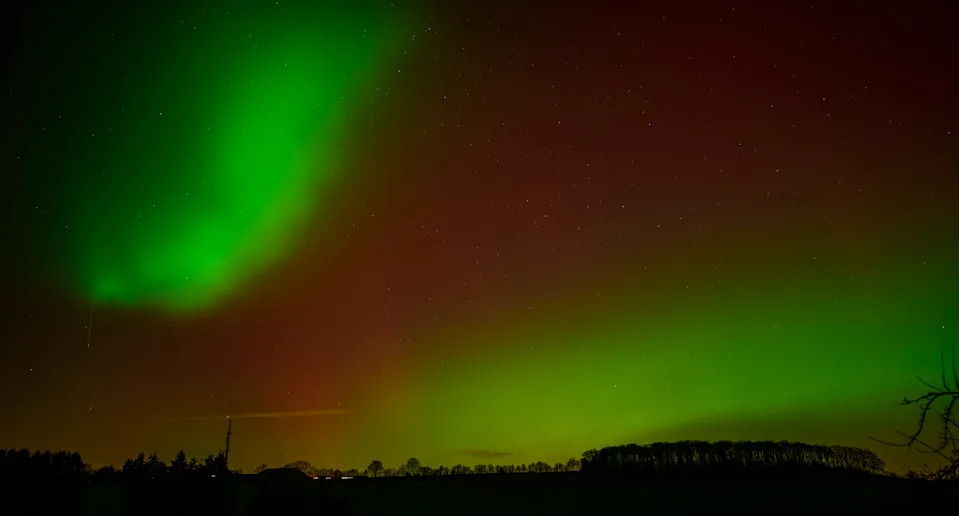
A G3 geomagnetic storm is a "strong" disturbance in Earth's magnetic field, which can cause auroras, more commonly known as the northern lights. For a G3 storm, the geomagnetic activity has a Planetary K-index (Kp) of seven, which means the northern lights move further from the poles, becoming bright and active, according to the NOAA. Kp is a global scale used to measure the magnitude of geomagnetic storms.

Interested in seeing where the northern lights will be visible? Here's what to know about the upcoming geomagnetic storm.

Space: Meteor explodes over Boston as sonic boom rings out across Massachusetts

The G3 geomagnetic storm is predicted for Thursday, June 4, and Friday, June 5.

The strongest geomagnetic activity is expected during the afternoon and overnight hours, between 2 p.m. and 5 p.m. ET on June 4 and between 8 p.m. and 11 p.m. ET on June 5, according to the NOAA 3-Day Forecast.

According to the NOAA, the following states may see the northern lights on June 4 and 5:

Alaska*

Connecticut

Idaho*

Illinois

Indiana

Maine*

Massachusetts

Michigan*

Minnesota

Montana*

Nebraska

New Hampshire

New York

North Dakota*

Ohio

Oregon*

Pennsylvania

Rhode Island

South Dakota*

Vermont

Washington*

Wisconsin

Wyoming

Note: States with an asterisk (*) denote the best northern lights visibility.

According to the NOAA, in addition to seeing the northern lights, the magnetic disturbance may have some other impacts:

Power systems: Voltage corrections may be required, and false alarms may be triggered on some protection devices.

Spacecraft operations: Surface charging may occur on satellite components, drag may increase on low-Earth-orbit satellites, and corrections may be needed for orientation problems.

Other systems: Intermittent satellite navigation and low-frequency radio navigation problems may occur, and HF radio may be intermittent.

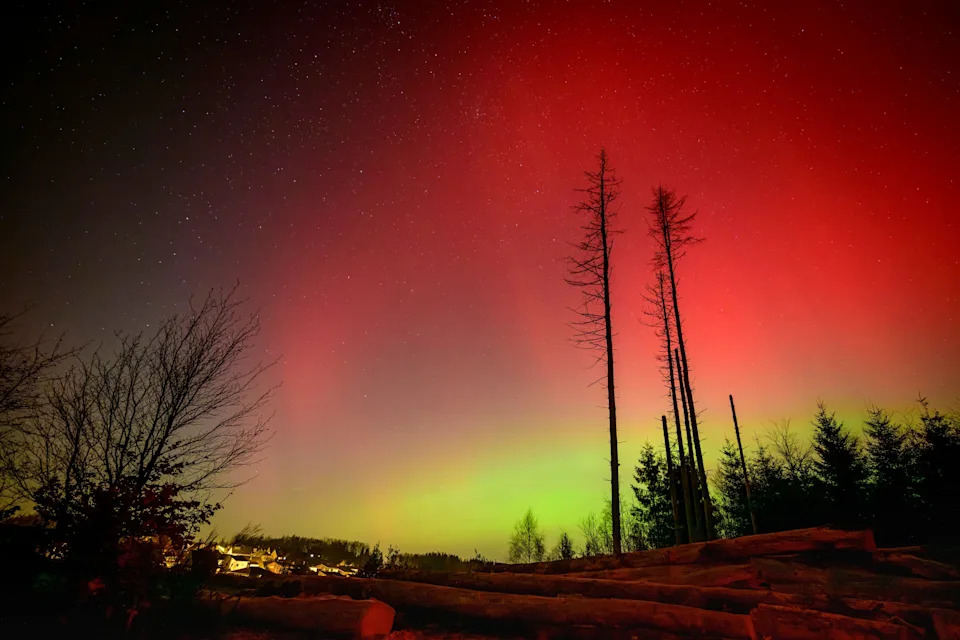
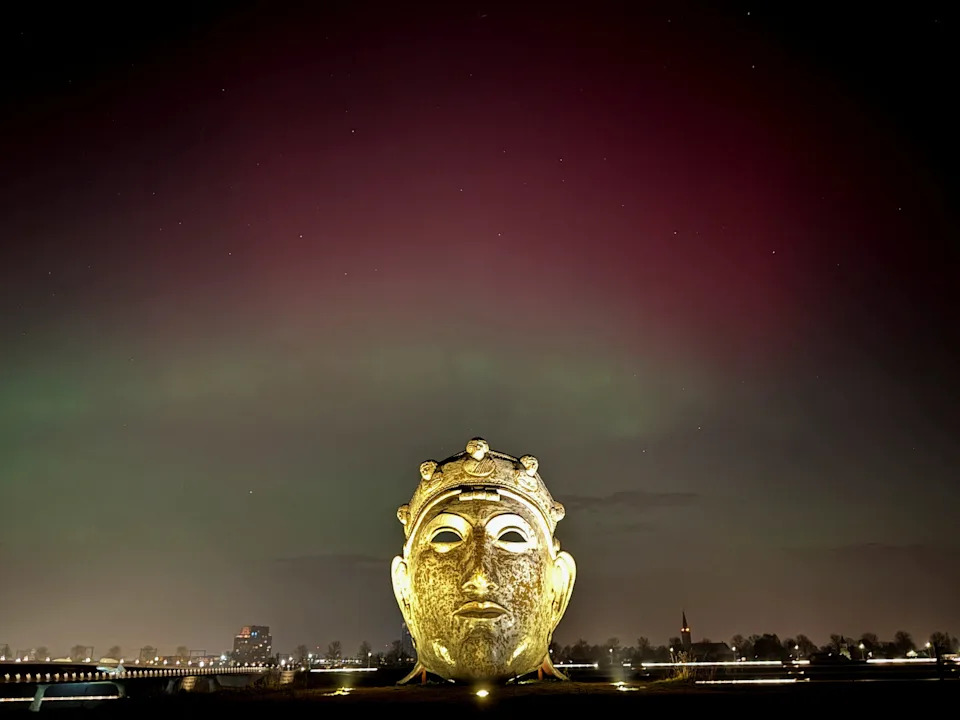
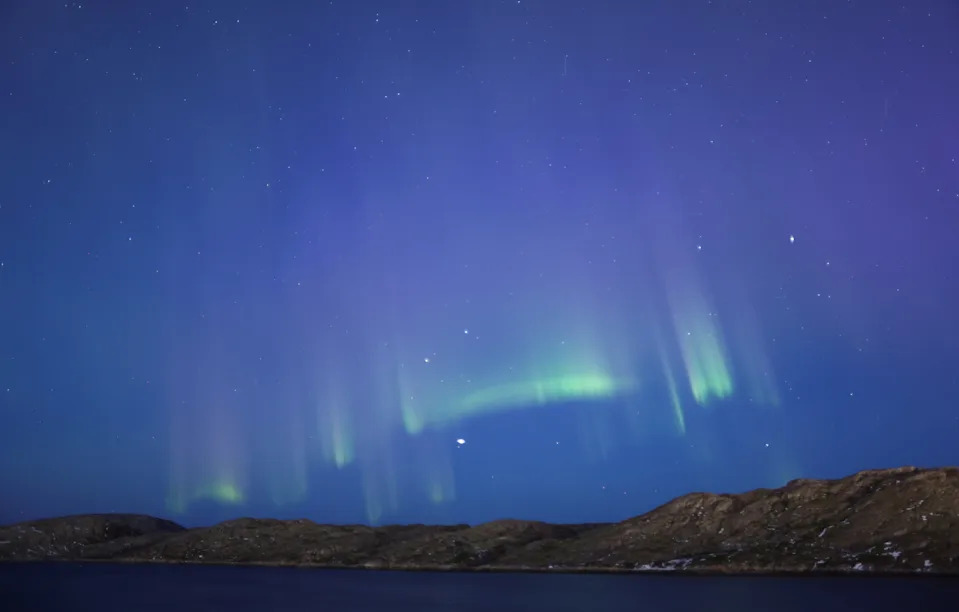
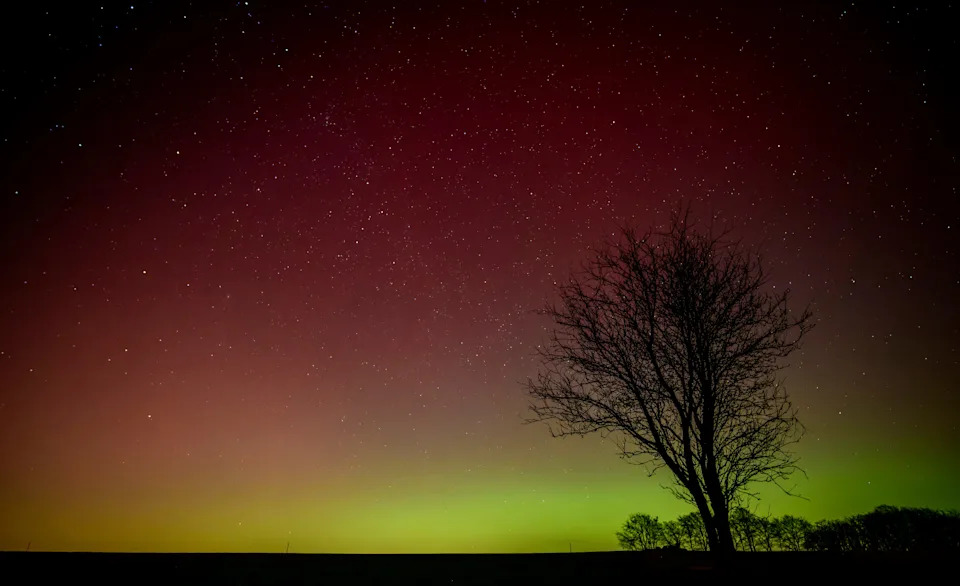
The northern lights are a natural light display in Earth's sky, best seen in high-latitude regions of the Northern and Southern hemispheres.

The phenomenon is caused when electrically charged particles from space enter Earth's atmosphere and collide with molecules and gases like oxygen and nitrogen, causing the atmospheric particles to gain energy. To return to their normal state, the particles release that energy in the form of light, according to the University of Alaska at Fairbanks Geophysical Institute website, which tracks the phenomenon.

As auroras form, Earth's magnetic field redirects the particles toward the poles through a process that produces a stunning display of rays, spirals and flickers that have fascinated humans for millennia. Whether hues of green, red, blue and even pink dance about in the sky depends on the altitude where the collisions occur, as well as the composition and density of the atmosphere at the time.

Greta Cross is a national trending reporter at USA TODAY. Story idea? Email her at gcross@usatoday.com.

Eric Lagatta is the Space Connect reporter for the USA TODAY Network. Reach him at elagatta@gannett.com.

Cheryl McCloud is a journalist for the USA TODAY Network-Florida's service journalism Connect team. You can get all of Florida’s best content directly in your inbox each weekday day by signing up for the free newsletter, Florida TODAY, at https://floridatoday.com/newsletters.

This article originally appeared on USA TODAY Unlimited Use: Northern lights may be visible in US tonight and Friday. See where