Press
US says it struck Iranian radar sites as Kuwait reports missile and drone attacks
Images
1 / 8

2 / 8
3 / 8
4 / 8
5 / 8
6 / 8
7 / 8
8 / 8
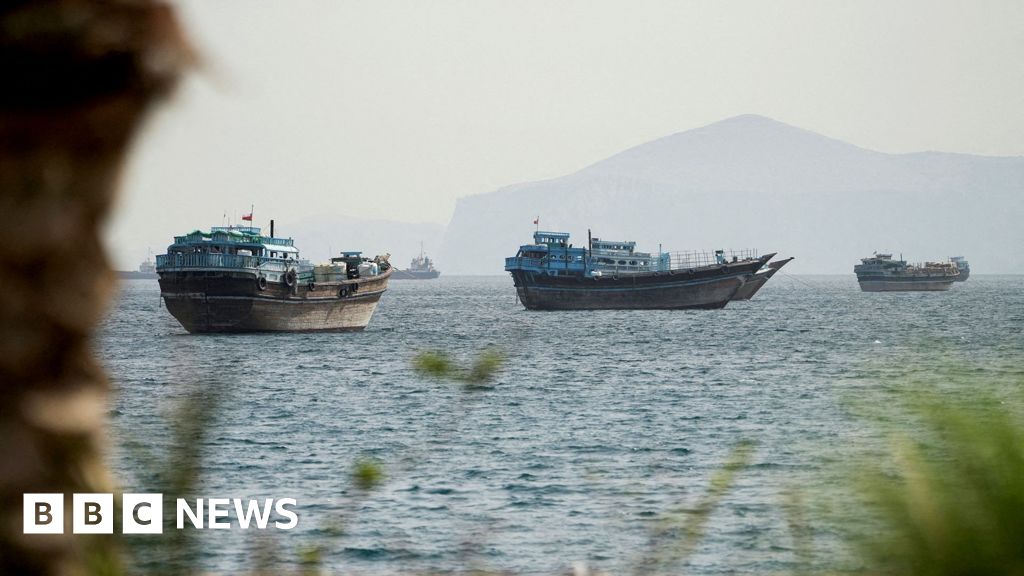
The US has said it struck Iranian military sites over the weekend while Tehran said it responded by targeting an American base, marking the third known escalations in a week around the Strait of Hormuz.

US Central Command (Centcom) said it launched "self-defence strikes" in response to "aggressive Iranian actions", which it said included a US drone being shot down over international waters.

Iran's Islamic Revolutionary Guard Corps (IRGC) said it had targeted an air base used by US forces for an attack on southern Iran, without specifying the location.

Meanwhile Kuwait, which hosts a US base, said its air defence system was "confronting hostile missile and drone attacks" without providing further detail.

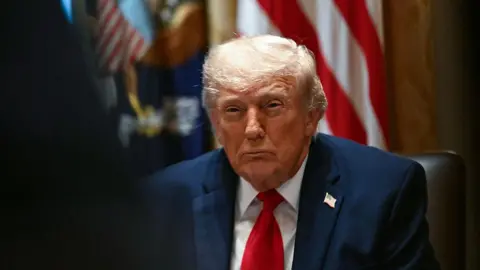
Trump urged his critics to "sit back and relax" in a post on Truth Social early on Monday, saying it would "all work out well in the end". He said Iran "really wants to make a deal, and it will be a good one for the USA".

The strikes mark the latest exchange between the two sides after negotiations on a deal to end their months-long war failed to advance over the weekend, with US media reporting President Trump had requested changes to its terms.

The changes are related to the Strait of Hormuz shipping channel and the removal of highly enriched uranium, the BBC's US news partner CBS News reported. The White House did not respond to a request for comment.

Iran's chief negotiator said on Sunday that Tehran would not agree to any deal unless Iranian rights were fully secured.

The US military said it had on Saturday and Sunday conducted "self-defense strikes on Iranian radar and command and control sites for drones" in the the city of Goruk, near Iran's southern coast, and Qeshm, an island in the Strait of Hormuz.

In a post on X, Centcom said US fighters struck the Iranian military's air defences, a ground control station and two drones that it said "posed a clear threat to ships transiting through regional waters". No American personnel were injured in the attacks, the military said.

The IRGC said it targeted the airbase which the US had used to carry out the strikes on its communications tower on Sirri Island in the Gulf, around 40 miles (65km) from Iran's southern coastline.

Iran's military added that its response would be "completely different" if US aggression was "repeated", according to IRGC remarks reported by Iran's semi-official Fars news agency.

Kuwait's military said on Monday it was "confronting hostile missile and drone attacks" but did not specify where the interceptions were occurring. State news agency KUNA reported air raid sirens sounded across the country.

Tehran targeted an air base in Kuwait last week in response to earlier US air strikes, which it said were conducted to prevent Iranian boats and missile strikes from laying mines around the shipping channel.

While a ceasefire came into effect on 8 April, Trump has repeatedly suggested the US and Iran are close to a permanent deal and that negotiations are progressing, but so far no formal agreement has been reached.

Trump and senior aides met on Friday to make a "final determination" about a framework for extending the ceasefire, but the meeting concluded without clarity on the next steps before reports later emerged that the president had requested changes to the text.

The latest terms includes a 60-day cessation of violence, a call to reopen the Strait of Hormuz and a framework to reopen negotiations on Iran's nuclear program, CBS News reported.

Approximately one-fifth of global oil and liquefied natural gas (LNG) shipments usually pass through the Gulf shipping channel, with the de facto trade embargo placing upward pressure on fuel prices around the world.

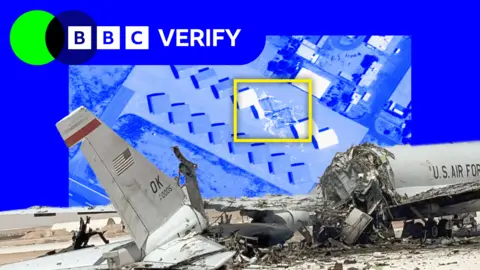
Analysts told BBC Verify that Tehran's strikes were more extensive than publicly acknowledged.

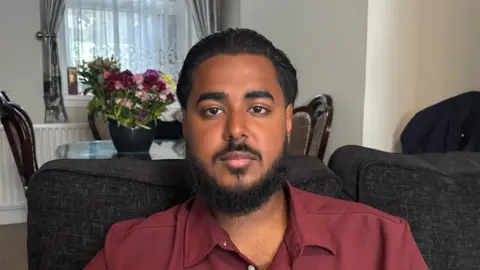
Hasnain Jafer says his time spent in Israeli custody was "harrowing".

The requested changes are related to the Strait of Hormuz and the removal of highly enriched uranium, according to US media.

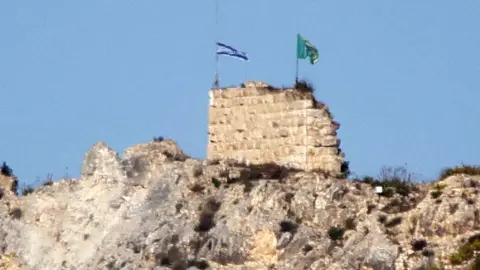
Prime Minister Benjamin Netanyahu calls the capture of the strategic fortress a "decisive shift" in Israel's campaign against Hezbollah, as European governments criticise the escalation.

Performers Young MC, Poison frontman Bret Michaels and country singer Martina McBride raised concerns the event will be political.