yahoo Press
Ukraine says Russia is using a new jet-powered attack drone in response to its interceptors
Images
1 / 8
2 / 8

3 / 8

4 / 8
5 / 8
6 / 8

7 / 8

8 / 8
Russia has started using its new jet-powered attack drone, the Geran-4, in combat.

Ukraine said Monday this is in response to the effectiveness of its interceptor drones.

Jet-powered drones are faster and more difficult to shoot down than propeller-driven variants.

Russia has started using a new jet-powered attack drone in response to Ukrainian interceptor drones, which are becoming increasingly effective in combat, Kyiv said Monday.

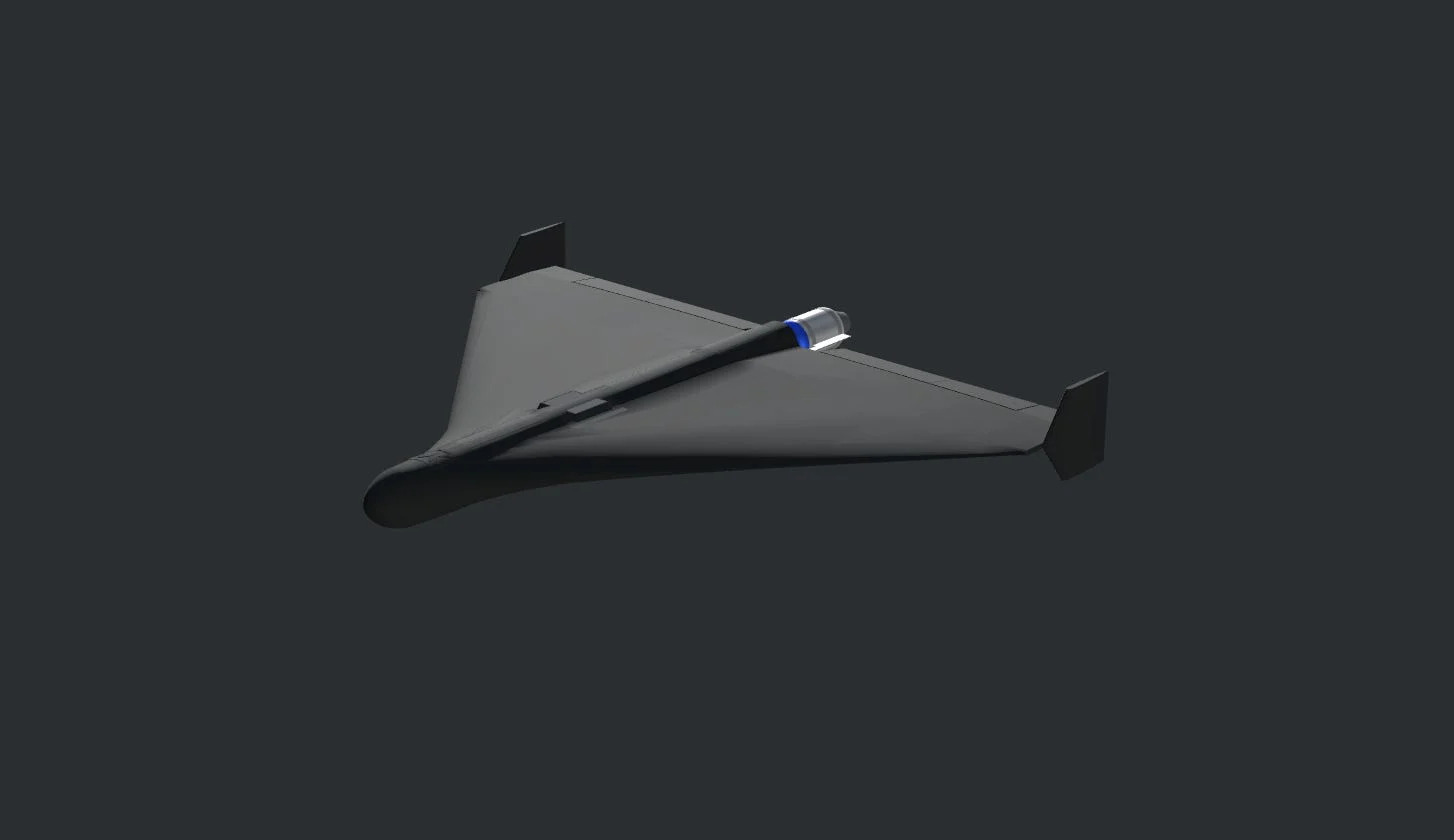
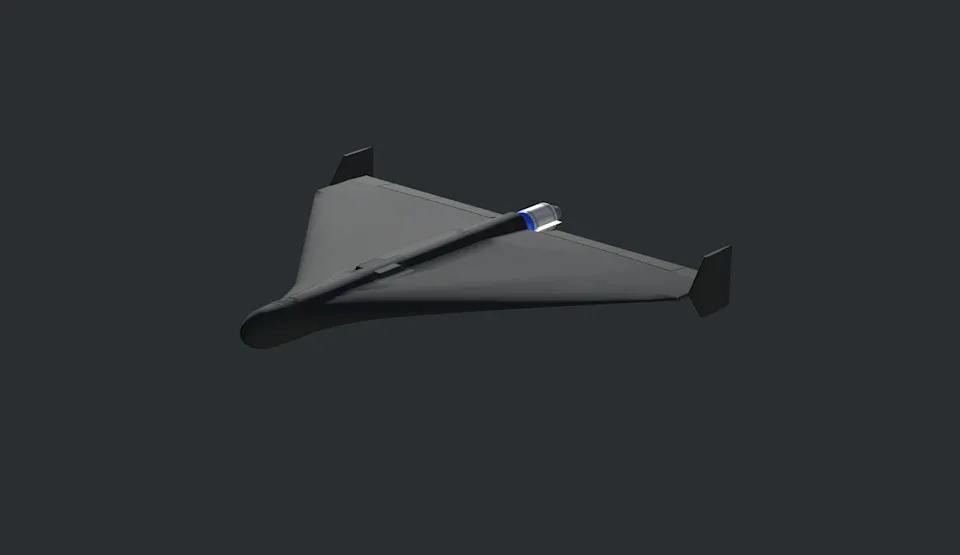
Russia routinely uses propeller-driven drones called the Geran-2 — based on the notorious Iranian Shahed — to attack Ukrainian cities, but has developed faster variants powered by jet engines known as the Geran-3, Geran-4, and Geran-5.

The Geran-3 made its combat debut last year. On Monday, Ukraine's military intelligence agency, the GUR, said Russia had started using the newer Geran-4 in attacks this month "as a countermeasure against the effectiveness of our interceptor" drones.

Cheap interceptor drones are a critical tool in Ukraine's air defense arsenal as it faces worsening Russian bombardments.

Mykhailo Fedorov, Ukraine's defense minister, recently told reporters that the number of Geran-type drones downed by interceptor drones has doubled since the start of the year, while deliveries to the military have increased at the same time.

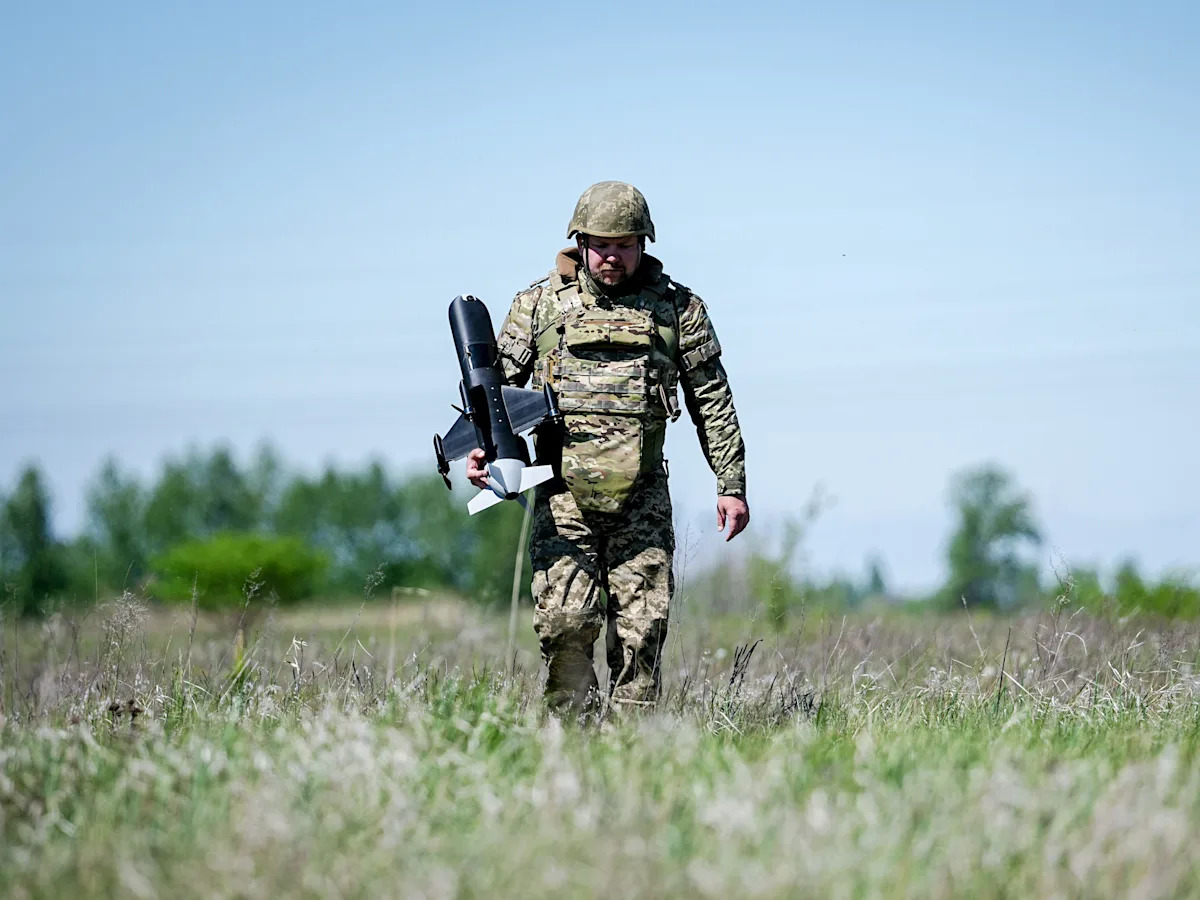
The interceptor drones are armed with small warheads and eliminate their targets by colliding with them or exploding nearby. But they are primarily designed to engage the Geran-2, which can reach speeds of 115 mph, not the faster variants.

The Geran-4 is powered by a Chinese-made turbojet engine and can fly as fast as 500 km/h (roughly 310 mph) and cruise at an altitude of 5,000 meters (1,640 feet), the GUR said. The drone can carry a highly explosive warhead over a distance of 450 kilometers (280 miles).

Jet-powered drones are launched by long rails and accelerate to flight speed before the engine takes over. The GUR said the Geran-4 has an improved airframe, a more reinforced structure, and an engine that provides greater thrust than its predecessor variants. The design allows for active maneuvering.

Neither Russia's defense ministry nor its US embassy responded to requests for comment on the GUR assessment.

Russia's jet-powered drones have not been used as widely in combat as the propeller-driven Geran-2, although Moscow has expanded the infrastructure to support their launches at various air bases.

Serhii "Flash" Beskrestnov, an advisor to Ukraine's defense ministry, said Russia used both the Geran-3 and Geran-4 to attack Kyiv during a massive bombardment over the weekend that killed at least two people and injured dozens more.

Ukraine has signaled that it is preparing for an uptick in Russian jet-powered drones. For instance, interceptor drone makers have said they are developing faster models to chase down the newer Gerans.

Fedorov, the defense minister, told reporters that Ukraine is focused on developing a stockpile of low-cost interceptor missiles "to prepare for the emergence of jet-powered" drones, and that Kyiv has already begun testing.

Ukraine aims to scale production and build out a stockpile before the fall, Fedorov said, as Russia typically ramps up missile and drone strikes during the colder months.

The rise of interceptor drones, followed by the debut of jet-powered Gerans, and Ukraine's development of cheap missiles in response to that, follows a similar trend throughout the conflict, where one side fields a new technology that forces the other to adapt and counter.

Ukrainian and Western officials have often described the conflict as a cat-and-mouse arms race, as both sides seek to gain an edge on the battlefield through tactical and weapons innovation.

If you enjoyed this story, be sure to follow Business Insider on Yahoo.