Press
UK agrees £3.7bn trade deal with six Gulf states
Images
1 / 8

2 / 8
3 / 8
4 / 8
5 / 8
6 / 8
7 / 8
8 / 8
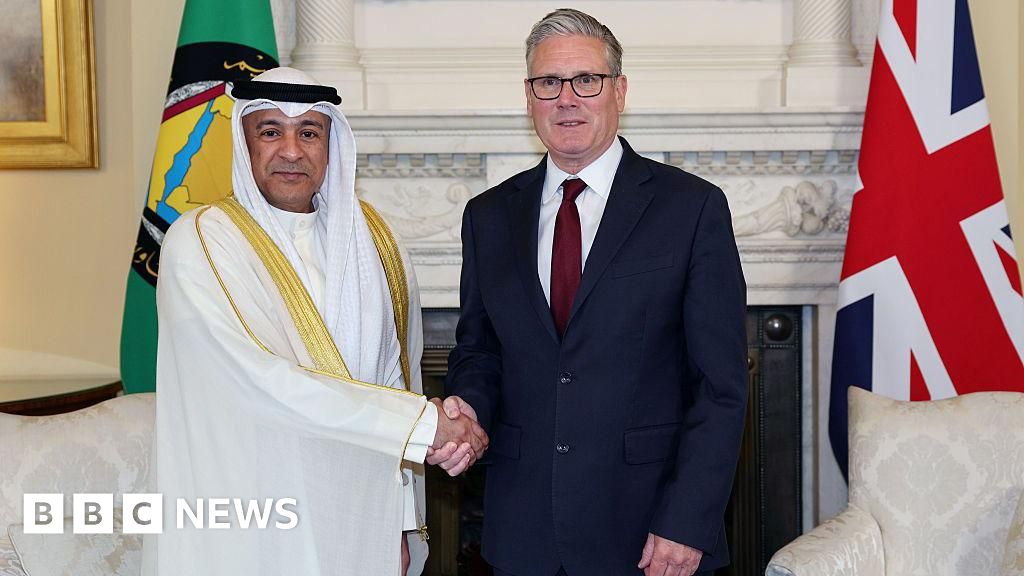
The UK has struck a trade deal with a group of six Gulf states which it says will be worth £3.7bn to the economy.

The government said the deal with Bahrain, Kuwait, Oman, Qatar, Saudi Arabia, and United Arab Emirates (UAE) will remove an estimated £580m a year in tariffs from British exports to the region once fully implemented.

It also said it will make it easier for British firms to expand and partner in the Gulf, which will support jobs.

However, rights groups have criticised the lack of detail on human rights and labour protections in the deal.

Meanwhile, the Conservatives, which began the negotiations for the deal when in government, said it was "another major Brexit opportunity" which Labour risks "throwing away" because what it sees as Labour's pro-EU stance.

British products that will have tariffs removed include cheddar cheese, butter and chocolate.

The deal between the UK and the Gulf Cooperation Council (GCC) states marks the third trade agreement struck by Prime Minister Sir Keir Starmer's government, after deals with India and South Korea.

It is also the first deal between a G7 country and the GCC.

Starmer said the deal was "a huge win" for British workers and businesses.

Working people "will feel the benefits in the years ahead through higher wages and more opportunities".

Business and Trade Secretary Peter Kyle said: "At a time of increased instability, today's announcement sends a clear signal of confidence – giving UK exporters the certainty they need to plan ahead."

Chancellor Rachel Reeves said the agreement was "proof we are backing British firms to compete and win globally".

"This agreement is good for jobs, good for industry and ultimately good for consumers."

However, rights group Trade Justice Movement has said the deal "poses serious risks to human rights, labour protections, and climate action".

It has raised concerns about the GCC's record of restricting press freedom, using the death penalty, and being high producers of greenhouse gas emissions because of their six countries' oil industries.

It said on Wednesday the deal "locks the UK into deeper commercial ties with some of the most repressive governments in the world, for economic gains so marginal they barely register."

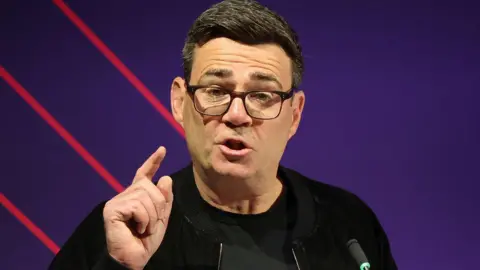
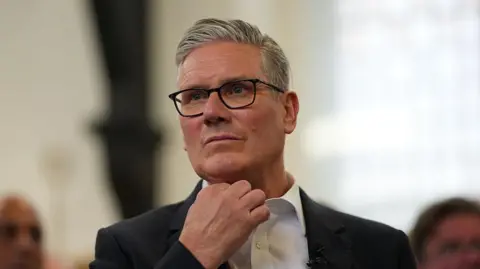
The potential leadership challenger says he is not proposing the UK considers rejoining the EU.

The UK's relationship with the EU is shaping up as a key issue for a possible Labour leadership contest and the coming by-election in the Makerfield.

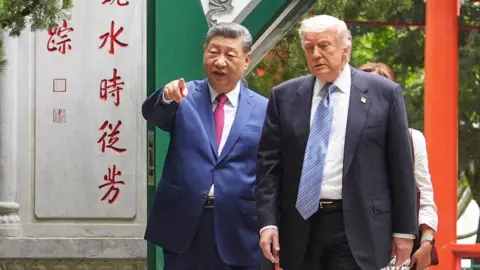
There were plenty of choreographed ceremonies but no trade breakthroughs after the two-day visit.

Trump's whirlwind visit to China is the most significant for years - but will it bear fruit?

Sir Keir Starmer pledged to rebuild the UK's relationship with Europe in a defiant speech on Monday.