yahoo Press
Disney sued over facial recognition at parks
Images
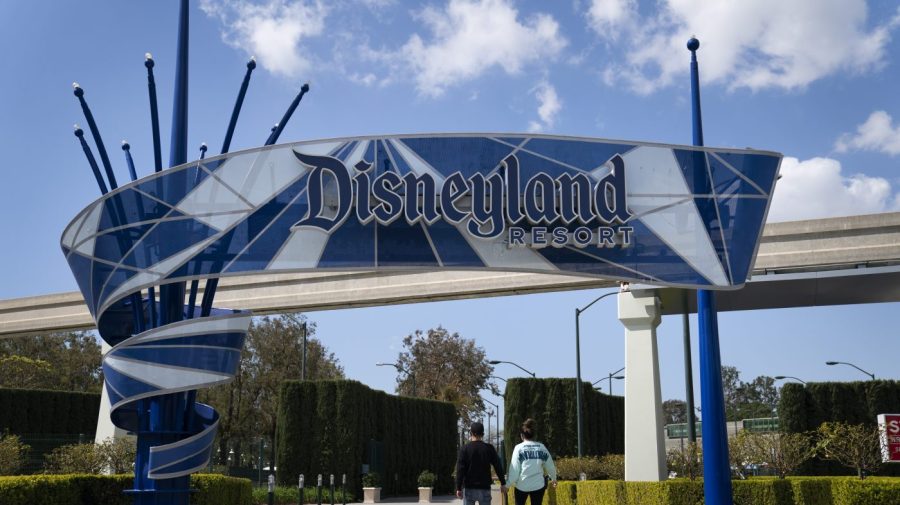
1 / 6

2 / 6

3 / 6

4 / 6

5 / 6

6 / 6
A California woman is suing the Walt Disney Co. over allegations that the use of facial recognition technology at theme park entrances violates consumer privacy laws.

The class-action complaint was filed in the Southern District of New York on behalf of Summer Christine Duffield, a Riverside County woman who visited Disneyland and Disney California Adventure in early May.

It alleges Disney began collecting biometric data from visitors, including children, at its parks’ entrances in late April without proper consent and has not been fully transparent with how it uses the data.

“Unfortunately, for visitors of Disney Theme Parks, including Plaintiff Duffield and Class members, they have no idea whatsoever that their biometrics — data which are more permanent than a Social Security number and which cannot be changed or altered — were collected without adequate consent,” the complaint states.

The purpose of the facial recognition technology is described in Disney’s Privacy Policy as helping to streamline reentry into parks and prevent fraud, noting that guests can choose entrance lanes equipped with it when entering the park.

The policy states that those entrances “use images of your face taken by a camera at the entrance and the image of your face that was saved when you first used the ticket or pass” to find a match in its system.

“We respect and protect our guests’ personal information and dispute the plaintiff’s claims, which we believe are without merit,” Jessica Jakary, a Disneyland Resort spokesperson, said in a statement to The Hill.

All data is deleted 30 days after creation, and alternate entrances are available for individuals who do not wish to opt in to the technology, according to the company.

However, the plaintiff’s lawyer argued that those separate entrances are not clearly marked, which hinders visitors’ ability to make an informed decision.

“There are dozens of lines which allow guests to enter the parks, but only four out of the many lines claim not to use facial recognition through their unclear signage,” attorney Blake Yagan wrote. “Guests, let alone children, cannot make a conscientious choice to avoid having their facial recognition data collected.”

The lawsuit seeks at least $5 million in damages to resolve claims that the company violated California state privacy laws and a section of the Federal Trade Commission Act that protects against deceptive and unfair trade practices.

Updated at 8:34 p.m. EDT.

Copyright 2026 Nexstar Media, Inc. All rights reserved. This material may not be published, broadcast, rewritten, or redistributed.

For the latest news, weather, sports, and streaming video, head to The Hill.