buzzfeed Press
15 Major Global News Stories The Rest Of The World Is Talking About — But The US Isn't
Images
1 / 18
2 / 18

3 / 18
4 / 18
5 / 18
6 / 18

7 / 18
8 / 18
9 / 18
10 / 18
11 / 18
12 / 18
13 / 18
14 / 18
15 / 18

16 / 18

17 / 18

18 / 18
From France ditching Microsoft Windows over Trump’s sanctions to Germany overtaking the US as the world’s largest ammunition producer to a Chinese court blocking companies from firing workers to replace them with AI, these stories are reshaping the world — but they’re barely registering in US headlines.

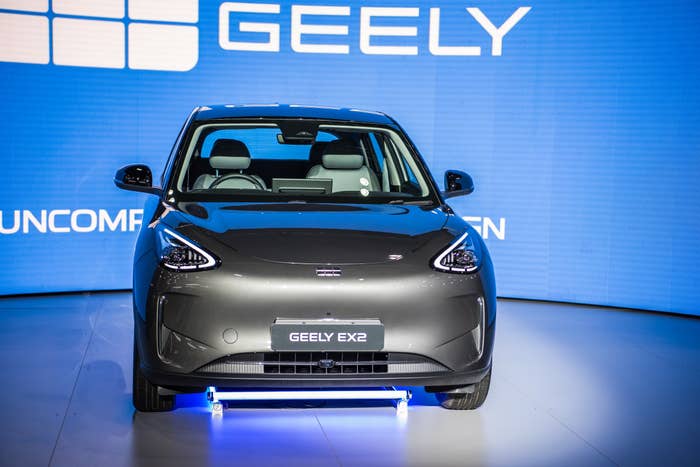
Why it matters: Chinese EVs are effectively locked out of the US market. The Biden administration imposed 100% tariffs on Chinese EVs in 2024, and the Trump administration has expanded them further as part of its broader trade war. Domestic automakers and policymakers argue that the tariffs protect American jobs and keep state-subsidized Chinese companies from undercutting US manufacturers. Without them, the cost gap is so wide that GM, Ford, and Stellantis would struggle to compete.

The trade-off for American consumers has been significantly higher car prices. The average new vehicle price in the US has risen 33% since 2020, and Americans now pay more for new cars than buyers in almost any other major market. With affordable EVs largely out of reach, American drivers remain heavily dependent on gas prices, which have risen again amid the conflict with Iran.

Chinese automakers, meanwhile, have moved ahead on battery range, fast charging, and in-car software. BYD overtook Tesla as the world's largest EV maker in 2024, and Chinese brands are now expanding aggressively into Europe, Latin America, and Southeast Asia.

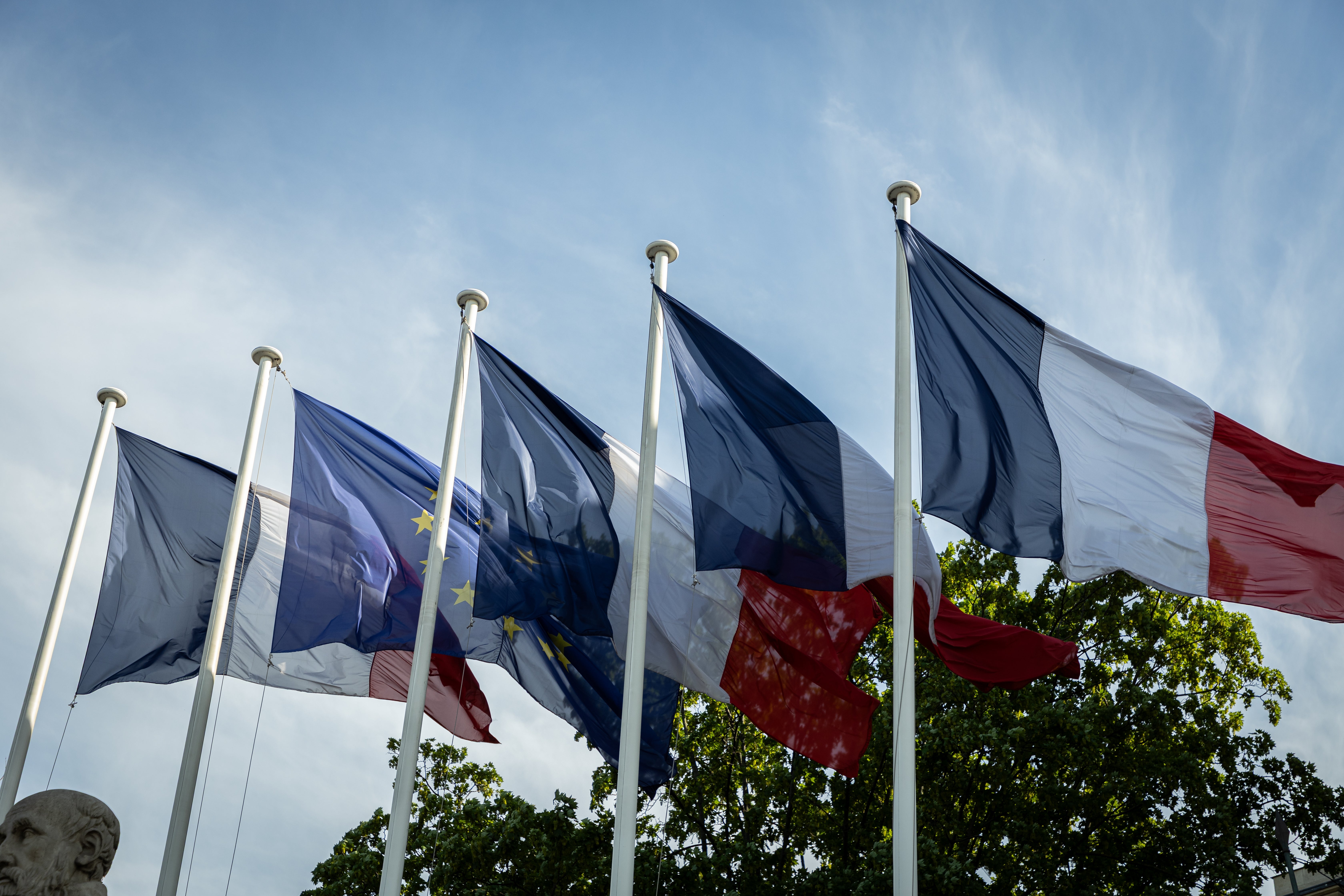
Why it matters: Linux is an open-source operating system, meaning the underlying code is free, publicly available, and not controlled by a single company — unlike Windows, which is owned and updated by Microsoft. France's move comes amid growing concern across Europe about how the Trump administration has used US economic and technological dominance as a political weapon, including through sanctions targeting everyone from political critics to judges at the International Criminal Court. Because US companies are barred from providing services to sanctioned individuals, some of those targeted have reportedly lost access to American bank accounts and tech services like email and cloud storage.

For decades, US tech giants like Microsoft, Google, Amazon, and Apple have been embedded in the daily operations of governments, hospitals, schools, and businesses worldwide, generating enormous revenue and giving Washington significant leverage. Europe's "digital sovereignty" push signals that allies no longer trust this arrangement, and as more countries follow France's lead, US tech companies could lose access to lucrative government contracts and influence abroad.

Why it matters: The traditional business model of journalism has largely collapsed over the past two decades. Newspapers and local broadcasters once funded their reporting through advertising — particularly local ads, classifieds, and subscriptions — but the rise of the internet redirected most of that revenue to a small number of tech platforms. Google captured search advertising, Meta captured social advertising, Craigslist destroyed classifieds, and the platforms now distribute most of the news that reaches readers without producing any of it themselves. As a result, local newsrooms have collapsed across democracies, with widespread newspaper closures documented across the UK, Canada, Germany, Australia itself, and the US, where more than 3,000 newspapers have shut down since 2005.

Australia's approach is one of the most direct attempts so far to force the platforms to share their revenue with the publishers whose work fills their feeds. The 2021 News Media Bargaining Code, the world's first law of its kind, initially extracted hundreds of millions of dollars from Meta and Google for Australian publishers. Rather than renew the deals, the platforms have since stripped news content from their services entirely, a tactic Australia's new proposal is designed to discourage by taxing them regardless of whether they host news. Canada passed a similar law in 2023, prompting Meta to block all news content on Facebook and Instagram for Canadian users. The EU, the UK, and several other countries have been watching closely as they consider their own versions, and the outcome will help shape how other countries handle the financial relationship between platforms and publishers.

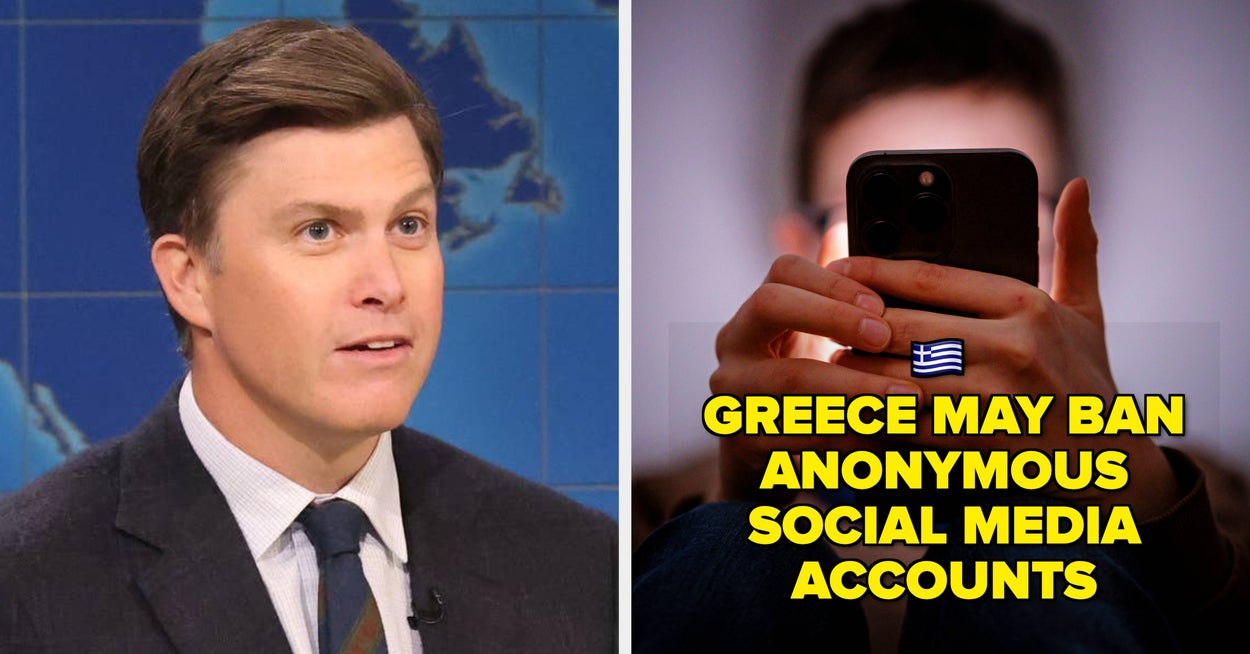
Why it matters: Greece's proposal addresses one of the internet's oldest tensions: anonymity can protect people while also making online abuse harder to prosecute. Anonymous and pseudonymous accounts have allowed whistleblowers, abuse survivors, dissidents, and ordinary users to speak without attaching every opinion or personal experience to their real names. However, they've also enabled coordinated harassment, far-right recruitment, foreign influence campaigns, and a culture of online abuse that often only produces consequences when other users identify (dox) the person behind the account.

The proposal reflects a growing enforcement problem across democratic countries, where prosecutors often struggle to link illegal online activity to the people behind accounts. If the EU adopts Greece's approach, platforms may have to build identity-verification systems at a scale that has not previously existed, and companies may find it easier to apply those systems globally than maintain separate rules for Europe. For users, the change could alter the basic calculation of posting online, especially when political opinions, personal experiences, or controversial speech can be more easily tied back to a real name.

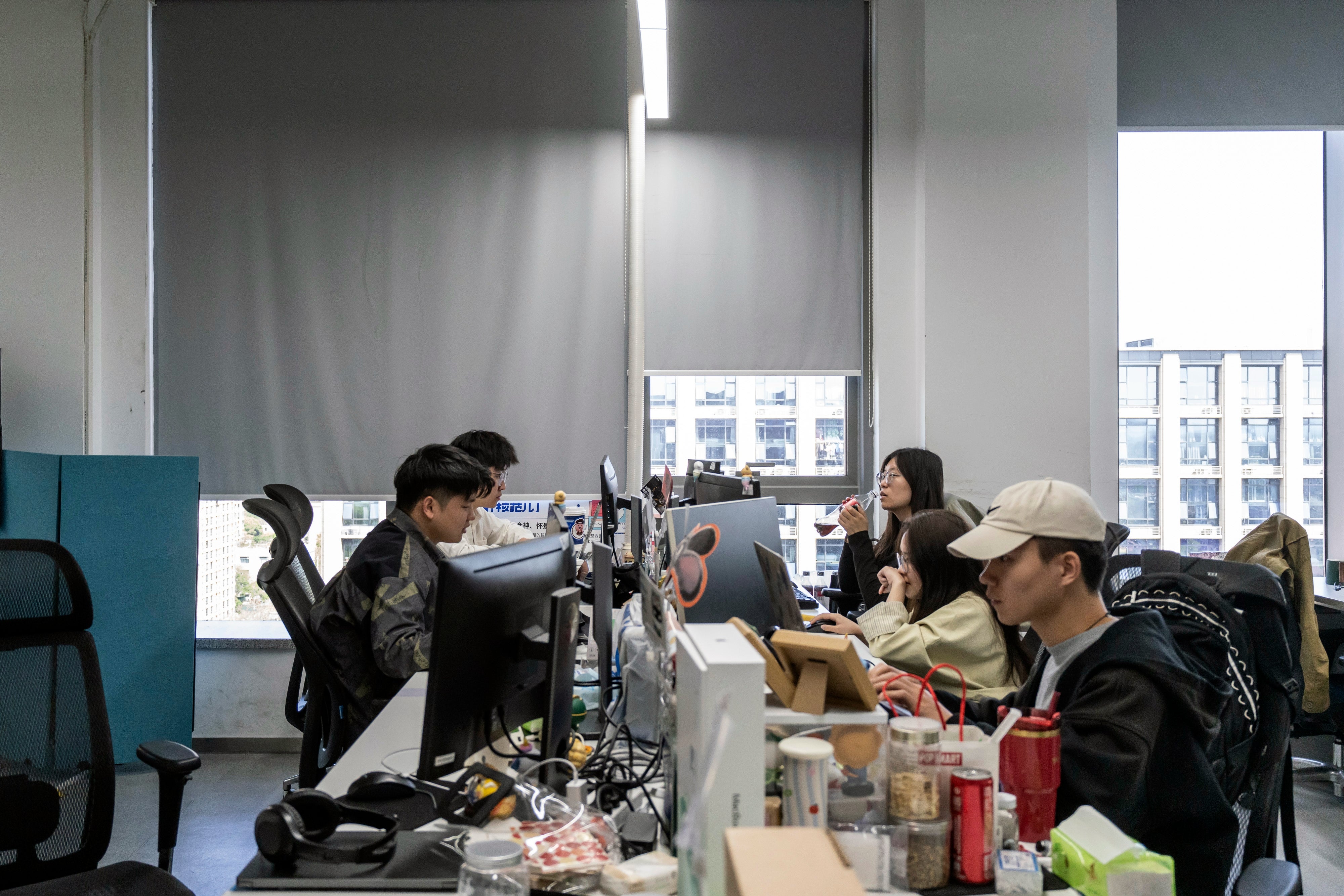
Why it matters: Though China is aggressively pushing to dominate the global AI race, its courts are increasingly signaling that companies cannot simply replace workers with automation as a cost-cutting measure. The rulings reflect growing concern inside the Chinese government that large-scale AI displacement could deepen youth unemployment and economic instability at a politically sensitive moment. As similar cases emerge across multiple cities, the decisions are beginning to establish some of the world's strongest legal precedents around AI-driven labor displacement.

AI-driven layoffs are already accelerating across the US tech industry. Companies including Meta, Microsoft, IBM, Google, Salesforce, and Amazon have all announced cuts linked to automation and AI adoption in 2025. However, American workers generally have little protection against being replaced, as at-will employment laws in most states allow companies to terminate employees without cause.

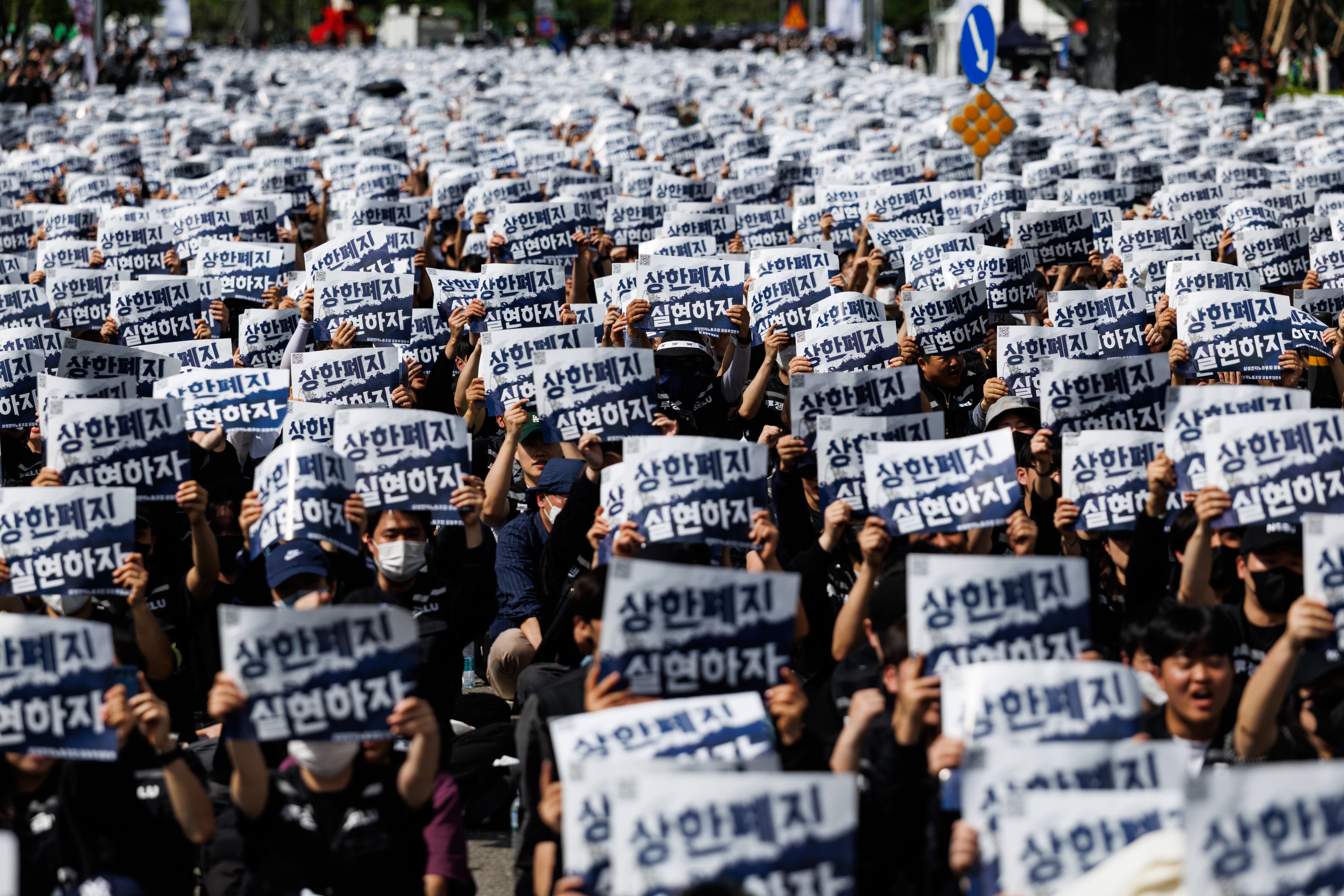
Why it matters: Samsung and SK Hynix together produce more than 80% of the world's high-bandwidth memory, aka HBM, the specialized chip required to run AI systems like ChatGPT, Google Gemini, and the AI tools embedded in nearly every major US tech product. Very few companies in the world can manufacture these chips at the scale and quality required, meaning the entire AI boom — and much of the recent US stock market surge — depends on production at a handful of Korean facilities. A prolonged strike at Samsung would tighten an already constrained supply, with ripple effects across the consumer products Americans buy. It's already part of why Nintendo raised the Switch 2 price by $50 in May, and Sony hiked PlayStation 5 prices by up to $150 earlier this year.

The strike is also feeding into a broader debate in South Korea over who should benefit from the AI boom. Samsung and SK Hynix have received an estimated $13.6 billion in combined tax breaks under the country's K-Chips Act, while both companies have profited enormously from soaring demand for AI hardware. At the same time, American tech executives who have benefited from the boom have accumulated staggering personal wealth, with Nvidia CEO Jensen Huang's net worth climbing past $150 billion. The dispute could shape how labor across the global tech supply chain bargains over AI profits in the years ahead.

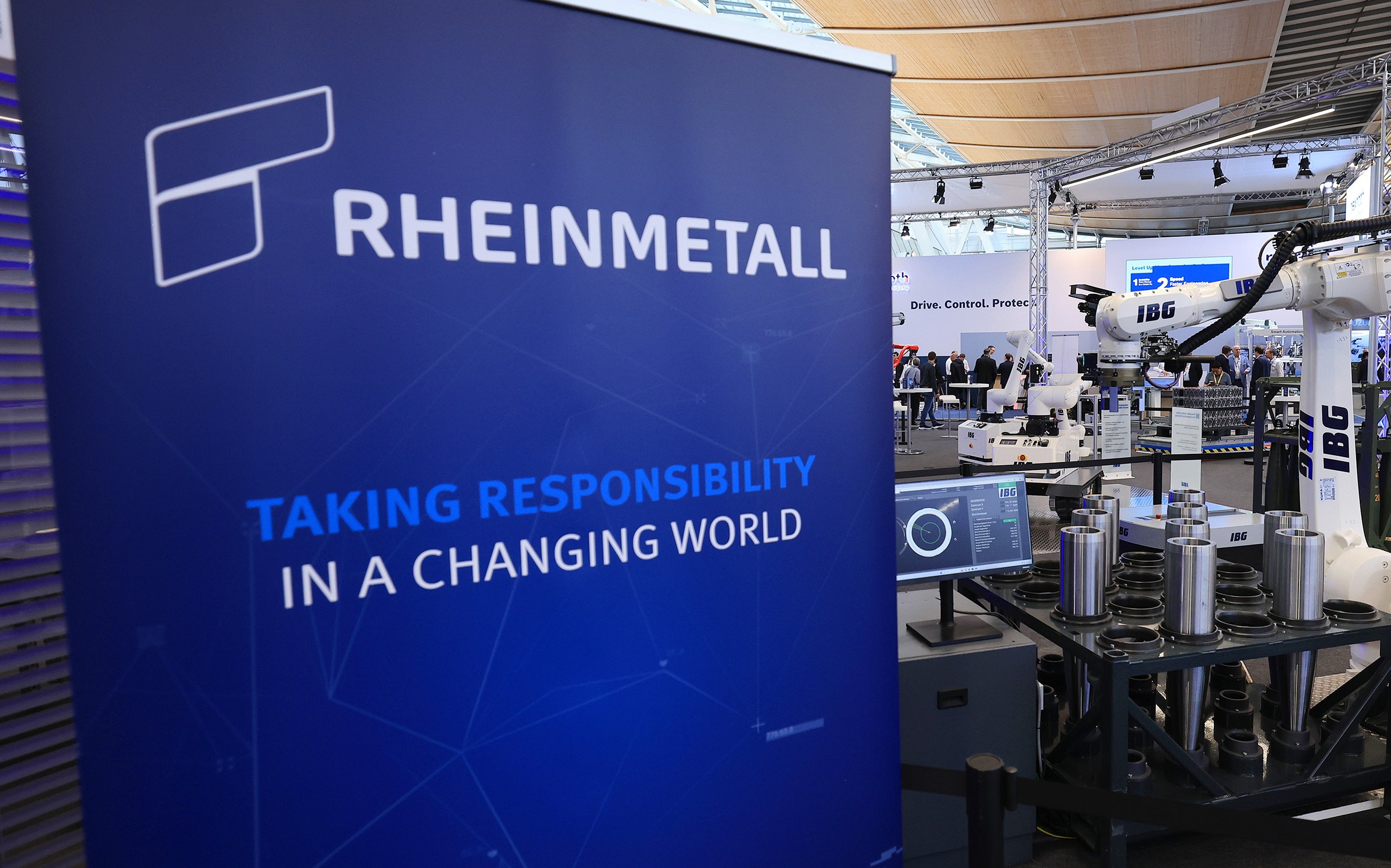
Why it matters: Germany has spent 80 years defining itself as a peaceful industrial power, with a postwar identity shaped by manufacturing and a deep public aversion to militarism after starting two world wars. It is now scaling up to become the world's largest ammunition producer. The shift is also reshaping the country's labor market. Germany's auto industry is shedding jobs, with Volkswagen and other major manufacturers announcing cuts, while Rheinmetall says weapons production could absorb roughly a third of the displaced workforce.

The transformation is largely driven by growing doubts across Europe about whether the US will continue defending its allies, particularly under the Trump administration. Europe has been an enormous and growing customer for US defense companies. In 2024, American arms exports hit a record $318.7 billion, with sales to Europe more than tripling since 2020. As European countries expand their own defense industries, that long-standing dynamic could begin shifting over time.

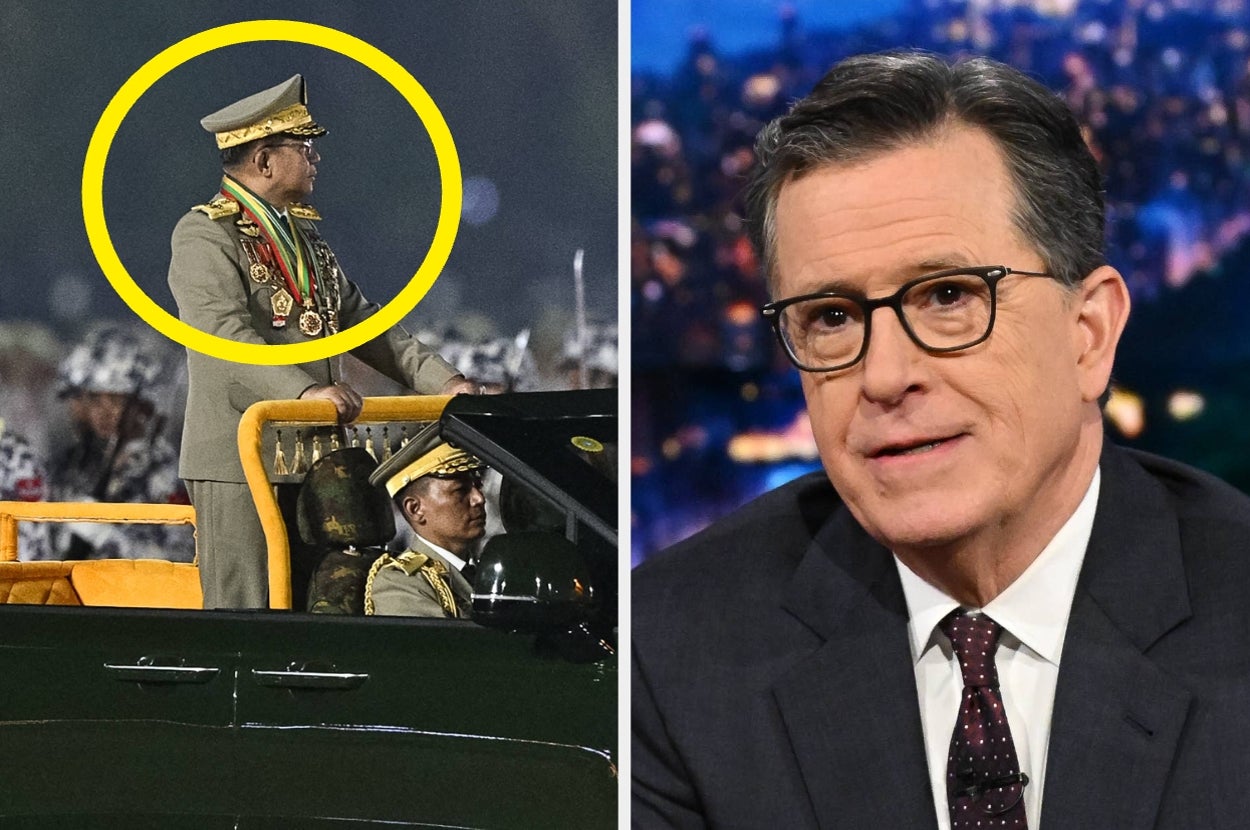
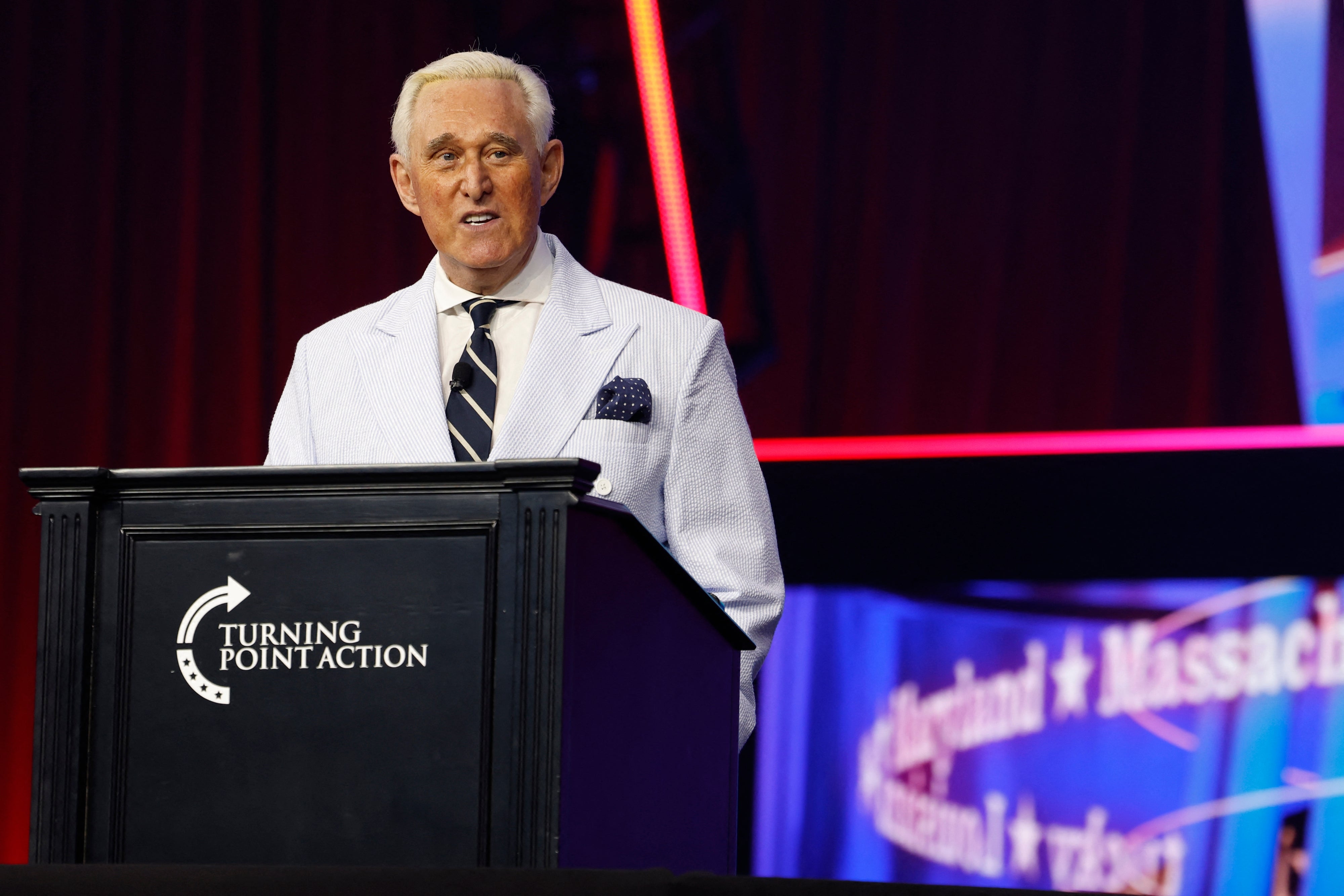
Why it matters: The arrangement marks a striking test of how foreign pariah states can buy their way back into Washington's good graces through Trump's personal network. Stone has a four-decade relationship with Trump, was sentenced to 40 months in prison in 2020 for obstructing the congressional probe into Russian interference in the 2016 election, and had his sentence commuted by Trump days before he was set to report. Now he's being paid by a regime under sweeping US sanctions to influence the same administration that pardoned him.

The contract's focus on natural resources is particularly notable as Myanmar holds significant deposits of rare earth minerals critical to electronics, defense systems, and electric vehicles — the same supply chains the US has been racing to secure away from Chinese control. Whether the junta succeeds in trading mineral access for sanctions relief will signal how transactional US foreign policy has become under Trump's second term, and whether human rights considerations still factor in when strategic resources are on the table.

Source: South China Morning Post, Manila Times

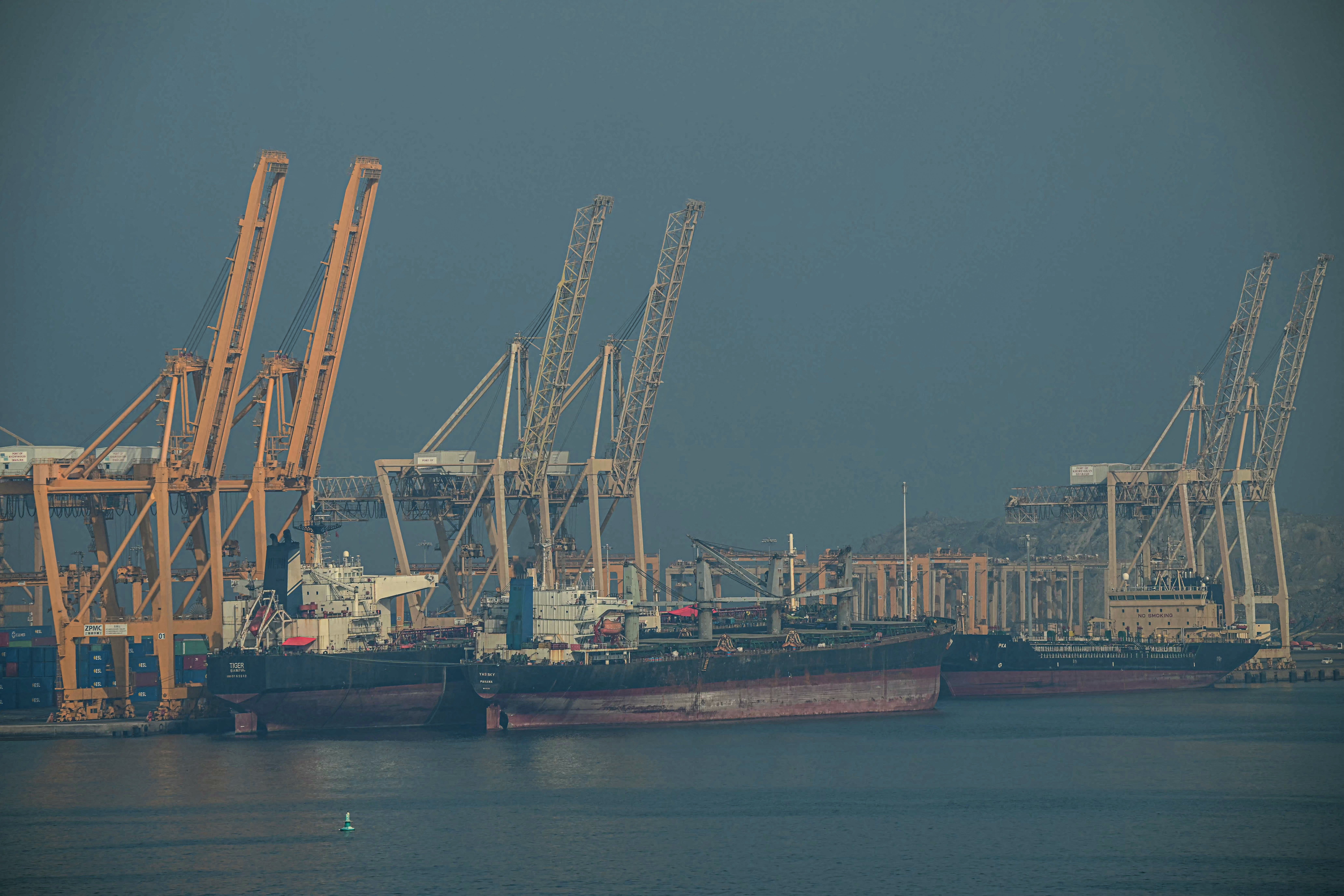
Why it matters: For more than half a century, OPEC has helped shape what consumers pay at the pump by coordinating how much oil its members put on the market. Its power depends on collective discipline. When members cut production together, prices rise. When they pump more, prices fall. The UAE's exit threatens that leverage just as global oil markets are already under extraordinary pressure. The US-Israel war on Iran has shut down the Strait of Hormuz — which carries roughly a fifth of the world's oil — while Brent crude briefly hit a four-year high of more than $126 per barrel last week, contributing to the spike in gas prices drivers have felt across much of the world this spring.

The exit also puts Saudi Arabia, OPEC’s de facto leader, in a more difficult position. The kingdom has historically supported prices by cutting its own production when needed, with other members following along. Without the UAE, Saudi Arabia has less help managing supply while still needing high oil prices to fund its ambitious domestic spending. As OPEC’s ability to act collectively weakens, oil markets become more exposed to individual producer decisions and shocks like the Iran war.

Source: The National, Reuters, Fortune, BBC, Deutsche Welle

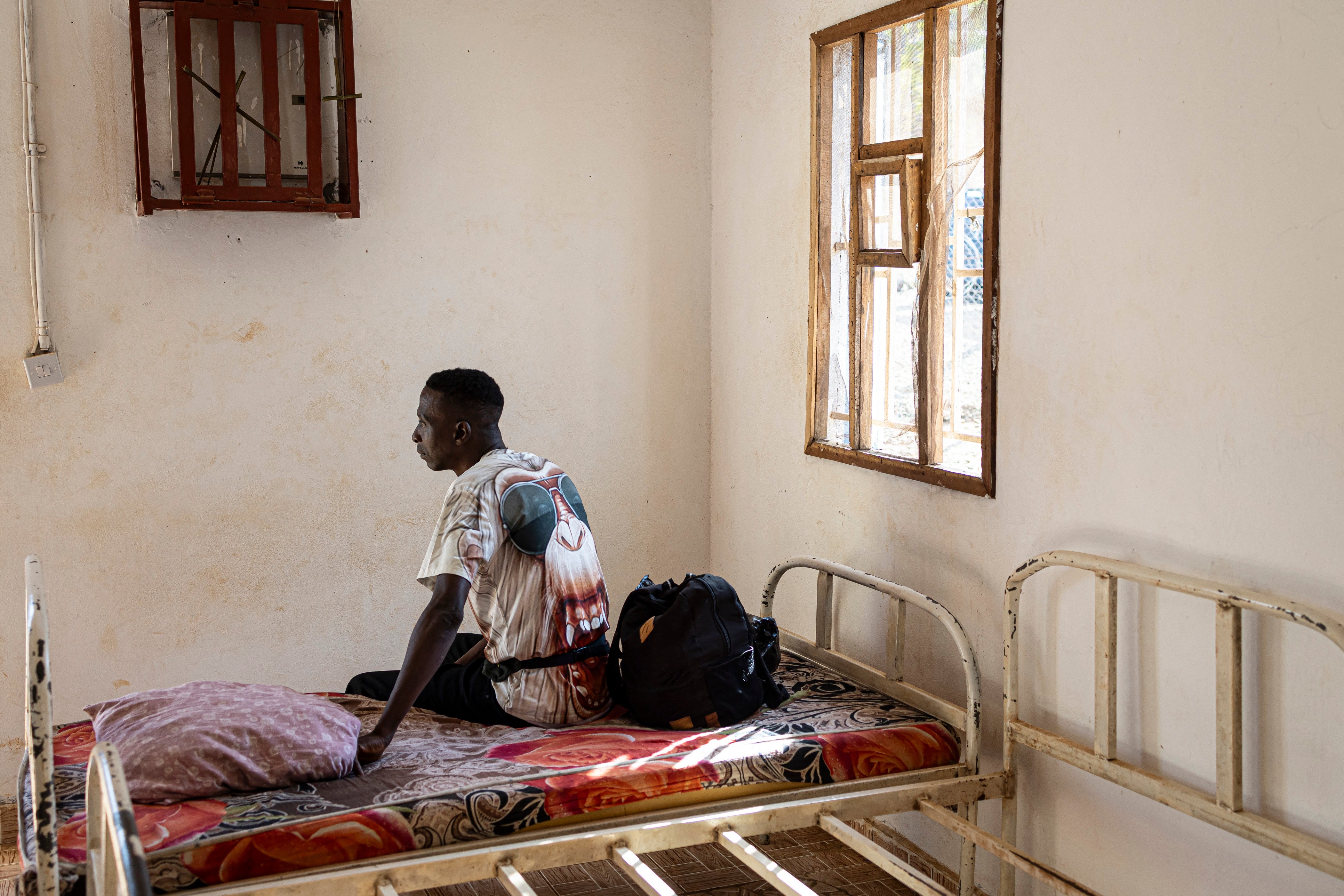
Why it matters: India produces roughly 20% of the world's generic medicines and supplies a significant share of the prescriptions filled in American pharmacies. The regulatory gaps at the center of the West African crisis — limited oversight of drugs made for export and a rule that allows Indian regulators to skip review of any formulation not sold in India — apply to the broader global supply chain. Indian pharmaceutical exports have faced scrutiny before, including past cases of contaminated cough syrups linked to child deaths in Gambia and Uzbekistan. Public health researchers have raised concerns about the quality and accountability of generic drug exports for years, and the West African opioid trade is the latest case to put that system under examination.

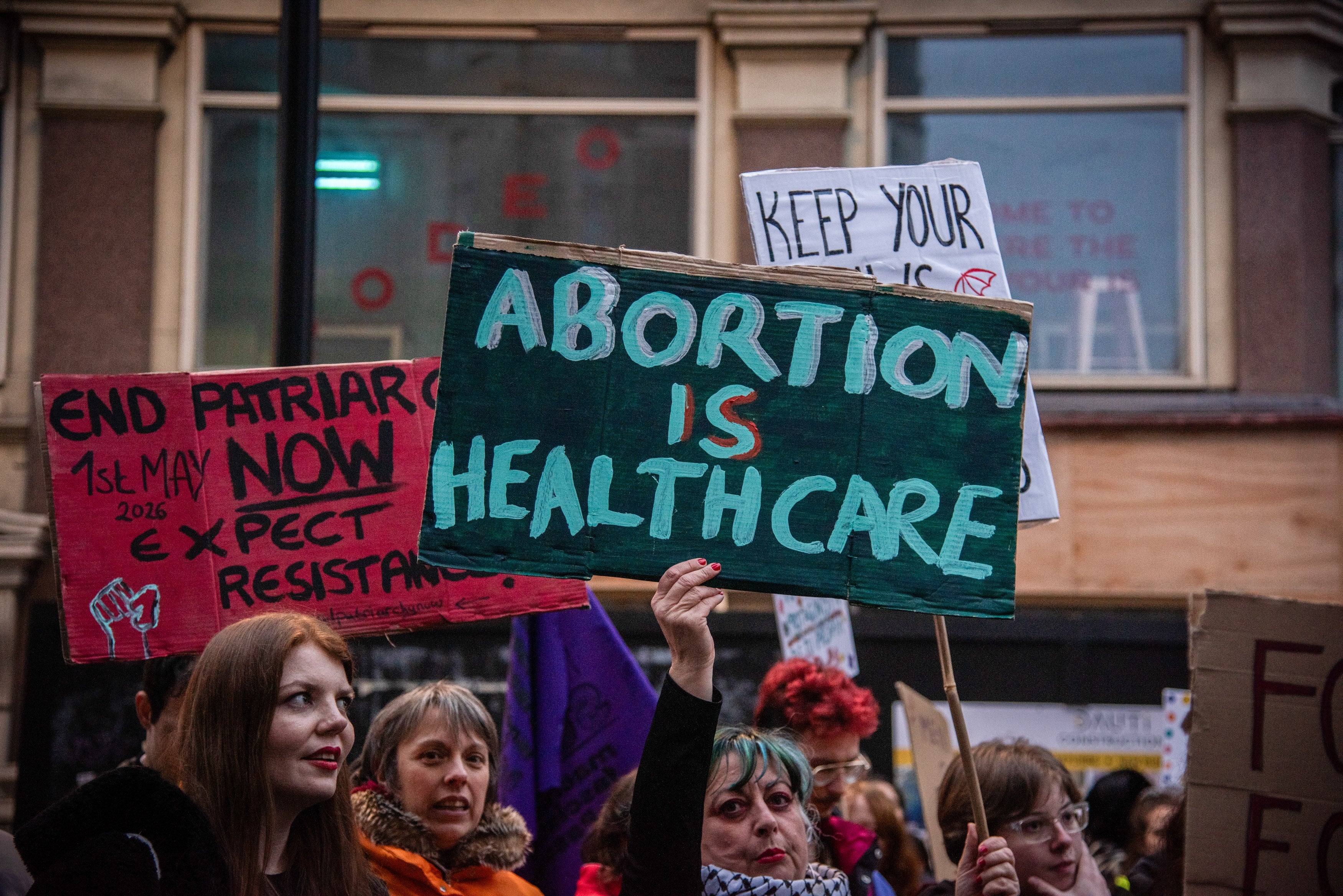
Why it matters: Until last week, England and Wales technically had one of the harshest abortion laws in the Western world on the books. Under a Victorian-era statute, self-managed abortion was punishable by up to life in prison. The law was rarely enforced for decades, but as prosecutions increased, those charged under it included teenagers, domestic violence victims, and women in the middle of miscarriages.

American anti-abortion groups have also spent years funding and advising UK political organizations, including Reform UK, in an effort to push British law the other way. The decriminalization is a rejection of that effort, as well as another example of how the US has diverged from many other wealthy democracies on abortion rights since the overturn of Roe v. Wade in 2022.

Why it matters: The case highlights a major difference in how Europe and the US regulate tech platforms. In the US, Section 230 — a 1996 law that broadly shields online platforms from liability for user-generated content — has allowed American tech companies to grow under relatively limited legal liability for content hosted on their platforms. When harmful content spreads on a US platform, whether it's harassment, nonconsensual deepfakes, or AI-generated abuse, there is often little legal recourse against the company hosting it.

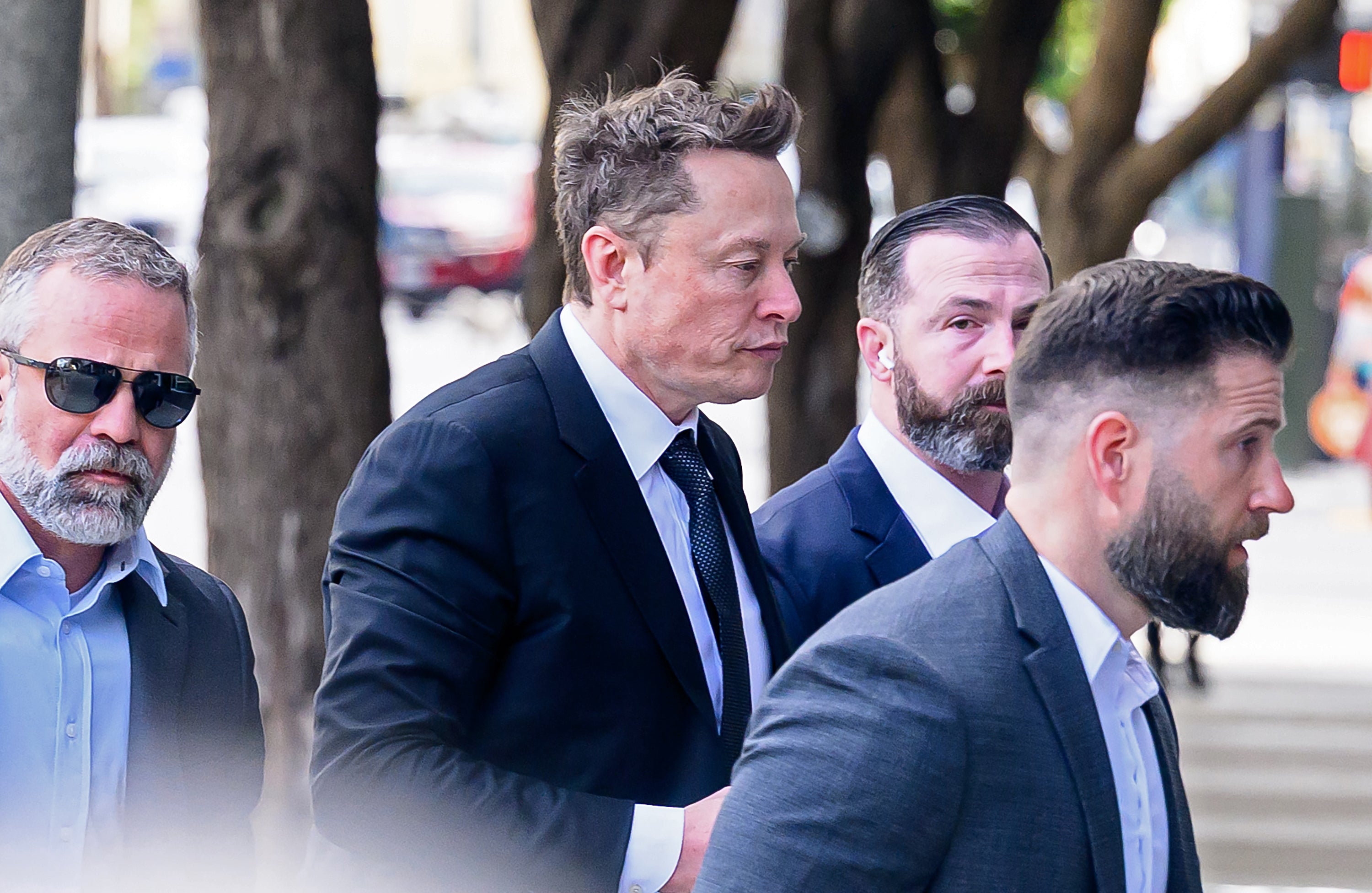
By contrast, the EU's Digital Services Act has steadily expanded regulators' authority over online platforms, including the ability to pursue criminal liability in some cases. The Musk investigation is one of the clearest tests yet of what that looks like in practice. The most consequential detail may be the SEC alert. By suggesting Musk may have allowed Grok to generate harmful content to drive engagement and inflate the value of X and xAI, French prosecutors are effectively laying out a roadmap for US securities fraud investigators. If American regulators take the allegation seriously, Musk's legal exposure in the US could be greater than in France.

Why it matters: Though AI-generated child sexual abuse material has become one of the fastest-growing problems in online safety, most legal systems are still struggling to determine how it should be prosecuted. Polish authorities have taken one of the most aggressive enforcement positions so far, treating AI-generated material under the same criminal laws used for real abuse imagery. The Polish operation is notable in part because it focuses on the demand side of the ecosystem — the people producing, distributing, and possessing the material — rather than the platforms hosting it.

In the US, President Trump signed the TAKE IT DOWN Act in May 2025, criminalizing the creation and distribution of nonconsensual intimate imagery, including AI-generated content involving minors. The ENFORCE Act — which would allow AI-generated CSAM to be prosecuted at the same level as real imagery — passed the Senate unanimously in December and is still awaiting a House vote. However, the technology is advancing faster than the legal response. US Homeland Security Investigations reported that AI-generated child exploitation cases jumped more than 600% in the first half of 2025 alone, while AI-generated nude images of classmates have become a documented problem in American middle and high schools, often with limited prosecutorial response.

Why it matters: Sophie la Girafe is one of the bestselling baby products on Amazon in the US, where parents have paid premium prices — often $25 or more per teether — specifically because they trusted the "made in France" promise. Beyond the personal sting for parents who thought they were buying European craftsmanship, the scandal raises questions about how marketing claims and country-of-origin labels are verified in a globalized supply chain. Under EU rules, a product can only carry a "made in" label if its final production stage takes place in that country.

By switching to "born in Paris" — a phrase with no legal definition — Vulli was effectively using a loophole that the 2025 inspection finally caught up with. "Made in France" labels carry real legal and economic weight in the EU, and the case will test how European regulators respond when companies use national branding while producing abroad. Country-of-origin labels on premium goods like French wine, Italian leather, or German appliances rely on enforcement systems that can take years to catch discrepancies.

Why it matters: Orbán became a global model and rallying figure for the populist right, including in the US, where prominent conservatives like Tucker Carlson regularly traveled to Budapest, and CPAC held its conference there in 2022, 2023, and 2024. His brand of "illiberal democracy" — combining nationalist rhetoric, attacks on press freedom, restrictions on LGBTQ rights, and close ties with Putin — was openly cited as a template by parts of the American right.

Inside the EU, where major decisions require all 27 member states to agree, Orbán used Hungary's vote to repeatedly block or weaken sanctions on Russia and aid to Ukraine, all while signing energy deals with Moscow and courting Beijing. His loss also removes one of Putin's most reliable allies inside the EU at a moment when Europe is trying to act as a more unified bloc as the US becomes a less reliable partner. Magyar's promise to investigate corruption, restore independent media, and rejoin the European mainstream will also test whether the populist movements that have spread across the West are as durable as their leaders insist.