huffpost Press
Republicans' Plan To Meddle In Democratic Primaries Gets Off To A Good Start
Images
1 / 8

2 / 8

3 / 8
4 / 8

5 / 8

6 / 8

7 / 8

8 / 8
For more than a decade, Democrats have put out television ads, digital spots and mail pieces aiming to convince Republican primary voters to vote for GOP primary candidates they believed would be easy to defeat in a general election. In many cases, it has worked.

Republicans are now giving the strategy a try. And on Tuesday night in Nebraska’s 2nd District, their efforts got off to a good start.

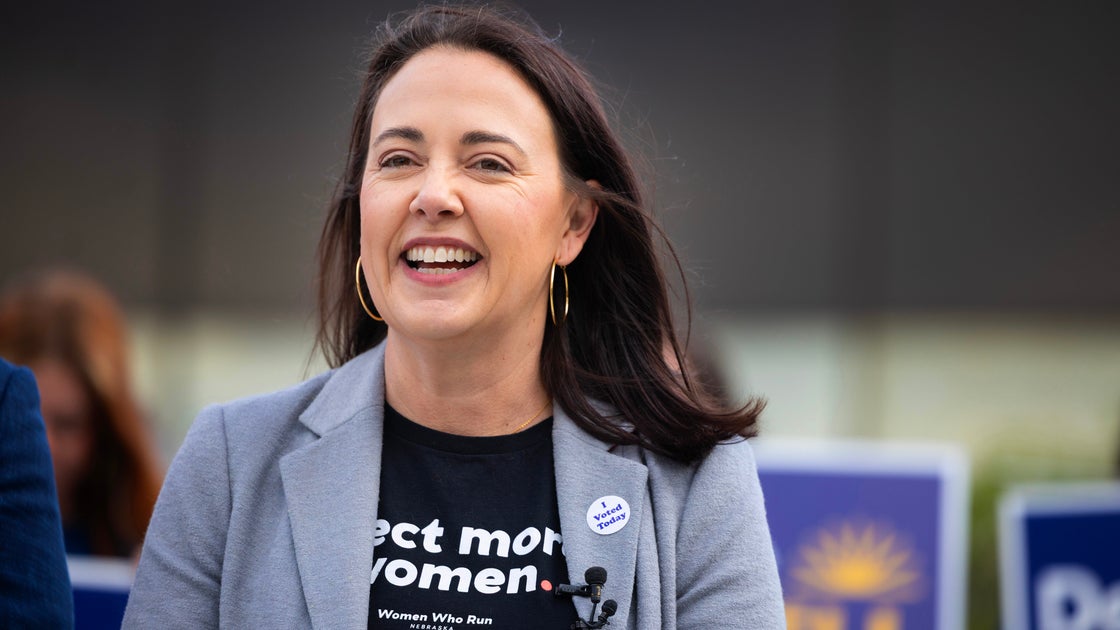
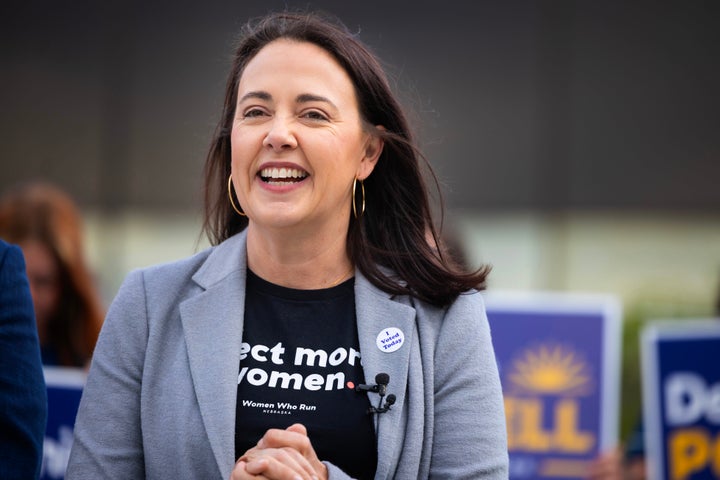
Political consultant Denise Powell won a Democratic primary for a must-win U.S. House seat in Nebraska by a 1,080-vote margin after a GOP-linked group called Lead Left PAC aired ads tying her opponent, state Sen. John Cavanaugh, to President Donald Trump.

“I’m so proud of this history-making campaign,” Powell said in a statement celebrating her victory on Wednesday night. “Proud to have been the first Latina to ever file to run for federal office in the history of our state. Proud to have earned the support of so many incredible individuals and organizations. Today marks the end of one chapter and the start of the next.”

National Democrats viewed both Powell and Cavanaugh as strong general-election candidates in a seat the party is favored to flip and stayed neutral in the race, but Republicans seemed to believe Powell’s links to a state investigation alleging that liberal groups in the state took illegal foreign donations could provide fodder for general-election attacks.

The Nebraska race is one of four U.S. House races across the country where GOP-linked PACs are spending heavily to boost particular Democratic candidates. In a swing district in Pennsylvania’s Lehigh Valley, Lead Left has spent nearly $1 million backing former Northampton County Executive Lamont McClure, who has struggled to raise money, over two other candidates seen as more significant threats to Republican Rep. Ryan MacKenzie.

The same group is elevating Maureen Galindo, a sex therapist with a history of antisemitic rhetoric over Johnny Garcia, a former sheriff’s deputy, in a Latino-heavy and conservative-leaning district in Texas ahead of a runoff election there on May 26.

And Congressional Leadership Fund, which is controlled by allies of House Speaker Mike Johnson (R-La), is sending out mailers attacking progressive Randy Villegas in ways designed to alienate swing voters and appeal to progressives. Villegas is running against moderate Jasmeet Bains in a district in California’s Central Valley held by GOP Rep. David Valadao.

“A Lifelong Democrat, Randy Villegas Is a Left-Wing Progressive,” one mailer reads, highlighting Sen. Bernie Sanders’ endorsement of Villegas. “Randy Villegas Is Simply Too Liberal.”

If the efforts are successful, GOP strategists said, the tactic could spread further.

“If Democrats are going to have primaries between different members of the loony left, I don’t see why we shouldn’t make sure the absolute looniest of the possible candidates wins,” said one GOP strategist who requested anonymity because he was not authorized to speak to the press.

Democrats have decried the tactics. “No conspiracy here: a dark money, Republican Super PAC is trying to prop up my opponent because they’re scared of our campaign,” Garcia wrote on social media. “[Texas Gov. Greg] Abbott and Trump redrew this district to favor Republicans and now they’re trying protect their ‘investment’ by meddling in my election.”

But the Democratic Party as a whole has long used similar ploys. Then-Sen. Claire McCaskill created the playbook by elevating Todd Akin in Missouri in 2012. Democrats used similar tactics to get an easier opponent for then-Sen. Joe Manchin in 2018. The party put the strategy into overdrive in 2022, riskily elevating a handful of Republican election deniers whom Democrats then beat that November.

Republicans have made similar attempts at meddling in Democratic primaries in the past, such as when they tried to boost a progressive candidate in North Carolina’s Senate race in 2020, but never at the scale they are attempting ahead of these midterms. So what’s changed?

In many cases ― though not in Nebraska ― the GOP’s strategy is to boost progressive candidates over more moderate ones who have the backing of Democratic leadership. The widespread embrace of the tactic amounts to a bet by Republicans that Democratic base voters have become like their GOP counterparts: restless, angry and willing to buck their party leaders’ recommendations.

“Democrats have more and more left-wing candidates,” said Kyle Kondik, the managing editor of the Crystal Ball at the University of Virginia’s Center for Politics. “The primary electorate is a lot more volatile, and that increases the chances that meddling in the primary is going to be successful.”

Kondik also noted that with the explosion of money in politics in recent years, both parties’ super PACs have more funds available to spend on unorthodox tactics.

The Nebraska seat where Powell is the party’s nominee is based around Omaha and is seen as one of the most likely seats to flip from Republican to Democratic control in 2026. Former Vice President Kamala Harris won it easily two years ago, and incumbent Republican Rep. Don Bacon decided to retire rather than wage a difficult reelection battle.

And attributing Powell’s lead solely to the GOP’s work is too simple: She had the backing of the Congressional Hispanic Caucus and Congressional Black Caucus and substantial support from Democratic outside groups, giving her a spending edge over the more progressive Cavanaugh, even without help from Republicans. Her allies also aggressively argued a Cavanaugh victory would endanger the 2nd District’s status as Nebraska’s “blue dot” providing a single electoral vote to Democratic presidential candidates.

Powell will face Republican Omaha City Councilmember Brinker Harding in November.

By entering your email and clicking Sign Up, you're agreeing to let us send you customized marketing messages about us and our advertising partners. You are also agreeing to our Terms of Service and Privacy Policy.