huffpost Press
3 GOP Senators Voted Against Trump's Iran War
Images
1 / 8

2 / 8
3 / 8
4 / 8

5 / 8

6 / 8

7 / 8

8 / 8
WASHINGTON — For the seventh time this year, Senate Democrats tried to force a vote to end the Iran war. And for the seventh time this year, Senate Republicans blocked their effort.

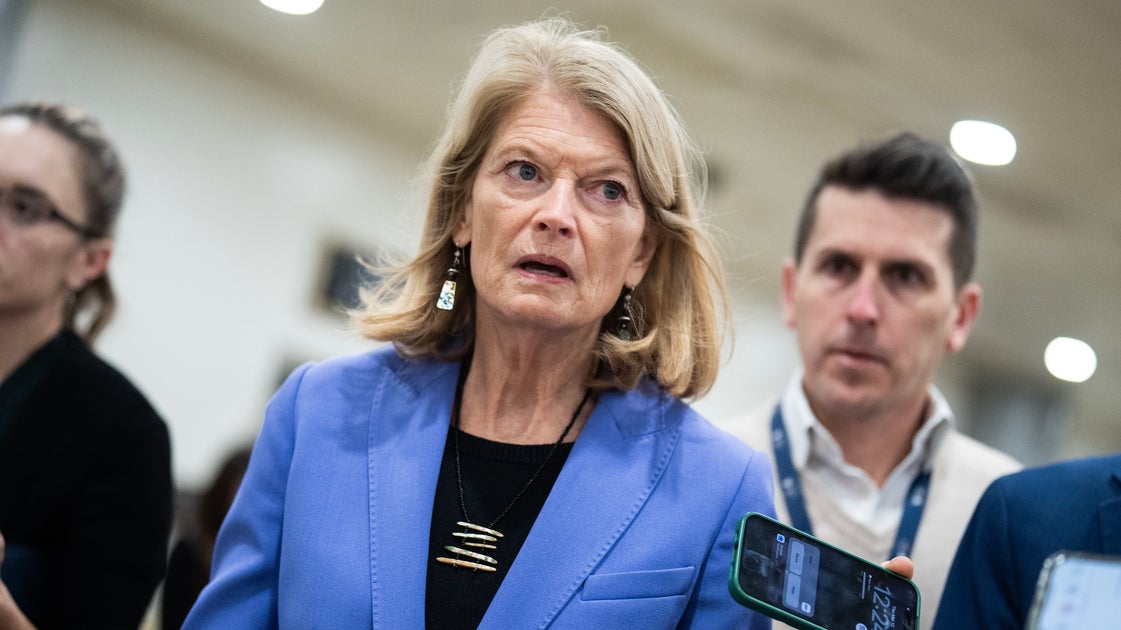
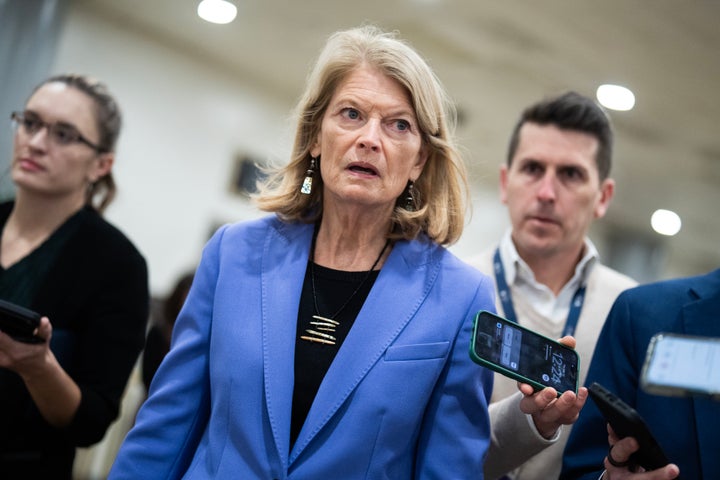
But something else happened during Wednesday’s vote: For the first time, Sen. Lisa Murkowski (R-Alaska) sided with Democrats, a shift from her past six votes and a sign of the GOP’s growing opposition to President Donald Trump carrying out a war in Iran with no clear timeline, mission or cost to taxpayers.

In a statement, Murkowski said she switched her vote because two things have changed since she cast her previous votes: Trump has surpassed his statutory 60-day limit for carrying on a war without congressional approval, and the administration itself has said that U.S. military hostilities are over.

“The administration’s own position removes any justification for keeping our servicemembers in harm’s way without congressional authorization,” said the senator. “If U.S. forces are still required to operate in the region or hostilities are resumed, the administration is obligated to seek authorization from Congress and should come before this body, and the American people, making that case.”

She added that if military hostilities resume, “I will oppose any effort to redefine ‘hostilities’ in ways that allow the president to wage war indefinitely without seeking congressional approval as outlined by the Constitution.”

The Alaska Republican is now the third GOP senator to vote with Democrats to require Trump to get congressional approval — i.e., limits on what he is doing — before he can proceed with military operations in Iran. She joined Sens. Susan Collins (R-Maine) and Rand Paul (R-Ky.).

They still failed, in a 49-50 vote, to bring forward an Iran war powers resolution by Sen. Jeff Merkley (D-Ore.).

But this time, it was because of another first: a Democrat, Sen. John Fetterman of Pennsylvania, was the deciding vote that sank the effort. He was the lone Democrat who voted no. Sen. Pete Ricketts (R-Neb.) missed the vote.

A Fetterman spokesperson did not respond to a request for comment. He has consistently voted against Democrats’ efforts to pass a war powers measure and suggested they are “rooting” for Iran because they don’t like Trump.

Democrats plan to keep forcing votes on war powers measures, hammering in the point that Trump needs to be reined in in Iran and that Congress is ceding its constitutional role in declaring wars. Republicans have generally argued the president has the authority to carry on without Congress, for now, though some are getting uncomfortable as the war drags on.

“Until this illegal war is over, Democrats will keep forcing votes to hold Senate Republicans accountable for bending the knee to Trump,” Merkley said.

These votes are only going to get more uncomfortable for Republicans. A growing number of Americans disapprove of Trump’s handling of the war, and GOP senators, especially those in tough reelection campaigns, will have to decide if and when it’s time to buck Trump in favor of what their voters want from them.

Sen. Dan Sullivan (R-Alaska), Murkowski’s counterpart, is among those facing a serious challenger in November. He split from her in Wednesday’s vote, helping to stop the war powers resolution from coming up.

Ryan Costello, policy director at the National Iranian American Council, praised Murkowski for voting to end the war.

“Sen. Murkowski moved in line with the vast majority of Americans who want this war to end,” Costello said in a statement. He noted that Murkowski directly asked Defense Secretary Pete Hegseth in a Tuesday hearing about the administration needing to get congressional authorization to continue with operations in Iran, and Hegseth said no.

“Sometime soon, majorities in Congress will stop shirking their responsibility and order an end to the disastrous war,” said Costello.

Wednesday’s vote marked the first time Democrats have tried to force a war powers vote since Trump blew past his 60-day deadline for acting without Congress. That deadline, which was May 1, is dictated by federal law: A president can send troops into hostilities overseas for up to 60 days without congressional authorization, at which point the use of the armed forces is automatically terminated.

Trump can extend his use of the armed forces by another 30 days “by certifying in writing to Congress the need for continued use of force.” It’s not clear if he has done this.

But time is running out on Republicans, who have seemed content to let Trump push the limits of how long he can act without them. Once those 30 days are up on May 31, he can’t proceed without congressional authorization.

For now, Democrats are pleased by Murkowski’s vote, saying they’ll take the incremental progress.

“Yeah!” Senate Democratic Leader Chuck Schumer (D-N.Y.) told HuffPost. “Bit by bit, we’re gonna stop this war.”

By entering your email and clicking Sign Up, you're agreeing to let us send you customized marketing messages about us and our advertising partners. You are also agreeing to our Terms of Service and Privacy Policy.