Press
TikTok launches £3.99 subscription for no ads in UK
Images
1 / 9

2 / 9
3 / 9

4 / 9
5 / 9
6 / 9
7 / 9
8 / 9
9 / 9
TikTok is introducing a subscription charge for UK users who do not want to see adverts on the platform.

From Monday, the social media giant will start notifying users aged 18 and over that they will be required to pay £3.99 a month for an ad-free experience.

Users will be asked to decide whether they want to pay for no ads on TikTok or continue using the app for free - with personalised ads - by 11 November.

TikTok says its ad-free offering aims to give users more choice over their platform experience - but social media expert Matt Navarra says it forms part of a wider pattern of firms "putting a monthly price on stepping outside of the ad-targeting machine".

It comes after the company began testing ad-free monthly subscriptions in some global markets in 2023.

Instagram, Facebook and Snapchat have all rolled out similar subscriptions for users in recent years - letting users opt to see no or fewer ads in exchange for a monthly fee.

TikTok said it will gradually notify UK users about its own version, TikTok Ad-Free, in pop-up notifications over the next few months.

"Advertising on our platform is already helping thousands of British businesses reach new customers, increase sales and create jobs, while our new ad-free option gives people greater control over their experience," said Kris Boger, TikTok's UK managing director.

"Together, this ensures we continue to deliver real economic impact while giving our community the flexibility to engage with TikTok in the way that suits them."

Those who opt to subscribe to TikTok Ad-Free for £3.99 a month will no longer see ads delivered by the company across the app, such as within its For You feed.

However, they will still see content posted by creators paid or sponsored to advertise particular products or services - often signposted with "#ad".

Those who do not subscribe and opt to use TikTok for free will see personalised ads.

TikTok also says users can control how some data is used for advertising within the app's settings.

But where UK users can currently opt out of receiving ads targeted to them while using the app for free, they will no longer be able to do so under its changes.

With TikTok Ad-Free, the company is joining a handful of platforms now asking people to pay if they want to opt-out of personalised ads.

While personalised ads - using data about how individuals interact with products online to advertise things to them online - have been at the heart of online platforms operations, many are now also using a new model called "consent or pay".

The opt-in process has emerged as a way for companies to comply with UK data protection law, as well as make money from users who decline to be tracked across their services and other sites.

"We're moving away from an internet where the deal was you use the app for free but see ads, to one where the deal is increasingly: use the app for free and be profiled for personalised ads, or pay to escape them," Navarra told the BBC.

He said with many unlikely to pay for no ads on TikTok and other platforms, the practise of paying for more privacy online is becoming normalised.

"We are heading towards a two-tiered social internet," Navarra said.

"One version for people who can afford more control and privacy, and another version for everybody else."

More broadly, subscriptions are also becoming a more common part of platform experiences - with people often prompted pay monthly for verification badges on their profiles, such as on Instagram or X, or access to AI features.

Sign up for our Tech Decoded newsletter to follow the world's top tech stories and trends. Outside the UK? Sign up here.

The actor has branded the singer an identity thief - but plenty of fans think they're the same person.

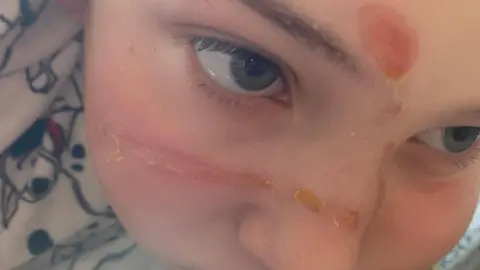
A 10-year-old girl could be scarred for life after taking part in the viral social media trend.

Local politicians say the move is in line with the Dutch capital's environmental targets.

Thomas Black from Ilkley has featured in four short anti-litter films called No One Likes a Tosser.

The experiment was carried out to record how children coped with life away from the lure of screens.