huffpost Press
Mexican Governor And Mayor Indicted By U.S. For Drug Trafficking Step Down
Images
1 / 8
2 / 8
3 / 8
4 / 8
5 / 8
6 / 8
7 / 8

8 / 8
MEXICO CITY (AP) — Two members of Mexican President Claudia Sheinbaum’s party in the northwestern Sinaloa state said they would temporarily step down from their posts after the United States charged them and eight other politicians and security officers with drug trafficking.

The bombshell indictment against the 10 has shaken Mexico’s political establishment.

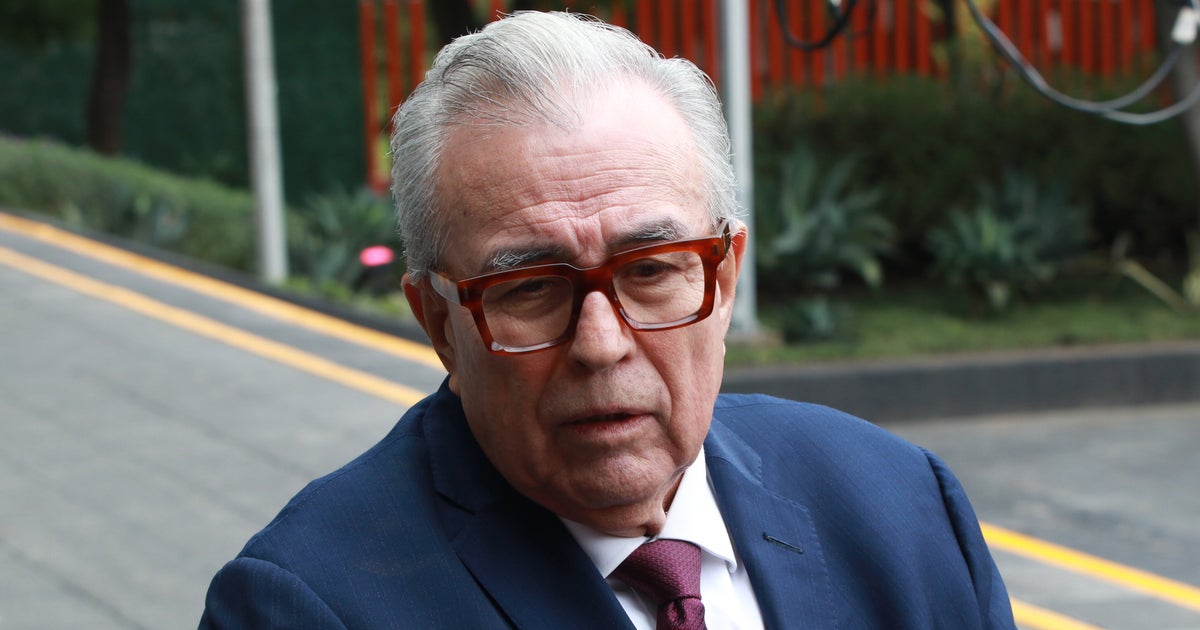
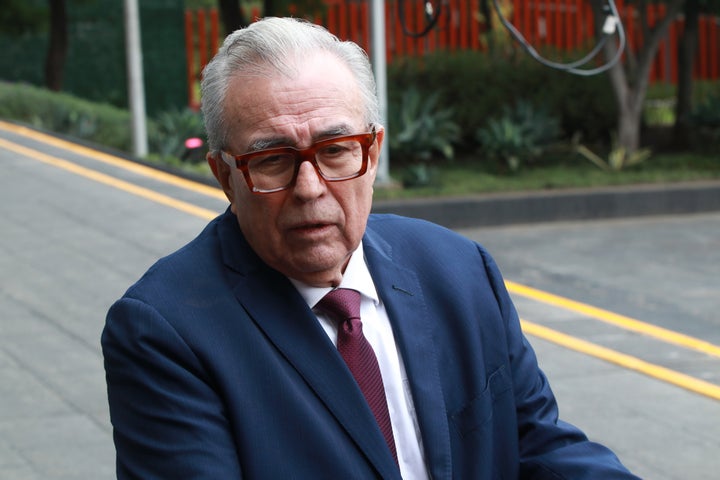
In a short video announcement at midnight on Friday, Gov. Rubén Rocha Moya, the highest-ranking official named in the indictment, denied accusations that he protected the Sinaloa cartel and helped it smuggle vast quantities of drugs into the U.S. in exchange for political support and millions of dollars in bribes.

“My conscience is clear,” said Rocha, 76, a longtime ally of influential former President Andrés Manuel López Obrador. “To my people and to my family, I can look you in the eye because I have never betrayed you, and I never will.”

But he said he would take a temporary leave of absence from the position he has held for six years to defend himself against what he called the “false and malicious” allegations and cooperate with the Mexican government’s investigation.

Juan de Dios Gámez Mendívil, the mayor of the Sinaloa state capital of Culiacán named in the indictment, also said he would take leave and denied the charges. Another defendant and member of the ruling Morena party, Sen. Enrique Inzunza, said he would continue serving in the Senate while defending himself from the accusations.

In a special vote Saturday, the state’s local congress appointed as interim governor Yeraldine Bonilla Valverde, an ally of Rocha who previously served as the state’s secretary of government. It approved Rocha’s leave of absence for a period of 30 days.

As serving governor and mayor, Rocha and Gámez Mendívil had enjoyed immunity from criminal prosecution. But in leaving their posts even temporarily, the officials lost their blanket protection from prosecution, Arturo Zaldívar, a former Mexican Supreme Court justice who now advises Sheinbaum, posted on X.

“They can be detained like any person,” he wrote.

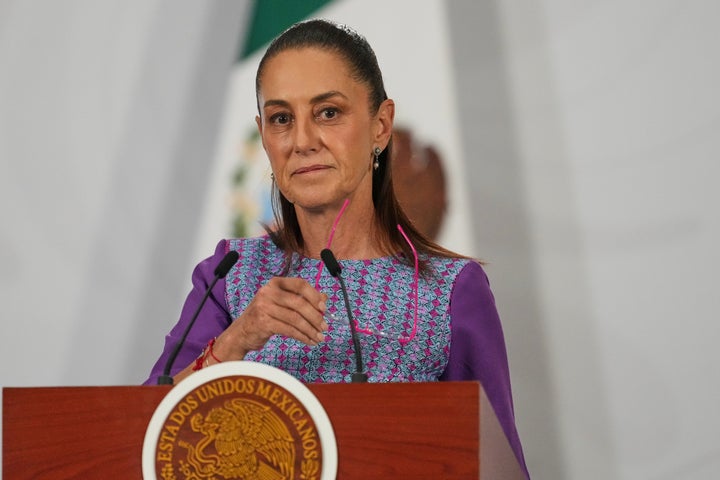
Sheinbaum has struggled to strike a balance between the interests of her progressive Morena party and pressure from U.S. President Donald Trump to step up the fight against cartels.

In a nod to her party’s vow to stamp out corruption, Sheinbaum said she wouldn’t defend anyone found to have committed a crime.

But she vigorously defended Mexico’s sovereignty, saying that if federal authorities uncovered “irrefutable” evidence linking the 10 indicted officials to cartel crime, the accused would be tried in Mexico, not the U.S. — a move that risks backlash from an American administration that has threatened military action against cartels on Mexican soil.

“We will never subordinate ourselves because this is a matter of the dignity of the Mexican people,” she said Friday.

Many Mexicans living cartel violence almost daily in Sinaloa said on Saturday that they welcomed news of the U.S. indictment and their governor’s resignation as a step toward accountability.

“We are in an ungovernable state where the same party and the same governor essentially gave free rein to what has become a violent situation,” said Raquel Campos, a 35-year-old doctor in Culiacán. “Unfortunately it was another country that had to take action.”

Pending investigation, the Mexican attorney general’s office said it would not arrest Rocha or the other accused officials, as requested by the U.S.

Rocha, a point person for the hands-off “hugs not bullets” approach to dealing with organized crime that López Obrador pioneered and Sheinbaum has since ditched, insisted in the video that the indictment represents a political attack on Morena.

“I will not allow myself to be used to harm the movement to which I belong — one that has improved the lives of millions of Mexican men and women,” he said.

Born in the same town as the notorious Mexican drug kingpin “ El Chapo,” Rocha has found himself embroiled in similar scandals before. In 2024, he was named in a published letter written by a then-Sinaloa cartel capo who was kidnapped by leaders of a rival faction and handed over to U.S. law enforcement. In the letter, the capo said that he was on his way to meet Rocha when he was abducted.

“It’s an open secret,” Sergio Estrella, 42, a shopkeeper in Culiacán, said of the alleged collusion between drug kingpins and senior officials. “The government needs to take a different tack, to recognize how deeply drug trafficking is embedded in politics.”

___

DeBre reported from Buenos Aires, Argentina. Associated Press journalist Aarón Ibarra in Culiacán, Mexico, contributed to this report.

By entering your email and clicking Sign Up, you're agreeing to let us send you customized marketing messages about us and our advertising partners. You are also agreeing to our Terms of Service and Privacy Policy.