yahoo Press
US Supreme Court formally reinstates pro-Republican Texas voting map
Images
1 / 10
2 / 10

3 / 10

4 / 10

5 / 10

6 / 10
7 / 10

8 / 10

9 / 10

10 / 10
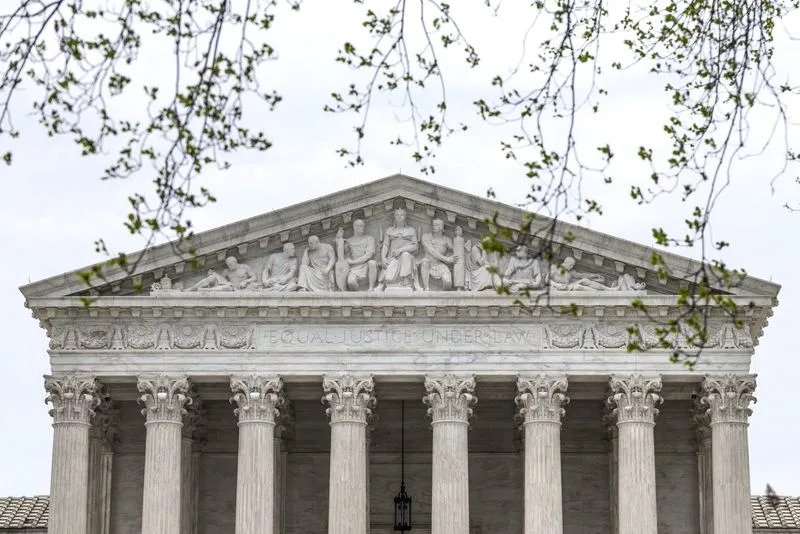
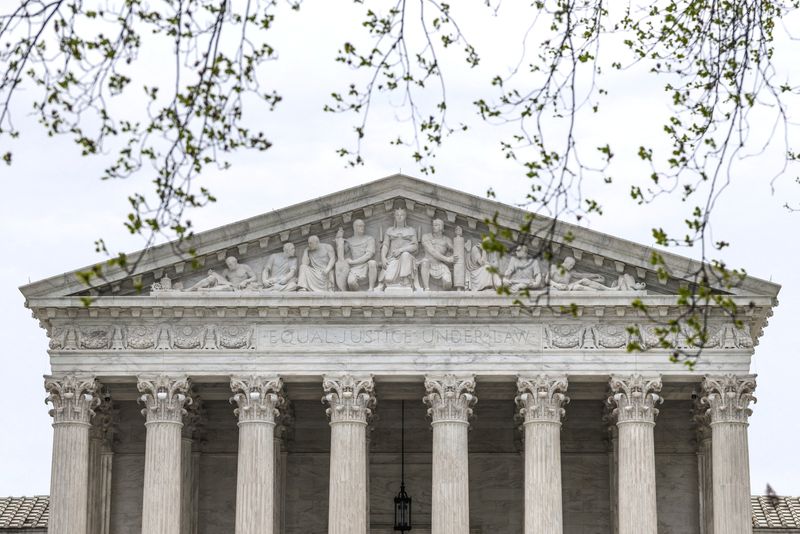
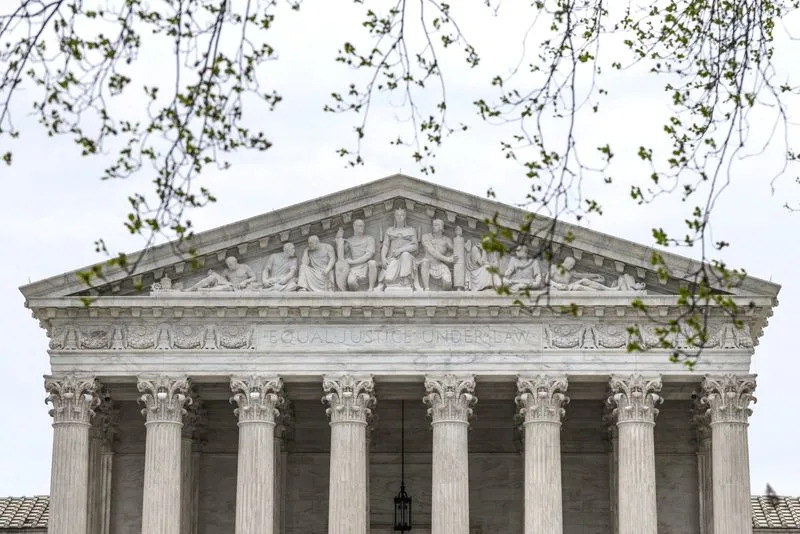
By John Kruzel WASHINGTON, April 27 (Reuters) - The U.S. Supreme Court formally reinstated on Monday a redrawn Texas electoral map that was designed to add more Republicans to the U.S. House of Representatives, as President Donald Trump's party seeks to keep control of Congress in the November congressional elections. The move by the court, which has a 6-3 conservative majority, formalizes an interim decision it made in December to revive the map of U.S. House districts in Texas. The reinstated map - sought by Trump, approved in August 2025 by the Republican-led state legislature and signed by Republican Governor Greg Abbott - could flip as many as five currently Democratic-held U.S. House seats to Republicans. As they did in December, the court's three liberal justices dissented from Monday's ruling. The Supreme Court reversed a lower court's decision that had blocked Texas from using the map. The lower court had found the map to be likely racially discriminatory in violation of U.S. constitutional protections. Trump last year prodded Republican lawmakers to redraw state congressional maps to bolster his party's chances in the midterms. The Supreme Court in February allowed California to use a new electoral map designed to give Democrats five more congressional seats after that Democratic-led state redrew its House districts in response to the action by Republicans in Texas. Republicans currently hold slim majorities in both chambers of Congress. Ceding control of either the House or Senate to the Democrats in the upcoming elections would endanger Trump's legislative agenda and open the door to Democratic-led congressional investigations targeting the president. The process of redrawing maps, known as redistricting, generally occurs once per decade to reflect population changes as measured by the national census conducted every 10 years. Ongoing and recently completed redistricting efforts by Republican- and Democratic-held state legislatures, on the other hand, have been motivated by a desire for partisan advantage. (Reporting by John Kruzel; Editing by Will Dunham)