buzzfeed Press
"One Dies, Get Another": 13 American History Facts Left Out Of Your Textbooks
Images
1 / 13
2 / 13

3 / 13
4 / 13
5 / 13
6 / 13
7 / 13
8 / 13
9 / 13
10 / 13
11 / 13
12 / 13
13 / 13
Most US history textbooks give it less than a page — if it’s mentioned at all.

Warning: This post discusses genocide, intense violence, and child abuse.

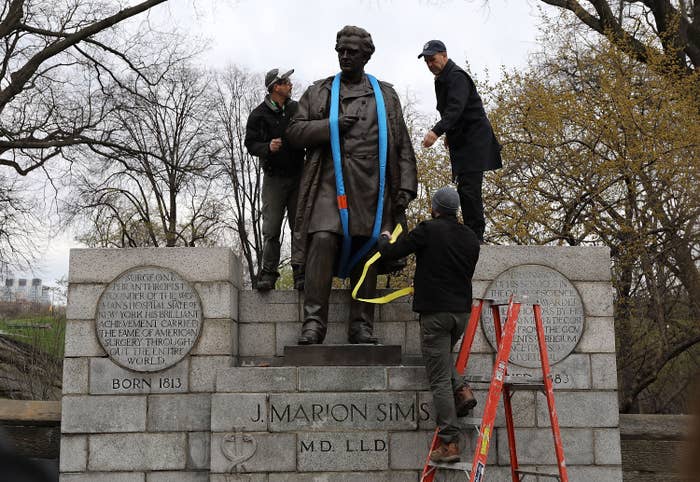
Every gynecologist today uses tools and techniques developed by Dr. J. Marion Sims, a man who built his career by experimenting on enslaved Black women who could not consent and could not refuse. Between 1845 and 1849, Sims performed repeated surgeries on at least 12 enslaved women in Montgomery, Alabama. Three — Anarcha Westcott, Betsey, and Lucy — bore the worst of it. Anarcha, just 17 years old, endured 30 operations over approximately five years, all without effective pain relief.

Sims justified the lack of anesthesia (which was available at the time) by claiming the procedures were "not painful enough to justify the trouble." He also wrote that Lucy's "agony was extreme," then kept operating. After she nearly died of blood poisoning, he moved on to the next woman. When Sims finally perfected the surgery and began performing it on white women in New York, he used anesthesia every single time.

In 2016, a University of Virginia study found that 50% of white medical students still endorsed at least one false belief about biological differences between Black and white bodies, including that "Black people's nerve endings are less sensitive." Sims had a statue in Central Park until 2018. His statue on the Alabama State Capitol grounds still stands. The speculum he invented is still named after him, though a movement is underway to rename it "Lucy's speculum."

Sources: History, The Conversation, NPR (1), NPR (2), PNAS, PubMed Central, Today, New York Historical Society, The Irish Times, AAMC, The 19th News, SPLC, O&G Magazine

In 1909, George Shishim, a Lebanese-Christian immigrant working as a police officer in Venice, California, arrested the son of a prominent attorney. The attorney's son challenged Shishim's authority, arguing that as a person born in Asia, he was "Chinese-Mongolian" and therefore ineligible for citizenship and couldn't legally be a cop — and subsequently couldn't legally make arrests. Shishim's defense deployed a theological checkmate: "If I am a Mongolian, then so was Jesus, because we came from the same land."

In a nation where Christianity underpinned the racial hierarchy, denying Shishim's whiteness meant implicitly conceding that Jesus Christ was not white. The judge ruled in his favor the next day. This was part of a wave of "racial prerequisite cases" where immigrants had to prove whiteness to gain citizenship. The Supreme Court rigged the game: in Ozawa v. United States (1922), a Japanese man was denied because he wasn't "Caucasian" by science. Three months later, in United States v. Bhagat Singh Thind (1923), an Indian man who was scientifically Caucasian was denied because the "common man" wouldn't consider him white. Whichever test produced exclusion — that's the one the Court used.

The result: In 1977, the federal government officially classified people from the Middle East and North Africa as "white," a designation that persisted until 2024. The cruel paradox, as scholar John Tehranian calls it, was that MENA Americans are white on paper but not treated as white in society, invisible in federal data tracking discrimination while hypervisible as targets of racial profiling. After 9/11, anti-MENA hate crimes surged 1,600%.

Sources: MERIP, The World, Ohio Link, NPR, Dept. of Justice

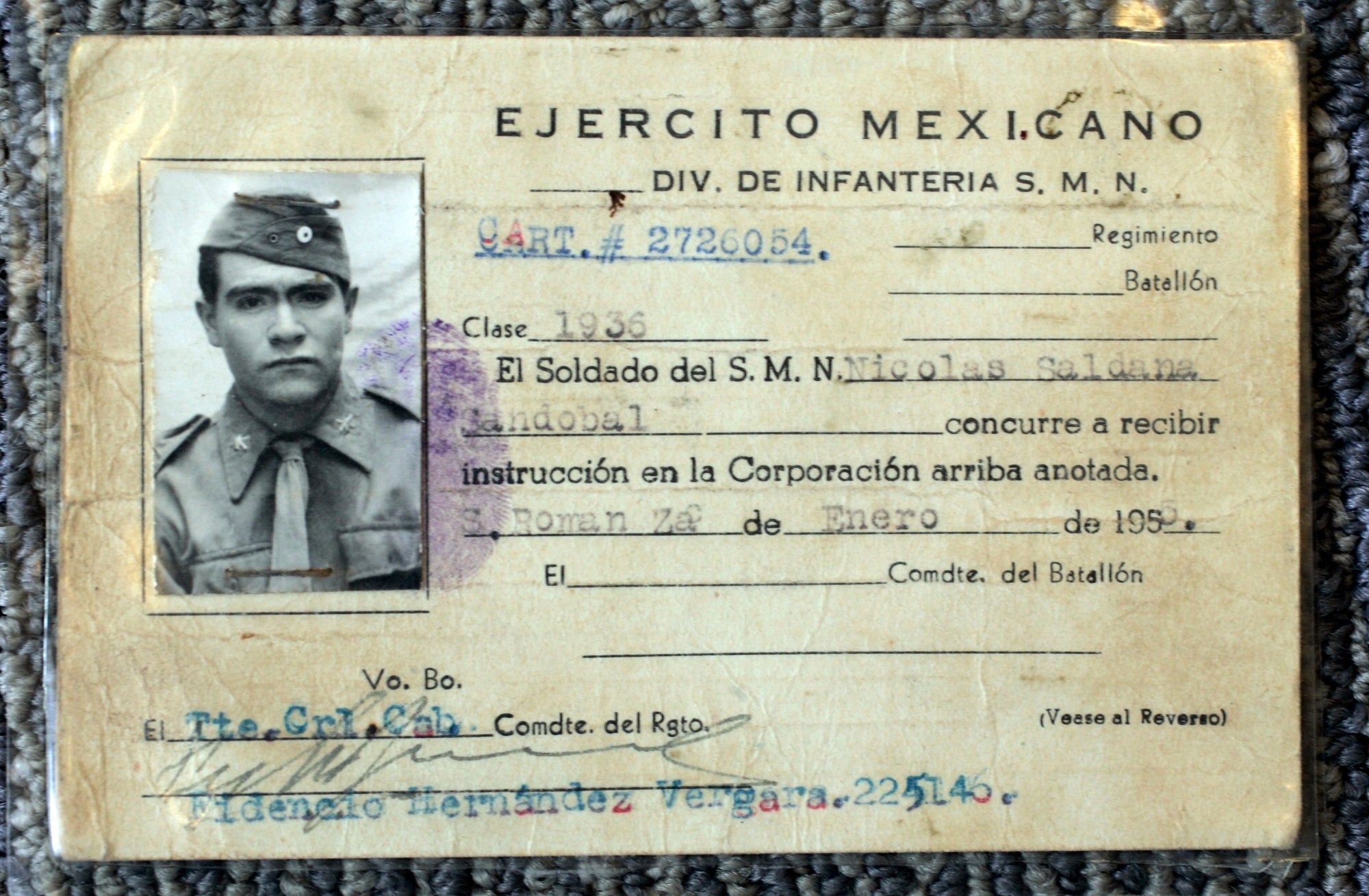
During World War II, the US faced labor shortages and signed a deal with Mexico called the Bracero Program to recruit agricultural workers. It promised fair wages and decent housing. In reality, workers were publicly strip-searched, fumigated with the carcinogen DDT, forced into 12-plus hour days, and housed in segregated camps without plumbing. The US Department of Labor officer who ran it, Lee G. Williams, called it "legalized slavery." Over 4.6 million contracts were issued. The government also withheld 10% of their wages — money most workers never got back.

Then, while the Bracero Program was still actively recruiting workers, the Eisenhower administration launched "Operation Wetback" in 1954. It was led day-to-day by Border Patrol chief Harlon B. Carter, who was himself a convicted murderer — he'd shot and killed a Mexican-American teenager in 1931. US citizens and legal residents were swept up and deported without hearings. A congressional investigation compared conditions on one deportee ship to "an eighteenth-century slave ship" — 500 people packed onto a vessel built for 90.

The final act: NAFTA (1994) flooded Mexico with subsidized US corn, crashing Mexican corn prices by 66% and driving an estimated 1.3–2 million farmers off their land. Migration from Mexico roughly doubled. Then the US criminalized and demonized the very migration its own trade policy caused. As one Texas grower said during the Bracero era, "We used to buy our slaves, now we rent them from the government."

Sources: REVCOM, Public Citizen, National Archives, Library of Congress, NPR, Equal Justice Initiative

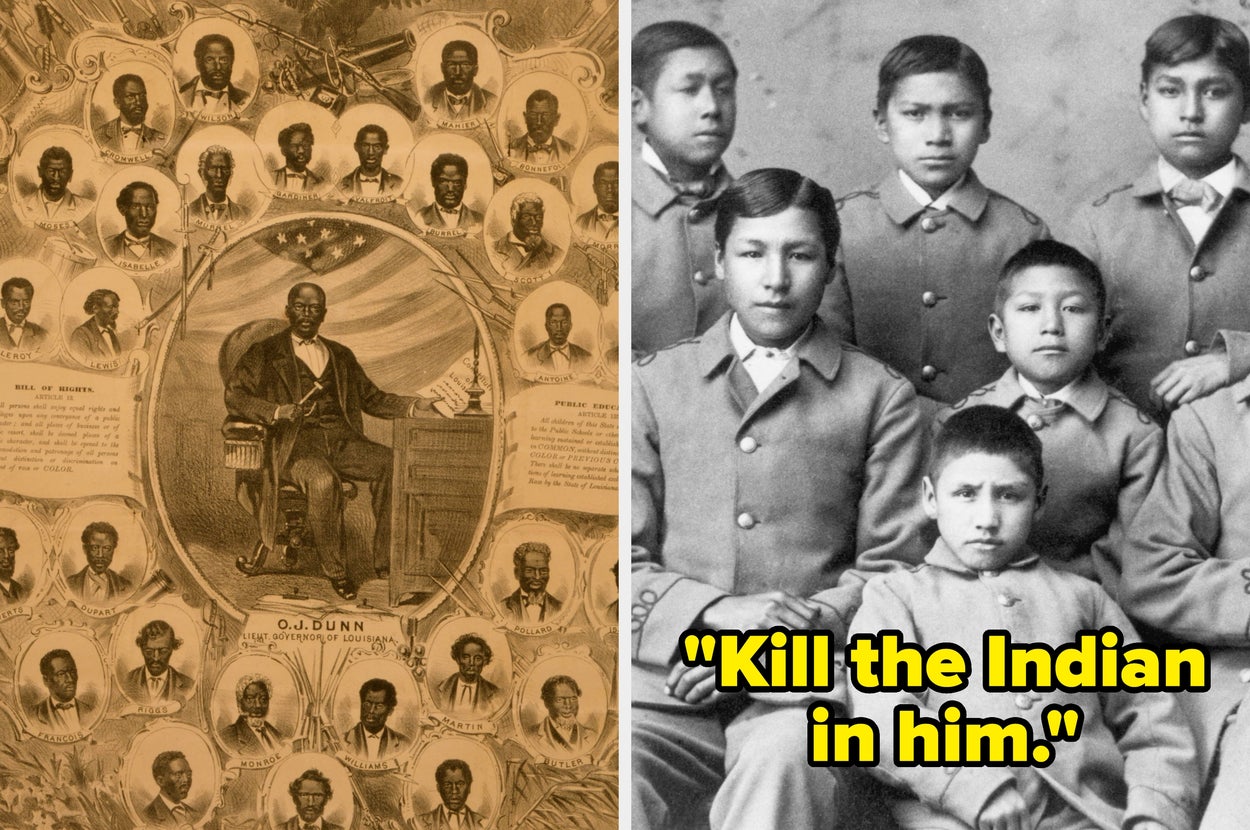
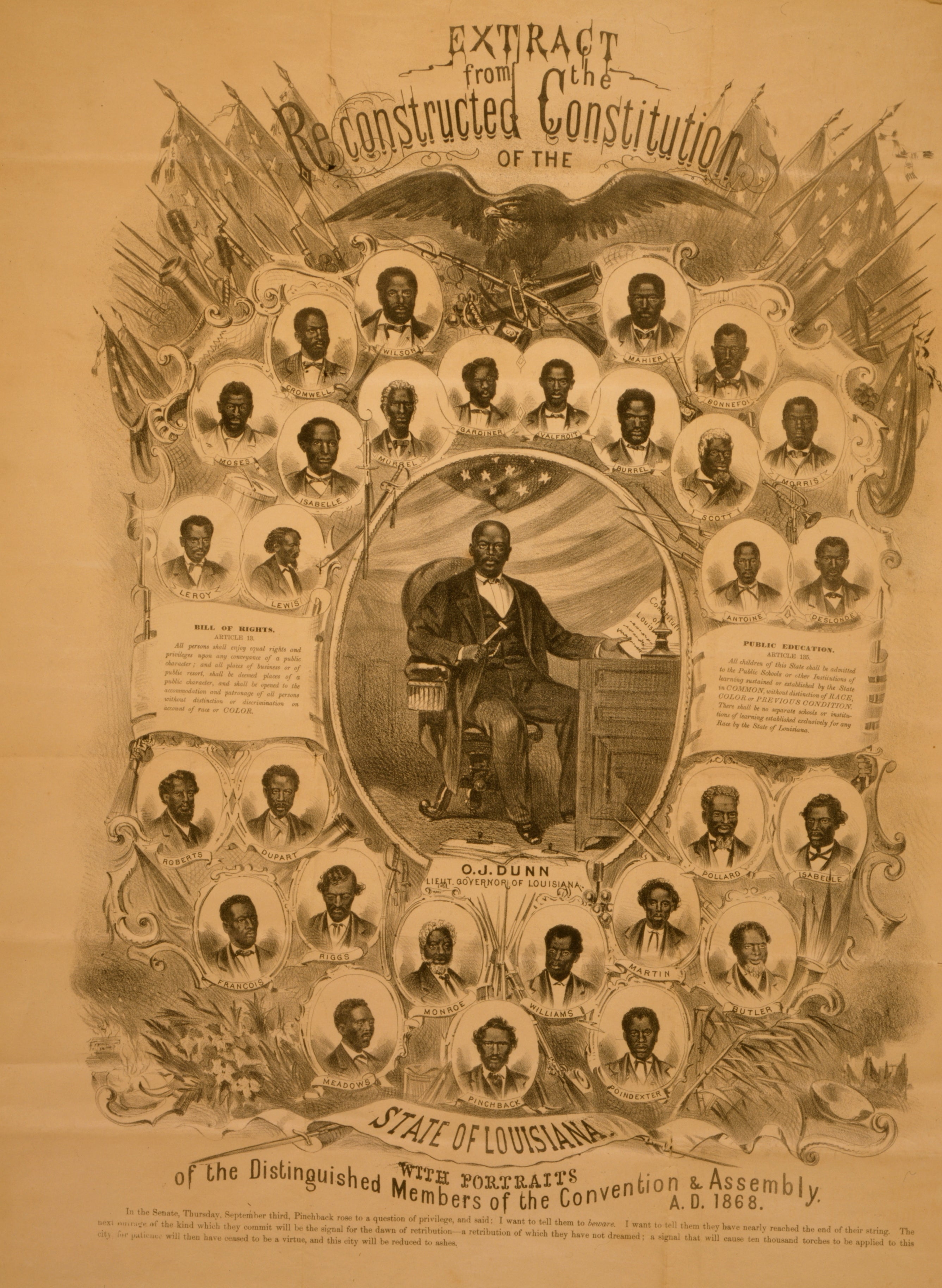
Between 1865 and 1901, roughly 2,000 Black Americans held public office as US Senators, Congresspeople, lieutenant governors, state Supreme Court justices, sheriffs, and more. They created the South's first public school systems, wrote its most progressive constitutions, and built the framework for multiracial democracy.

Robert Smalls, born enslaved in South Carolina, stole a Confederate military ship at age 23, piloted it past five Confederate checkpoints wearing the captain's hat while giving the correct signals at each fort — including Fort Sumter — picked up his family and 12 other enslaved people, and surrendered it to the Union. He later served five terms in Congress and bought the mansion of the man who had enslaved him.

White supremacists dismantled all of it through massacres and coups — including the 1898 Wilmington Massacre, the only successful armed overthrow of an elected government in American history. George Henry White of North Carolina, the last Black congressman from the South, gave his farewell address in 1901. No Black representative served in the South again until 1972 — a gap of 71 years. Then, Columbia professor William Dunning built an entire school of historiography portraying Reconstruction as a failure and Black politicians as incompetent — a narrative that dominated textbooks into the 1960s and directly inspired The Birth of a Nation and Gone with the Wind.

Sources: Time, History, Mobituaries, Smithsonian Magazine, National Park Service, American Battlefield Trust, Slate, Emerging Civil War, Atlanta History Center, Zinn Education Project (1), Zinn Education Project (2), Black Past

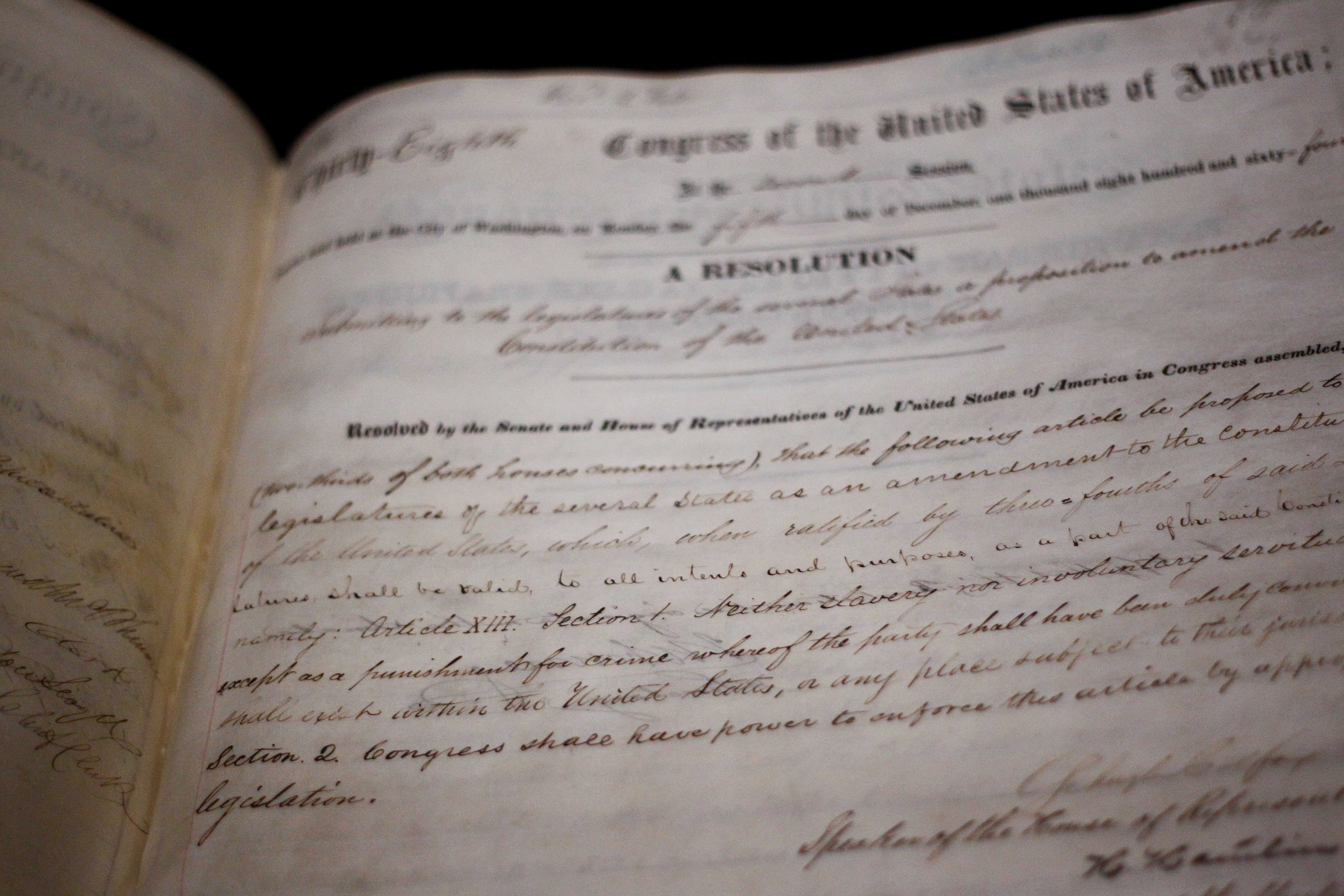
According to the actual text: "Neither slavery nor involuntary servitude, except as a punishment for crime, shall exist within the United States." Southern states immediately weaponized that exception clause. They passed "Black Codes" criminalizing Black everyday life — vagrancy (being unemployed), loitering, breaking curfew, even changing employers without permission — then sold convicted people to private corporations: coal mines, railroads, plantations. This was the convict leasing system.

In Alabama, 97% of county convicts were Black. By 1898, convict leasing accounted for 73% of Alabama's entire state revenue. A Southern man explained the logic at an 1883 conference: "Before the war, we owned the negroes. If a man had a good negro, he could afford to take care of him. ... But these convicts: we don't own 'em. One dies, get another." Annual mortality among leased convicts ran as high as 25%. Historians argue that convict leasing was often worse than antebellum slavery, because enslaved people were a capital investment; convicts cost $12 a month and were disposable.

In 1908, Green Cottenham, a 22-year-old Black man, was arrested for "vagrancy," being unable to prove employment on demand. Within 24 hours, the county sold him to a subsidiary of the US Steel Corporation for $12/month. He died of tuberculosis five months later. Alabama was the last state to abolish convict leasing — in 1928, 63 years after the 13th Amendment. The exception clause still exists in the Constitution today.

Sources: Library of Congress, PBS, Equal Justice Initiative (1), Equal Justice Initiative (2), Face2Face Africa, New Jersey State Bar Foundation

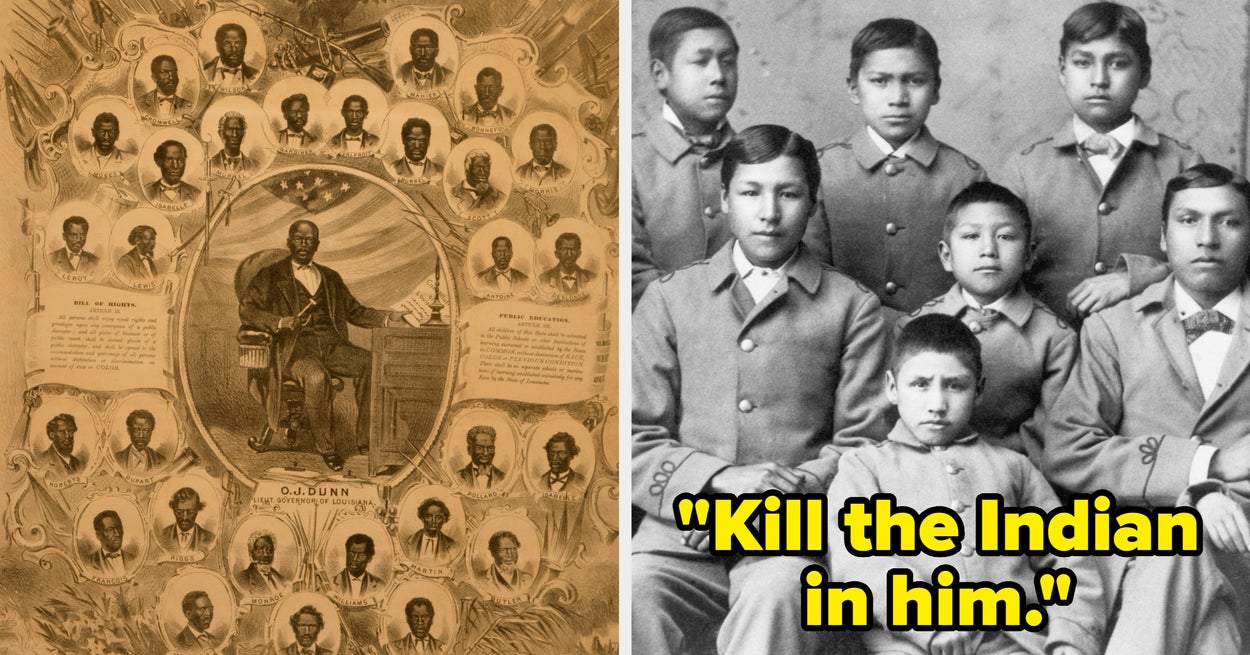
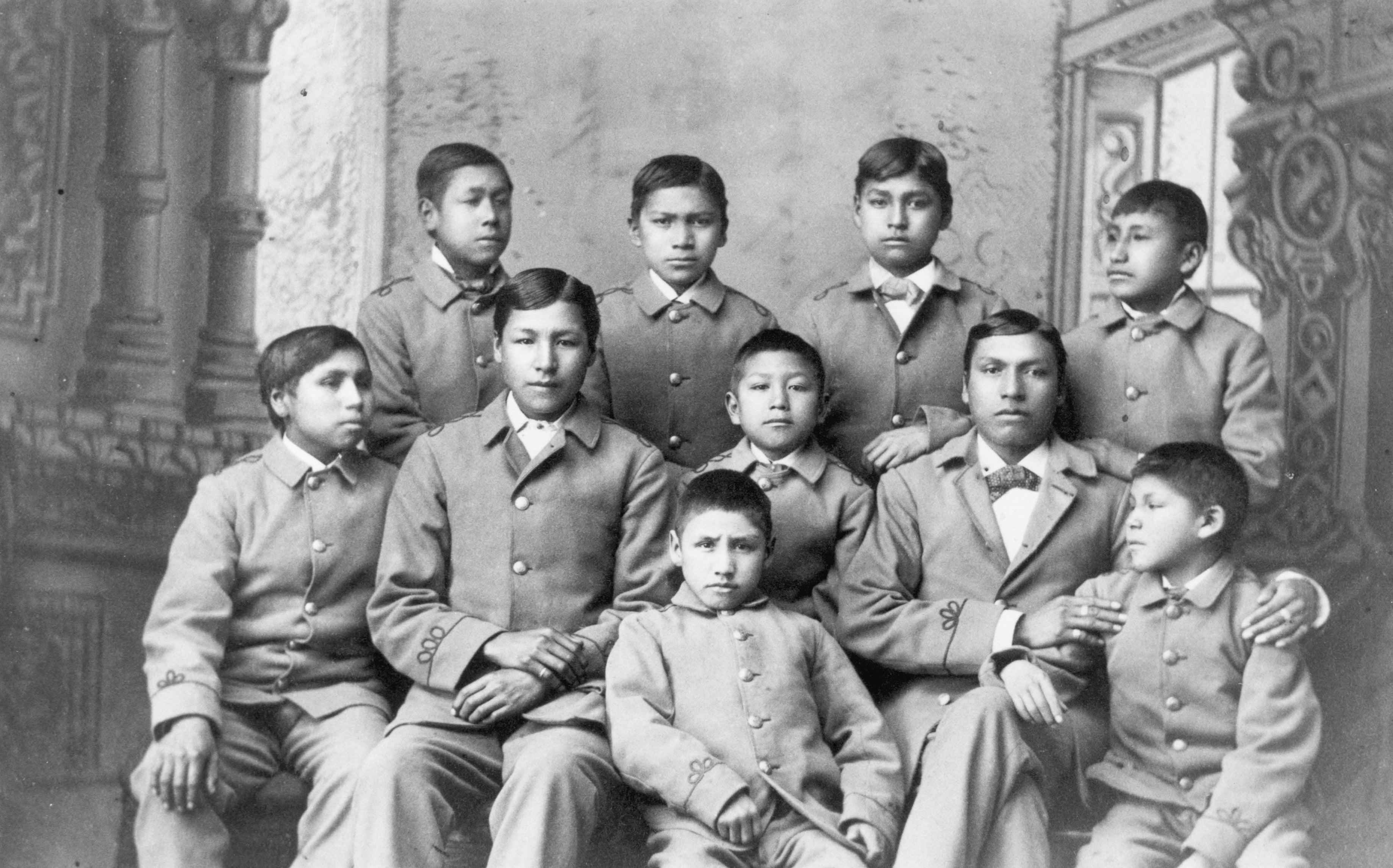
After the military campaigns against Native Americans ended, the government launched a 150-year campaign of cultural genocide through children. Over 400 federally funded boarding schools across 37 states forcibly removed Native children — some as young as 4 — from their families. The program's architect, Captain Richard Henry Pratt, stated his philosophy explicitly in 1892: "Kill the Indian in him, and save the man."

Upon arrival, children were shorn of their hair (for the Lakota, hair-cutting is a mourning practice, and children wailed through the night), given English names, forced into military uniforms, and forbidden from speaking their languages under threat of beatings. They performed forced labor. By 1926, over 80% of Indigenous school-age children — more than 60,000 — were attending these schools. Native children died at a rate up to 18 times higher than white children outside the schools.

In 2022, Interior Secretary Deb Haaland — the first Native American Cabinet secretary, whose own grandparents were taken at age 8 — commissioned an investigation that reviewed 100 million pages of federal records. The 2024 report confirmed at least 973 child deaths and located 74 burial sites at 65 schools. The actual toll is believed to be far higher, and one historian estimates as many as 40,000. The last boarding schools operated into the 1960s.

Sources: CBS, CNN, Pennsylvania Center for the Book, EdWeek, Washington Post, Equal Justice Initiative, US Dept. of the Interior

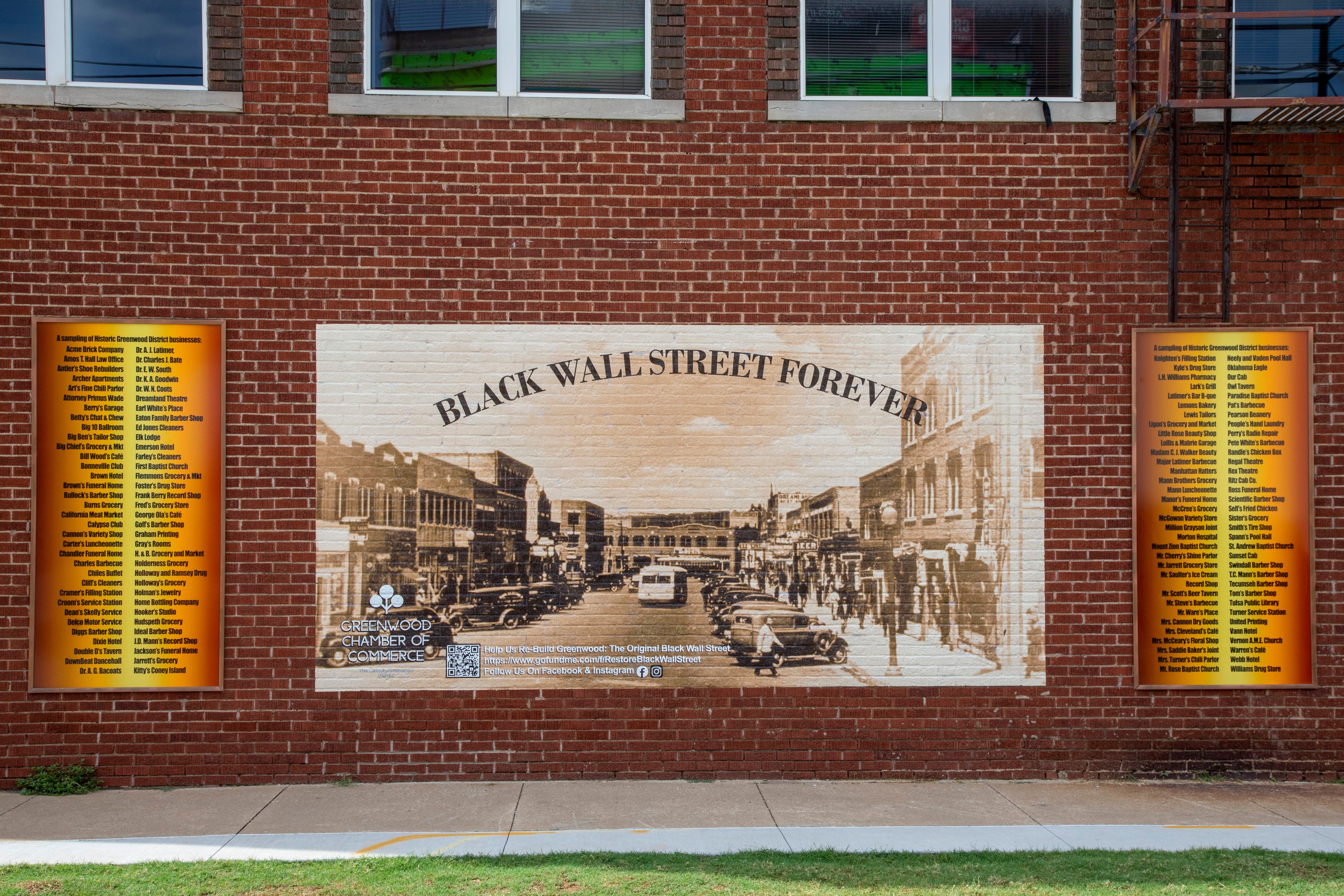
On May 31–June 1, 1921, a mob of as many as 10,000 white Tulsans — many deputized by city officials within 30 minutes — destroyed 35 square blocks of Tulsa's Greenwood District, known as "Black Wall Street." The attack included what may have been the first aerial bombing of an American city, by Americans, against Americans. It happened when a Black shoe shiner named Dick Rowland stepped on a white elevator operator's foot. She told police she did not want to press charges.

The January 2025 DOJ report found this was "not a wild and disorderly mob, but an organized force" carrying out a coordinated invasion. White mobs prevented firefighters from putting out fires. The National Guard disarmed Black residents while leaving the white mob armed. Dr. AC Jackson, a surgeon endorsed by the Mayo Clinic, walked home with his hands up. Two young men shot him dead. At least 1,256 homes burned, an estimated 100–300 people killed, and over 10,000 left homeless. Insurance companies denied every claim.

Afterward, Tulsa's police chief ordered officers to confiscate all photographs from photography studios across the city. The Tulsa Tribune removed its front-page story from bound volumes. The event wasn't added to the Oklahoma school curriculum until 2000. In June 2024, the Oklahoma Supreme Court dismissed the last survivors' lawsuit. The two remaining plaintiffs, Viola Fletcher (age 110) and Lessie Benningfield Randle (age 109), were denied compensation.

Sources: US Dept. of Justice, Equal Justice Initiative, History, Oklahoma Historical Society, NPR

Between 1946 and 1948, US Public Health Service researchers led by Dr. John C. Cutler deliberately infected over 1,300 Guatemalan soldiers, prisoners, psychiatric patients, and children with syphilis, gonorrhea, and chancroid. Methods included paying infected sex workers to have sex with prisoners, and when that didn't work fast enough, pouring syphilis bacteria directly onto abraded skin and into spinal fluid. At least 83 people died.

These experiments were happening at the same time as the Nuremberg Doctors' Trial (1946–47), where Nazi physicians were being prosecuted for medical experimentation on concentration camp prisoners. While the US government prosecuted one set of doctors for nonconsensual experiments, they funded another.

The experiments were only discovered in 2010 when a historian stumbled upon the archived papers. Cutler also ran the infamous Tuskegee study on Black men with syphilis. President Obama formally apologized, and Guatemala's president called it a crime against humanity. Victims' descendants have never received compensation.

Sources: Britannica, PBS, Ohio State University Origins, OAH, Presidential Commission for the Study of Bioethical Issues

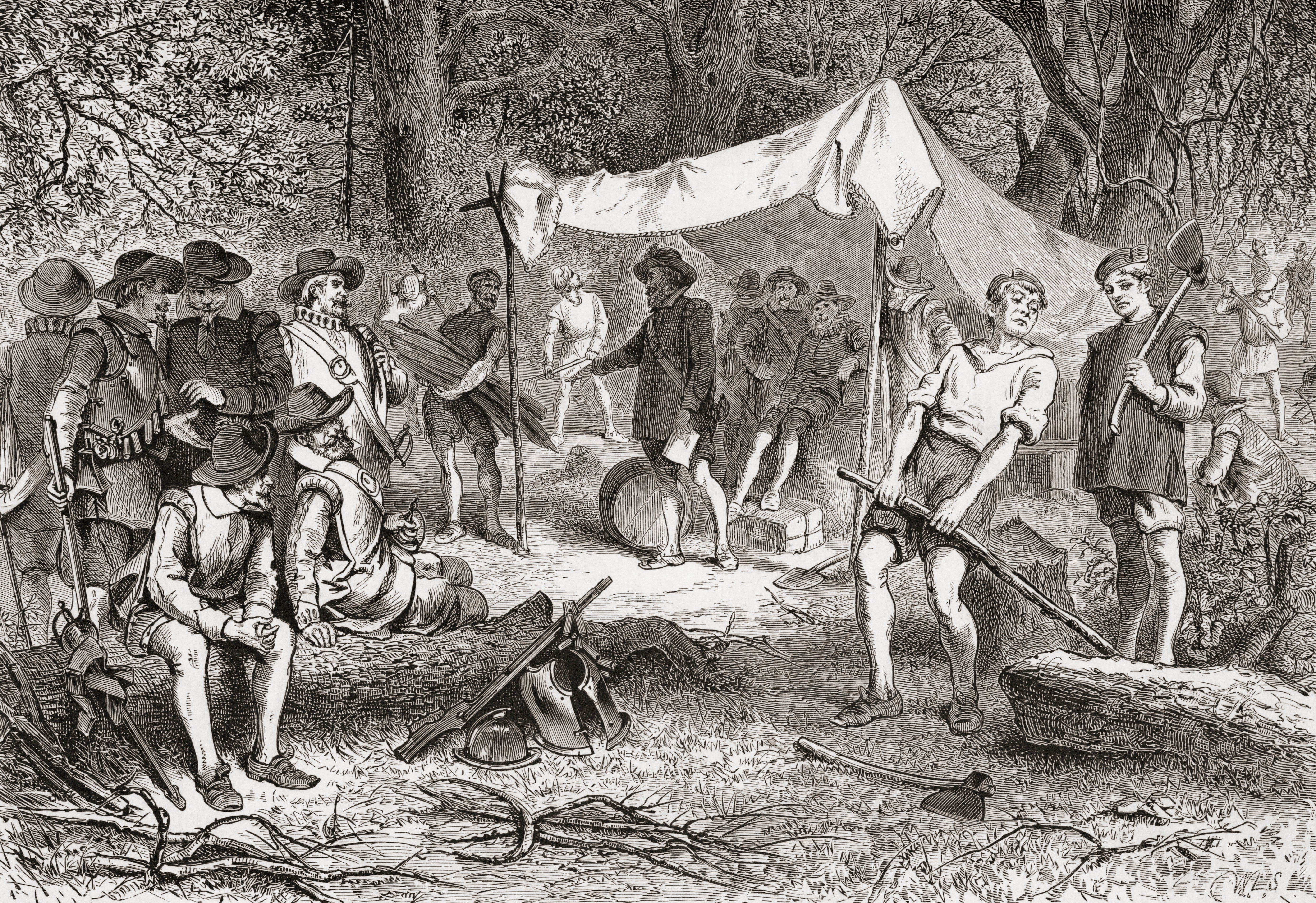
During the winter of 1609–1610, known as "The Starving Time," roughly 80% of Jamestown colonists died. Of approximately 500 people, only 61 survived. After eating horses, dogs, rats, and shoe leather, they dug up corpses and ate them. In 2012, archaeologists unearthed the skull and shinbone of a 14-year-old English girl (dubbed "Jane") bearing unmistakable butchery marks.

Smithsonian forensic anthropologist Douglas Owsley determined that four chop marks to the forehead represented a failed attempt to crack the skull, followed by forceful blows to the back that split it open, and a knife used to pry out the brain. Her brain, tongue, cheeks, and leg muscles were consumed. Isotope analysis showed she'd arrived from England only months before.

For 400 years, historians debated whether the accounts of Jamestown cannibalism were propaganda. "Jane" provided the first physical forensic proof of cannibalism in any European colony in the Americas.

Sources: Smithsonian Institution, History, Smithsonian Magazine, PBS

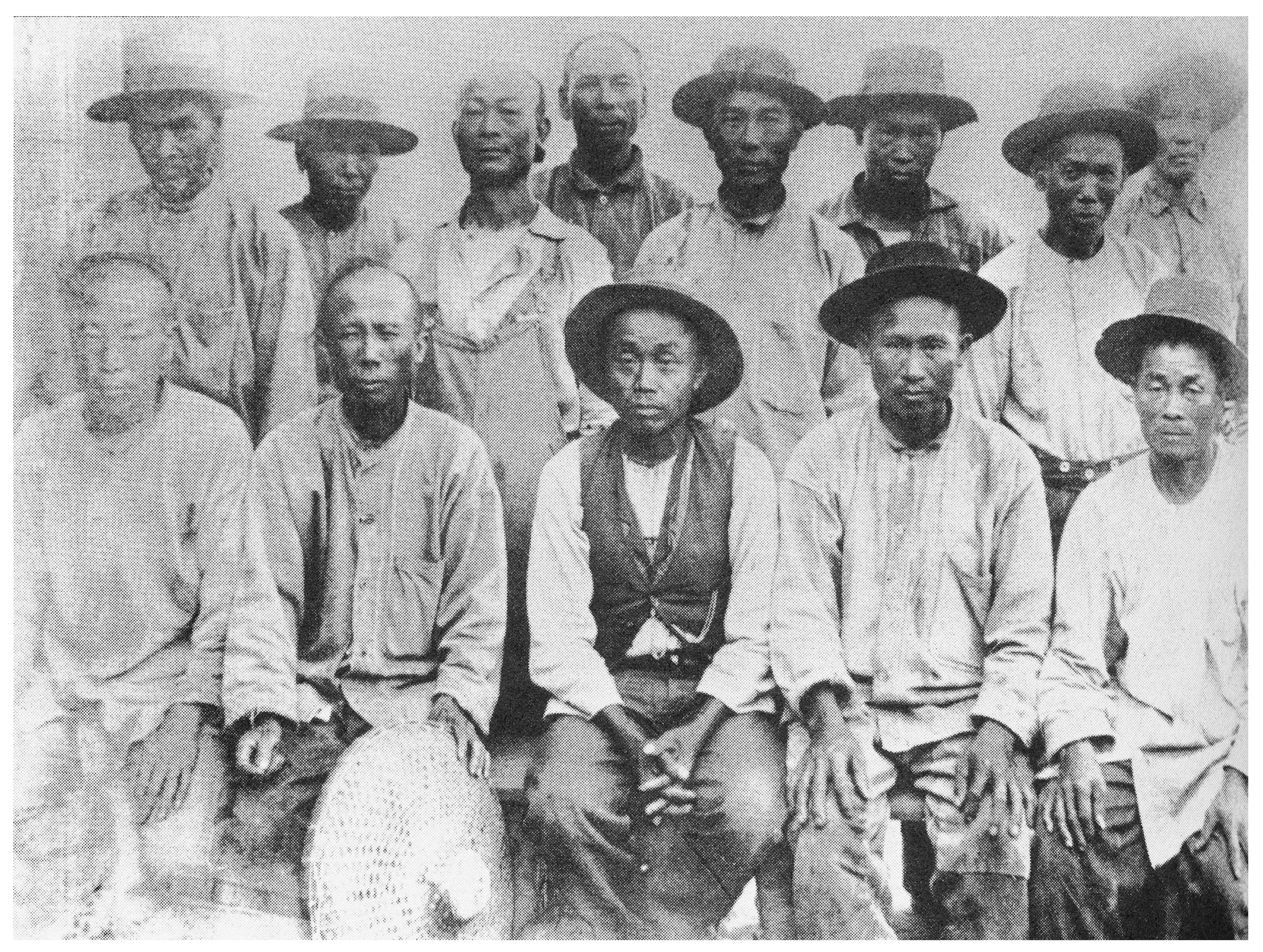
Between 10,000 and 15,000 Chinese laborers did the most dangerous work on the Transcontinental Railroad — blasting tunnels through Sierra Nevada granite with nitroglycerin and black powder, often lowered down cliff faces in woven baskets to drill holes by hand. They worked through winters where snow drifts reached 40 feet, living in tunnels beneath the snow for months at a time. Avalanches buried entire crews alive. When the snow melted in spring, frozen bodies were found still gripping their tools.

Chinese workers were paid $26–$35 per month and had to buy their own food. White workers earned $35 plus free room and board. In June 1867, roughly 3,000 Chinese workers went on strike demanding equal pay, shorter hours, and safer conditions. The Central Pacific Railroad crushed it within a week by cutting off food supplies to the remote mountain camps — the workers were starved back to work. Estimates of Chinese workers killed during construction range from several hundred to over 1,000. No precise records were kept.

On May 10, 1869, the golden spike ceremony at Promontory Summit marked the railroad's completion. Not a single Chinese worker appears in the famous photograph. Thirteen years later, the United States passed the Chinese Exclusion Act of 1882, the first federal law in American history to ban immigration based entirely on race and nationality. It wasn't fully repealed until 1943. Congress didn't formally apologize until 2012.

Sources: Stanford University, PBS, National Archives, History, Smithsonian Magazine, National Park Service

After Britain abolished the Atlantic slave trade in 1807 and slavery itself in 1833, plantation owners across the colonial world needed new labor. The answer was the coolie system, a massive network of indentured labor contracts that transported an estimated more than 2 million workers, primarily Chinese and Indian, to sugar plantations in Cuba, Peru, British Guiana, Trinidad, Mauritius, South Africa, and elsewhere between the 1830s and 1920s. Workers signed contracts they often couldn't read, for terms of 5 to 8 years, with no meaningful ability to leave.

Mortality rates on coolie ships regularly reached 12–30%, comparable to the worst years of the Atlantic slave trade. Workers were confined below deck and chained when deemed unruly. An 1872 Chinese government investigation into conditions in Cuba found coolies were whipped, shackled, branded, and worked to death on sugar plantations. In Peru, the suicide rate among Chinese laborers was so high that plantation owners complained about the financial losses. The Cuban commission documented workers throwing themselves into boiling sugar vats to escape.

Peru imported an estimated 100,000 Chinese laborers between 1849 and 1874; Cuba imported roughly 125,000 between 1847 and 1874. British colonies imported over a million Indian workers. The word "coolie" itself — likely derived from a Tamil or Chinese word for hired laborer — became a racial slur that persists across multiple continents today. The system collapsed under international pressure, but not before sustaining the global plantation economy for decades after abolition. As historian Lisa Yun wrote, the coolie trade was "the serving of the same plate of exploitation under a new name."

Sources: Moon-Ho Jung, Coolies and Cane, Lisa Yun, The Coolie Speaks, Smithsonian Magazine, National Archives UK, UNESCO, Yale

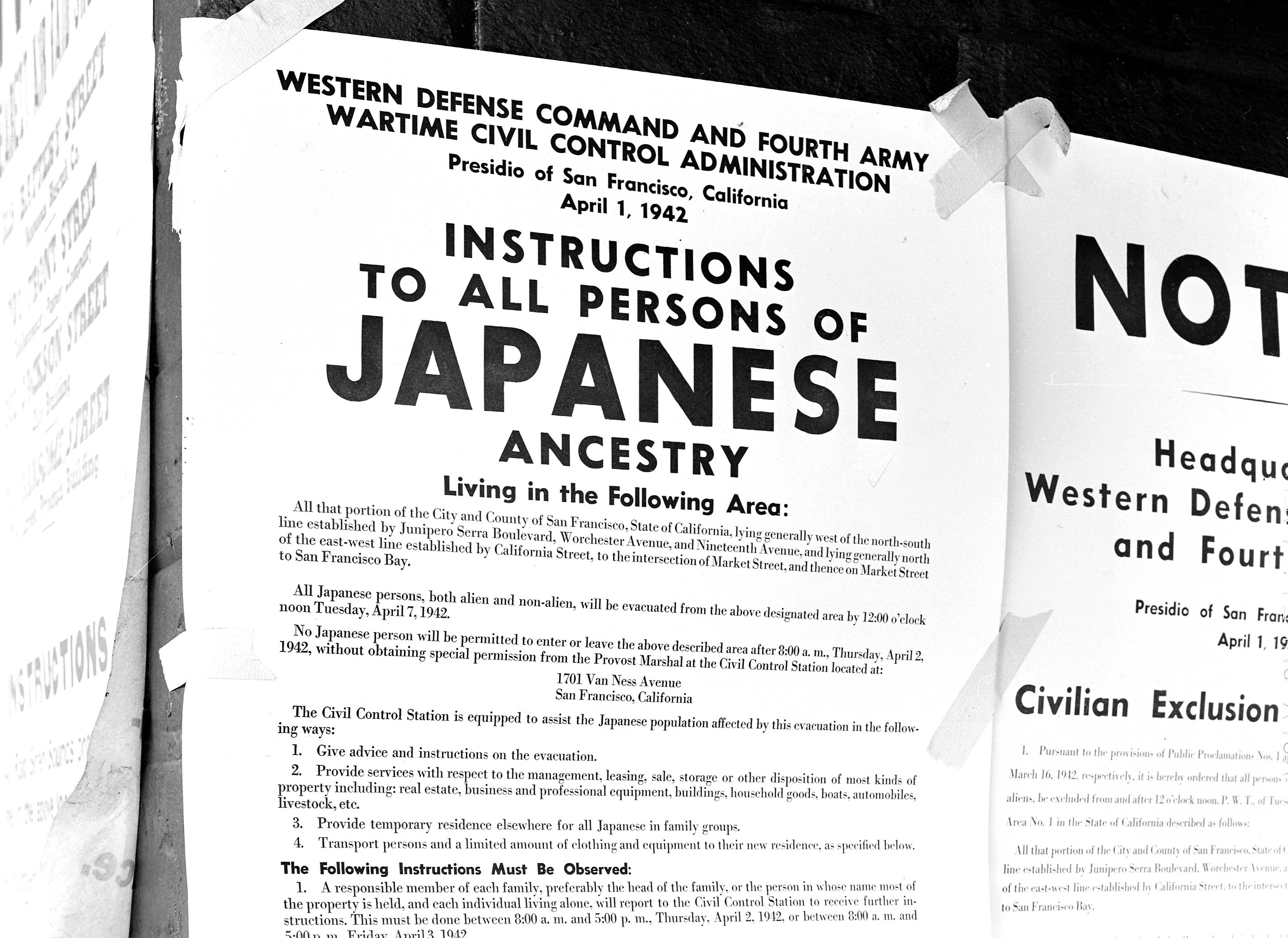
Before FDR signed Executive Order 9066, both the FBI and the Office of Naval Intelligence had concluded that Japanese Americans posed no serious security threat. The Munson Report, commissioned by FDR himself, found Japanese Americans were overwhelmingly loyal. FDR signed the order anyway. Over 120,000 people — two-thirds of them American citizens — were forced from their homes into camps surrounded by barbed wire and armed guards. Japanese Americans in Hawaii, where Pearl Harbor had been bombed, were largely not interned, because the territory's economy depended on their labor. German and Italian Americans were not mass-interned either.

Families had days to dispose of homes, businesses, and possessions. Total property losses are estimated at $400 million in 1940s dollars, roughly $6–8 billion today. Inside the camps, a "loyalty questionnaire" forced impossible choices. Question 28 asked internees to forswear allegiance to the Japanese emperor. For those who had never held such allegiance, answering "yes" implied they once had, while answering "no" marked them as disloyal.

Meanwhile, the 442nd Regimental Combat Team — composed of Japanese American volunteers, many of whose families were interned — fought in Europe and became the most decorated unit for its size and length of service in US military history, earning over 18,000 individual awards, including 21 Medals of Honor. They even liberated a sub-camp of Dachau. The Supreme Court upheld internment in Korematsu v. United States (1944), a decision not formally repudiated until 2018. Fred Korematsu's conviction wasn't overturned until 1983. Reparations of $20,000 per surviving internee weren't paid until 1988. Over half had already died.

Sources: National Archives, Densho Encyclopedia, Smithsonian National Museum of American History, History, National WWII Museum, NPR, PBS

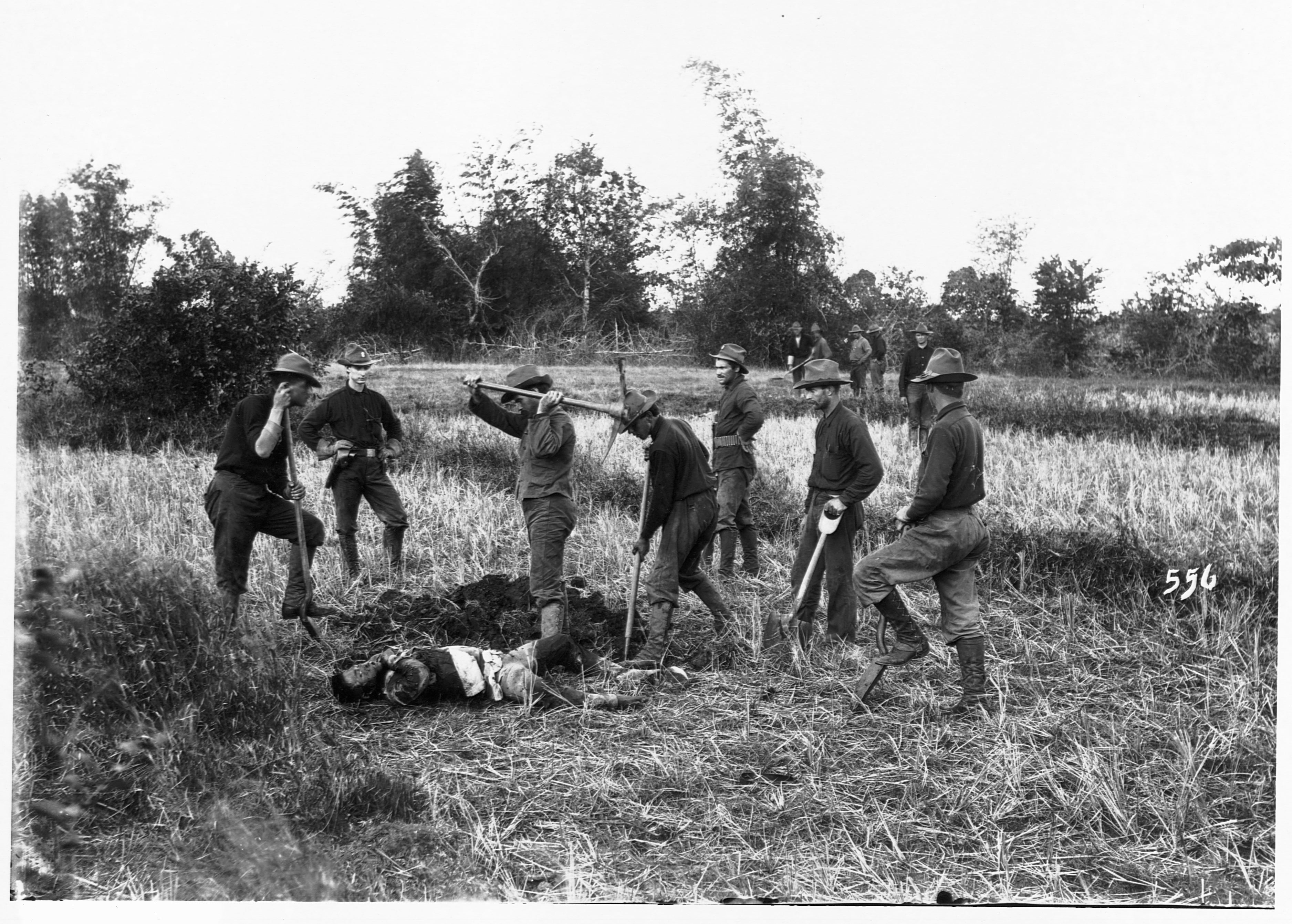
Filipino revolutionaries led by Emilio Aguinaldo had been fighting Spain for independence for years and had nearly won. When the US arrived in 1898, they believed it was to help. Instead, the US paid Spain $20 million for the Philippines, refused to recognize Filipino independence, and when Aguinaldo's forces resisted, launched a colonial war that killed an estimated 200,000 to 1,000,000 Filipino civilians — the vast majority from famine and disease caused by US military tactics.

Standard interrogation included the "water cure" — what is now called waterboarding — decades before the "war on terror" made it infamous. After Filipino guerrillas killed 48 US soldiers at Balangiga in September 1901, General Jacob Smith ordered his men to turn the island of Samar into a "howling wilderness" and issued the directive: "I want no prisoners. I wish you to kill and burn; the more you kill and burn, the better it will please me. ... kill everyone over the age of 10." When asked to clarify the age limit, Smith confirmed: 10 years old.

US forces implemented reconcentration — herding civilians into designated zones and declaring anyone outside them an enemy combatant. Crops were destroyed, livestock slaughtered, and villages burned. On Batangas alone, the population dropped by roughly one-third. Mark Twain, who became vice president of the Anti-Imperialist League, wrote: "We have pacified some thousands of the islanders and buried them; destroyed their fields; burned their villages, and turned their widows and orphans out-of-doors." The war was officially declared over in 1902, but guerrilla resistance continued until 1913. Most US history textbooks give it less than one page when it's mentioned at all.

Sources: History, Smithsonian Magazine, PBS, Library of Congress, Mark Twain, To the Person Sitting in Darkness

If you are concerned that a child is experiencing or may be in danger of abuse, you can call or text the National Child Abuse Hotline at 1-800-422-4453(4.A.CHILD); service can be provided in over 140 languages.