yahoo Press
Trump's U.N. Ambassador Mike Waltz says bombing every bridge and power plant in Iran wouldn't be a war crime
Images
1 / 9
2 / 9

3 / 9

4 / 9

5 / 9
6 / 9

7 / 9

8 / 9

9 / 9
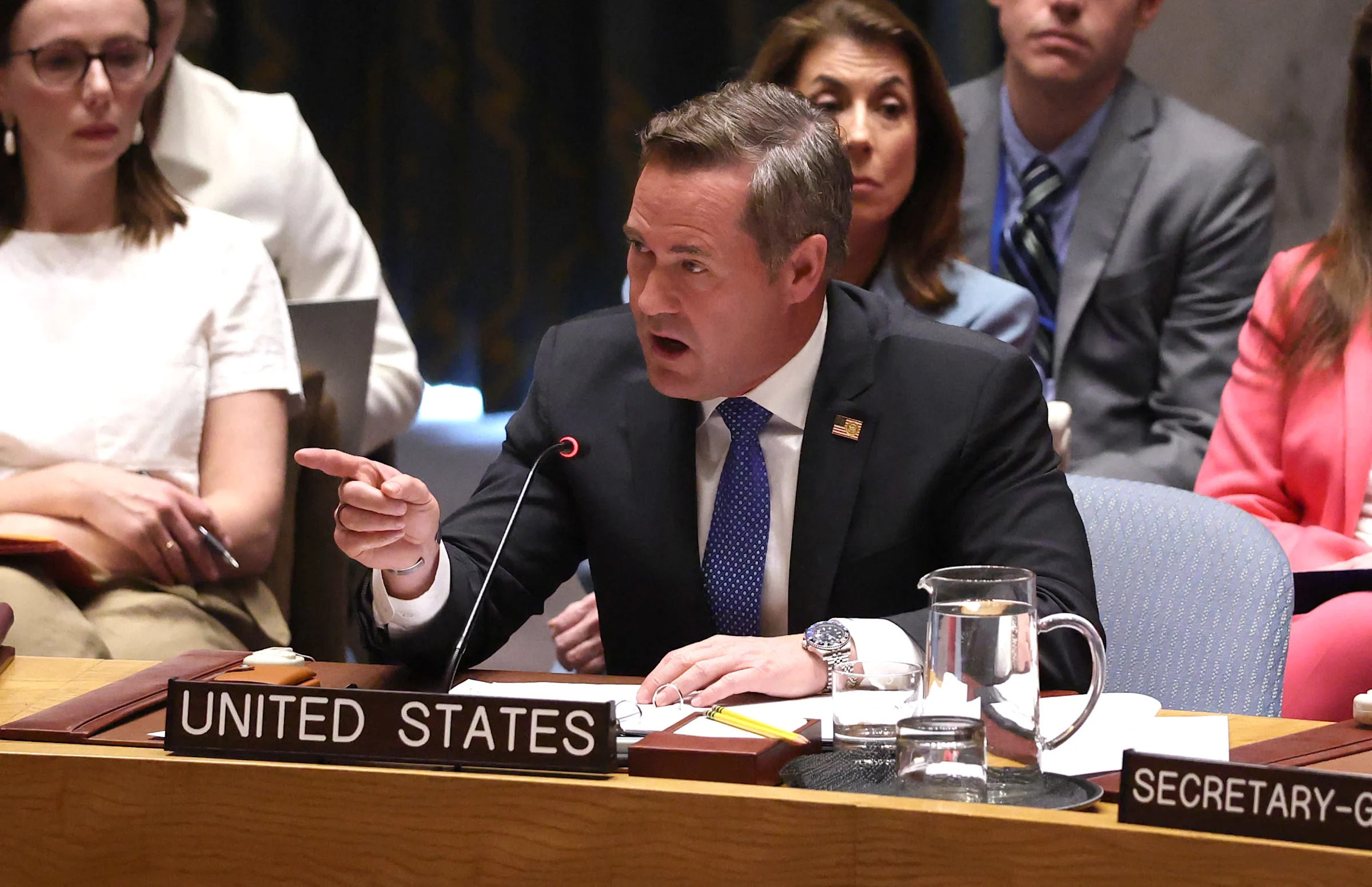
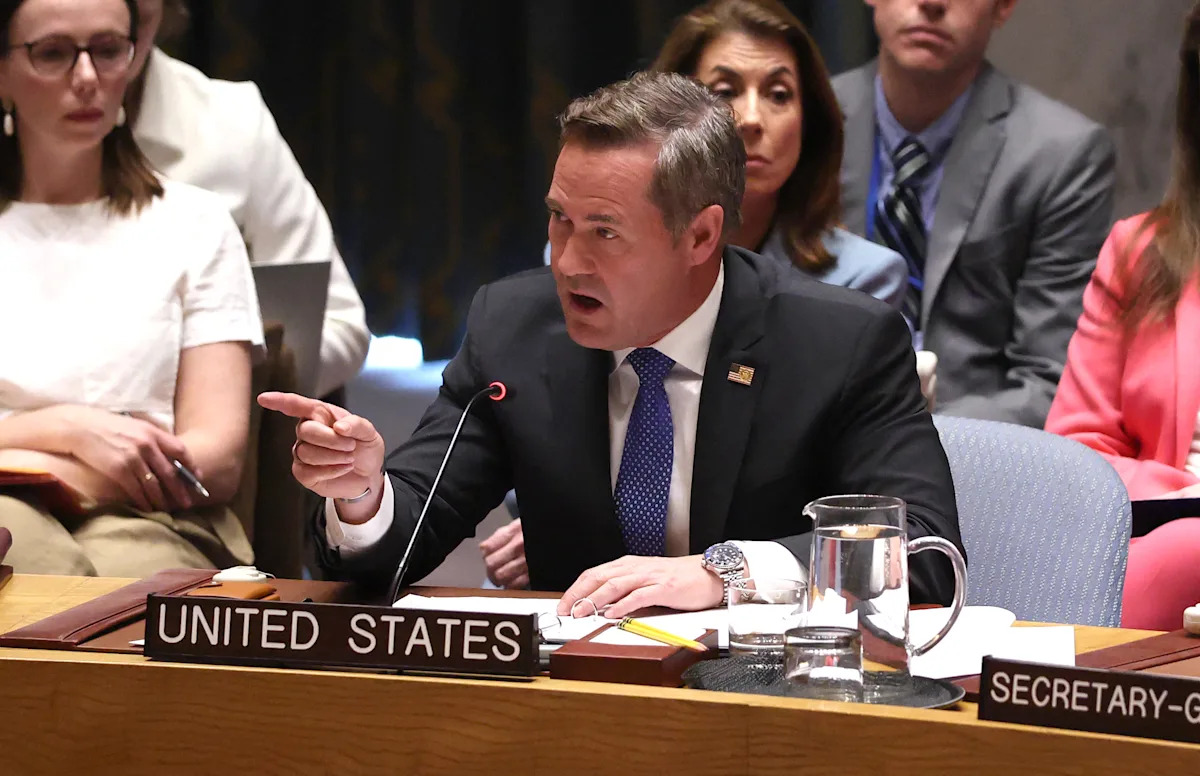
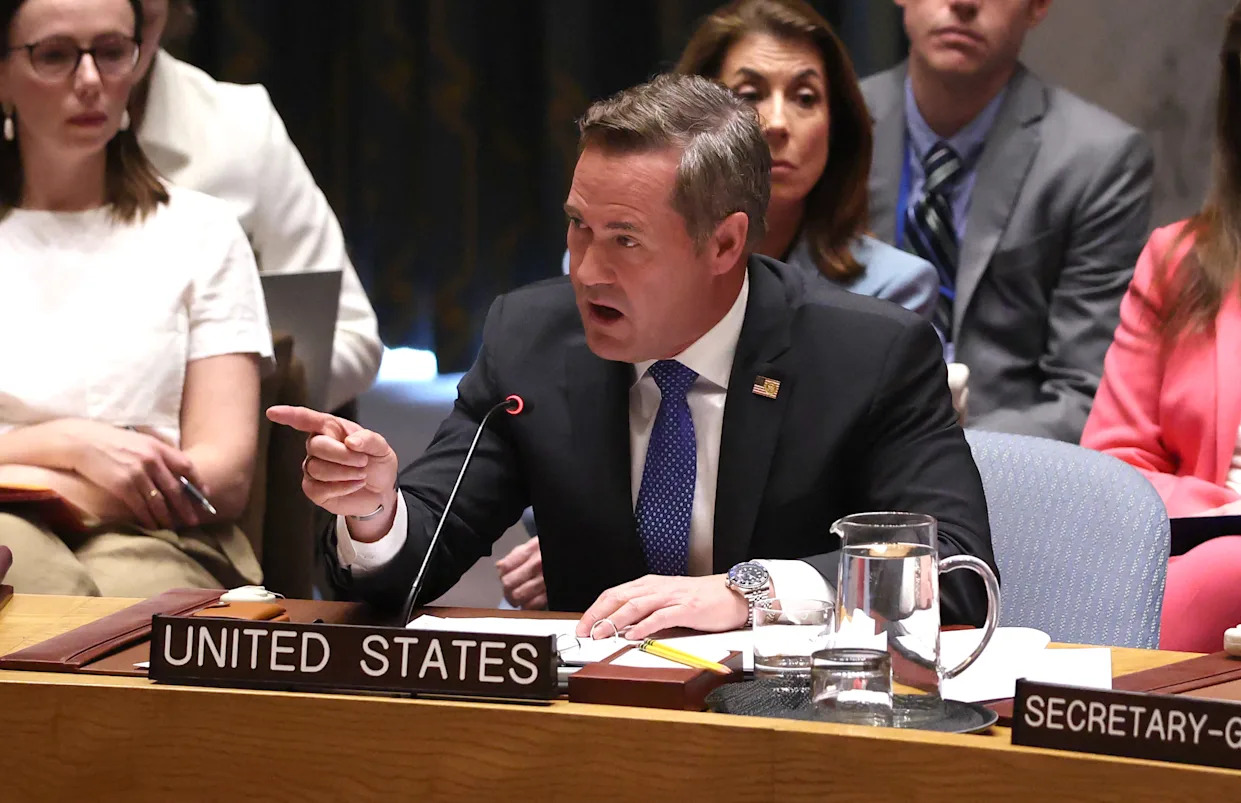
U.N. Ambassador Mike Waltz defended President Trump's threat to destroy Iran's bridges and power plants Sunday, telling ABC's This Week that such strikes wouldn't amount to a war crime.

"All options are on the table, absolutely," Waltz told anchor Jonathan Karl. "We could take that infrastructure out relatively easily. The Iranian air defenses have been absolutely decimated."

Waltz went further, preempting the criticism: "Just to get ahead of a lot of the critics and hand-wringing, throwing out irresponsible terms like 'war crimes,' attacking, destroying infrastructure that has clearly and historically been used for dual military purposes is not a war crime."

Karl pressed him. "The president today said that he would knock out every single power plant and every single bridge in Iran. He's not just talking about those that are supporting the military infrastructure. He's saying every bridge."

"That would be an escalatory ladder," Waltz said, comparing it to World War II. "Of course, we bombed and took down bridges, other infrastructure, power plants."

Waltz made similar comments on CBS, calling the war crime framing "a false, fake, and ridiculous notion." "Bridges, power plants that are run by the IRGC are absolute legitimate military targets, not only now, but have been historically," he said, referring to Iran's Islamic Revolutionary Guard Corps.

Energy Secretary Chris Wright, asked the same question by CNN's Jake Tapper on State of the Union, said: "The president is looking for maximum leverage. No, I'm not worried about that."

Waltz's comments came hours after Iranian foreign ministry spokesman Esmaeil Baqaei went further in the other direction, calling the continued U.S. naval blockade of Iran's ports "unlawful and criminal" and a "war crime and crime against humanity." Baqaei said it was the blockade, not Iran's actions in the Strait of Hormuz, that was violating the Pakistan-brokered ceasefire.

The pushback isn't only coming from Iran. Conservative commentator Tucker Carlson made headlines earlier this month when he called the idea of striking Iran's civilian infrastructure "vile on every level." "It begins with a promise to use the U.S. military, our military, to destroy civilian infrastructure in another country, which is to say, to commit a war crime, a moral crime against the people of the country," Carlson said in a video on April 7.

Under Additional Protocol I to the Geneva Conventions, "civilian objects shall not be the object of attack," and strikes are prohibited if they "may be expected to cause incidental loss of civilian life, injury to civilians, damage to civilian objects, or a combination thereof, which would be excessive in relation to the concrete and direct military advantage anticipated."

Trump threatened on Truth Social earlier Sunday to "knock out every single Power Plant, and every single Bridge, in Iran" if a deal isn't reached. The two-week ceasefire expires Wednesday.