foxnews Press
This could be why your weight-loss medication isn’t delivering results
Images
1 / 20

2 / 20

3 / 20

4 / 20

5 / 20

6 / 20

7 / 20

8 / 20

9 / 20

10 / 20

11 / 20

12 / 20

13 / 20

14 / 20

15 / 20

16 / 20

17 / 20
18 / 20

19 / 20

20 / 20
Fox News senior medical analyst Dr. Marc Siegel discusses the benefits and risks of GLP-1 medications on 'Fox & Friends Weekend.'

The skyrocketing popularity of GLP-1 receptor agonists has transformed the weight-loss industry, but not all shots are created equal in terms of how they work.

A study published in Nature investigated how genes affect the success of modern weight-loss drugs — specifically, GLP-1s like semaglutide and tirzepatide.

In analyzing genetic data and self-reported weight loss from over 27,000 users, researchers pinpointed a specific variation in the GLP-1 receptor gene (GLP1R) that acts as a "booster" for the drug’s effectiveness.

POPULAR WEIGHT-LOSS MEDICATIONS LINKED TO HIDDEN SIDE EFFECTS, STUDY FINDS

Individuals carrying one copy of this variant lost an average of 1.6 pounds more than those without it, according to the findings.

This suggests that genetic testing could eventually help doctors steer sensitive patients toward medications they are more likely to tolerate.

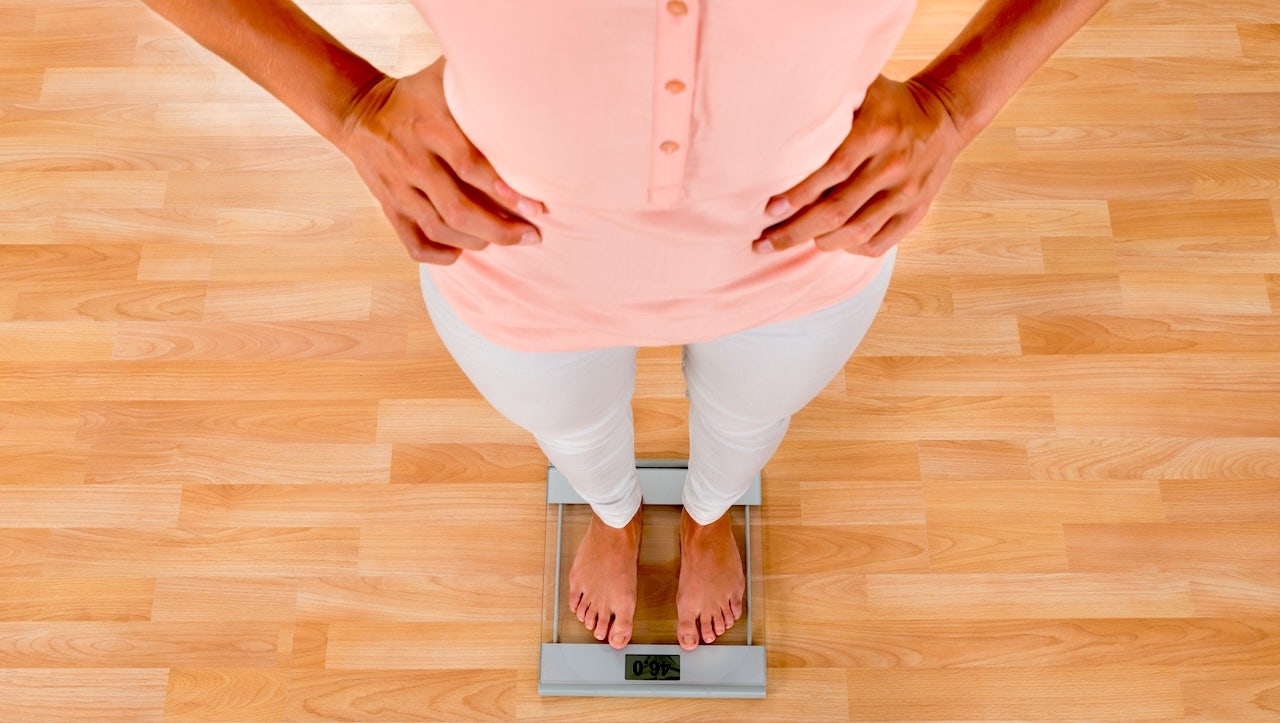
Individuals carrying one copy of a specific genetic variant lost an average of 1.6 pounds more than those without it. (iStock)

"We believe these reports are a step forward in meeting an unmet need for a more informed and personalized approach to weight management," said study co-author Noura Abul-Husn, chief medical officer at the 23andMe Research Institute in California, in a press release.

While this genetic "boost" is measurable, it remains relatively modest when compared to the total average weight loss of 24 pounds observed across the study population, the researchers noted.

SHOULD YOU MICRODOSE OZEMPIC? EXPERTS ARE SPLIT ON RISKS VS BENEFITS

Beyond genetics, other factors such as age, sex and specific medications remain much stronger predictors of success.

For instance, the study found that women generally saw a higher body mass index (BMI) reduction (12.2%) compared to men (10.0%).

Traditional factors such as age, sex and specific medications remain much stronger predictors of success. (iStock)

The study may also reveal why certain patients experience stomach issues. Scientists identified a different genetic variant that was linked to increased reports of nausea and vomiting.

The presence of this side effect did not impact the drug's effectiveness, however. Patients with variants in the GLP1R and GIPR genes lost just as much weight as those without it; they simply felt more sick during the process, the study found.

WEIGHT-LOSS MEDICATIONS COULD IMPACT SEXUAL HEALTH IN UNEXPECTED WAYS

"GLP-1 treatment decisions are complex, and having access to clinical expertise to help contextualize your genetic results alongside your full health picture is exactly the kind of guidance this report is designed to support," said Abul-Husn.

Patients with the variant lost just as much weight as those without it; they simply felt more sick during the process, the study found. (iStock)

Dr. Peter Balazs, MD, a hormone and weight-loss specialist serving the New York and New Jersey area, was not involved in the study but reiterated the role of the genetic variants in treatment response and side effects.

CLICK HERE FOR MORE HEALTH STORIES

"Notably, there appears to be a drug-specific effect: The GIPR variant associated with these side effects is observed with tirzepatide, but not with semaglutide," he told Fox News Digital.

Balazs said he was surprised by the extremely wide nausea risk range (5%–78%). "Additionally, the drug-specific genetic dissociation was unexpected," he added.

The data relied on participants reporting their own weight, which could be subject to bias.

"The data is self-reported and not medically verified, which may affect its reliability firstly," Balazs told Fox News Digital. "It also does not account for key treatment variables, such as titration, discontinuation or dosing schedules."

TEST YOURSELF WITH OUR LATEST LIFESTYLE QUIZ

The 23andMe participant pool may not reflect a diverse, real-world population, he added.

"The study also lacks data on important clinical endpoints, such as diabetes progression, and severe adverse effects, such as gastroparesis or pancreatitis," Balazs pointed out. "Many of its findings also have not been supported by more clinically and statistically robust studies."

Patients with the variant lost just as much weight as those without it; they simply felt more sick during the process, the study found. (iStock)

For example, a sub-study comparing these reports to objective iPhone health data suggested that participants might over-report their progress. While users reported an 11.8% loss, electronic data in that subset showed a 5.8% loss.

CLICK HERE TO SIGN UP FOR OUR HEALTH NEWSLETTER

As an observational study rather than a controlled clinical trial, it could not definitively prove that the genetic variants caused the difference in weight loss, only that they are associated with it, the researchers noted.

CLICK HERE TO DOWNLOAD THE FOX NEWS APP

"I think this article is interesting, raising the possibility of genetic factors, and the use of genetic testing incorporated into further decision-making when picking weight-loss medications," Balazs said. "However, I would be careful to draw conclusions solely based on this study."

Khloe Quill is a lifestyle production assistant with Fox News Digital. She and the lifestyle team cover a range of story topics including food and drink, travel, and health.

Stay up-to-date on the biggest health and wellness news with our weekly recap.

By entering your email and clicking the Subscribe button, you agree to the Fox News Privacy Policy and Terms of Use, and
        agree to receive content and promotional communications from Fox News. You understand that you can
        opt-out at any time.

Subscribed

You've successfully subscribed to this newsletter!