yahoo Press
South China Find Shows The First Three Foot Giant
Images
1 / 12
2 / 12

3 / 12

4 / 12

5 / 12

6 / 12
7 / 12
8 / 12
9 / 12

10 / 12

11 / 12

12 / 12
The post South China Find Shows The First Three Foot Giant appeared first on A-Z Animals.

A 436-million-year-old bony fish fossil has successfully helped researchers better understand vertebrate evolution.

Before this discovery, the scarcity of Silurian fossil records created a massive data gap.

Another fossil discovery from 423 million years ago solved an ongoing mystery around ancient teeth.

I first read Lulu Miller’s Why Fish Don’t Exist in 2024. Interspersed with her personal exploration of finding purpose, Miller describes the story of David Starr Jordan, who named and described over 2,000 fish species (an estimated 20% of known species at the time). What captivated me most was how complex the biological category of “fish” truly is. Miller explained the fascinating biology of fish, including, for example, that lungfish are more closely related to humans than to salmon! In an effort to learn more about fish evolution, I studied everything fish-related I could find: how bony fish are the evolutionary ancestors of nearly all vertebrates, how ray-finned fish are ancestors to 99% of fish today, and how lobe-finned fish are precursors to tetrapods like amphibians, reptiles, birds, and humans.

Despite everything I learned, I still had questions: What did fish look like before the ray-finned and lobe-finned split? Were ancient fish distinct from one another? Did they share some of the same characteristics we still see in fish today? In 2026, a team from the Chinese Academy of Sciences’ Institute of Vertebrate Paleontology and Paleoanthropology (IVPP) published research on two bony fish fossils they discovered in South China. One fossil, named Eosteus chongqingensis, is the oldest near-complete, articulated bony fish fossil ever discovered. This rare find is revealing a host of new information regarding evolutionary change.

The Silurian period was defined by warmer waters that allowed marine life to thrive.

©iStock.com/CoreyFord

Although some scientists argue that bony fishes diverged into ray-finned and lobe-finned fish during the late Silurian period, the general consensus is that the divergence occurred during the early Devonian period between approximately 419 and 339 million years ago. In fact, the Devonian period is sometimes called the “Age of Fish.”

Ray-finned fish, part of the superclass Actinopterygii, have thin, webbed fins stretched across bony spines. They make up a vast majority of fish in today’s world, accounting for 30,000+ species. If you’ve heard of catfish, sturgeon, or tuna, then you know of at least one ray-finned fish. Lobe-finned fish like coelacanths, in the Sarcopterygii superclass, have fleshier fins. There are also significantly fewer lobe-finned fish in existence than ray-finned fish.

Before this split occurred, bony fish were known as osteichthyans. Although scientists still use this term today, osteichthyans now also comprises tetrapods in addition to bony fish.

A better understanding of ancient osteichthyans could reveal how this common ancestor laid the foundation for animal life to evolve. The problem is that the fossil record has been relatively incomplete. As the IVPP authors point out in their first published study, “Osteichthyans…dominate modern vertebrate biodiversity, yet their pre-Devonian fossil record remains scarce and fragmentary.”

In other words, nearly all the fossils we’ve found came from the Devonian period. This is probably because animals in the Silurian period had softer bodies. Since soft tissues aren’t preserved as well as shells or bones, softer-bodied creatures are less frequently found in the fossil record. That’s not to say that soft-bodied animals can’t fossilize, just that fossilization is less likely.

Although only uncovered in 2019, the Chongqing Lagerstätte, a fossil site in China, has become well-known for its well-preserved fish fossils. In the past, fossils discovered in the area include a shark-like cartilaginous fish called Shenacanthus vermiformis that had large, armored chest plates and Xiushanosteus mirabilis, an armored jawed fish.

E. chongqingensis was found in the same area. Because this tiny fish measured just 3 cm (around 1.2 inches) in length, it was definitely not one of the apex predators of its time. The fossil dates back to 436 million years ago, predating other fossils and microfossils of its kind.

Researchers noticed that E. chongqingensis had a mix of different traits, including:

A generalized bony fish body, but with no bony fin rays

Caudal fulcra, ossified (rigid/stiff) spines or scales on the tail fin

A single dorsal fin on the back

An anal fin spine normally found in placoderms (ancient armored fish like the Dunkleosteus) and cartilaginous fish

Essentially, E. chongqingensis has multiple evolutionary traits that we now see have been sorted into separate lineages. More importantly, scientists noted that traits associated with bony fish, like the dorsal fin and body shape, emerged earlier than they once thought.

The authors note, “Bayesian inference and the 50% majority rule consensus of the maximum-parsimony analysis place the new fish on the osteichthyan stem, whereas the strict consensus leaves its position unresolved.” In less scientific language, they’re saying that some analyses place E. chongqingensis as a relative right before bony fishes emerged. However, this isn’t fully proven.

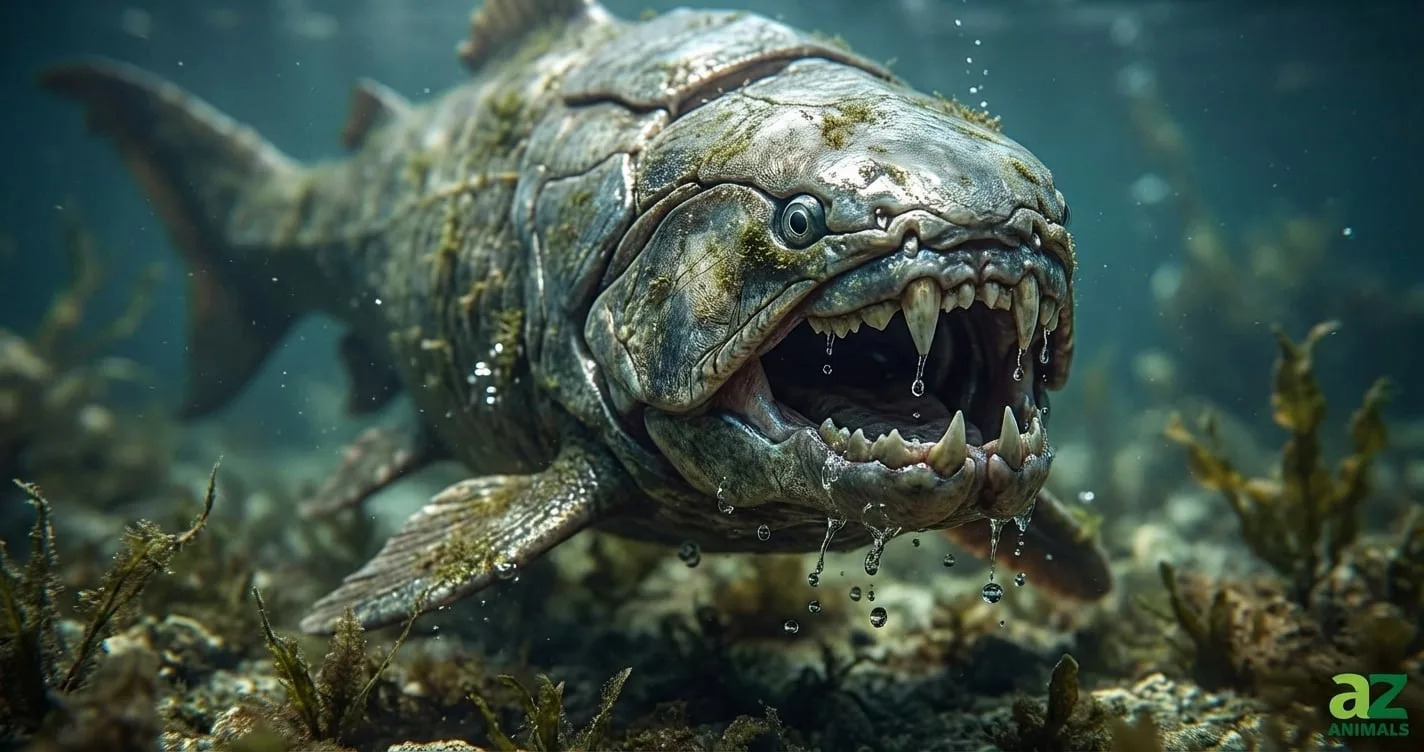
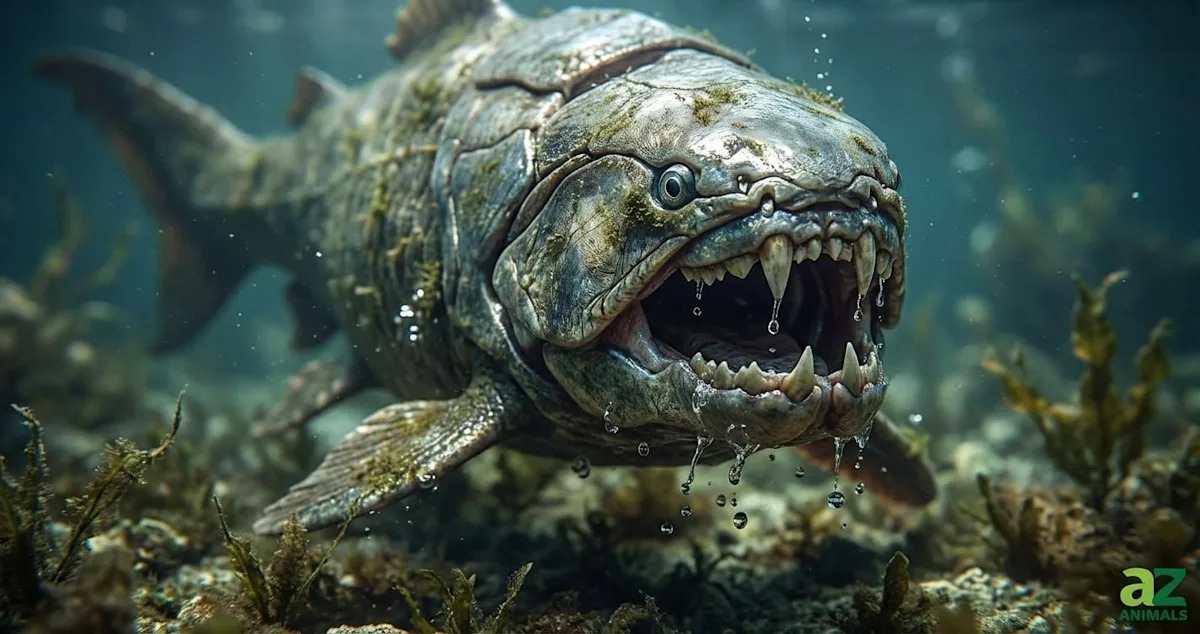
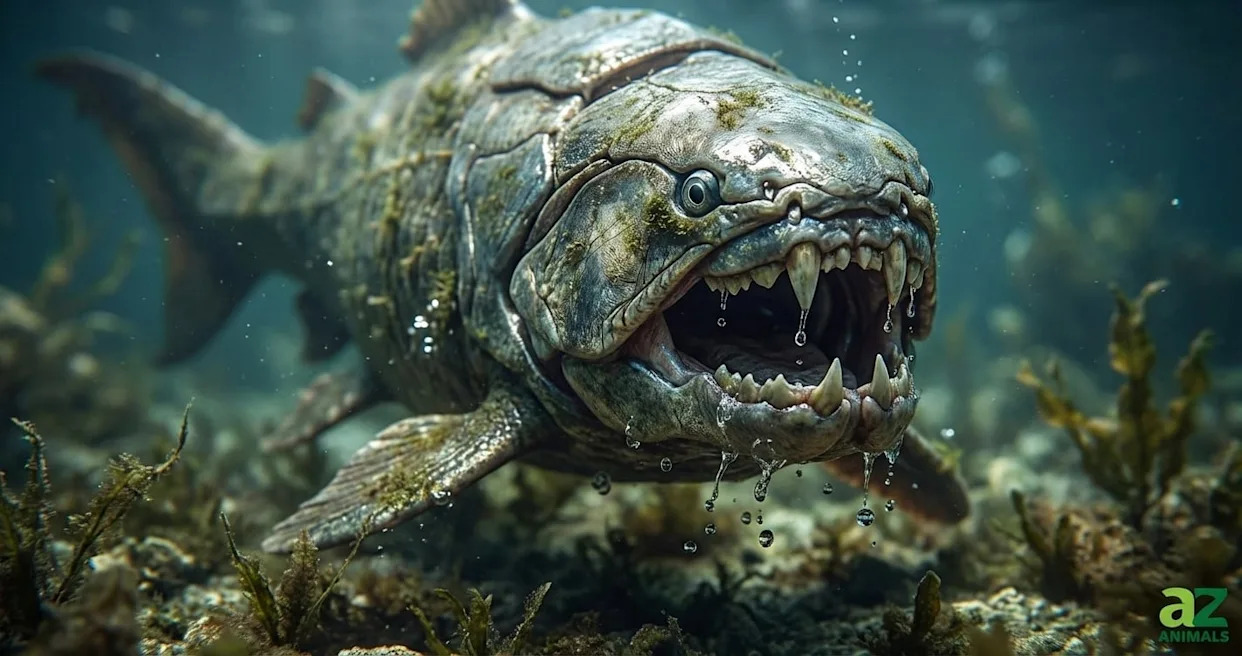
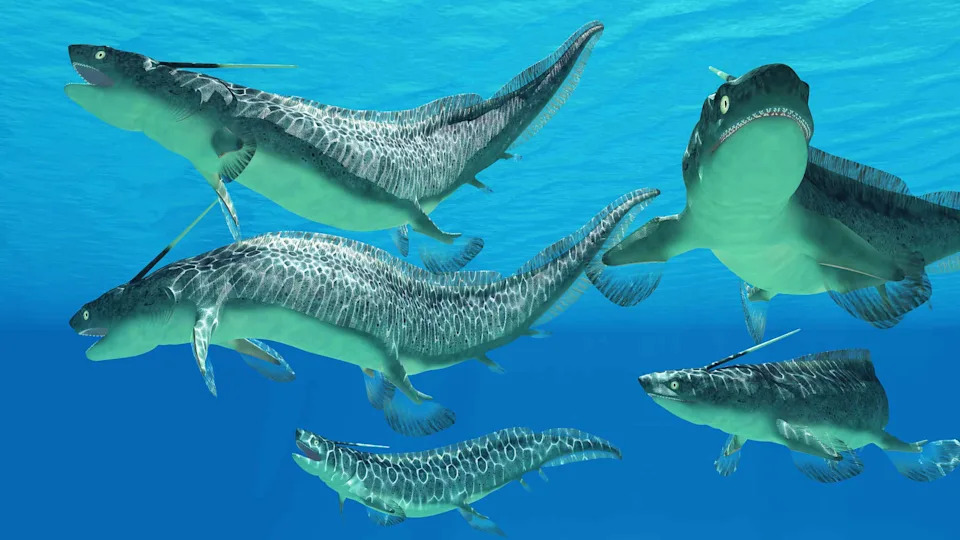
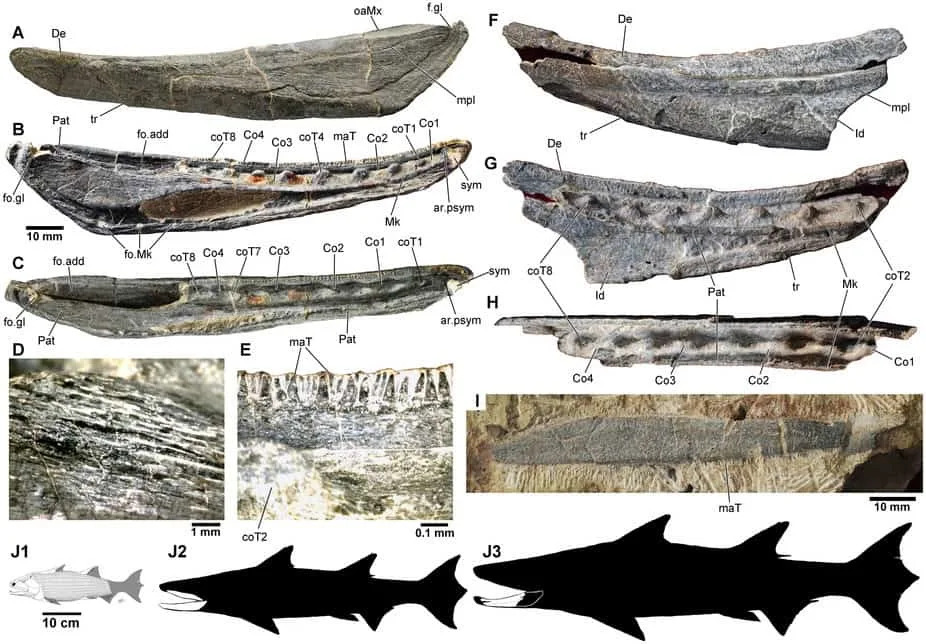
IVPP researchers also identified the head and trunk bones of another Silurian-period fish known as Megamastax amblyodus, which lived about 423 million years ago. They found M. amblyodus fossils in Qujing, a city located in China’s Yunnan province. Unlike E. chongqingensis, M. amblyodus was sizable. At one meter long, or around 3.3 feet, it was the largest Silurian vertebrate from that geological time period. This likely means M. amblyodus was an apex predator.

The new head and trunk fossils from

add context to previously discovered fossil fragments.

©CC BY 4.0 – Original / License

In the past, researchers found fragmentary M. amblyodus fossils. While this provided a general overview of the fish’s existence and rough size, there were still many questions about this creature. Researchers initially believed M. amblyodus might be a lobe-finned fish.

After nearly ten years, the authors, who published their findings in Nature, found the right advanced imaging and 3D reconstruction techniques to use M. amblyodus‘ articulated head and trunk material to learn more about its anatomy.

Megamastax amblyodus had a unique anatomy. First, the researchers found that its main blood vessels were likely arranged more similarly to those of cartilaginous fish. M. amblyodus also had more ancient anatomical features like a large front upper jawbone. But, perhaps most interestingly, Megamastax amblyodus actually showed more features of early bony fish, including:

Extrascapular bones, or small bones in the neck area/behind the head

Evidence of tooth reabsorption and replacement

Two rows of cushion-like teeth sitting on blunt, individual bases

M. amblyodus‘ teeth are important because they show what early bony fish dentition looked like. According to the research team, “Phylogenetic analysis places Megamastax within the osteichthyan stem, near the osteichthyan crown-group node.” In other words, M. amblyodus was a near-direct precursor to the earliest stages of bony fish evolution.

But the teeth also solved a scientific mystery. For decades, scientists in Europe’s Baltic region have been finding well-preserved tooth plates in Silurian rocks. It’s now clear that those were not isolated fossils, but part of M. amblyodus‘ jaw. Additionally, these fossils show how widespread osteichthyans were during the Silurian period.

The post South China Find Shows The First Three Foot Giant appeared first on A-Z Animals.