Press
Meloni’s Trump trouble: Why Italian PM is distancing herself from US leader
Images
1 / 8
2 / 8
3 / 8
4 / 8

5 / 8

6 / 8

7 / 8

8 / 8
The Italian leader’s cosy alliance with Trump may have become more of a liability than an asset as key elections approach.

Save

Share

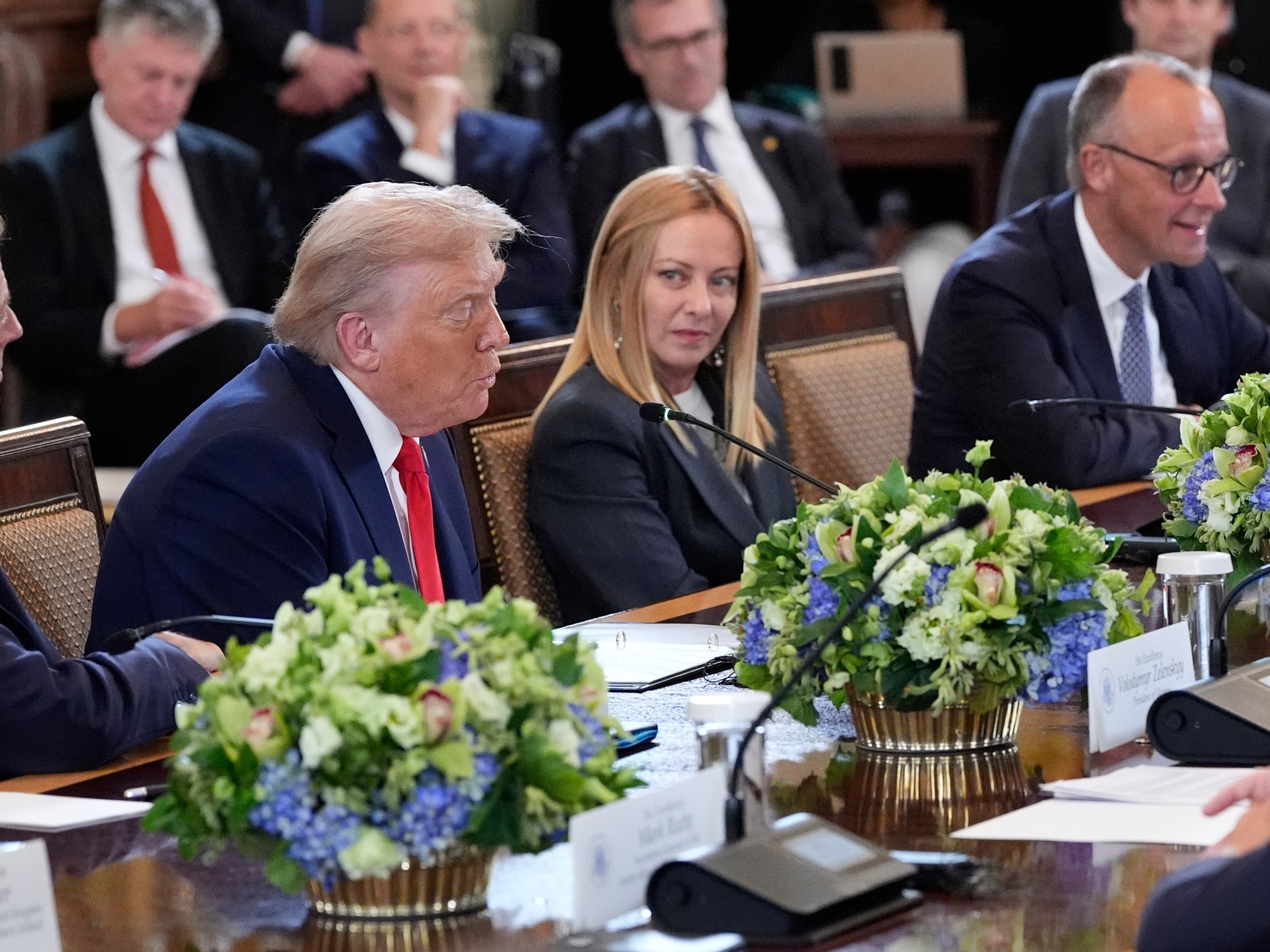
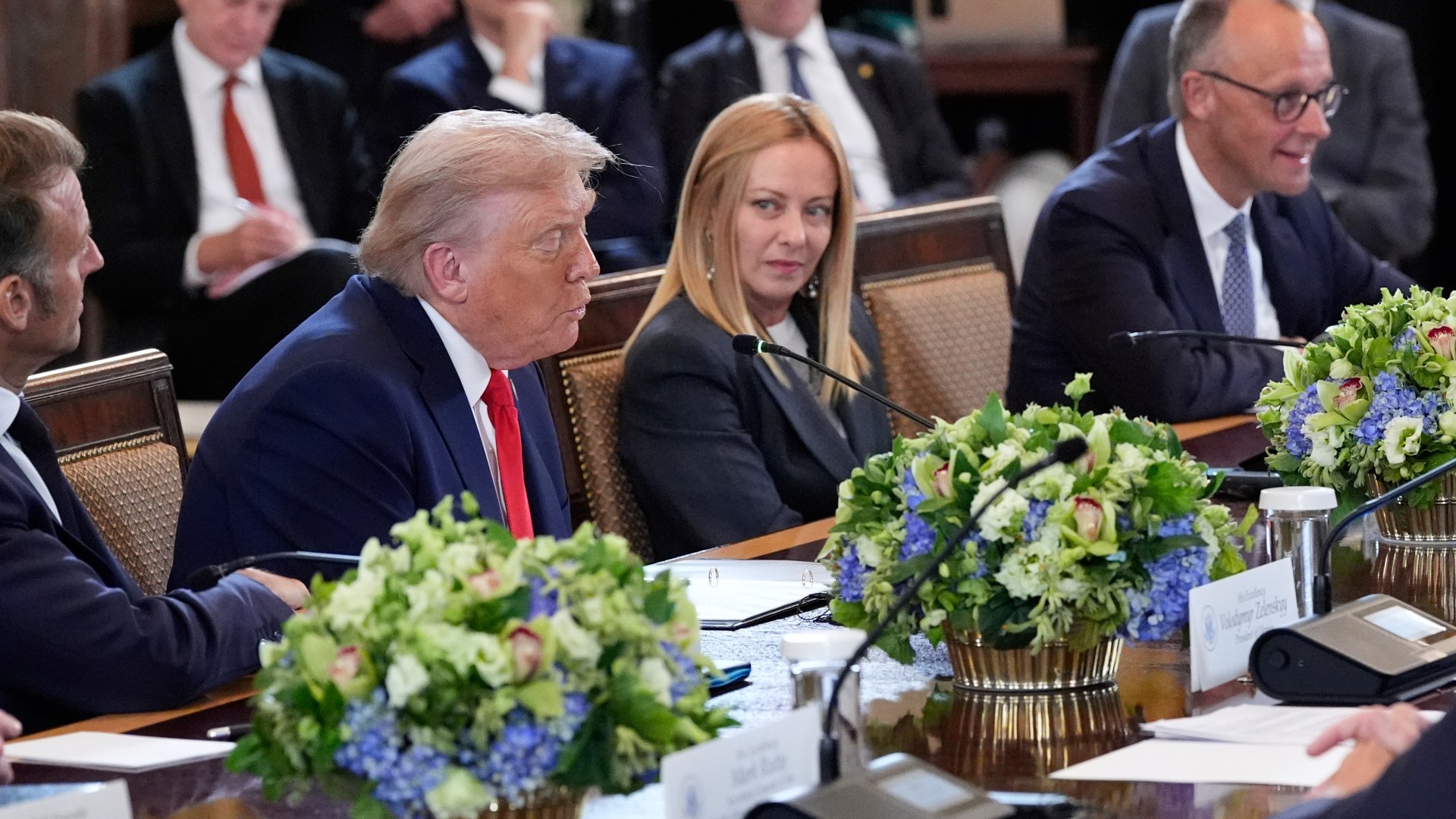
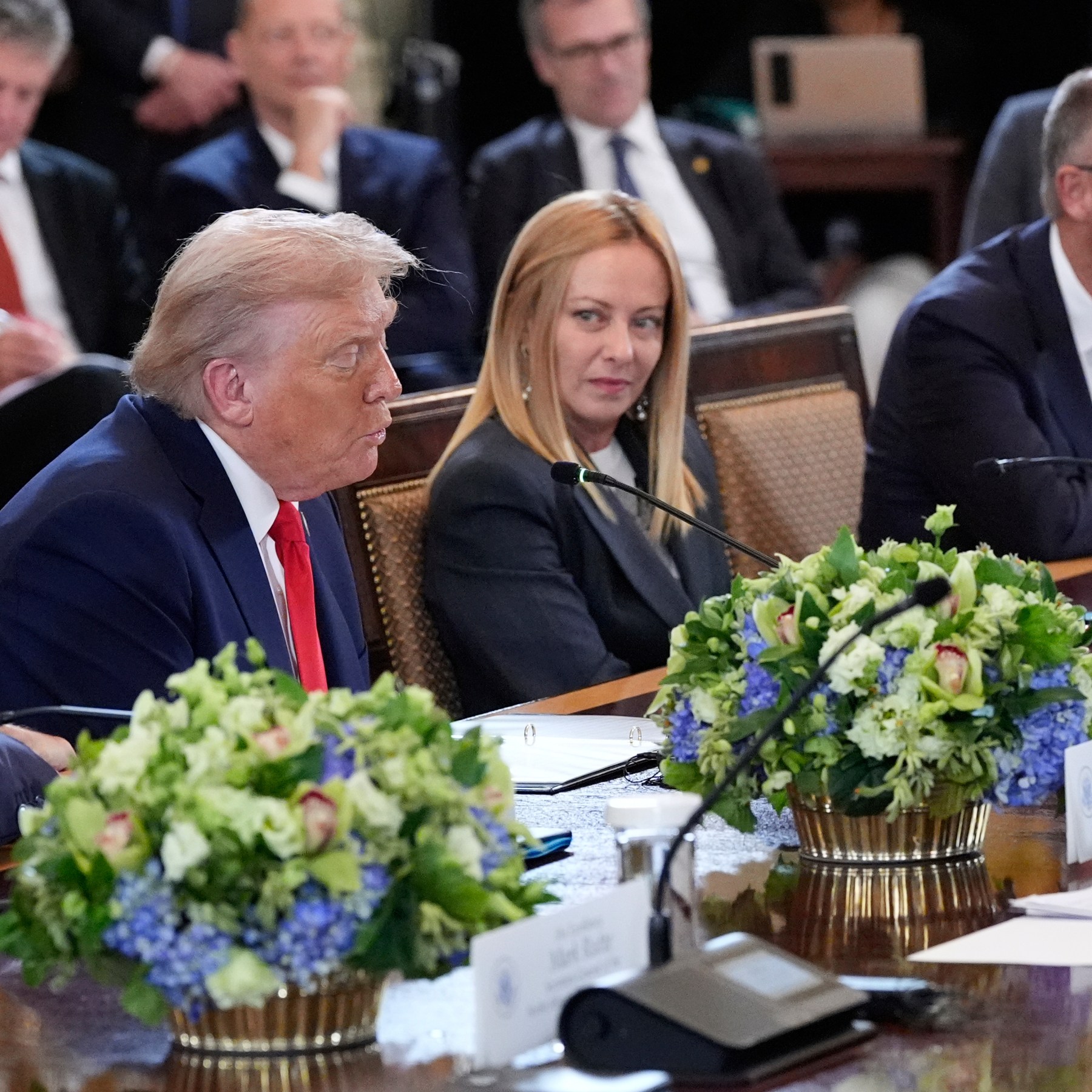
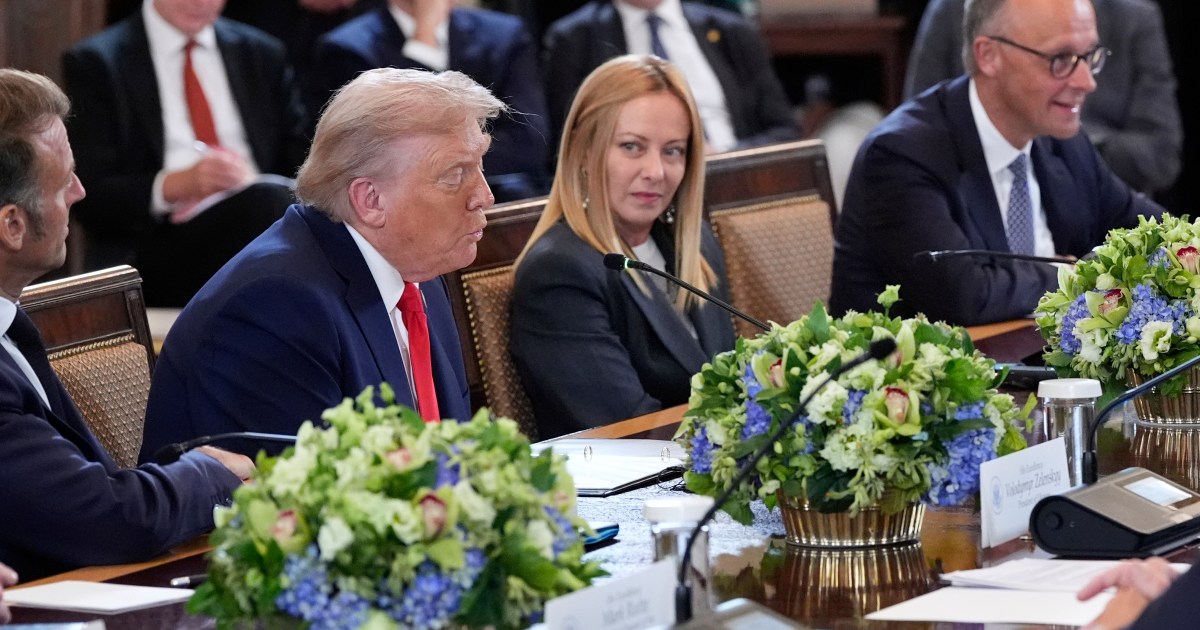
At the January 2025 inauguration of United States President Donald Trump, only one European leader was on the guest list – Giorgia Meloni, Italy’s right-wing prime minister. The month before, she had been pictured holding an intimate tete-a-tete with Trump in the dining room of the Elysee Palace, where France’s President Emmanuel Macron was hosting a celebration for the reopening of the Notre Dame Cathedral in Paris.

From the very start of Trump’s second term as US president, Meloni – once at the fringe of Italian politics with her particular brand of neoliberalist, far-right views – was seen as the “chosen one”, the European leader Trump said he could work with to “straighten out the world a little bit”. He affectionately referred to her as “a real live wire” during her visit to the White House in April last year – once again, the first European leader to make the trip after Trump announced sweeping global trade tariffs.

Meloni lapped it up. Presenting herself to the world as the only European who could de-escalate Trump’s trade war, she called him a “brilliant man” and asserted that, with him, she would “make the West great again“.

A little over a year later, that bonhomie now stands punctured – with Trump’s war on Iran the trigger.

“When we don’t agree, we must say it. And this time, we do not agree,” she said last weekend, of the US-Israeli war on Iran, during her visit to the Gulf region – the first by a Western leader since the start of the war.

Along with the Italian authorities’ refusal to allow US bombers to refuel at a military base in southern Italy a week before, Meloni’s words were the starkest sign yet that she is finally saying “No” to Donald Trump.

“She wanted to play the role of the bridge between Trump and European allies, and this initially looked like a good idea,” said Roberto D’Alimonte, a professor of political science at Luiss University in Rome. “But today it has become a liability and she is trying to correct this.”

With the start of the US-Israeli war in Iran, Meloni’s delicate balancing act of appeasing Trump while dealing with the political and economic fallout of a war over which the country had not been consulted quickly became a major headache.

Polls show that a solid majority of Italians are against the war in Iran, particularly as a result of soaring energy prices it has triggered, and the proportion of those who hold a positive view of Trump has plunged from 35 to 19 percent. Meloni faces key elections in Italy next year, analysts note, so this cannot be ignored.

Last month, voters turned out in large numbers to reject a referendum on judicial reform proposed by Meloni, in a poll which analysts say was more about expressing disapproval for Meloni and her unwavering support for an increasingly erratic American president.

Voters aged 18-34 voted against her proposals by 61 percent. It was the first big defeat for Meloni, who, since coming to power, has led a largely stable coalition – unusual for typically turbulent Italian politics.

“The result of the referendum is partly to be attributed to the fact that many young people voted against it, not so much because of the merits of the referendum’s object but because of the situation in the Middle East, her lack of clear criticism towards Trump’s world vision that relies on force rather than the rule of law – these people went to the polls,” said Ettore Greco, vice president of the Rome-based think tank Istituto Affari Internazionali (IAI).

The war in Iran is not just a political matter for Italy – there are major economic concerns as well.

The country is especially vulnerable to the increase in energy prices due to the ongoing conflict that is rattling markets across Europe. After Germany, Italy is the European Union’s second-largest natural gas consumer, relying on the fuel for about 40 percent of its energy needs. But about a fifth of the world’s energy exports are currently stuck in the Gulf as Iran has brought traffic through the Strait of Hormuz to a near-total halt following US-Israeli attacks.

Last week, citing the fallout from the war, the government drew the ire of Italian businesses when it slashed funds for a programme designed to support investment; the Bank of Italy forecast that the Italian economy would grow by 0.5 percent this year and the following one, cutting previous estimates. And, in yet another setback, the national statistics institute in Rome reported that the country’s deficit had breached the EU’s limit of 3 percent, meaning that it still can’t exit the bloc’s infringement procedure, which would have provided Meloni more fiscal flexibility ahead of elections next year.

This is unlikely to be the complete end of Meloni’s overtures towards the US president, however.

Her desire to find a balance between condemning Trump for his aggressive foreign policy while maintaining warm ties with him has been evident in her mild declarations. In mid-March, she ruled out sending military vessels to the Strait of Hormuz despite Trump’s demand to do so, aligning herself with the positions of other European countries. But, at the same time, she has not condemned the US-led conflict outright.

Extricating herself from the clutches of Donald Trump will, after all, take some doing.

“This is a woman who is very cautious, pragmatic and politically skilled,” D’Alimonte said. “She is not going to put all eggs in one basket… She will still straddle the line and move more towards European allies – step by step until she can distance herself without breaking relations.”