huffpost Press
The Supreme Court Just Gave A Big Gift To Free Speech Warriors
Images
1 / 4
2 / 4
3 / 4

4 / 4
A Supreme Court decision from last week, in which justices ruled that a law banning conversion therapy for minors violated the free speech rights of a conservative therapist, is raising alarm with First Amendment scholars who say there could be sweeping implications in a variety of health care settings.

Beyond putting LGBTQ+ protective laws at risk of being overturned, the court’s decision could upend the authority of state medical boards to regulate forms of health care where speech is involved — such as talk therapy, telehealth and physician advice on a variety of topics, including vaccines.

“What could happen is now a bunch of laws are subject to First Amendment attack that weren’t subject to First Amendment attack on Tuesday,” Luke Smith Morgan, an assistant professor of law at Campbell Law School in North Carolina, told HuffPost.

Colorado’s Minor Conversion Therapy Law, which was enacted in 2019, blocks licensed mental health providers from any therapy that attempts to change a child’s sexual orientation or gender identity. Plaintiff Kaley Chiles, a licensed Christian therapist, challenged the law, arguing that the state barred her from counseling minors who voiced a desire to “resist same-sex relationships” or who did not want to be trans. Unlicensed religious counselors are exempt from regulation.

The law was enacted to protect kids from so-called conversion therapy practices, which have been discredited by major medical and mental health organizations. LGBTQ+ youth and adults who were subjected to these practices experienced lasting harm, including higher rates of suicidality, depression and anxiety, according to the American Psychological Association and the American Psychiatric Association. Twenty-three states and Washington, D.C., have outlawed conversion therapy.

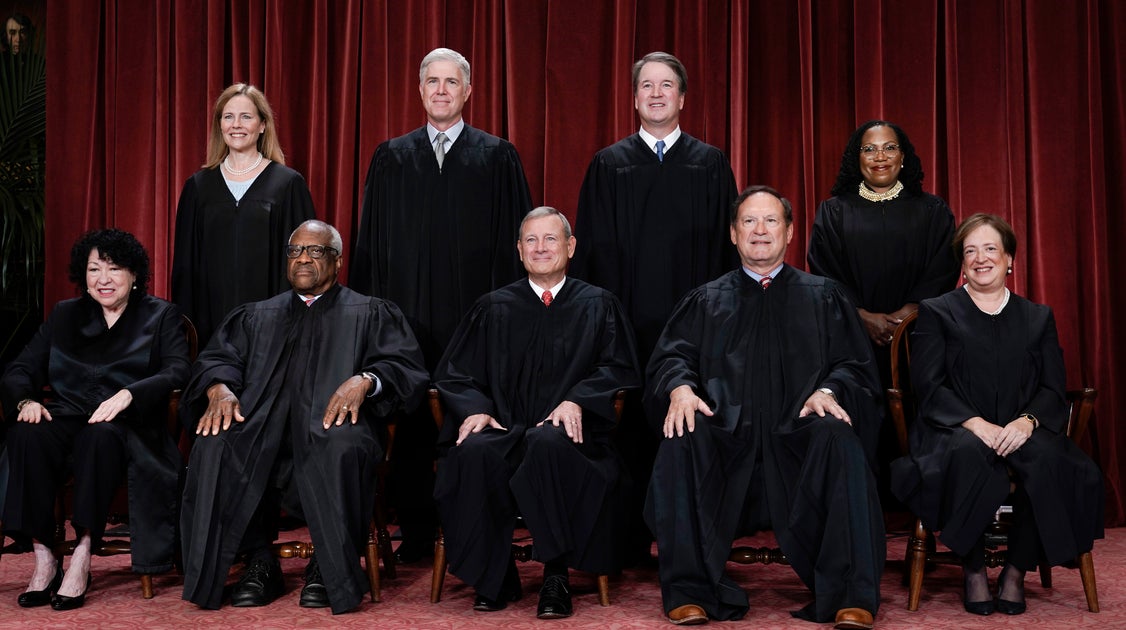
But in an 8-1 decision, the Supreme Court justices embraced Chiles’ argument that Colorado’s law regulates speech based on viewpoints, and therefore violates the Constitution. They sent the case, Chiles v. Salazar, back to the 10th Circuit for further arguments and required the court to use strict scrutiny review, the most stringent judicial review process.

“The First Amendment stands as a shield against any effort to enforce orthodoxy in thought or speech in this country,” Justice Neil Gorsuch wrote in his majority opinion, essentially declaring that speech in professional settings should not be treated differently from other types of speech.

Legal experts fear that Colorado may not be able to satisfy this higher level of scrutiny and that the decision could threaten similar conversion therapy bans across the country, including some that have been around for more than a decade.

“Certainly after this case, the states that have adopted affirmative prohibitions on conversion therapy are going to have First Amendment challengers at the door — and those challenges will likely be successful,” Smith Morgan said.

The court saying that talk therapy is considered “speech” rather than professional conduct, and that Colorado’s ban was based on a “viewpoint,” could dramatically reshape how state medical boards regulate many types of health care and professional licensing processes altogether.

In her dissenting opinion, Justice Ketanji Brown Jackson cautioned that the country is now on a “slippery slope” in which medical practitioners could start “wielding their newfound constitutional right to provide substandard medical care.”

“That’s sort of the implication of the opinion — that the state can’t regulate therapists at all,” said Laura Portuondo, a constitutional law professor at the University of Houston Law Center.

Mental health professionals in California and New Jersey have attempted to challenge telehealth laws that bar clinicians from treating people in other states, citing First Amendment concerns that these laws restrict them from speech — as in, having conversations with clients.

The Chiles ruling could now help bolster their claims.

Similarly, lawyers from Children’s Health Defense, the anti-vaccine organization founded by Health Secretary Robert F. Kennedy Jr., applauded the Chiles decision, saying the ruling could “positively affect” legal challenges to laws barring doctors from spreading misinformation about COVID-19.

If any therapist or doctor is now able to claim a First Amendment violation because of licensing requirements, experts noted, then medicine and other industries are effectively “unregulatable,” which could spell untold ramifications for the quality of professional care in the United States.

The decision is the latest blow to LGBTQ+ advocates — and signals a larger pattern by the Supreme Court’s 6-3 conservative majority to favor the free speech claims of Christian conservatives and disfavor anti-discrimination protections.

The court has become “highly deferential to red states” Portuondo said, and has, in recent years, issued decisions that roll back many of the major legal protections enacted for LGBTQ+ people and women since the court ruled in favor of same-sex marriage more than a decade ago.

“When you zoom out and look at all the cases together, you see the way that the ambiguities in the doctrine are always resolved in favor of states, governments or people who want to enforce traditional gender norms,” Portuondo said. “[These cases are] resolved against those who want to defy them or live in ways that counter those gender expectations.”

By entering your email and clicking Sign Up, you're agreeing to let us send you customized marketing messages about us and our advertising partners. You are also agreeing to our Terms of Service and Privacy Policy.