yahoo Press
Korean battery makers adapt to falling US BEV demand
Images
1 / 4
2 / 4

3 / 4

4 / 4
South Korean battery manufacturers bet heavily on the future growth of the North American electric vehicle (BEV) market, as they aimed for a significant slice of the global EV supply chain. The three main manufacturers, including LG Energy Solution (LGES), SK On Company and Samsung SDI Company, announced combined investments of around US$45 billion for the North American region alone between 2021 and 2025. They intended to build standalone battery plants and establish battery manufacturing joint ventures with locally-based automakers, as well as battery materials and component production facilities.

The battery manufacturers looked to make the most of the incentives introduced by the previous US administration of former President Joe Biden, under the Inflation Reduction Act (IRA), including tax credits for the production of advanced batteries and related components/materials under the Advanced Manufacturing Production Credit (AMPC) programme, while consumer tax credits were also made available to incentivise BEV purchases.

BEV sales in the US have fallen sharply in the last six months, following the discontinuation by the Trump administration of the consumer tax credits, which were worth up to US$7,500 for each BEV purchase, at the end of September last year. BEV sales in the US continued to decline sharply in the first two months of 2026, by an estimated 28% to around 135,000 units. While demand has shifted to a significant extend to hybrid electric vehicles (HEVs), these vehicles use batteries that are much smaller and less critical than those used for BEVs.

Major US-based vehicle manufacturers, including GM, Ford, Stellantis, and Honda, have booked huge financial charges on their balance sheets in recent quarters, as they rolled back their BEV strategies and production plans in favour of more petrol and hybrid electric vehicle (HEV) models. The latest announcement came from Honda, of a US$16 billion charge mostly to cover restructuring costs after it decided to cancel three BEV models that were scheduled to go into production in the US.

GM also recently booked an US$8 billion charge to scale back its US BEV programme, while Ford announced over US$19 billion in special charges as it cut back its BEV programme. The largest charge so far was by Stellantis, which announced a huge US$ 26 billion charge for the second half of 2025 to roll back its aggressive BEV strategy in favour of petrol and hybrid vehicles.

A significant proportion of these charges relate to automakers reducing their exposure to battery manufacturing, mainly by exiting their joint ventures with mostly South Korean companies or by transferring ownership of some of their jointly owned plants to their partners. These moves also partly reflect the rapidly changing and diverse battery technologies that are coming on the market, allowing vehicle manufacturers more freedom to adopt a broader range of battery technologies.

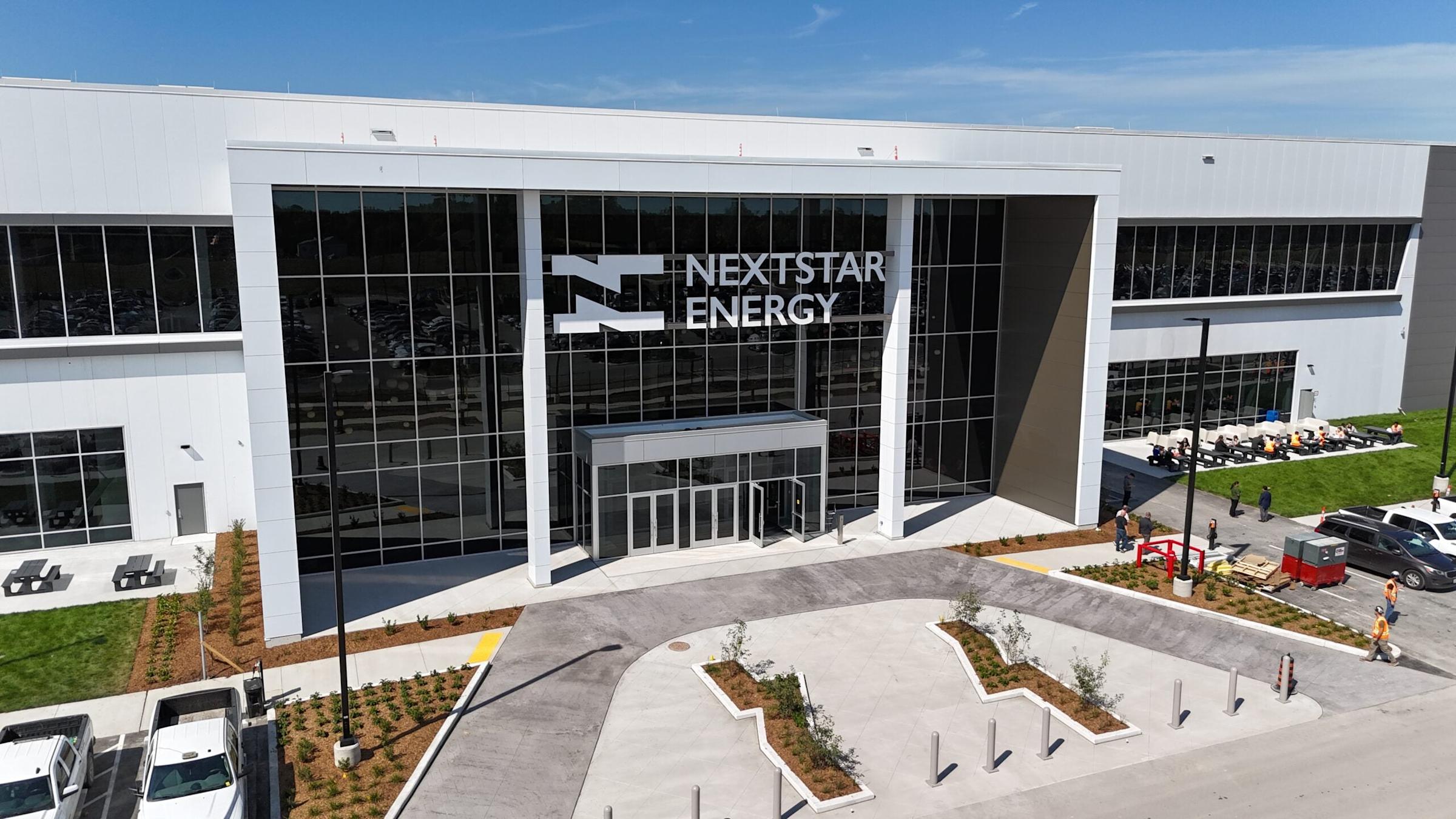
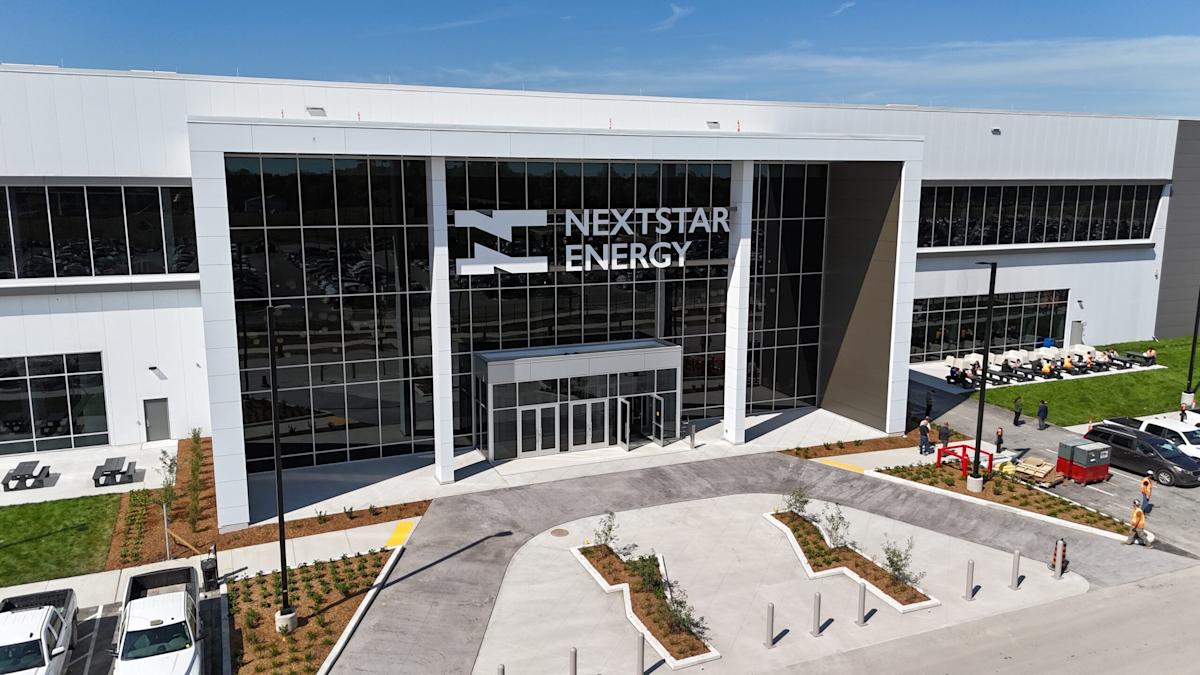
One of the most recent examples of the industry’s restructuring was Stellantis’ decision to withdraw from its CAD$5 billion NextStar Energy joint venture with LGES in Canada, with the automaker now also weighing up exiting its StarPlus Energy US battery joint venture with Samsung SDI.

GM too, has partially withdrawn from its Ultium Cells LLC battery joint venture with LGES, having agreed last December to sell its share in a near-completed plant in Lansing, Michigan, back to its partner. The automaker has also dropped plans to use the Ultium brand for its BEV powertrains and has reduced its purchasing commitments from the joint venture. Ultium Cells recently began operations at its newly built plant in Tennessee, producing batteries for energy storage systems (ESS).

GM’s Indiana-based battery joint venture with Samsung SDI remains in place, however, but is being scaled back to cut costs.

Ford and SK On have agreed to dissolve their BlueOval SK battery joint venture and divide the assets, with Ford taking control of two plants in Kentucky and SK On taking the Tennessee plant. Honda too is looking to dissolve its L-H Battery Company joint venture with LGES, after it significantly cut back its BEV programme. SK On also has a battery joint venture in the US with Hyundai, producing battery cells at a plant in Bartow County, Georgia.

While automakers and battery companies mostly agree that US demand for BEVs will grow significantly in the long-term, they also concede that there are too many policy headwinds at present to make long-term commitments. The lack of long-term visibility with regard to BEV regulations, with the US’ two main political parties significantly at odds in terms of environmental policies, makes it difficult to put in place long-term industrial plans. In the last year, many battery manufacturers have been repurposing existing EV battery operations to focus on supplying ESS batteries, which is seen as a largely untapped market segment supporting energy grid stabilisation, renewable energy projects, robots and autonomous , and AI data center power infrastructure.

"Korean battery makers adapt to falling US BEV demand" was originally created and published by Just Auto, a GlobalData owned brand.


The information on this site has been included in good faith for general informational purposes only. It is not intended to amount to advice on which you should rely, and we give no representation, warranty or guarantee, whether express or implied as to its accuracy or completeness. You must obtain professional or specialist advice before taking, or refraining from, any action on the basis of the content on our site.