huffpost Press
The Disaster That Predicted Trump's Iran Blunder
Images
1 / 9

2 / 9
3 / 9
4 / 9
5 / 9
6 / 9
7 / 9
8 / 9

9 / 9
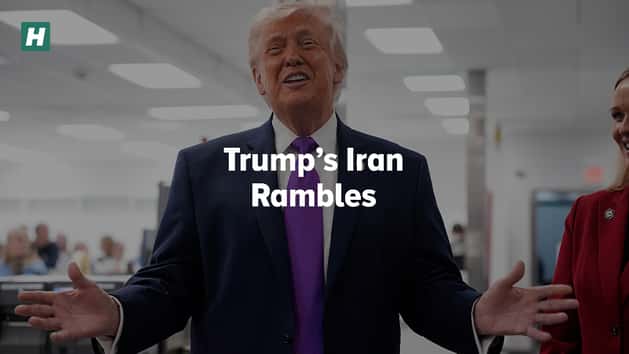
“How do you like the performance?” President Donald Trump asked ABC News’ Jonathan Karl in early March during one of the many phone conversations Trump held with reporters as he hoped to explain his decision to start a war with Iran. Karl, in his social media post about the call, said the public has many concerns about what happens next.

Trump replied: “Forget about ‘next.’”

We’ve all seen this performance before.

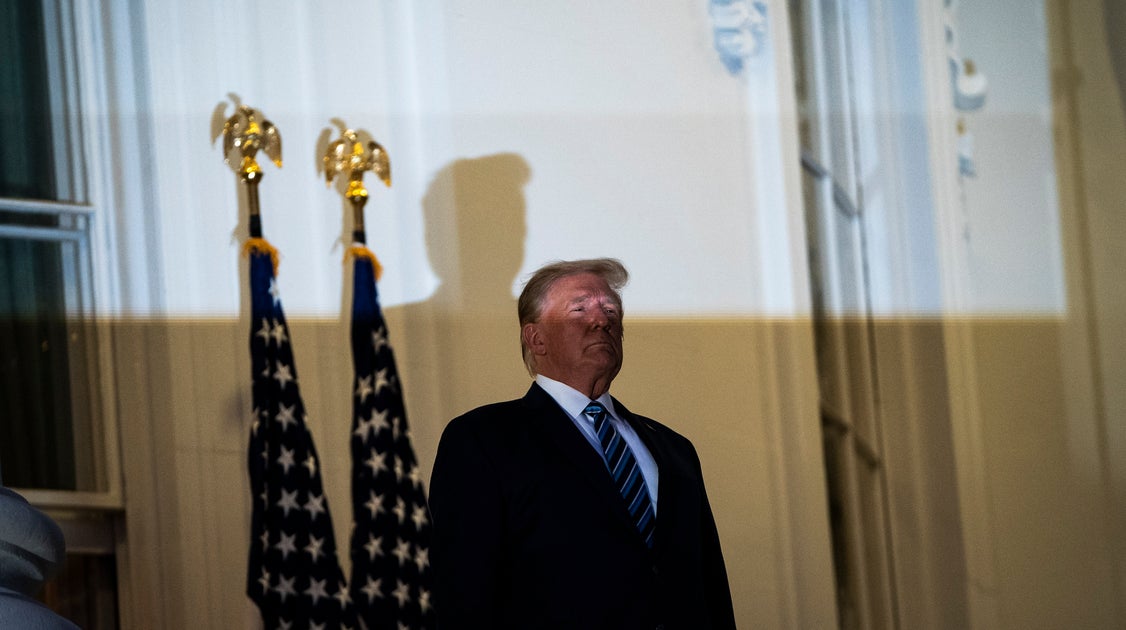
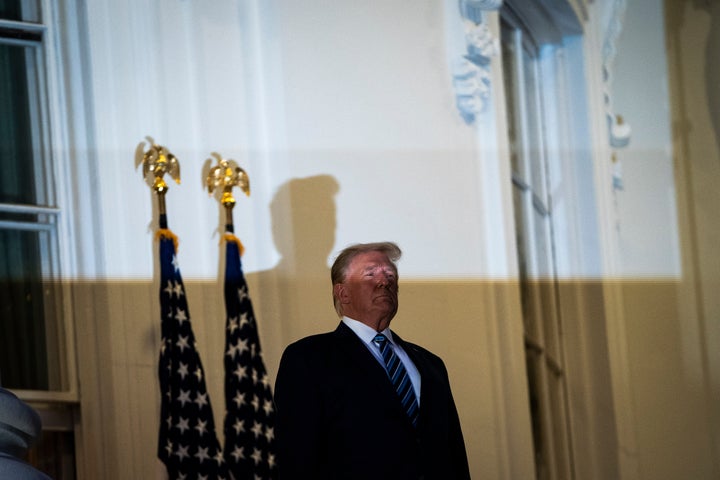
When the COVID-19 virus began to spread in early 2020, Trump responded to his first real emergency by revealing that he was completely out of his depth.

Starting in January 2020, Trump declared that COVID was “totally under control,” claiming, “It’s one person coming in from China.” He continued to downplay the virus in February, stating that infections were “going down, not up,” and that the stock market was “starting to look very good to me!” It would just “go away” by spring, he said. But then, once reality set in after the nationwide shutdown began on March 13, he claimed that he always knew how bad it would get.

“I’ve always known this is a — this is a real — this is a pandemic. I’ve felt it was a pandemic long before it was called a pandemic,” Trump said on March 17, 2020.

It was a dangerous performance, even from a president already known to be erratic and disinterested in the hard work of leadership. But that was a global health crisis no one could avoid, and few politicians anywhere had good answers for it.

This time, the global crisis comes from Trump’s own hands, but his “performance” is much the same as well — with contradictory statements, absurd solutions, a refusal to take responsibility and a general indifference to death.

The war’s length is a subject of ever-shifting time frames for Trump — much like his declarations that COVID would “disappear” soon. He initially claimed that the war — which has now gone on for more than one month — would be over in four to five weeks. Or maybe not.

The war was already “very complete, pretty much,” he said on March 9. Contradicting himself again, he said that the war wouldn’t end until there was “unconditional surrender” or that he’ll decide to end it, “when I feel it, feel it in my bones.” On March 19, Trump threatened to bomb Iran’s energy infrastructure, but two days later, he declared that the war was “winding down.” Then he said the “war has been won,” as bombs continued to fall across Iran.

A month into the war, Trump claims that he is making “great progress” in negotiations with Iran. Iranian leaders, however, claim that no such negotiations are taking place.

During COVID, his administration did little to prepare for what would soon come – failing to stock up on tests and to plan a community testing regimen while focusing solely on propping up the market with cartoonishly positive assertions. Two years earlier, he had purged the pandemic preparedness group in the National Security Council.

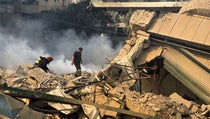
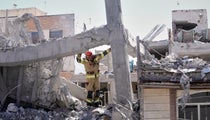
Similarly, Trump sidelined experts and failed to properly plan for the inevitable: Iran’s closure of the Strait of Hormuz, which carries 20% of the world’s oil supply.

The State Department’s oil and gas experts were all fired in 2025 during DOGE’s rampage through the federal bureaucracy, removing critical expertise for this very moment. DOGE cuts to the State Department also made it impossible for the agency to help Americans who were urged to flee Gulf states now under attack by Iran.

Briefings by the Treasury and Energy Departments about the impact of a closure of the Strait of Hormuz were “secondary considerations” prior to launching the war, according to CNN. The same went for warnings from Joint Chiefs of Staff Chairman Dan Caine, according to the Wall Street Journal.

Trump, meanwhile, claimed to be “shocked” that Iran retaliated by attacking Gulf Arab states with missiles and drones, further damaging energy infrastructure, even though he had reportedly been briefed on it.

The result has been a slow creeping energy shock that could rival or surpass the 1970s shocks that led to oil shortages, rationing and gas station lines if the war continues to rage.

Crude oil prices have already skyrocketed by 40% to reach above $100 per barrel, while gas prices are up around 35% on average around the country. Energy experts believe the market is being too optimistic with its pricing and that oil could soar to $200 per barrel if the war goes on through April. The International Energy Agency called on consumers to reduce their energy consumption on Friday in order to deal with the “largest supply disruption in the history of the oil market.”

In response to this crisis-of-his-own-making, Trump offers absurd solutions just as he suggested people inject “disinfectant” to cure COVID or to stop testing to make the infection numbers go down.

After a year of insulting, threatening to invade and tariffing U.S. allies, Trump urged them to come to the rescue and escort ships through the strait. Every major country rejected this absurd request. Afterward, he claimed “we don’t need” the Strait of Hormuz, but “it would be nice” for countries that rely on the oil that transits it to fix the problem he created.

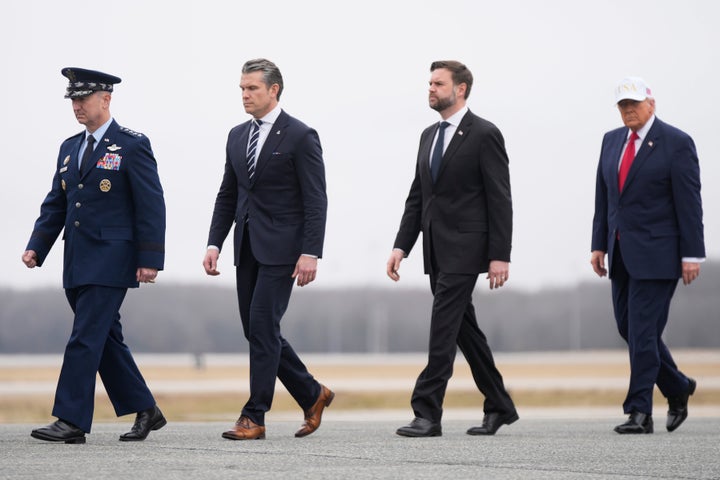
The administration is also toying with the idea of invading Iran to seize Kharg Island, which is a vital hub for Iran’s oil export industry. This comes after Trump claimed, “I’m not putting troops anywhere.” He has moved 5,000 Marines into the region. Or, perhaps he’ll just leave the mess for someone else to clean up.

“[B]uild up some delayed courage, go to the Strait, and just TAKE IT,” Trump posted on social media, addressing European and Asian countries. “Iran has been essentially decimated. The hard part is done. Go get your own oil!”

While this kakistophic performance echoes Trump’s blundering during COVID, the crisis is wholly different. War isn’t like a public health epidemic, just as illness isn’t a metaphor for war. War is a human endeavor that can only be started and ended by humans. No mRNA vaccine is on its way to end the crisis. That will require Trump to take responsibility for his own actions.

By entering your email and clicking Sign Up, you're agreeing to let us send you customized marketing messages about us and our advertising partners. You are also agreeing to our Terms of Service and Privacy Policy.