yahoo Press
A woman found out she won't inherit her husband's $2M trust. Here's what The Ramsey Show recommends
Images
1 / 4
2 / 4

3 / 4

4 / 4
Eileen’s husband currently receives a trust check every quarter. But the couple, both in their 60s, recently discovered that if he dies before she does, Eileen won’t inherit his share. Rather, the $2 million trust will pass on to the couple’s daughter, who is next in his family’s bloodline.

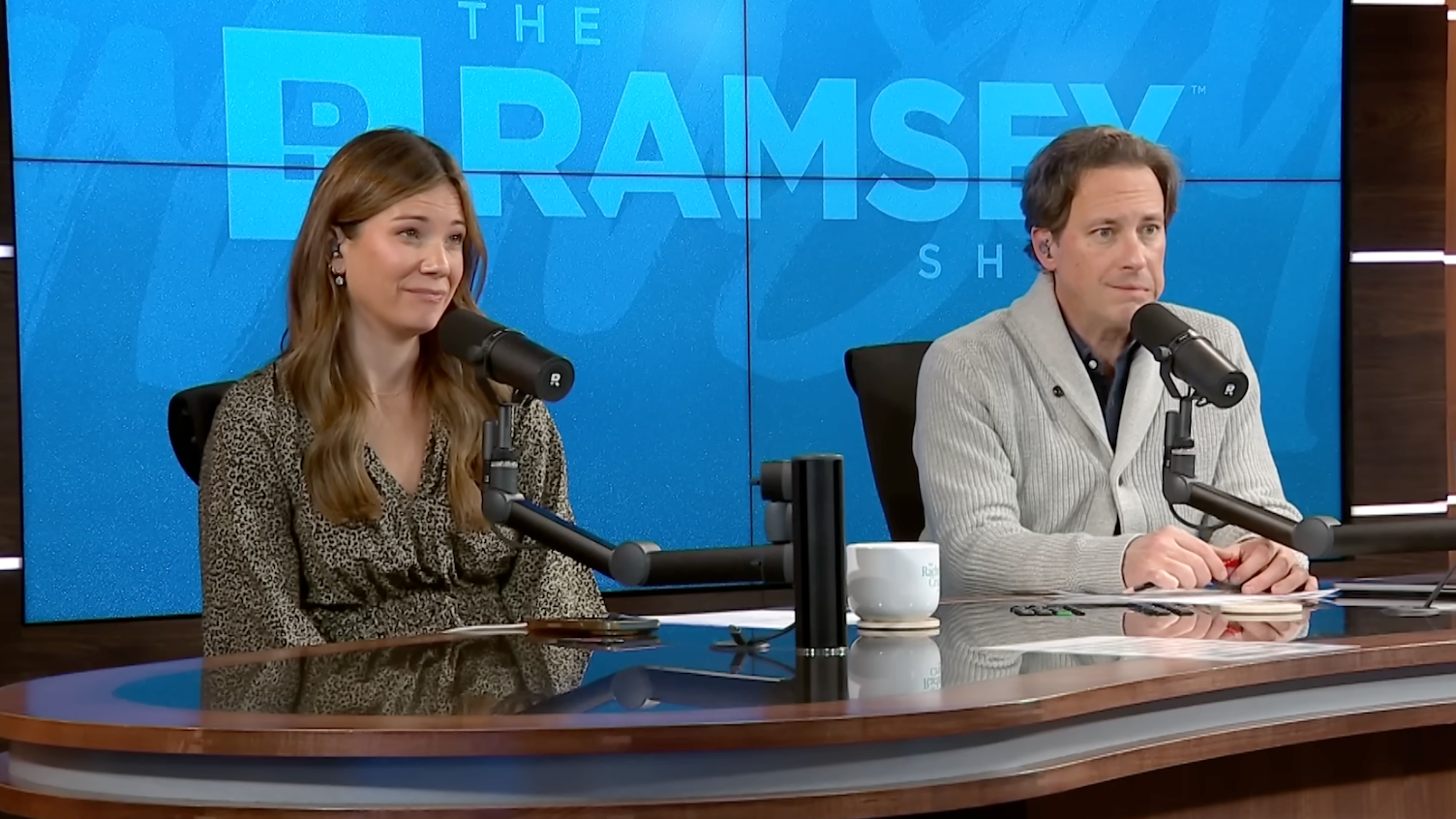
Eileen will receive nothing. “We’re just wondering if it would be ethical for us to ask her to split the inheritance if he pre-deceases me,” Eileen, who lives in Albany, NY, asked during a recent episode of The Ramsey Show (1).

Thanks to Jeff Bezos, you can now become a landlord for as little as $100 — and no, you don't have to deal with tenants or fix freezers. Here's how

Dave Ramsey warns nearly 50% of Americans are making 1 big Social Security mistake — here’s what it is and the simple steps to fix it ASAP

Robert Kiyosaki begs investors not to miss this ‘explosion’ — says this 1 asset will surge 400% in a year

But The Ramsey Show hosts tell Eileen that asking their daughter for a cut of her inheritance feels “gross.” Here’s what the couple could do instead (and what they should have done earlier).

Bloodline trusts, also called dynasty trusts, are used to protect family wealth — particularly as blended families become more commonplace. But most people have no idea these trusts exist or what they actually mean for a surviving spouse’s financial security.

While about 1.8 million Americans got divorced in 2023, two-thirds of divorced Americans marry again, according to an analysis from Pew Research Centre (2). And more than one in five (21.2%) U.S. couples who live together have children from a previous relationship, according to U.S. Census Bureau data (3).

A trust bypasses the probate process and creditors can’t go after trust assets. A bloodline trust, more specifically, can also preserve family wealth for direct descendants (the bloodline), such as children and grandchildren, so assets stay in the family (4).

Once the trustor (the person who creates the trust) passes away, the trust becomes irrevocable. In other words, the terms are set in stone and it can’t be modified in any way.

A bloodline trust is designed to protect family wealth from, say, a spouse who divorces a direct descendent and then remarries someone else. That way, the family’s assets won’t be diverted to the new spouse or stepchildren.

However, it also disinherits a beneficiary’s spouse and other loved ones, simply because they don’t share the same blood.

It can also backfire. For example, if a couple has two children — one is adopted — the ‘bloodline’ child would inherit the family wealth and the adopted child would receive nothing.

Read More: 5 essential money moves to make once you’ve saved $50,000

In most states, a surviving spouse has elective share rights (typically 30% to 50% of the estate) that can override a will — a law intended to safeguard the surviving spouse from being left with nothing (5).

But bloodline trusts are structured to avoid this. Many spouses, like Eileen, may not realize they don’t have a legal right to those assets. And there’s nothing her husband can do about it, either. As a beneficiary, he can’t alter the trust or name other beneficiaries.

So should they ask their daughter, who is now 24, for a cut — if the situation comes to pass?

“I personally would feel gross about doing that,” said Ramsey co-host Ken Coleman.

Ideally, the couple would have purchased life insurance long ago to ensure the surviving spouse would be well taken care of (premiums are typically more expensive if you buy insurance later in life). Life insurance provides a guaranteed, tax-free death benefit with immediate liquidity (it doesn’t go through probate).

But, Eileen and her husband had been counting on the trust money instead. Currently, they have about $350,000 in savings, including 401(k)s, with about $99,000 left to pay on their mortgage. Both plan to keep working during their 60s.

“Whatever you guys can do over the next seven to 10 years to invest a lot of money, that’s going to help you be far more comfortable in your 70s and 80s,” said Coleman.

For example, instead of asking their daughter for a cut of her inheritance in the event of her father’s death, they could take the trust money he’s already receiving each quarter and put it into an account in his wife’s name.

Coleman says their focus should be on investing as much as they can at this stage, which will “turn into a sizable chunk” and provide his wife with a comfortable retirement — should she outlive him — without having to rely on his family’s bloodline trust.

Taxes are going to change for retirees under Trump’s ‘big beautiful bill’ — here are 4 reasons you can’t afford to waste time

Vanguard reveals what could be coming for U.S. stocks, and it’s raising alarm bells for retirees. Here’s why and how to protect yourself

Turning 50 with $0 saved for retirement? Most people don’t realize they’re actually just entering their prime earning decade. Here are 6 ways to catch up fast

Robert Kiyosaki issues grim warning for baby boomers. Many could be ‘wiped out’ and homeless ‘all over’ the country. How to protect yourself now

Join 250,000+ readers and get Moneywise’s best stories and exclusive interviews first — clear insights curated and delivered weekly. Subscribe now.

We rely only on vetted sources and credible third-party reporting. For details, see our editorial ethics and guidelines.

The Ramsey Show via YouTube (1); Pew Research Center (2); United States Census Bureau (3); Trust & Will (4); Sallen Law, LLC (5)

This article provides information only and should not be construed as advice. It is provided without warranty of any kind.