yahoo Press
First-ever welded 3D-printed metal part installed on US Navy’s nuclear submarine
Images
1 / 10
2 / 10

3 / 10

4 / 10

5 / 10

6 / 10
7 / 10

8 / 10

9 / 10

10 / 10
Portsmouth Naval Shipyard has reached a milestone that the U.S. Navy has been working toward for years: the first-ever welded, certified, 3D-printed metal component installed aboard an operational nuclear-powered attack submarine.

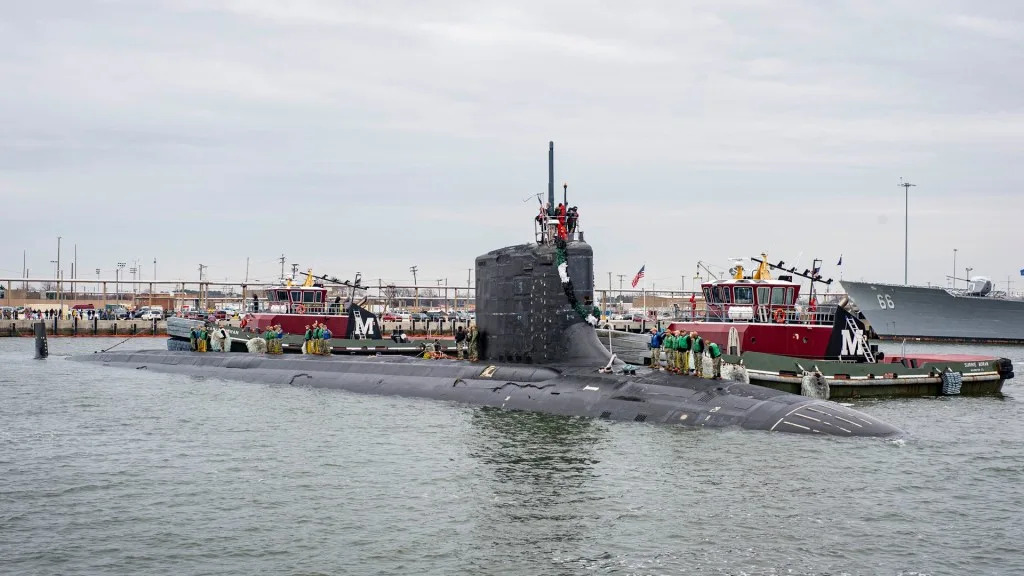
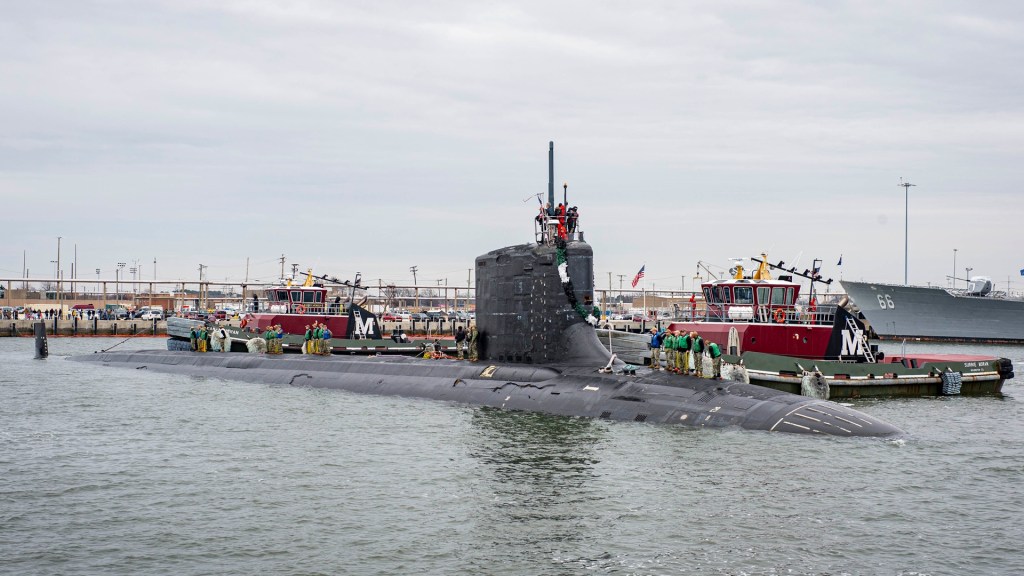
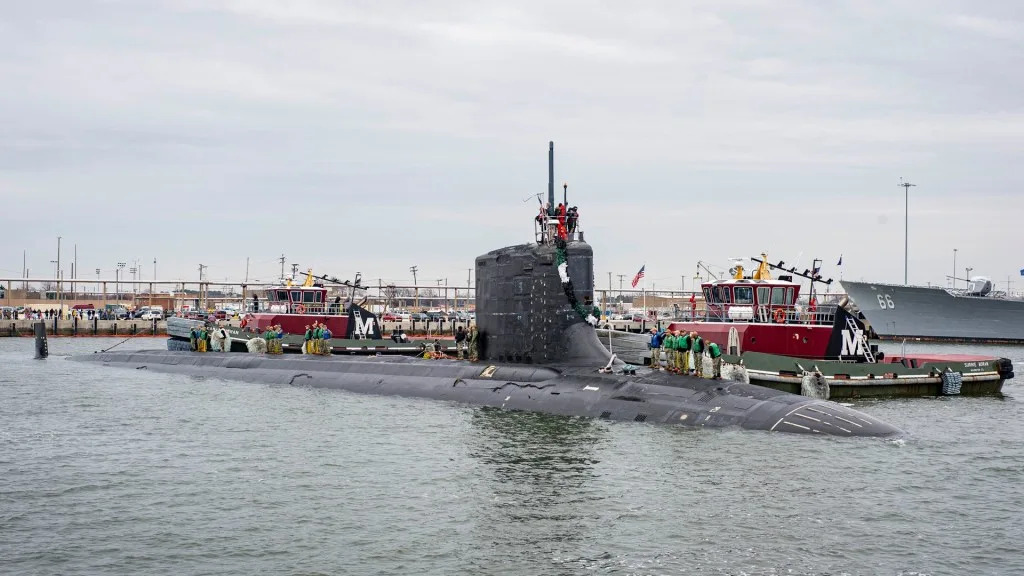
The component, a copper-nickel flange for the submarine's piping system, was installed on the USS Washington (SSN-787), a Virginia-class fast-attack submarine, on March 18 at the Kittery, Maine shipyard. Inspection and testing finished on March 9, leaving just nine days between final certification and installation.

The Navy says this short timeline shows that additive manufacturing can be a fast and effective maintenance tool for the submarine fleet.

A flange is a connection interface that links piping to equipment onboard. Copper-nickel is used in submarine piping for its exceptional resistance to seawater corrosion and biofouling. Certifying a 3D-printed version of this part for a nuclear submarine is complicated.

The part must meet the same strict safety and performance standards as a traditionally made one, and the weld joining it to the piping must withstand pressure changes and long exposure to seawater.

This installation is unique not just because a 3D-printed metal part was used—earlier milestones include a ventilation diffuser on an Ohio-class ballistic missile submarine and a stainless-steel handwheel printed aboard a submarine tender and installed on USS Vermont under the AUKUS framework.

This is the first time a 3D-printed metal component has been welded and certified for an in-service submarine within a public naval shipyard, establishing a qualification baseline that can be replicated and scaled across the naval maintenance system.

To achieve certification, engineers at Portsmouth Naval Shipyard conducted a full weld qualification on the additively manufactured copper-nickel material

This process differs significantly from welding traditionally wrought or cast metal because 3D-printed metals have different microstructures and respond differently to heat.

The team validated that the weld joint would withstand the operational conditions the submarine encounters at depth.

The urgency behind this development shows a serious industrial crisis. Since the 1980s, the submarine industrial base has shrunk by more than 70 percent, from about 17,000 suppliers to around 5,000, even as production demand has risen sharply.

The Navy now builds two Virginia-class submarines and one Columbia-class ballistic missile submarine each year, putting pressure on the supply chain. Some Virginia-class subs are a year or more behind schedule.

Traditional supply channels for parts like flanges can take months or years, but 3D-printed parts can be made and approved in days.

The Navy has invested $2.3 billion to grow and strengthen the submarine industrial base, naming additive manufacturing as one of five key focus areas. Earlier in 2025, 3D printing cut lead times for some parts by up to 70 percent across the fleet.

Commissioned on October 7, 2017, USS Washington is a Block IV Virginia-class submarine. It can perform anti-submarine warfare, anti-surface ship operations, intelligence gathering, surveillance, and precision strikes.

The Virginia class is built through a partnership between HII's Newport News Shipbuilding and General Dynamics Electric Boat.

The qualification process completed at Portsmouth now establishes a precedent for certifying additional additive-manufactured components across the submarine fleet — and provides a replicable template for expanding the range of approved 3D-printed parts that can be welded into operational submarines going forward.