buzzfeed Press
"Black Burns Fast:" Director Sandulela Asanda Sits Down With Us To Talk About Their Debut Film
Images
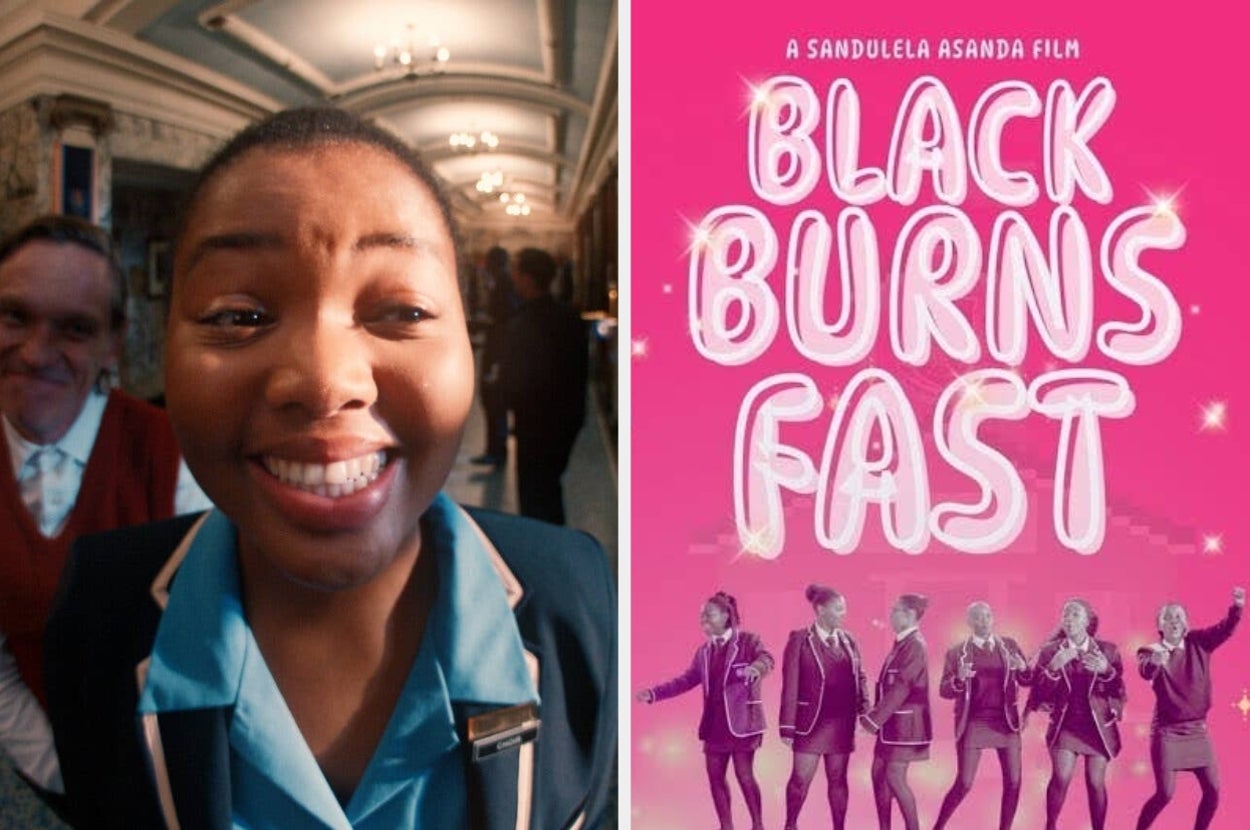
1 / 9
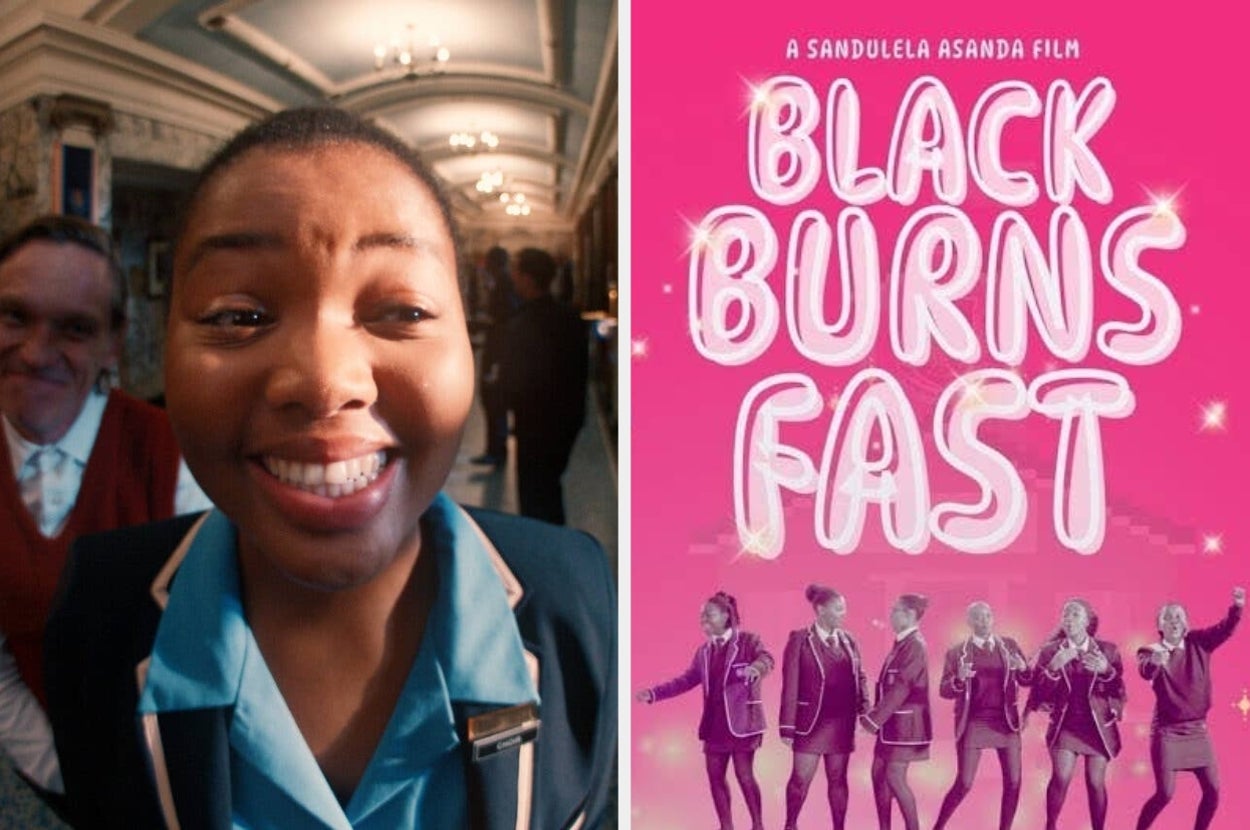
2 / 9

3 / 9
4 / 9
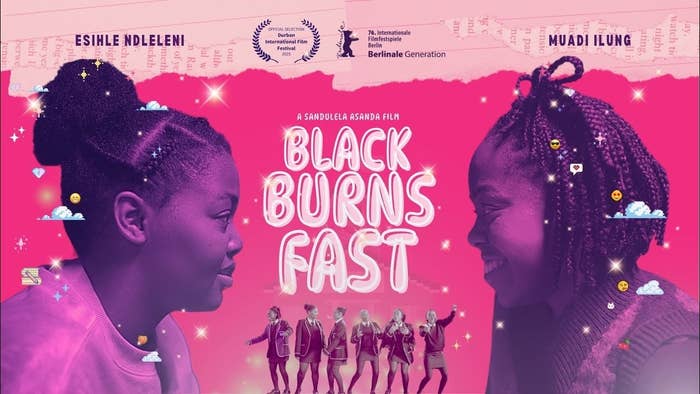
5 / 9
6 / 9
7 / 9
8 / 9
9 / 9
"The little Black girl who's in high school, who's just scared to even talk to anyone, like, not even her mother! I want her to watch it and know that she has a space."

I had the chance to sit down with Sandulela to discuss the film’s origins, why nuanced stories about Black girlhood are so important, and how their own experiences shaped the story of Black Burns Fast.

Firstly, I just want to say thank you for making a Black lesbian film because a few days ago I was actually going through Letterbox and I was thinking, there are little to no Black lesbian films. I also wanted to thank you for making a Black lesbian film that isn't making the Black lesbians all studs or like masculine, because for some reason, the media loves to just portray Black lesbians as that, which isn't always the truth. Black Burns Fast is such a charged title. What does it mean to you, and how did you come up with it?

For me, it came from the experience of just being a Black girl in high school and it is a science concept of darker things that heat up quickly under the sun, that's kind of what it's like, always being under the lens of dealing with racism, and then sexism, and then also sexuality, all these things become, super focussed on you, and I feel like as a result, Black girls are forced to become self-aware and more mature, where before the time that they should. That's where the title came from for me, and also kind of my ethos towards the characters, which was showing them as young and showing them as kids and allowing them to navigate everything that comes with that.

What was your initial starting point or idea for this film?

Around mid COVID, 2020, a lot of people on my social media were just talking about our experiences being Black girls growing up in these schools that were previously white institutions during apartheid, and what it's still like occupying that space, and if there's been any change, and it turns out not. That made me really sad, the fact that nothing's really changed. A few years after that, I came into myself and became self-aware of my sexuality. I was a queer woman, and I started thinking about high school and all the markers I didn't know were there. I'm thinking about how dealing with all that stuff in high school, the microaggressions, the macroaggressions, didn't leave me a lot of capacity to even think about my sexuality, and I really wanted to talk about that. Then, when I started looking at other queer films around me, they didn't really talk about that, or they were very scary, traumatic, Black girls being uncertified or abused in some way. I wanted to change that narrative because I was like, that can't be the only thing a Black girl can see when she wants to look for that type of thing. I very much just wanted to make the type of film that I needed to see when I was at that age because I was thinking if I had known (at that age) and I'd had that representation, I would have been a much happier person, and I think I would have been a lot more well adjusted because I would have seen something that, showed me in a light that wasn't scary. At least I'd be hopeful about what's on the other side.

Yeah, I think that was a big takeaway for me from watching the film. I really didn't realise how much it wasn't just a me issue, like everyone's going through it. Everyone, no matter where you are, if you're a person of colour and you're gay, good god. I was sitting there thinking maybe there are some layers that I haven't really looked into with myself yet, because growing up, I didn't have the resources to unpack those things.

I think it's also difficult for femme-bodied people because our sexuality isn't taken that seriously, and there aren't necessarily like the major physical markers of that. I think that's also the thing that makes it tough because generally people just accept “oh okay, all girls are heterosexual”, like, no, they're not.

You mentioned that by mid-2020, you were looking back on certain things. Were there any personal experiences that particularly motivated you to pursue this project?

The space of the film, like the Anglican Girls' College, is very similar to the type of high school that I went to. My entire high school career is what pushed me into that, and honestly, compared to the film, what my friends and I went through was way, way, worse, but then I didn't want the film to completely become about that. I don't think I would have gotten through high school without my friends. My group of Black girls, because we all came from different places, but it's like the understanding of what's happening here socially, economically and culturally, really helped and having that solidarity was a lifesaver.

You mentioned that the story reflects your own school experience. Did that make it important for the film to take place in a boarding school?

Yes and no. I think what helps with it being a boarding school is that it helps like budget wise because everything takes place on campus, but also having that setup also kind of really emphasises the bubble that is, that space is and how hectic everything seems as it's happening there. But then in the real world, it's real, at least at home, such a disjoint space between them. I really wanted to emphasise that. Also, fun things happen in boarding schools. I also wanted to show that.

You released Mirror Mirror in 2022. What have been your biggest directorial changes since then?

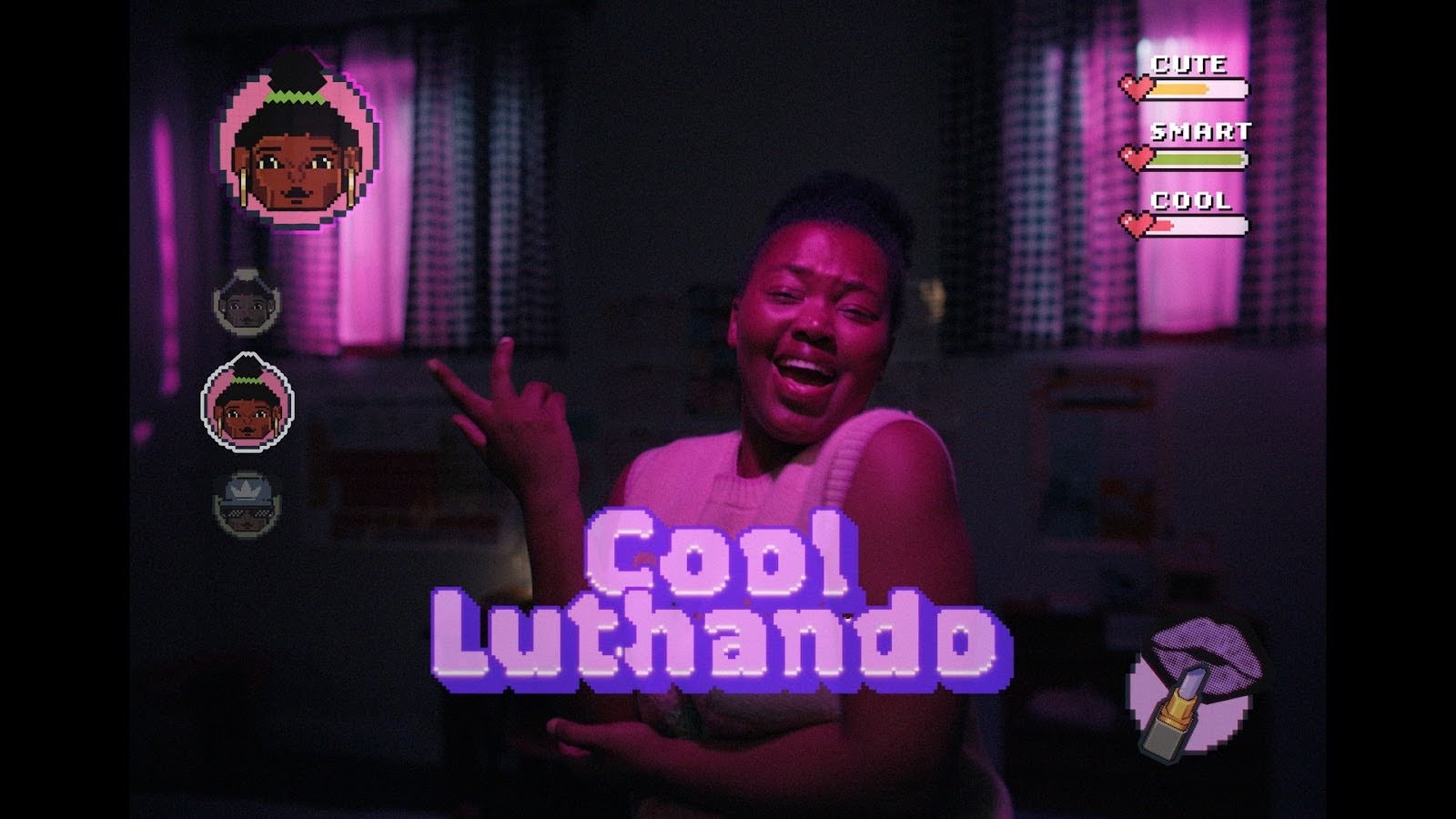
I think that I let go in a lot of senses. I think with Mirror, Mirror, because it was like my first kind of professional short film, I was kind of very wound up in trying to hit every step in my scripts and in my storyboarding and everything. Whereas I think as much as I did plan, just as magical, if not more, I do think I also did allow myself space to collaborate more, as well as to let the things that are happening on the day just happen and just go with the flow of that. I also really leaned into the visual effects because with Mirror, Mirror, they weren't as prominent initially when I'd written the scripts. They were kind of like I just wanted to show the effects of being on a laptop and phone, but then I integrated it a lot more to kind of reflect the experience of our lead character Luthando, and what I learned from that was, this is a cool thing that, I get that I can drive and elevate, that's also really important because even in doing research with this film, I realise that just like the internal world of Black girls is under pursued. Part of the reason why I even had to do the short form was like a proof of concept for the character, because Luthando herself is such a character that we haven't really seen. It's like a nerdy Black girl who's also tried to be brave as well. I thought, let me really work on making this as expressive as possible. That is not just like seeing cool things on the screen, but also like giving the audience the experience in her mind.

I definitely felt the growth from Mirror, Mirror.

Yeah, I think I got a bit older. And you watch things back and like, I could have done it better. Money also helps a lot. In Mirror, Mirror, I shot that in my apartment a few days before I was supposed to move out, so I could do it. Having access to money and more possibilities also helps a lot in how you think because then you're also willing to experiment a bit more.

Each of the actors in Black Burns Fast bring such a distinct energy to the film. How did you guide them to embody their character?

It was a lot of just personal work. I maybe had, like, two weeks to rehearse with all of the main cast. My biggest focus was just the way the girls related to each other as a group, in their roles, whilst we didn't always rehearse lines, at least they knew at the core who the person was and why they did things. On the first night of rehearsals, I held a sleepover party at my apartment, we watched Bottoms, we had pizza, and we just talked about our high school experiences. Kind of how we wanted to relate to the characters, how I wanted them to relate to their characters, but also I wanted other people to relate to the characters. I also made a WhatsApp group for everyone, and in that group, there would be certain days where they had to speak to each other as their characters. There's no way they could get out of it for at least an hour once a week. I also gave them homework; they had to write a letter to those 17-year-old selves, just to get them into that place, mentally, as well as just record video diaries of their character. Making sure that they knew where the character was coming from. I really encouraged them just to interrogate why the character made certain decisions in the film. They'd ask me questions, “I'd be like, okay, why do you think this? Or why do you think that's an issue?” I think that also helps them critically engage with who their character was to see where they're coming from. I think it all worked out, thank God.

Are there any books or films that helped inspire some ideas?

I would say Pariah by Dee Rees. Also, The Incredibly True Story of Two Girls in Love. Rafiki, of course, had some influence there, especially in terms of just like the approach, when you reference it in terms of Afro bubble gum, which is like approaching the African story in a lighter way, in a brighter way, that's more colourful. I think Bottoms, in terms of just where I like, try to aim, like the levity in certain places. I didn't go full tilt in that direction because I wanted a slightly lower age rating. Because, you know, at the end of the day, I wanted this film to be watched by as many people as possible, I had to keep that in mind.

One of the notes I made was that you write the teenagers well, which I think is really hard to do. I think a lot of the time when people write teenagers, it either comes across as really cringy or weirdly done. When watching it, I was like this is along the same lines as Bottoms, where it's, like, actual teenagers and not just this weird concept of what a teenager looks like from this middle-aged man's perspective.

That’s one of my biggest pet peeves when I watch television! I'm like, who talks like this?! It doesn't make sense. I had a lot of – I don't want to say – pressure on myself, but I was like, I know who these girls are. I know how they speak, it was quite easy in that sense to get how they sound and how they speak. Then I also worked, of course, with the actors as well. It was really about, if I heard them saying something that didn't sound right, I'd be like, “Okay, what sounds better in your mouth or how would you say this?” They also kind of collaborated in that sense as well, which helps a lot.

You mentioned that the film addresses South African history and discrimination within schools like AGC. How important was it for you to weave these themes into the narrative without making them feel too heavy?

Definitely, I wrote seven drafts in total, and I think the earlier drafts were slightly more political. I think because I was just working out, as I was in the early stage of working through things mentally and emotionally. There was no way I could speak about Lutando's journey and those groups of girls and the way they navigate the space without talking about South African history and the current social and economic landscape, because that affects them even in this kind of bubble. In my mind, these schools are kind of like a bit lonely and a bit la di da, but they still reflect what's happening in general society in South Africa, the discourses that are happening, the attitudes that are still prevalent because these kids are taking this from their dining, into school, and their parents are bringing it from work. That's the wider world, being reflected in how these girls and these boys all relate to each other, so it was really important. I don't think there was a way to tell the story without talking about those things.

Would you hope young Black creators take from this film?

I hope that they take that their voice is valid, and that you can experiment, and someone will see that and get it. That you can have fun with it, and that there are people who support you and your vision. You just need to find them; they are there, they exist. I think that's really important, and also just to keep pushing and believing in you. I think one thing, I say 5 years, 5 years is a long time, but I think throughout the entire time, my vision never changed. Who I thought this film was for never changed. No matter how many notes or things, the feedback that I got was like trying to move me off that path. I just kept with it, and just trusted that, you know, the people who need to see this will see it and enjoy it, and the people who need to be a part of it will be a part of it. That's what's happened. I think that's really important. And also, like people who want to hear our voices, people want this. I was in Berlin, and our screenings were full. So many people said, “I'm straight, but I love this film. I'm so glad I watched this”. Everyone is aware of it because our stories are important, our stories are valid, and I think that's important just to remember, especially now, like the past few years of this wave of conservatism coming across the world.

The little Black girl who's in high school, who's just scared to even talk to anyone, like, not even her mother! I want her to watch it and know that she has a space. Even if it's just like me, like contact me on Instagram if you want to. But just to know that's who this film is. If one person were in the theatre, I think I'd want her there.

I'm trying to stay present in the moment. I do want to keep making queer films. I have a few ideas knocking around in my head. It's kind of whichever one wins the fight first. But this is not the last film that I'm making, definitely not.