yahoo Press
Ramsey Calls $800K Net Worth Husband’s Burger King Frugality ‘Just Weird’
Images
1 / 4
2 / 4

3 / 4

4 / 4
Dave Ramsey identified a psychological trap called scarcity mindset persistence where wealth-building habits like extreme frugality calcify into counterproductive behaviors even after financial success is achieved, as exemplified by a 30-year-old with an $800,000 net worth and $250,000 household income who turns off preheating ovens and buys cheaper burger brands despite saving at five times the national average rate of 4.0%.

Ramsey’s framework positions money as having three healthy uses—investing, enjoying, and giving—with his recommendation to create a mandatory spending category (such as $30 monthly for hobbies) to help high savers transition from accumulation mindset to balanced financial living once their net worth and savings rate targets are already exceeded.

Have You read The New Report Shaking Up Retirement Plans? Americans are answering three questions and many are realizing they can retire earlier than expected.

Chelsea called into The Ramsey Show on March 25, 2026, with a story that landed somewhere between funny and genuinely revealing. Her 30-year-old husband earns a combined household income of $250,000 a year, has built an $800,000 net worth, and invests 20% of their income. He also turned off a preheating oven to save on the electric bill while his wife fed their six-month-old baby.

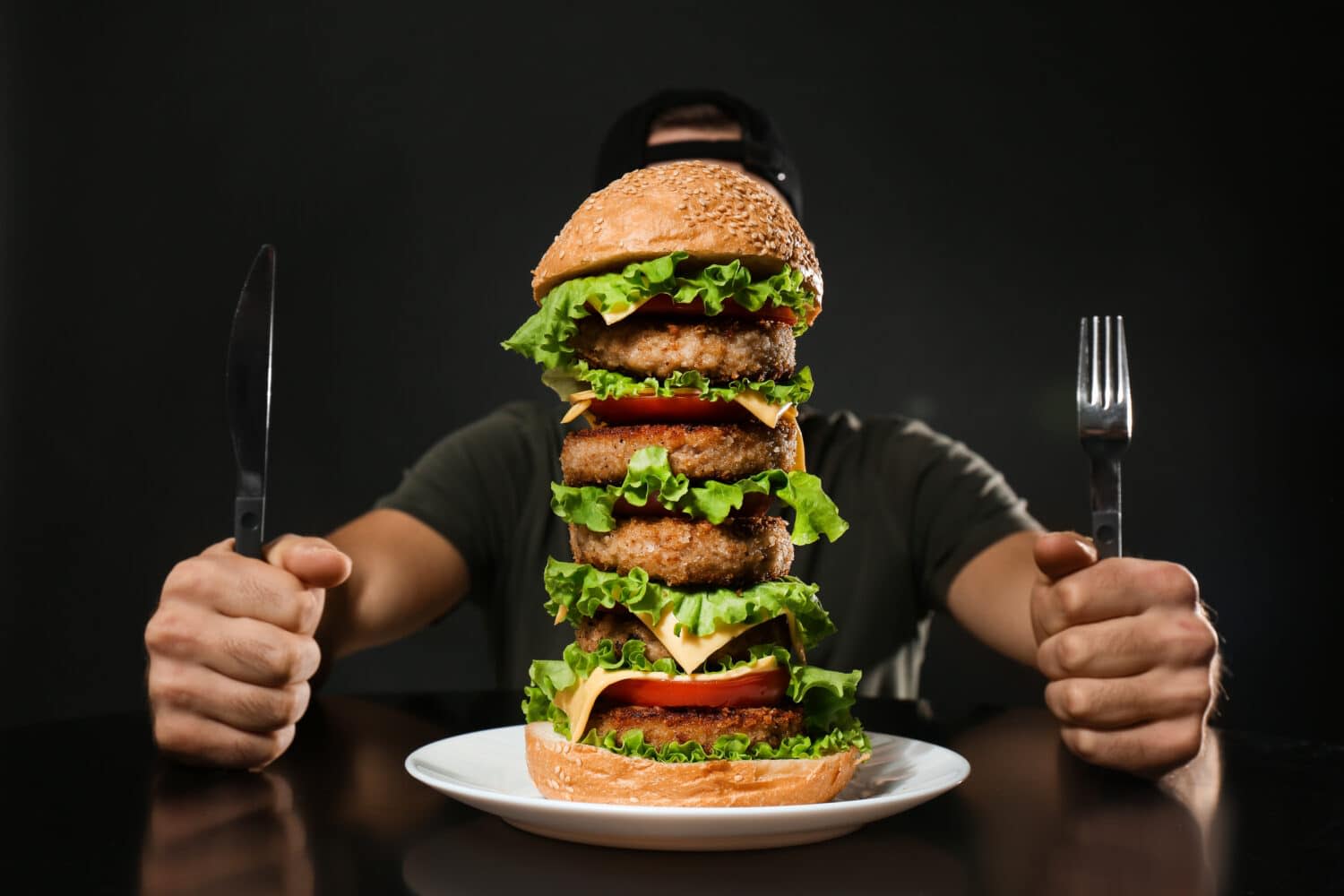
"I wanted a Five Guys burger for dinner one night, and he comes back with a bag from there and a bag from Burger King," Chelsea explained. "The burger at Five Guys is $18, so he got me a burger there and got himself Burger King, even though we're not big Burger King people. He doesn't like Burger King. It's just cheaper."

Dave Ramsey's verdict was blunt: "The Burger King and the preheating the oven is just weird. That's not careful. That's just strange."

Have You read The New Report Shaking Up Retirement Plans? Americans are answering three questions and many are realizing they can retire earlier than expected.

Ramsey is right. And the reason why matters for anyone who has ever saved hard and then found it impossible to spend.

Ramsey drew a clear distinction on the show. "Being frugal and wise with money is the hallmark of wealthy people," he said, but then named the trap: "the downside is, is that you're never going to be able to enjoy it."

This is a real psychological pattern, and it has a name in behavioral finance: scarcity mindset persistence. The habits that protect you when money is tight can calcify into reflexes that no longer serve any financial purpose. Turning off a preheating oven saves pennies. On a $250,000 income, the electric cost of preheating an oven for 15 minutes is financially irrelevant. The behavior stopped being a money strategy and became something else entirely.

Chelsea's husband is saving 20% of their income, which already puts the couple far ahead of the typical American household. The national personal savings rate was 4.0% in Q4 2025. Saving at five times the national average while building an $800,000 net worth at 30 years old is genuinely exceptional. The Burger King move does not protect that progress. It just makes dinner worse.

Ramsey outlined a straightforward framework on the show that cuts through the noise. He said money has three healthy uses: investing, enjoying, and giving. A person who only invests and never enjoys or gives is not being disciplined. They are leaving one-third of the equation empty.

Co-host George Kamel offered a practical fix: create a mandatory spending category in the budget, giving the husband "$30 a month" for a hobby to "start to unwind a little bit from the tightwad syndrome."

That framing is useful. For someone whose brain resists spending, making enjoyment a budget line item reframes it as a planned, responsible act rather than a lapse in discipline. You are not blowing money on a Five Guys burger. You are executing your spending plan.

Ramsey put it this way: "This guy's never going to be irresponsible. It's impossible. His brain would explode. If I get this guy feeling like he's gone wild, now he's just normal."

This advice is aimed squarely at the saver who has already won the accumulation game. If you have an $800,000 net worth at 30, are saving 20% of a $250,000 income, and carry no mention of consumer debt, the financial risk in your life is not overspending on ketchup brands. The risk is arriving at retirement with a balance sheet that looks great and a life that felt joyless getting there.

The calculus is different for someone early in their savings journey with high-interest debt and thin margins. Frugality is load-bearing at that stage. But for Chelsea's husband, the oven trick and the Burger King bag are not protecting anything. They are habits running on autopilot long after the conditions that made them useful have changed.

Kamel's $30-a-month hobby budget is a reasonable starting point, but the broader principle is worth applying deliberately. Review your budget and ask whether your spending categories reflect your actual financial position or the position you were in five years ago. If your savings rate already exceeds your target, a designated "spend freely" category, even a small one, gives permission structure to someone whose instinct is to save everything.

Chelsea's husband is doing almost everything right. The one adjustment: let the oven preheat.

You may think retirement is about picking the best stocks or ETFs and saving as much as possible, but you'd be wrong. After the release of a new retirement income report, wealthy Americans are rethinking their plans and realizing that even modest portfolios can be serious cash machines.

Many are even learning they can retire earlier than expected.

If you're thinking about retiring or know someone who is, take 5 minutes to learn more here.